
Washington Region
Puget Sound
Where city skylines meet saltwater shores and snow-capped volcanoes
Cities
Seattle, Tacoma, Olympia
Hotels
28
Restaurants
30
Activities & Attractions
46
Best Time to Visit
July–September
Puget Sound is the gravitational center of Washington — not just because most of the state's population lives here, but because it compresses an almost absurd range of experiences into a single metro corridor. In the span of an afternoon you can browse contemporary art at the Seattle Art Museum, catch a ferry across Elliott Bay to Bainbridge Island, and watch the sun drop behind the Olympic Mountains from a waterfront brewery.
The geography itself is the story. Puget Sound is a deep, glacier-carved fjord system that stretches roughly 100 miles from Olympia in the south to the San Juan Islands in the north. The water is everywhere — slipping between islands, lapping at city piers, carving channels that require ferries rather than bridges. The Washington State Ferries system is the largest in the country, and riding one is less a commute than a ritual: coffee in hand, wind on the deck, mountains in every direction.
Seattle anchors the region with a density of culture, food, and innovation that punches well above its population. Pike Place Market is the obvious draw — fishmongers, flower stalls, the original Starbucks — but the city's real character lives in its neighborhoods. Capitol Hill for live music and late-night pho. Ballard for craft breweries in converted warehouses. Georgetown for artist studios and dive bars with no sign out front. The city's food scene has quietly become one of the best on the West Coast, driven by access to some of the finest seafood, produce, and wine in the country.
Tacoma, 30 miles south, has spent the last decade shaking off its industrial reputation and earning its own identity. The Museum of Glass — with its 90-foot steel cone designed by Arthur Erickson — anchors a waterfront museum district that rivals cities twice its size. Point Defiance Park offers 760 acres of old-growth forest on a peninsula jutting into the Sound, with trails that feel hours from civilization despite being minutes from downtown. Tacoma's restaurant scene is younger and scrappier than Seattle's, which is exactly what makes it interesting.
Olympia, the state capital, sits at the southern tip of Puget Sound where the water finally ends and the Capitol dome rises above the harbor. It's a college town with a counterculture streak (Evergreen State College) layered on top of a government town, which gives it an unusual energy — lobbyists and punk bands sharing the same downtown blocks. The Olympia Farmers Market runs year-round and is one of the best in the state.
Beyond the cities, the Puget Sound region is defined by its islands and shorelines. Vashon Island is rural and artsy, reachable only by ferry. Whidbey Island stretches 55 miles and holds Deception Pass State Park — the most visited state park in Washington, with a bridge spanning a tidal chasm that's worth the drive alone. The Kitsap Peninsula across the water offers small-town harbors, naval history, and forests that feel far more remote than their proximity to Seattle would suggest.
What Makes It Unique
No other region in Washington gives you this combination of world-class urban culture, saltwater access, and mountain views from nearly every vantage point. You can eat at a James Beard restaurant, catch a ferry, and hike old-growth forest all before dinner.
Top Experiences in Puget Sound
The must-do activities and attractions that define this region — with insider tips to make the most of each one.
Pike Place Market
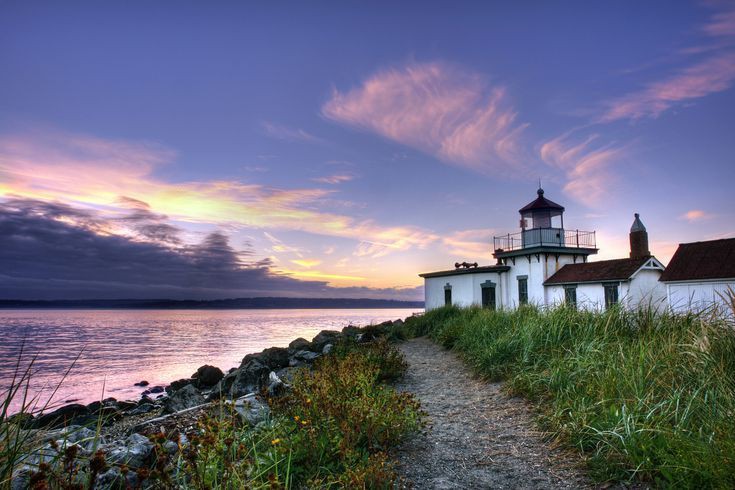
The soul of Seattle since 1907, and far more than the fish-throwing you've seen on TV. Come early on a weekday morning when the farmers are setting up and the tourist crowds haven't arrived. Work your way through the lower levels — the craft shops, vintage poster dealers, and hole-in-the-wall restaurants below street level are where the real character lives. Don't skip the original Starbucks, but don't wait 45 minutes for it either.
Insider Tip
Arrive before 9 AM on a weekday. The market is a completely different place without the afternoon crowds.
Washington State Ferry to Bainbridge Island
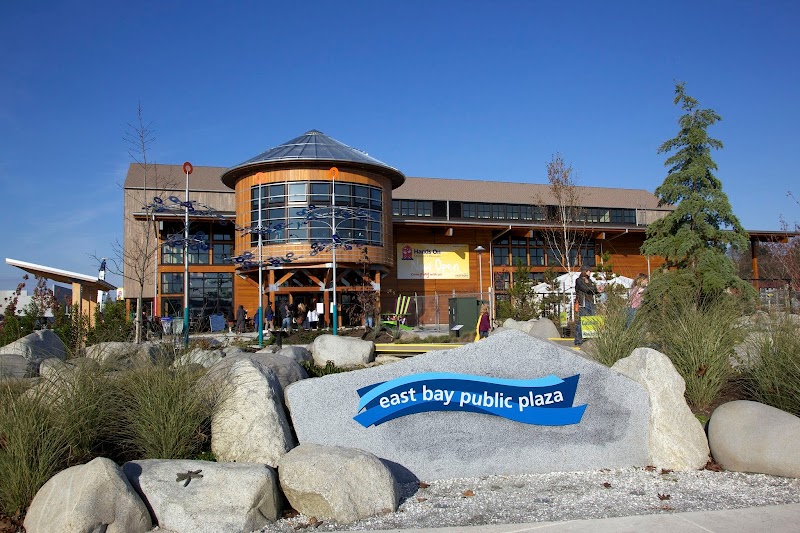
The 35-minute crossing from downtown Seattle to Bainbridge is one of the best cheap thrills in the Pacific Northwest. Stand on the upper deck as the Seattle skyline recedes and the Olympic Mountains grow larger ahead. On Bainbridge, walk the half-mile from the ferry terminal into Winslow — a walkable village of bookshops, wine tasting rooms, and restaurants. The ferry runs until late evening, so you can do dinner on the island and ride back under the city lights.
Insider Tip
Walk on rather than drive — foot passengers board faster and Winslow is walkable from the terminal.
Museum of Glass, Tacoma
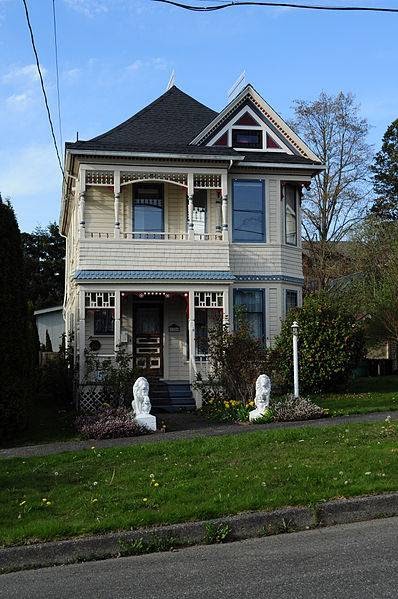
Dale Chihuly's hometown museum features a working hot shop where you can watch glassblowers create pieces in real time, narrated by staff who explain each step. The permanent collection spans contemporary glass art from around the world. The Bridge of Glass connecting the museum to the rest of the waterfront district is a free outdoor gallery of Chihuly's work — 500 feet of blown glass installations overhead.
Insider Tip
The hot shop demonstrations happen daily — check the schedule and time your visit to catch one.
Deception Pass State Park
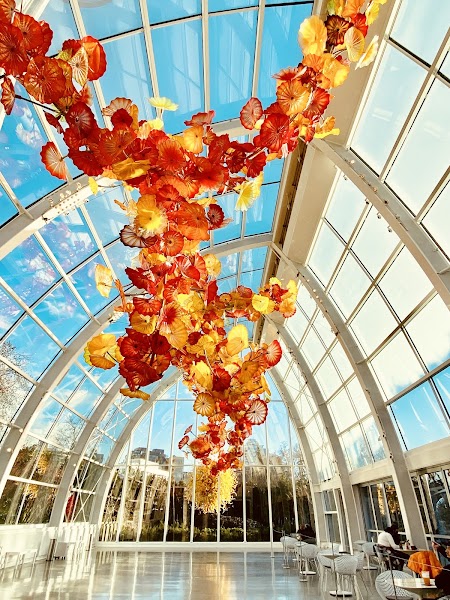
The most dramatic meeting of land and sea in the Puget Sound region. The bridge spanning Deception Pass connects Whidbey Island to Fidalgo Island, 180 feet above a tidal channel where the current rips through at up to 8 knots. Park on either side and walk across for vertigo-inducing views straight down into the swirling water. Below the bridge, trails lead to hidden beaches and old-growth forest. This is Washington's most visited state park for good reason.
Insider Tip
Visit at a changing tide for the most dramatic water movement through the pass.
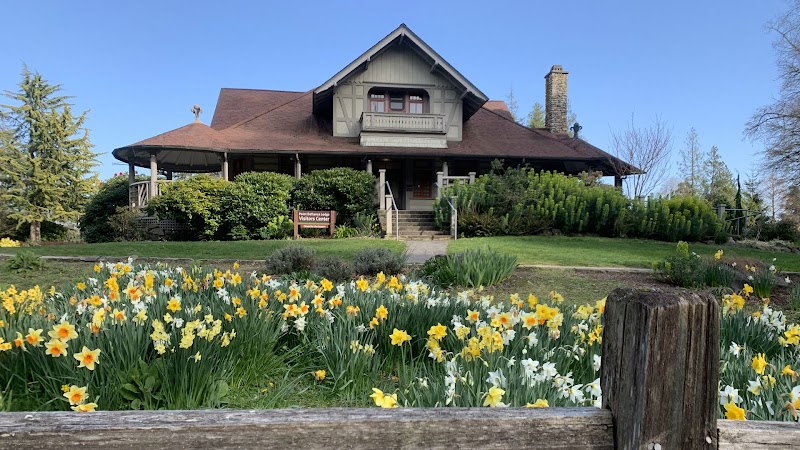
Capitol Hill Nightlife, Seattle
Seattle's most energetic neighborhood after dark. The stretch of Pike and Pine between Broadway and 12th Avenue packs in live music venues (Neumos, Barboza), cocktail bars with no sign on the door, late-night ramen shops, and the kind of dive bars where everyone from tech workers to touring musicians ends up. It's also the historic center of Seattle's LGBTQ+ community, which gives the neighborhood its inclusive, anything-goes energy.
Insider Tip
Start at Canon for world-class whiskey, then wander — the best nights here are unplanned.
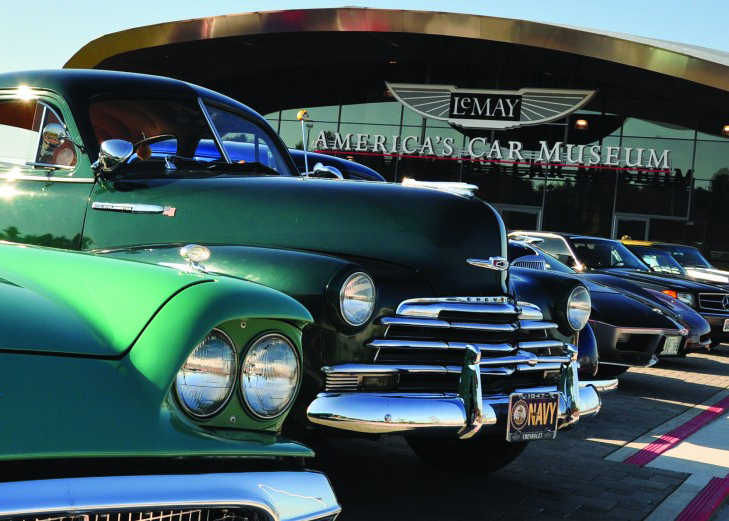
Point Defiance Park, Tacoma
A 760-acre wilderness peninsula jutting into Puget Sound, with 15 miles of trails through old-growth forest, a beach along Owen Beach, and views across the Narrows to the Olympic Mountains. The park also houses the Point Defiance Zoo & Aquarium and Fort Nisqually, a restored Hudson's Bay Company trading post from the 1830s. Most visitors stick to the Five Mile Drive loop road, but the interior trails are where the real solitude lives.
Insider Tip
The Outer Loop Trail along the bluffs offers the best water views — bring binoculars for seal and eagle spotting.
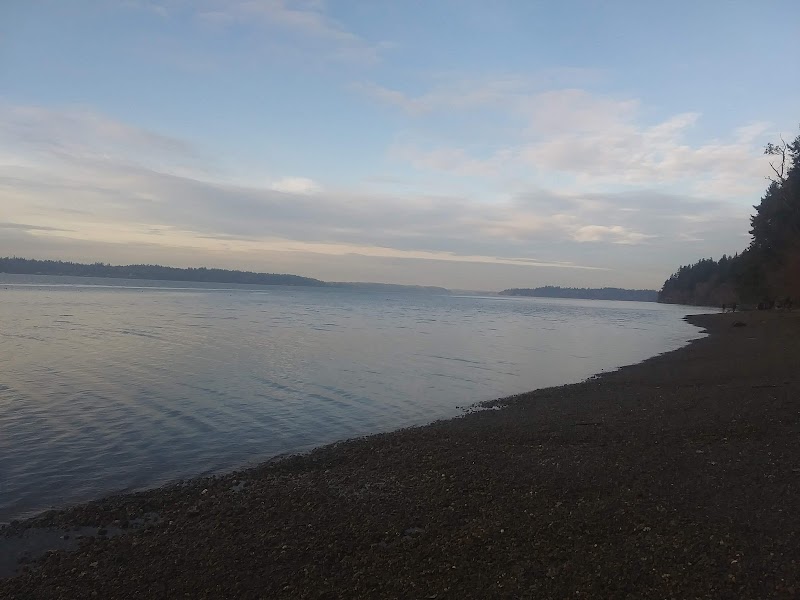
Olympia Farmers Market
One of the oldest and largest farmers markets in the Pacific Northwest, running year-round at the southern tip of Puget Sound. The market sprawls along the Capitol Lake waterfront with 100+ vendors — fresh Olympia oysters, mushrooms foraged from Capitol State Forest, artisan cheeses, and flowers that reflect whatever is blooming in the maritime climate that week. The food truck row behind the main sheds is where locals actually eat lunch.
Insider Tip
Saturday mornings in summer are peak hours — Thursday markets are smaller but far less crowded.
Best Time to Visit Puget Sound
Peak Season
July–September
Best weather, most activities open, highest crowds.
Shoulder Season
May–June, October
Fewer crowds, good value, variable weather.
Off Season
November–February for outdoor activities (frequent rain, short days)
Limited access or activities, but fewer visitors.
The Puget Sound region is infamous for its gray, drizzly winters — and the reputation is earned. From November through February, expect overcast skies and temperatures in the 40s. But here's the secret locals know: summer in Puget Sound is genuinely spectacular. July through September brings 70–80°F days, almost no rain, and daylight that stretches past 9 PM. The transition months (May–June, October) offer mild weather and smaller crowds, though you'll get more gray days. The key thing to understand is that even rainy-season Puget Sound is indoor-rich enough — museums, restaurants, coffee shops, breweries — that there's no truly bad time to visit.
Where to Stay
Seattle is the obvious base — stay downtown or in Capitol Hill for walkability and nightlife, or in Ballard for a quieter neighborhood vibe with excellent restaurants. For a more relaxed pace, Tacoma's waterfront hotels put you near the museum district at lower prices than Seattle. Olympia works as a base for exploring the southern Sound and makes a natural stopover between Seattle and Olympic National Park. If you want island time without leaving the region, book a rental on Bainbridge or Vashon Island and commute by ferry.
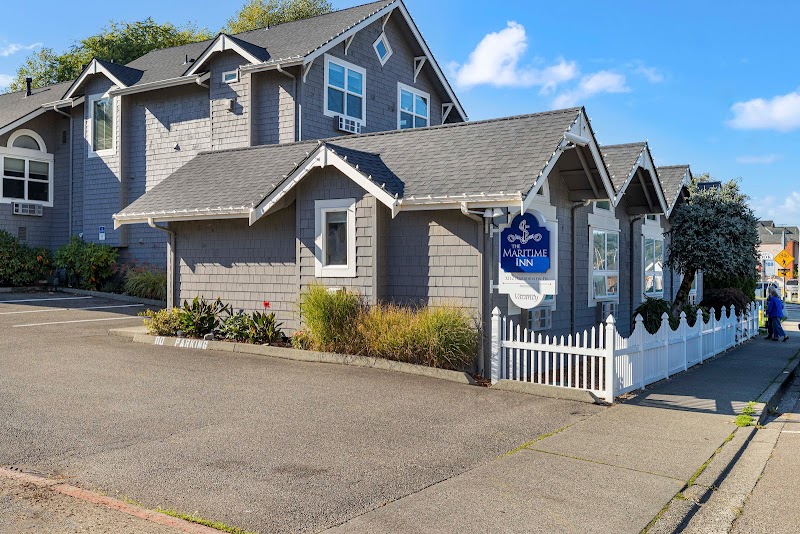
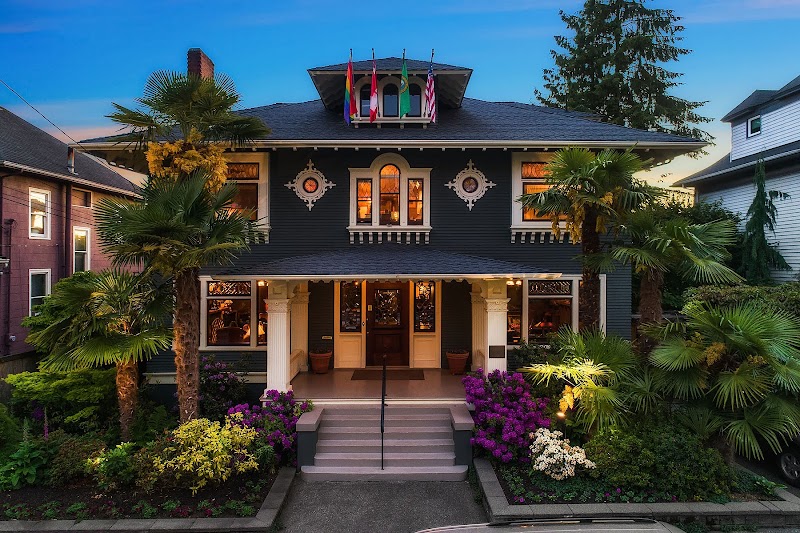
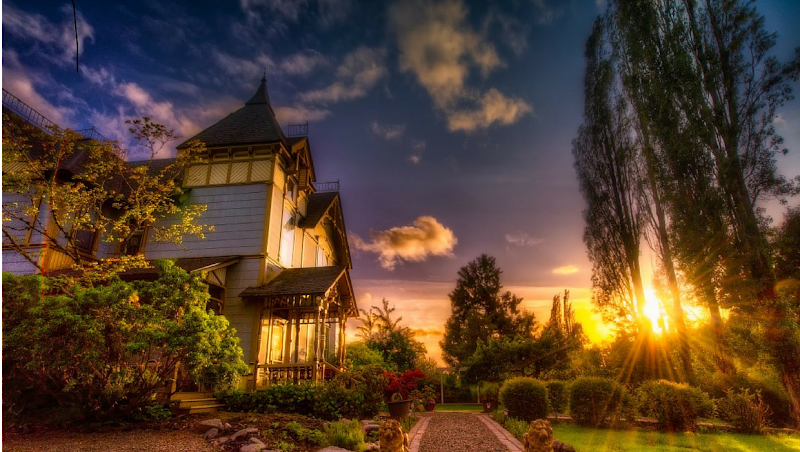
Top-Rated Hotels in Puget Sound
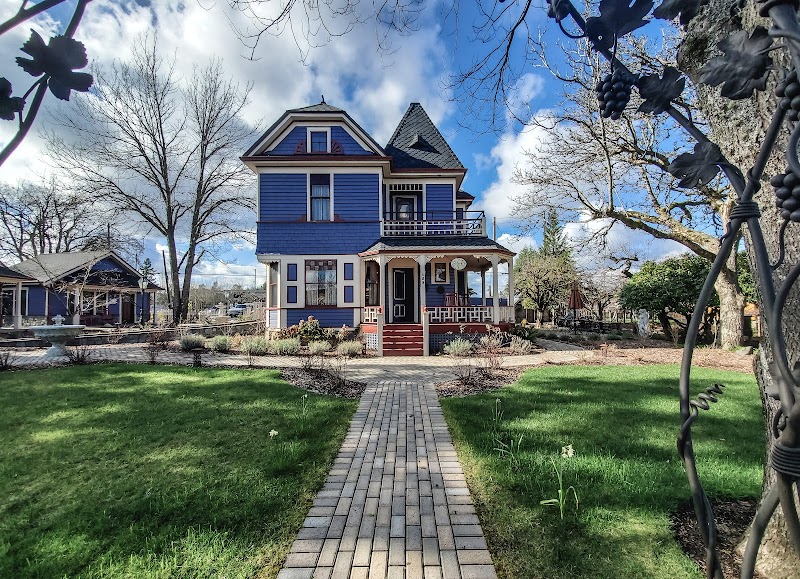
Food & Drink
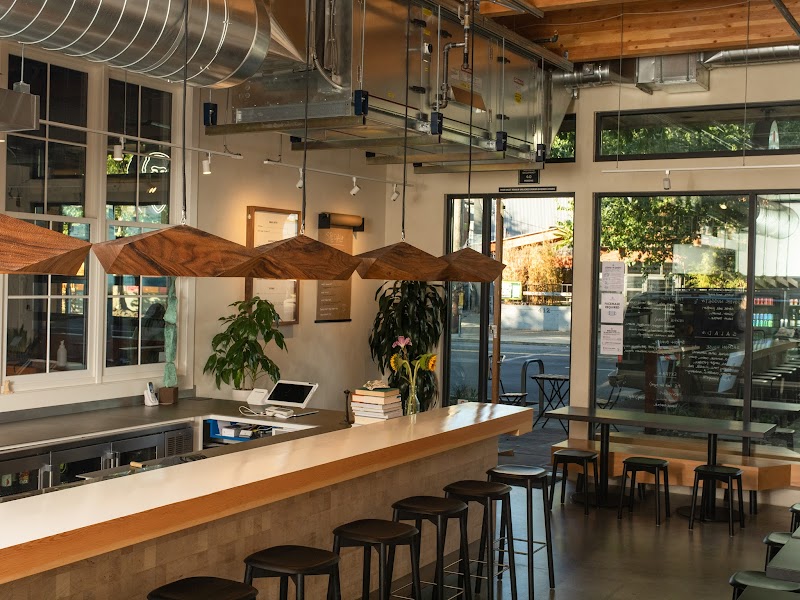
The Puget Sound food scene is anchored by extraordinary access to raw ingredients — Dungeness crab, Pacific oysters, wild salmon, and some of the best produce in the country from the Skagit and Yakima valleys. Seattle's restaurant scene ranges from James Beard Award winners to legendary teriyaki joints and pho shops. Tacoma's food culture is younger and more experimental. Olympia's restaurant scene is small but punches above its weight, especially for oysters — Olympia oysters are the only species native to the West Coast.
Fresh Dungeness crab and oysters at Pike Place Market or Taylor Shellfish
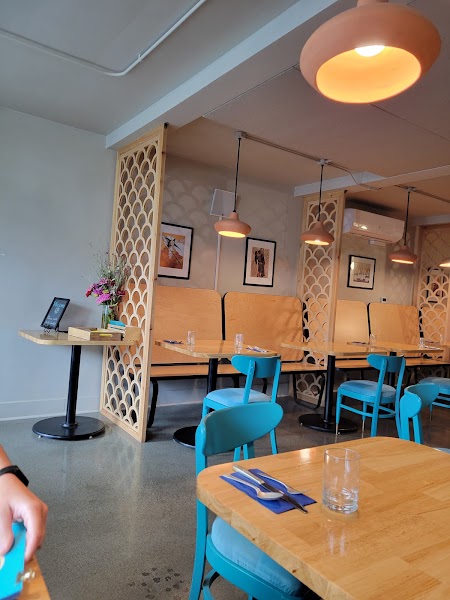
Seattle's legendary teriyaki — a regional specialty you won't find anywhere else
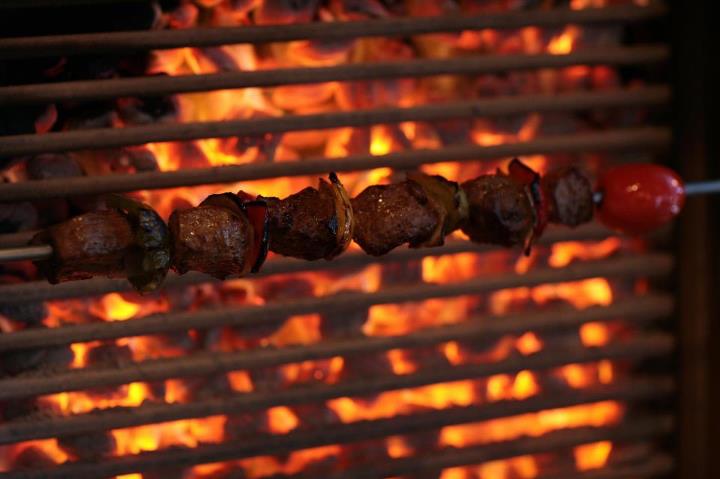
Tacoma's Alma Mater has become a destination restaurant for modern Southern-meets-PNW cuisine
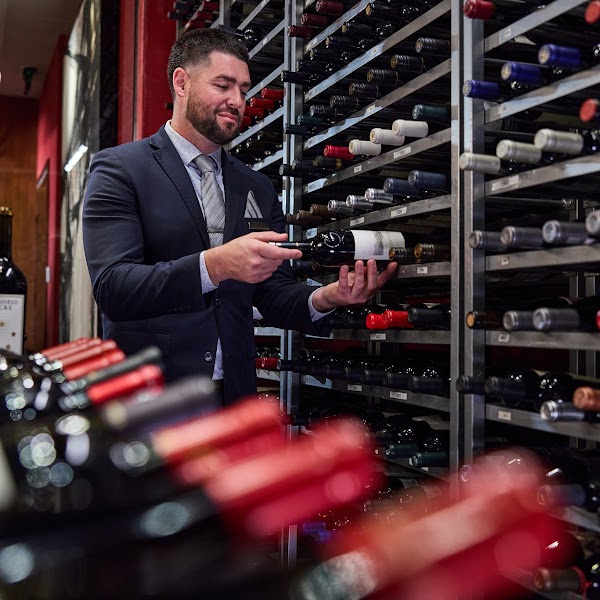
Olympia oysters — the native West Coast species, briny and petite, best raw
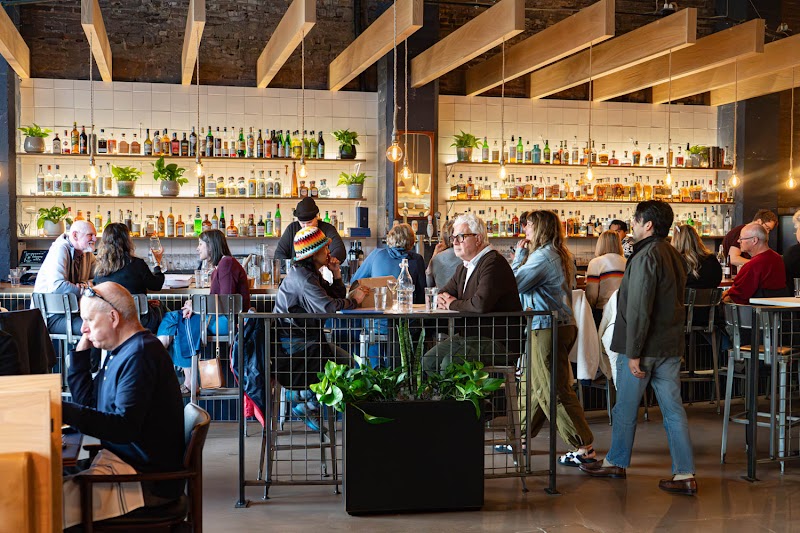
Craft beer from Fremont Brewing, Holy Mountain, or any of Ballard's 10+ breweries
Getting There
From
Seattle-Tacoma International Airport (SEA)
Drive Time
You're already here
Seattle-Tacoma International Airport is the regional hub, with direct flights from most major U.S. cities. Light rail connects the airport to downtown Seattle in 40 minutes for about $3. Tacoma is 30 minutes south of Seattle on I-5, and Olympia is about an hour south. The Washington State Ferries system connects Seattle's waterfront to Bainbridge Island, Bremerton, and other Puget Sound destinations. A car is helpful for exploring beyond the city centers, but Seattle's light rail, buses, and walkable neighborhoods make it possible to skip one entirely if you're staying urban.
Cities & Towns in Puget Sound
Explore our detailed guides to the cities and towns that make up this region.
Seattle
Rain, coffee, and restless creativity in the Emerald City
Being the birthplace of grunge, espresso culture, and tech innovation, while maintaining a fiercely independent artistic spirit
Tacoma
Industrial grit meets world-class art on the Sound
Transforming its working-class waterfront into a destination anchored by exceptional museums, glass art, and views of Mount Rainier.
Olympia
Washington's capital with a radical indie soul
A quirky state capital shaped by Evergreen State College's DIY ethos, thriving farmers market, indie music scene, and waterfront access to the southern Puget Sound.
Insider Tips
The Seattle Underground Tour in Pioneer Square takes you beneath the streets to the original city — buried after the Great Fire of 1889. It's touristy but genuinely fascinating.
Skip the Space Needle observation deck ($35) and get the same view with a cocktail from the bar at the Smith Tower ($15 admission includes a drink).
The Burke-Gilman Trail runs 27 miles from Ballard to Bothell — rent a bike in Fremont and ride north along the Ship Canal for one of the best urban cycling routes in America.
Tacoma's 6th Avenue is the local's alternative to the tourist waterfront — independent restaurants, bars, and shops in a walkable strip.
The ferry to Vashon Island doesn't take reservations. Arrive 30 minutes early on summer weekends or you'll watch it leave without you.
Olympia's Capitol Campus is open to the public and the dome offers free tours — better than most state capitols and almost never crowded.
More to Explore in Puget Sound
Attractions
Outdoor Activities
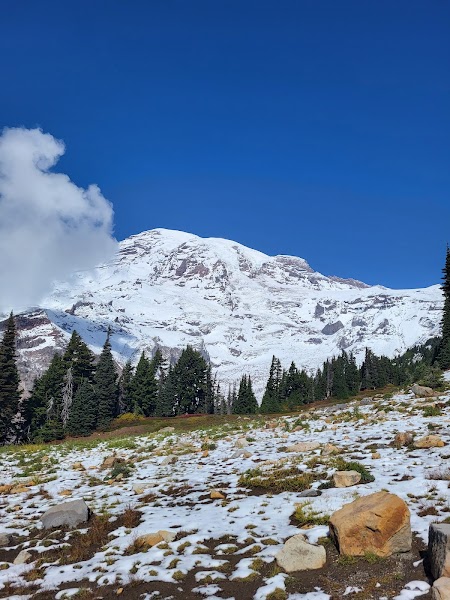
Evergreen Escapes
Evergreen Escapes transforms Seattle's urban landscape into your personal playground, offering exper
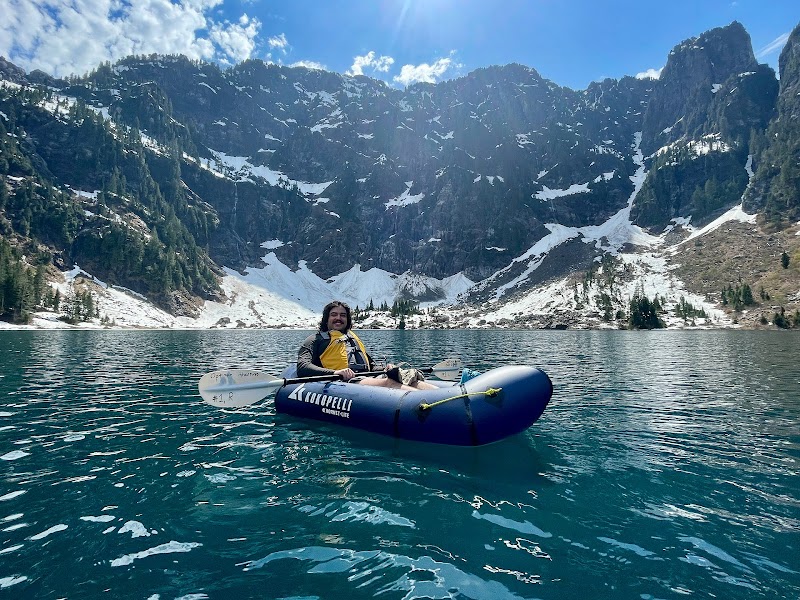
Optimum Adventures
Optimum Adventures curates precision-crafted outdoor experiences along Lake Washington's scenic shor
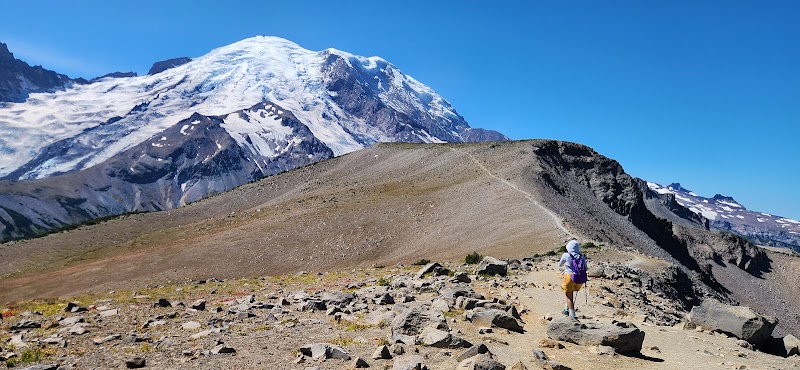
Adventures In Seattle
Adventures In Seattle delivers adrenaline-pumping outdoor experiences tailored for those craving aut
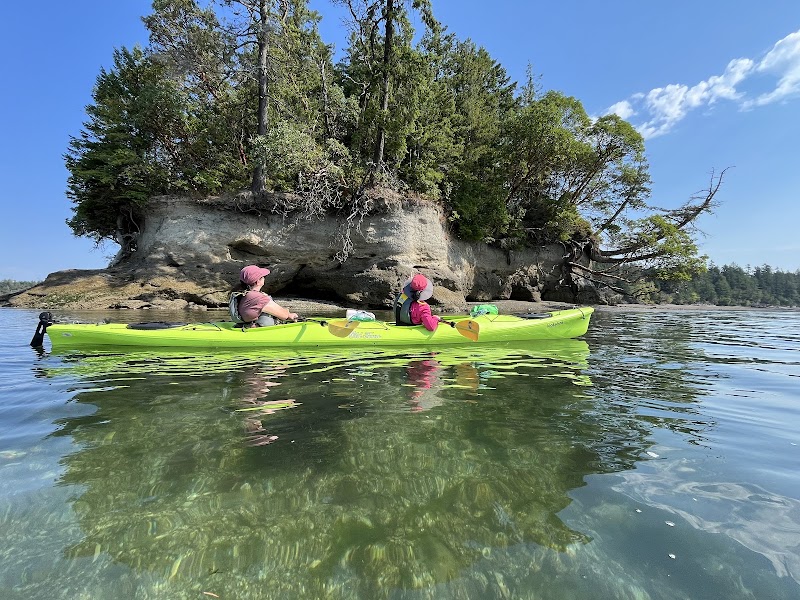
South Sound Kayak Tours
South Sound Kayak Tours launches you into the protected waters around Olympia, where marine wildlife
State Parks
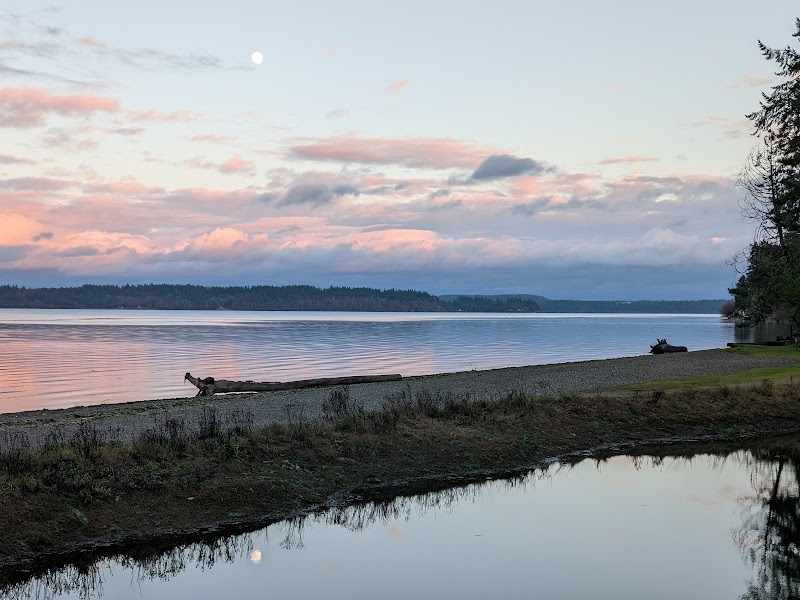
Tolmie State Park
This hidden gem on the shores of Puget Sound near Olympia rewards visitors with peaceful beach acces
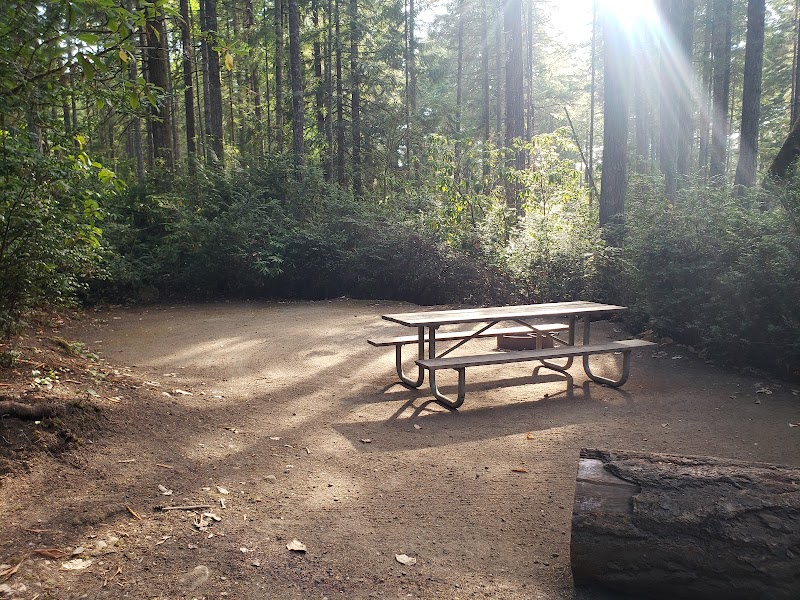
Scenic Beach State Park
An intimate bay-side gem featuring a pebble beach, scenic hiking trails through mature forest, and s
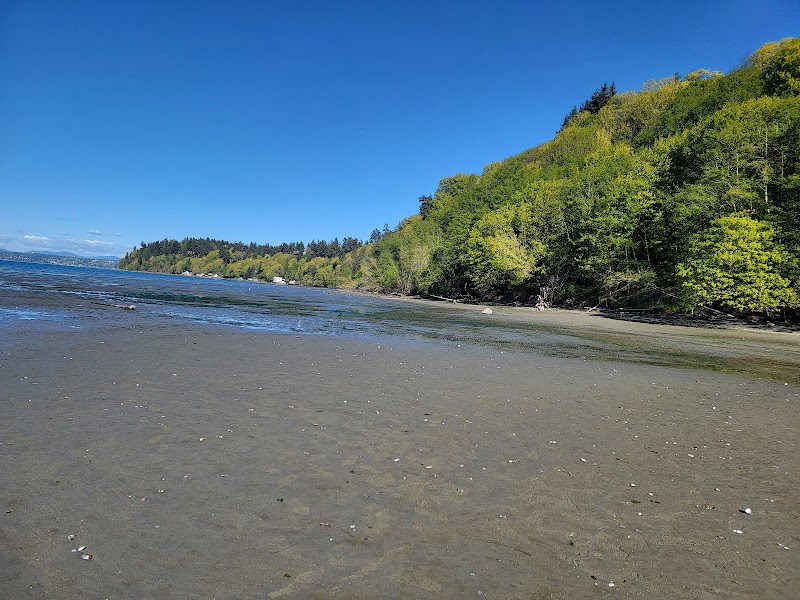
Dash Point State Park
Dash Point State Park delivers rare saltwater beach access in the Seattle metro area, where sand and
Tours & Experiences
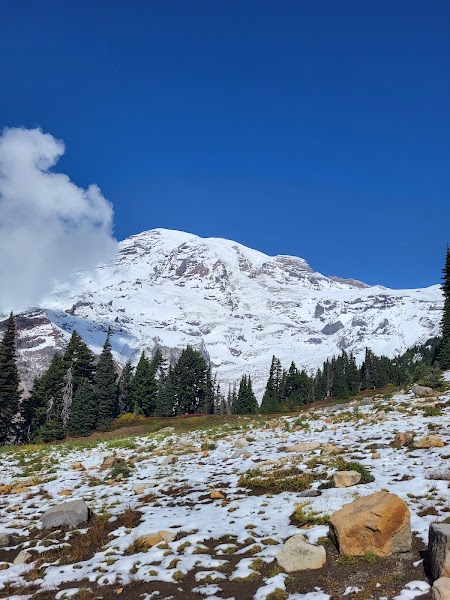
Evergreen Escapes
Evergreen Escapes is Washington's most-reviewed tour operator, offering diverse and dependable guide
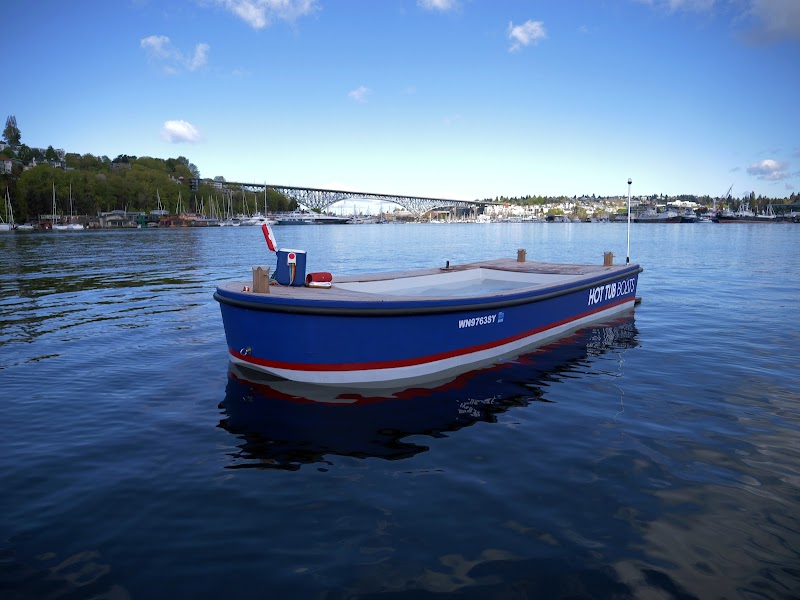
Hot Tub Boats
Soak in hot tubs while cruising Seattle's iconic waterways—a uniquely irreverent and Instagram-worth
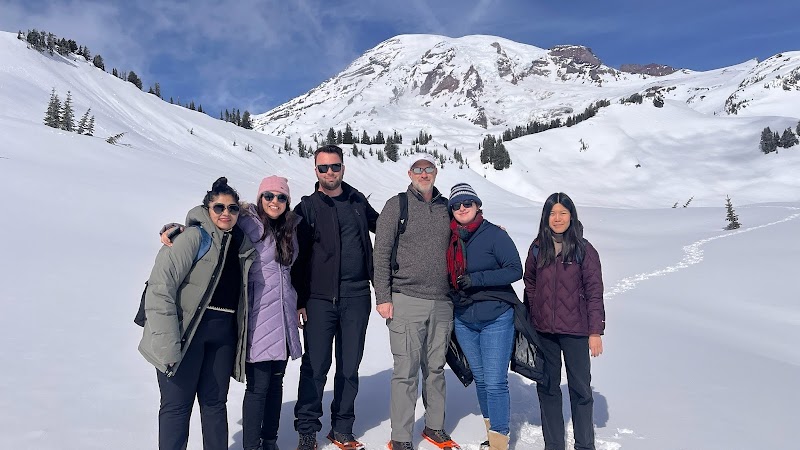
Customized Tours & Charters
Customized Tours & Charters specializes in tailored Seattle and regional itineraries designed to mat
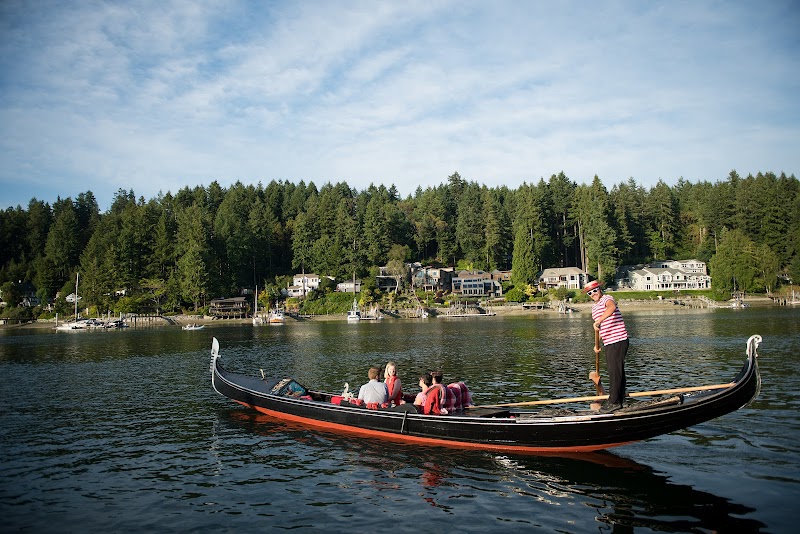
Gig Harbor Gondola
Glide through Gig Harbor's protected waters in an authentic Venetian-style gondola, combining Old Wo
Ready to Explore Puget Sound?
Start planning your trip to Puget Sound — from where to stay to what to see, we've got you covered.