About Washington State
Geography, history, culture, and what draws over 40 million visitors each year
A State Split in Two
The Cascade Range runs north to south through Washington like a spine, and it divides far more than geography. To the west, maritime air off the Pacific feeds temperate rainforests, moss-draped river valleys, and cities built on hills above deep tidal inlets. To the east, the rain shadow creates a different world entirely — sagebrush steppe, basalt coulees carved by the Missoula Floods 15,000 years ago, rolling wheat fields in the Palouse, and irrigated orchards that make Washington the nation's largest producer of apples.
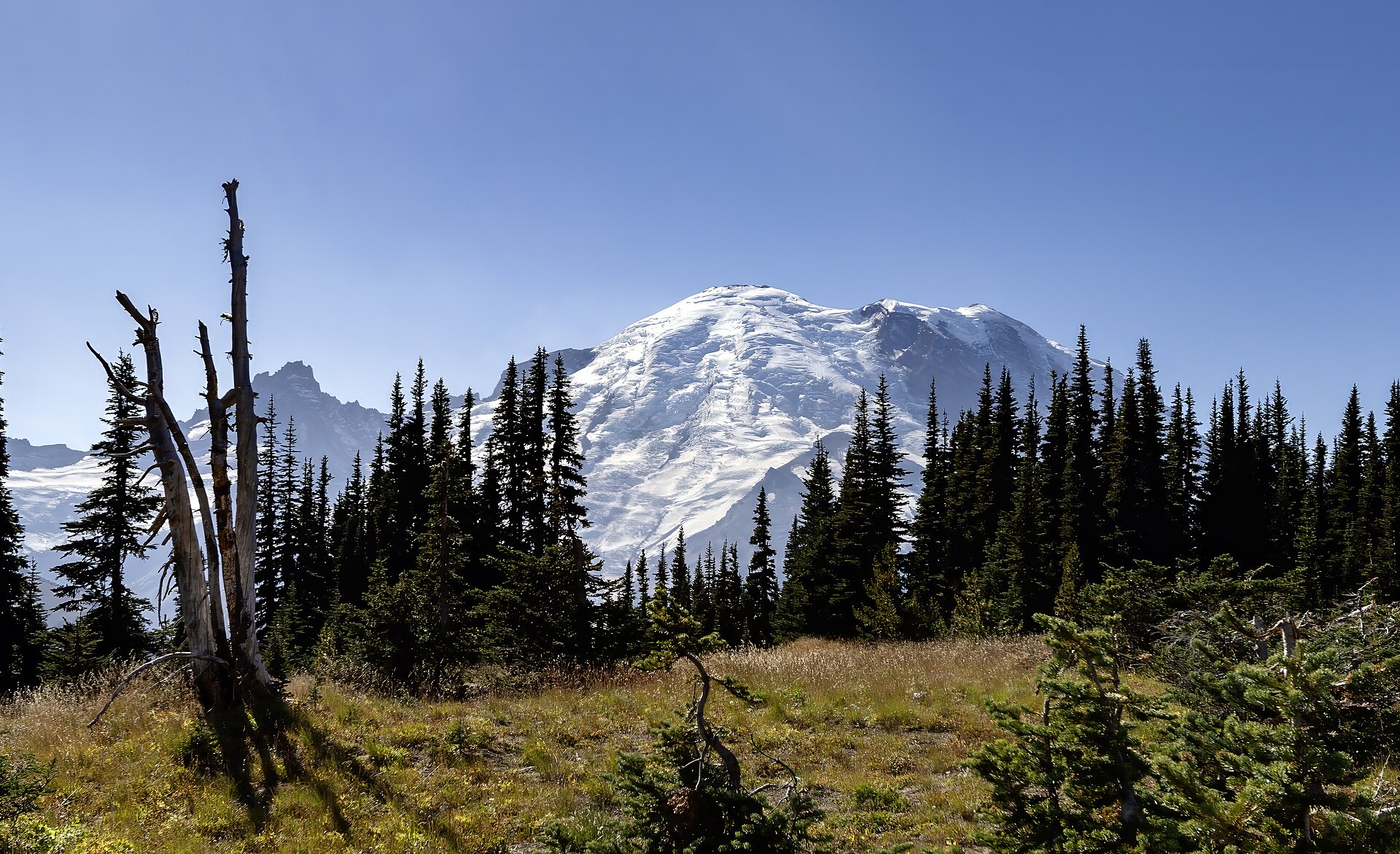
The state stretches from the rocky Pacific coastline and its sea stacks to the dry, sun-baked plateau of the Columbia Basin, with five active volcanoes — including Mount Rainier at 14,411 feet — standing watch over it all. Few states pack this much geographic range into 71,362 square miles.
Deep Roots, Layered History
Long before European contact, Washington was home to dozens of distinct Indigenous peoples. Coastal nations like the Makah, Quinault, and Tulalip built cedar longhouses and carved ocean-going canoes, sustaining complex societies around salmon runs that returned to the same rivers for millennia. Inland, the Yakama, Spokane, and Nez Perce peoples followed seasonal patterns across the Columbia Plateau. Their presence stretches back over 10,000 years, visible today in places like the Ozette archaeological site on the Olympic coast, where a mudslide preserved an entire Makah village.
The Lewis and Clark expedition reached the mouth of the Columbia River in 1805, and settlement accelerated from there — the Oregon Trail, the timber boom, the transcontinental railroad reaching Tacoma in 1887. The twentieth century brought the Grand Coulee Dam, Boeing's aircraft plants, and the 1962 World's Fair that left behind the Space Needle. By the 1990s, Washington had reinvented itself again: Microsoft in Redmond, Amazon in Seattle, Starbucks expanding from its Pike Place origin into a global force. The state has always been a place where people come to build something new.
Culture That Runs on Rain and Caffeine
The grey, drizzly winters of the west side produced a particular kind of creative restlessness — the grunge movement that erupted from Seattle's underground clubs in the late 1980s, with Nirvana, Pearl Jam, Soundgarden, and Alice in Chains rewriting the rules of rock music. That same energy persists in the independent bookstores, small-batch coffee roasters, and art-house cinemas lining Capitol Hill, Fremont, and Ballard.
Coffee culture here isn't a trend — it's infrastructure. The state's food identity runs equally deep: Dungeness crab, oysters from Willapa Bay, chanterelle mushrooms from the Olympic Peninsula, and a wine industry in Walla Walla that now rivals Napa in quality if not fame.
The outdoor identity is perhaps the defining trait. Seattleites joke that Gore-Tex is formal wear, and it's barely an exaggeration. The relationship between Washingtonians and their landscape isn't recreational — it's devotional.
What Draws Visitors
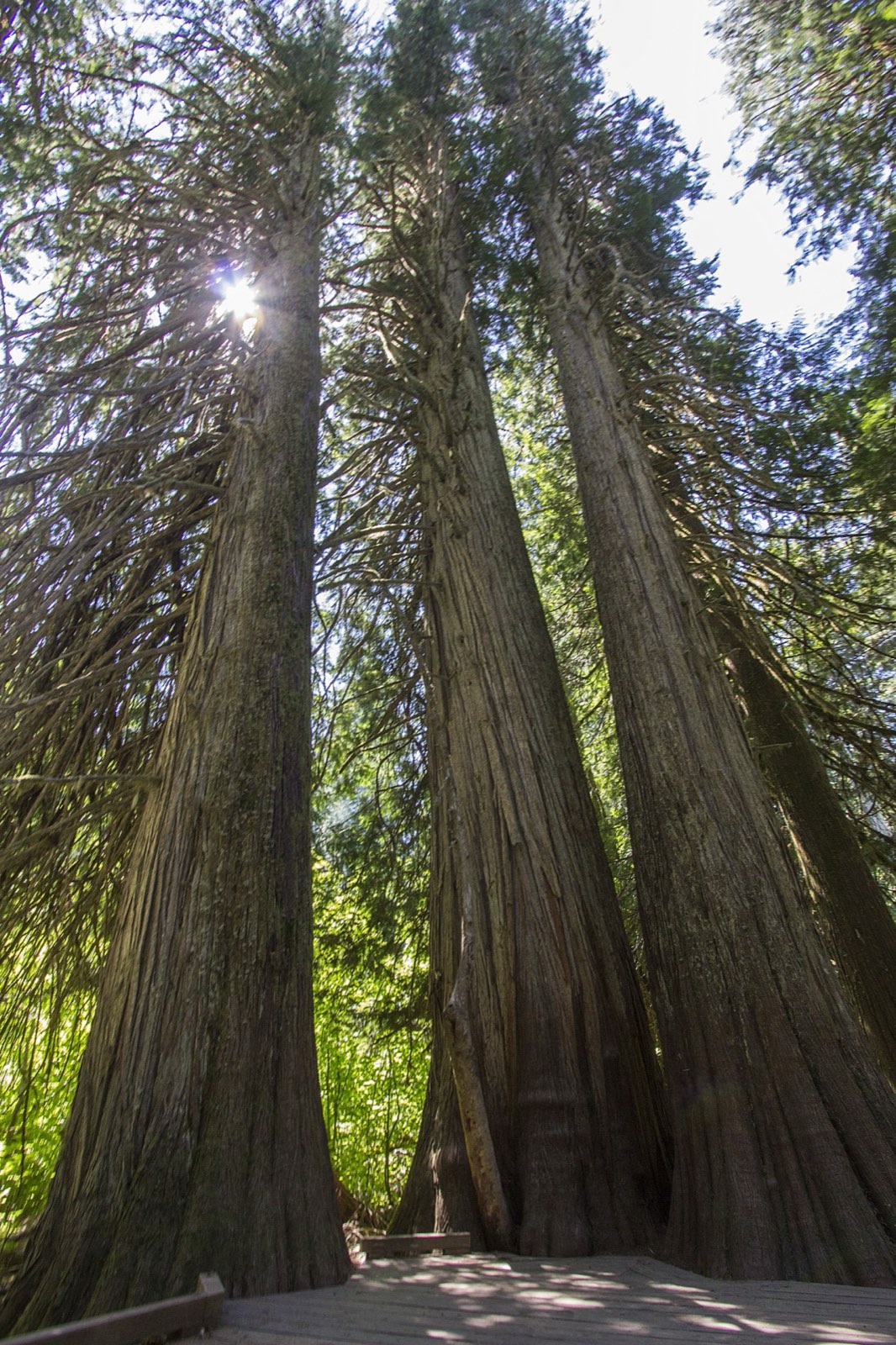
Over 40 million visitors come to Washington each year, and they come for the contradictions. You can tour a Boeing 787 assembly line — the largest building by volume in the world — and two hours later stand alone on a glacial moraine in Mount Rainier National Park.
You can drink coffee in a century-old market overlooking Elliott Bay, then drive ninety minutes to ski waist-deep powder at Stevens Pass. The San Juan Islands offer solitude and orca sightings. The Columbia River Gorge provides world-class windsurfing. The Palouse hills roll like a golden ocean at harvest time. Washington holds all of these places simultaneously, and none of them feel like anywhere else on Earth.
Quick Facts
Area
71,362 sq mi
18th largest state
Population
~7.9 Million
Seattle metro ~4 million
Highest Point
14,411 ft
Mount Rainier
Capital
Olympia
Statehood: Nov 11, 1889
Nickname
The Evergreen State
42nd state admitted
Major Volcanoes
5 Active
Rainier, Baker, St. Helens, Adams, Glacier Peak