Puget Sound
Olympia
Washington's capital with a radical indie soul
Population
55,000
Region
Puget Sound
Known For
A quirky state capital shaped by Evergreen State College's DIY ethos, thriving farmers market, indie music scene, and waterfront access to the southern Puget Sound.
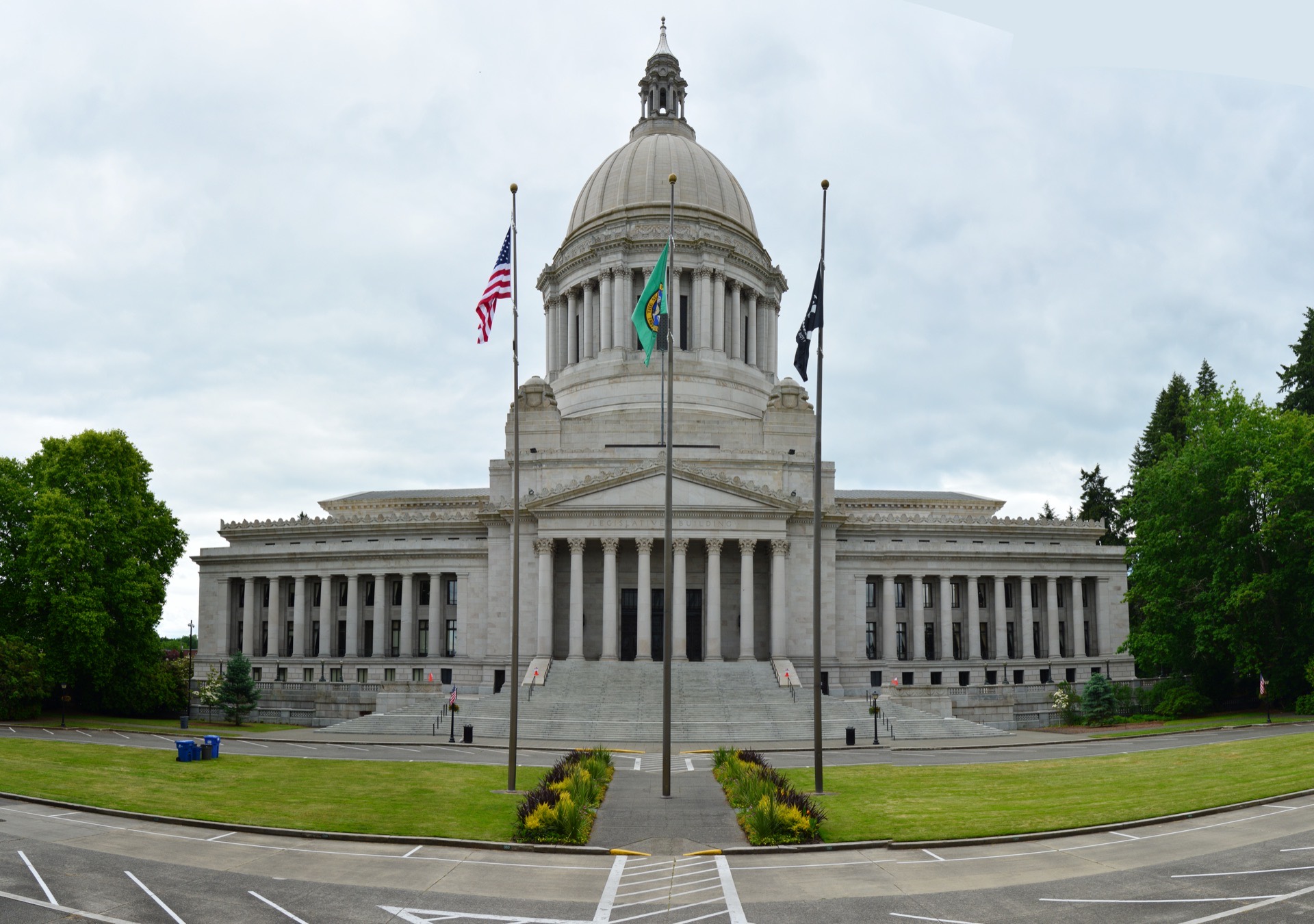
Olympia sits at the southernmost tip of Puget Sound where Capitol Lake feeds into Budd Inlet, a geography that has defined the city's character as much as any institution. The 287-foot marble dome of the Legislative Building dominates the skyline, but the real pulse comes from Capitol Hill's more bohemian cousin — a compact downtown where record stores and tattoo parlors sit alongside state agencies, where a senator queues behind a teenager in a Melvins shirt at the espresso counter. The Evergreen State College, perched just north of downtown, has infused the city with a DIY ethos that kept Olympia from becoming a sterile government town; instead it birthed an all-ages music scene that launched Bikini Kill and Sleater-Kinney, an alternative bookstore culture that refused to fade, and a creative class that treats the city as a living experiment.
The waterfront is the city's most underrated asset. From downtown, you can kayak into Capitol Lake and spot harbor seals hauling out on pilings, or drive 15 minutes south to Totten Inlet and Eld Inlet where oyster farms supply some of the best shellfish on the West Coast. Priest Point Park, an 763-acre forested headland on the east side of town, descends through old-growth Douglas fir to rocky tidal beaches where you can search for sea stars and anemones. The Olympic Mountains loom across the water to the northwest — on clear days, the view from the Capitol campus rivals anything in Puget Sound.
Downtown Olympia is consciously small and walkable by design. Fourth and Fifth Avenues form the spine, lined with independent businesses that have survived by refusing to sell out: Danger Room Comics, The Orca Books collective, vintage clothing shops, and coffee houses where you're just as likely to overhear a conservation debate as a bill discussion. The neighborhood feels intentionally retro in the best way — not nostalgic, but genuinely preserved. The Olympia Farmers Market, operating since 1953, anchors the north waterfront with producers, foragers, and musicians every Thursday through Sunday from spring through fall, making it less a transaction and more a weekly civic ritual.
Top Things to Do in Olympia
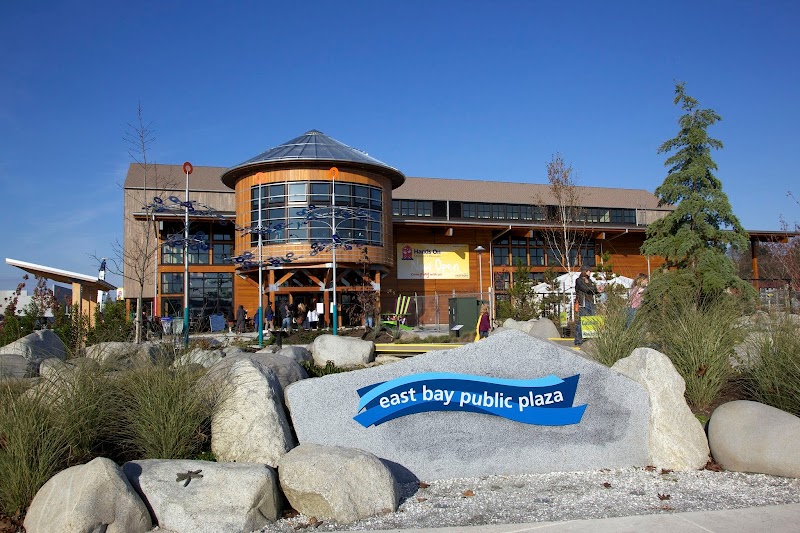
Olympia Farmers Market
Operating since 1953 and running Thursday-Sunday April through October (weekends only November-December), this is one of the Pacific Northwest's premier farmers markets. You'll find Nisqually Valley produce, Puget Sound oysters still in their shells, chanterelle and matsutake mushrooms foraged from local forests, artisan breads, and live music from local musicians. Go early on Saturday morning before the crowds, and plan to spend at least two hours browsing.
Washington State Capitol Campus
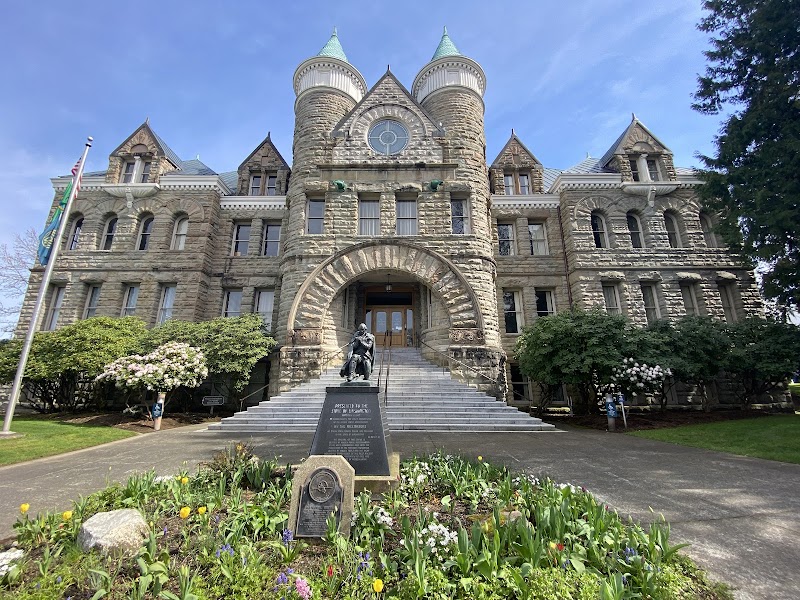
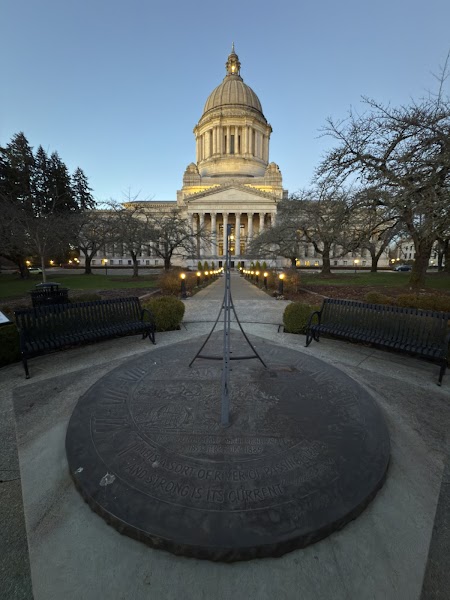
The 287-foot marble dome of the Legislative Building is the tallest masonry dome in North America, and free guided tours (weekdays year-round, weekends in summer) walk you through New Deal-era murals, imported Italian marble, and the stunning rotunda. The surrounding 32-acre campus includes a sunken rose garden, manicured lawns with Olympic Mountain views, and the smaller Temple of Justice building. The grounds alone justify a morning visit, even if you skip the tours.
Priest Point Park
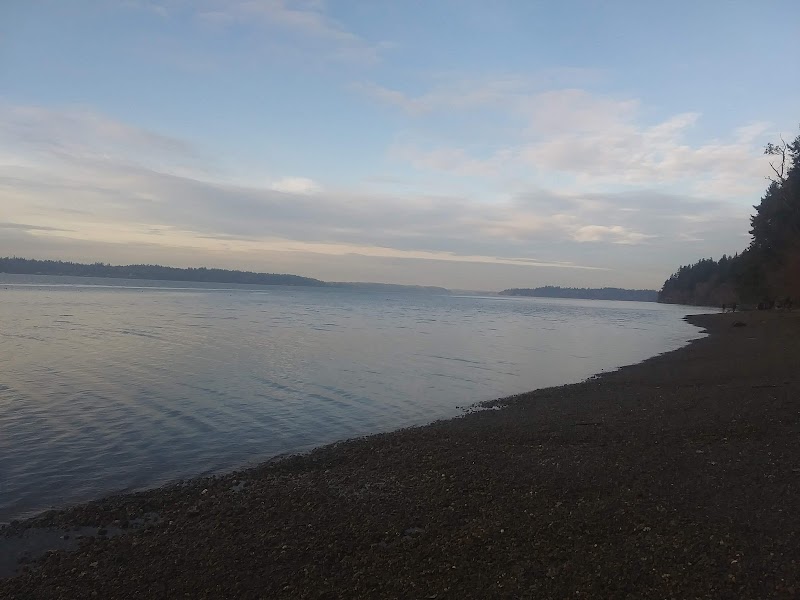
This 763-acre forested headland at the east end of town offers the best easy access to Olympia's waterfront. The Ellis Cove loop is a 3-mile walk through old-growth Douglas fir and western red cedar that drops to rocky beaches where you can explore tide pools and watch harbor seals. Go at low tide for the fullest experience, and bring binoculars for bald eagle spotting.
Capitol Theater
This restored 1924 movie palace on Fifth Avenue hosts touring indie musicians, comedy shows, film screenings, and local theater productions. The interior is genuinely beautiful — ornate plasterwork and a functioning pipe organ — and the programming is decidedly local-friendly. Check what's on before you visit; this is where Olympia's creative community gathers.
Le Voyeur & Obsidian Live Music Venues
These adjacent downtown clubs on West Bay Street form the backbone of Olympia's indie music scene. Le Voyeur is the older, grittier space that hosts touring indie bands and local acts most weeknights, while Obsidian offers a slightly larger room for bigger shows. This is where you'll encounter the living legacy of the Olympia music scene — check their calendars online and plan an evening around whoever's playing.
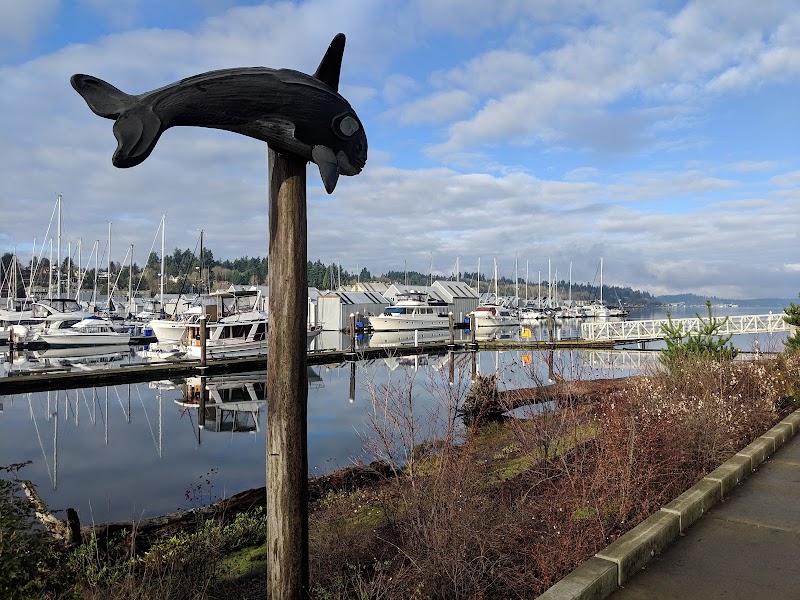
Tumwater Falls Park
Just 20 minutes south of downtown on the Deschutes River, these cascading waterfalls drop through a series of moss-covered pools surrounded by forest trails. The real draw is September through November, when you can watch Chinook and coho salmon leaping up the fish ladders during spawning season. The park is free, lightly visited, and offers a window into the salmon runs that sustained Indigenous peoples here for millennia.
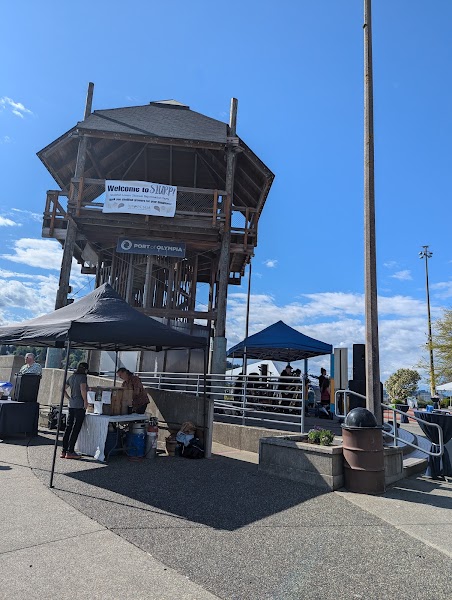
Budd Inlet Shellfish Tour & Kayaking
Paddle out from downtown Olympia or drive 20 minutes south to Totten Inlet and Eld Inlet, where you can kayak among active oyster and geoduck farms. Several local outfitters (Osprey Paddling and Springtide Sea Kayaking) offer guided tours that combine paddling with oyster farm visits and education about sustainable shellfish harvesting. Low tide is best for exploring, and calm spring and early summer days are ideal.
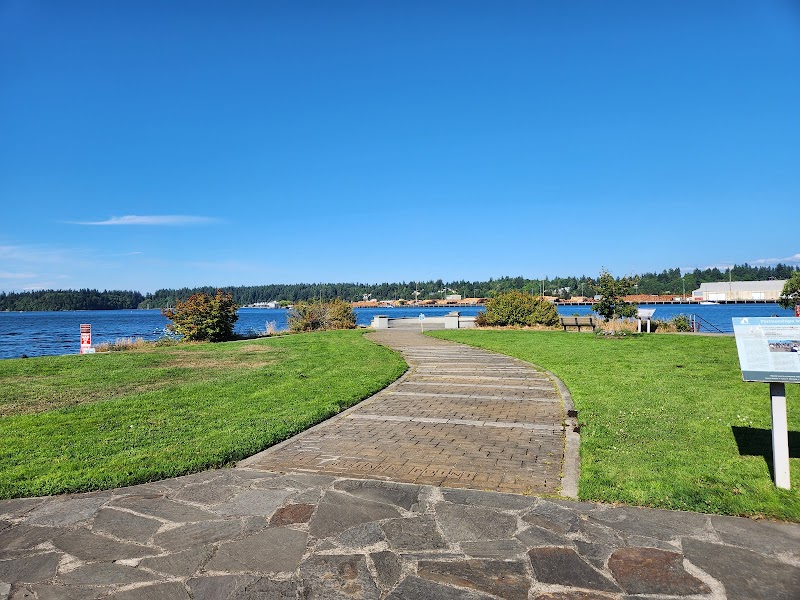
The Evergreen State College Campus & Red Square
Perched just north of downtown, Evergreen's 1,000-acre forest campus is open to visitors and worth exploring. Red Square, the central plaza, is designed in the tradition of Italian piazzas and hosts community events, farmer's market overflow, and casual gatherings. The college's library, bookstore, and galleries showcase the institution's progressive art and design legacy. The feeling is conspiratorial — you're walking through the birthplace of the Olympia Sound.
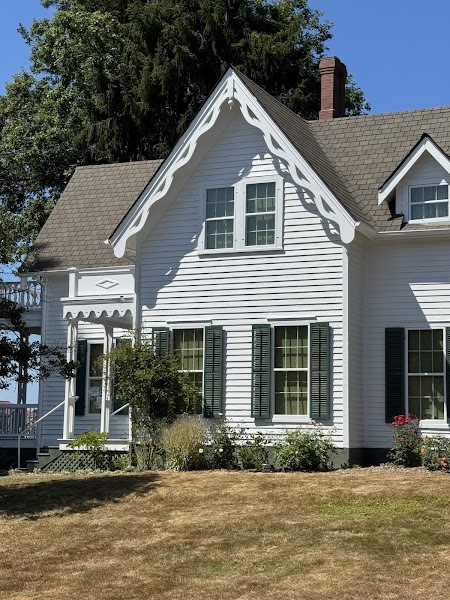
South Capitol Neighborhood Historic Walk
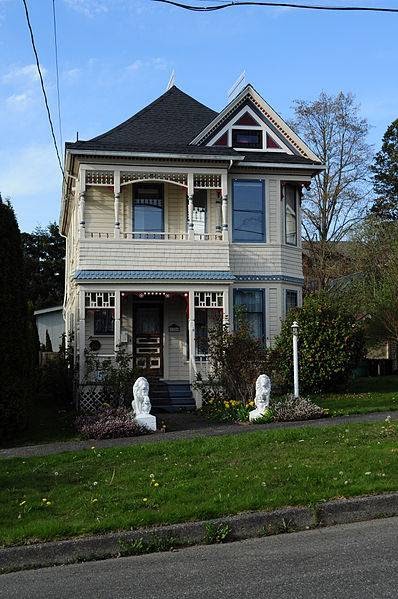
South of downtown, between Capitol Way and Washington Street, lies a collection of beautifully preserved Craftsman and Victorian homes from the early 1900s, set beneath towering oaks and maples. This neighborhood feels like stepping into a different era. Walk around on a Saturday morning, grab coffee at a neighborhood cafe, and appreciate how Olympia has resisted the architectural homogenization that flattened other small cities.
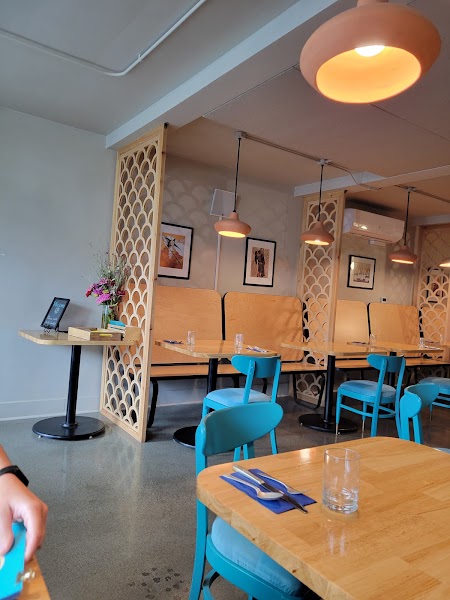
Garfield Nature Trail & Swan Lake
This 3.2-mile loop in the northern part of town circles Swan Lake through mixed forest and opens onto views of the lake and distant mountains. It's quieter than Priest Point, perfect for morning walks, and the lake is a reliable spot for bird watching — great blue herons, osprey, and waterfowl year-round. Parking is free at the trailhead off Conger Drive Northwest.
Neighborhoods & Districts
Downtown Core (Fourth & Fifth Avenues)
Walkable, quirky, and unapologetically indie — this is where government workers and creative types intersect in coffee shops and record stores.
Danger Room Comics (long-running shop with rare issues and a devoted community), The Orca Books collective, vintage clothing at Scarlet Moon and Avalon Vintage, espresso at Batdorf & Bronson (roasting since 1968), and dinner at Traditions or sushi at Koi Fusion.
South Capitol Historic District
Tree-lined and residential with early-1900s Craftsman homes, mature oaks, and a feeling of unhurried permanence.
Walking tours of Victorian and Craftsman architecture, the neighborhood coffee shops and small galleries, views toward the Capitol campus, and proximity to the waterfront parks via short drives.
Eastside (around Priest Point Park)
More affluent and residential, but with easy access to the city's best natural area and waterfront trails.
Priest Point Park's 763 acres and tide pools, the nearby Evergreen Rotary Park for picnicking with Sound views, and the quieter residential feel that makes for peaceful morning walks.
Waterfront & Capitol Campus
Civic and grand, with government buildings, manicured parks, and views across Capitol Lake to the Olympics.
The Capitol Building tours and campus walks, the farmers market (Thursday-Sunday), waterfront kayaking, and sunset views from the lakeside paths.
Food & Drink
Olympia's food scene punches above its weight, shaped by the Puget Sound's shellfish bounty, Nisqually Valley's agriculture, and a culinary community that refuses chain restaurants. Oysters are non-negotiable — the Totten and Eld Inlets south of the city produce some of the West Coast's finest, served raw at farmers market stalls and in local restaurants. The city also has a strong coffee culture inherited from the grunge era and Evergreen College's bohemian roots. You'll find excellent Vietnamese pho shops downtown, creative farm-to-table cuisine, and bakeries that supply the entire region. The vibe is unpretentious: you're eating serious food prepared by people who care, not impressing anyone.
Traditions Restaurant
Farm-to-table fine dining in a historic building on Fifth Avenue, with seasonal menus that lean heavily on Nisqually Valley produce and Puget Sound seafood. The oyster preparations are revelatory, and the wine list is thoughtfully curated.
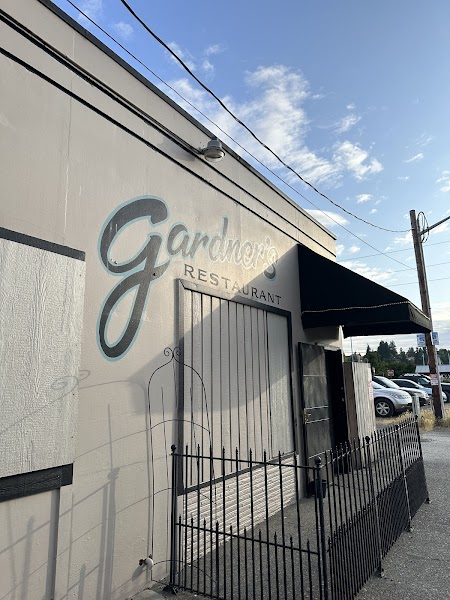
Batdorf & Bronson Coffee House
A downtown institution since 1968, this coffee roaster operates its original café with high ceilings, a serious espresso program, and a cultural significance that can't be overstated — it's where the grunge-era Olympia scene germinated.
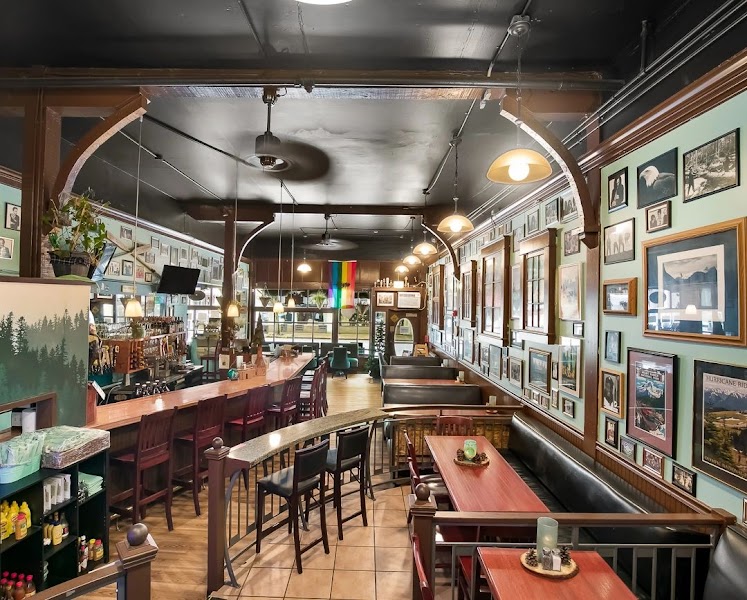
Oyster House (Totten Inlet)
A 20-minute drive south of downtown puts you at working oyster farms where you can buy fresh shells and eat at picnic tables overlooking the inlet. Stop at any of the farm stands along the inlet road for the freshest oysters you'll ever taste, often cheaper than restaurants.
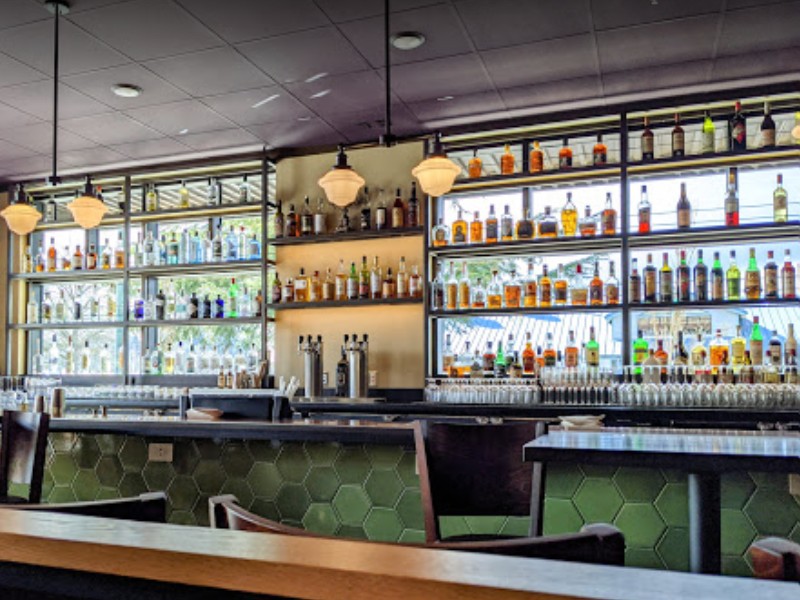
Koi Fusion
Downtown Korean fusion spot that's become a local favorite for bibimbap, Korean fried chicken, and creative fusion bowls. It's casual, affordable, and reflects Olympia's growing culinary diversity.
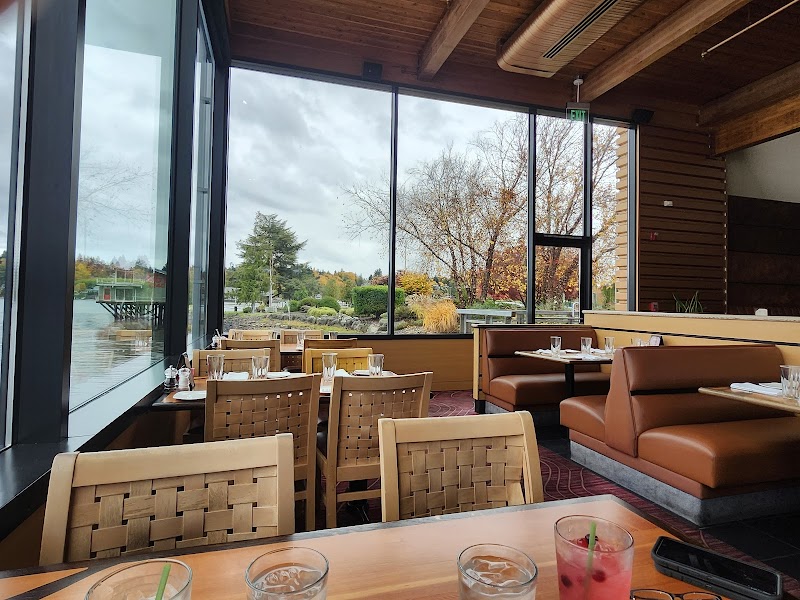
Farmer's Market Oyster Stalls (Thursday-Sunday, April-October)
Vendors shuck fresh oysters to order and serve them with mignonette and hot sauce at the waterfront market. Eating oysters while watching the Olympics and hearing live music is about as good as Puget Sound hospitality gets.
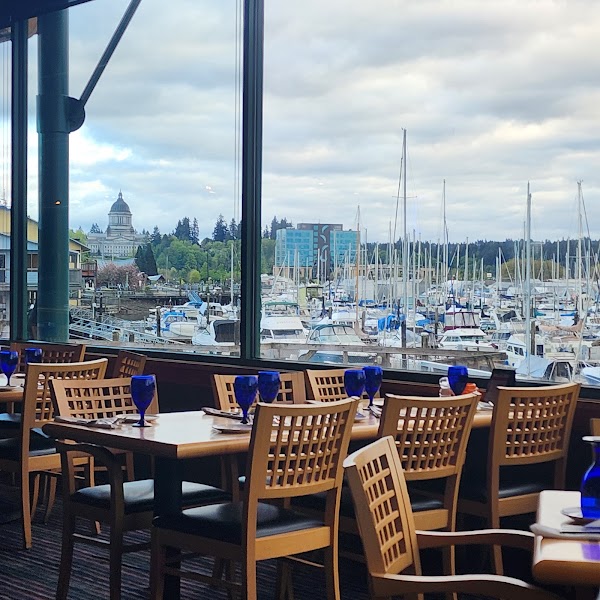
Grand Ol' Creamery
Old-school ice cream parlor on Fourth Avenue that's been operating since 1920. The ice cream is made fresh in-house, and the sundaes are generously proportioned — a post-dinner tradition for locals.
When to Visit Olympia
spring
April and May are when Olympia truly awakens. The Farmers Market reopens with full Thursday-Sunday hours, wildflowers bloom on the Capitol campus and in Priest Point Park, and the rain finally breaks into sunny afternoons. This is also the height of the legislative session (odd years), so downtown fills with visitors and political energy. Expect mild weather (50-60°F) and bring layers.
summer
June through August offers the most reliably sunny weather and the best time for waterfront activities — kayaking in Capitol Lake, exploring Totten Inlet shellfish farms, and walking Priest Point's tidal beaches. The Farmers Market is at peak abundance, outdoor music venues thrive, and the Capitol Theater's concert schedule is packed. Late June to early July can be surprisingly warm (70-75°F), though rain is always possible.
fall
September through November is arguably the best time to visit. The weather is mild and often clear, salmon runs fill Tumwater Falls and the Deschutes River, and the forest trails are gorgeous with fall colors. The Farmers Market continues through October with mushrooms, apples, and preserves. Octoberfest celebrations happen downtown, and there's a contemplative, less-touristy vibe.
winter
December through February is quiet and rainy — typical Puget Sound winter. The Farmers Market scales back to weekends only. While the weather is dreary, the city is less crowded, galleries and venues feel more intimate, and the Legislative Building offers tours. The Capitol campus is beautiful even in gray weather, and holiday decorations light up downtown through early January.
Getting There
Seattle-Tacoma International Airport (SeaTac) is 60 miles north, about 90 minutes by car. From Seattle, take I-5 south for 60 miles directly to Olympia — it's the straightforward drive. Amtrak's Cascades train runs from Seattle to Olympia's historic depot near downtown (2.5 hours), offering a more scenic alternative. From Tacoma, it's 30 miles south on I-5. If you're coming from the Olympic Peninsula, the Kitsap Transit ferry from Bremerton arrives near downtown. Local transit is limited but walkable downtown; a car is helpful for reaching Priest Point Park and the inlet oyster farms.
Insider Tips
Time your visit around the Farmers Market's peak Saturday morning (8am-noon April-October) — arrive early for the best oysters and mushroom selection, and stay for live music on the waterfront plaza.
Skip the downtown chain restaurants and ask locals where they actually eat — you'll discover Vietnamese pho shops downtown and small neighborhood cafes that tourists never find.
Drive south to Totten and Eld Inlets on a low-tide afternoon and buy oysters directly from the farms — they're half the price of restaurants and infinitely fresher.
The Capitol Building's marble dome is stunning, but the real architectural treat is the rotunda interior. Take a tour on a weekday morning when it's quiet and the light hits the skylights perfectly.
Priest Point Park's Ellis Cove trail is best visited at low tide when you can explore rocky tide pools. Check tide tables online and plan accordingly.
The Evergreen State College's Red Square and campus are open to visitors and feel refreshingly different from typical college walks — explore without guilt, especially the bookstore and galleries.
Where to Stay in Olympia
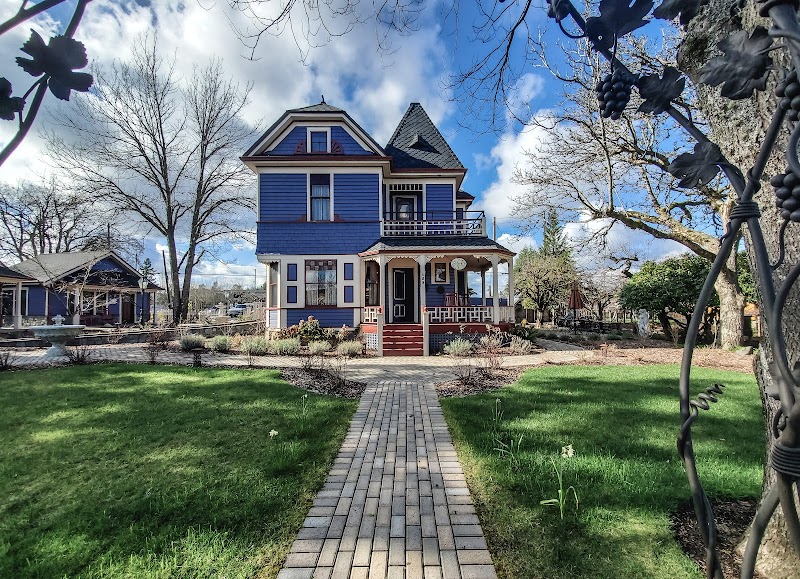
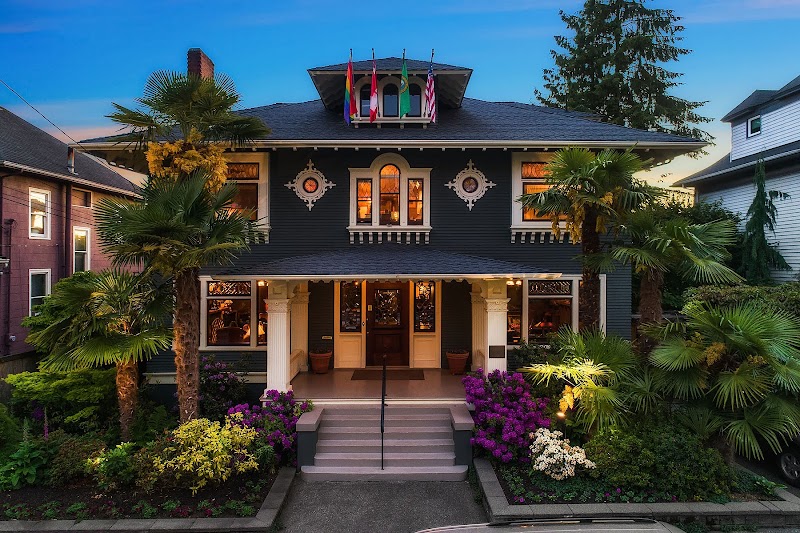
The Marie Bed & Breakfast
123 Cushing St NW, Olympia, WA 98502, USA
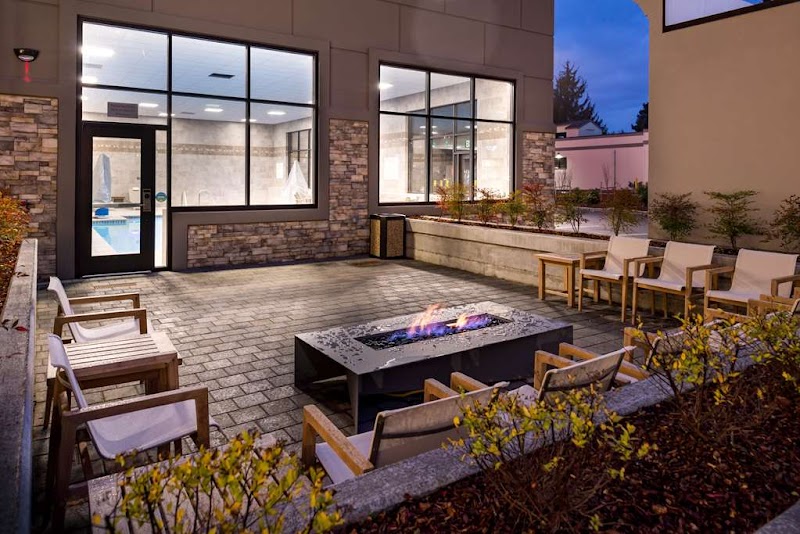
Hampton Inn & Suites Olympia Lacey
4301 Martin Way E, Olympia, WA 98516, USA
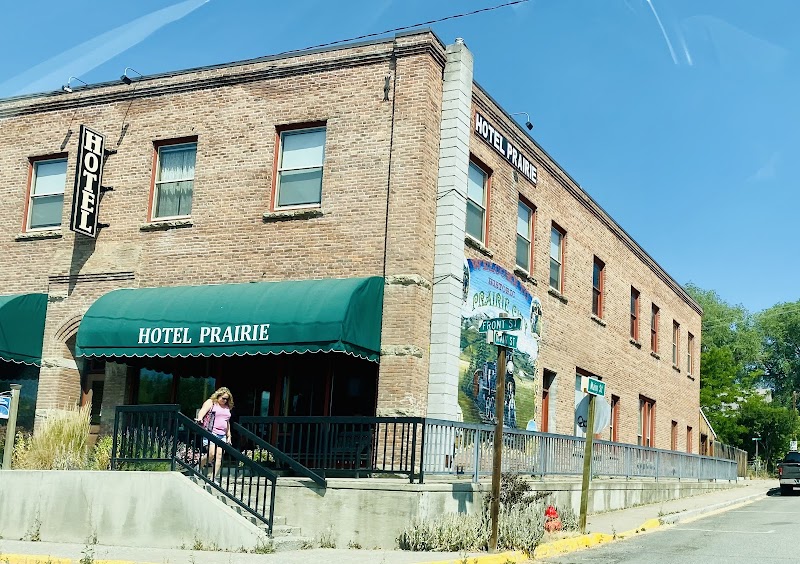
Prairie Hotel
700 Prairie Park Ln SE, Yelm, WA 98597, USA
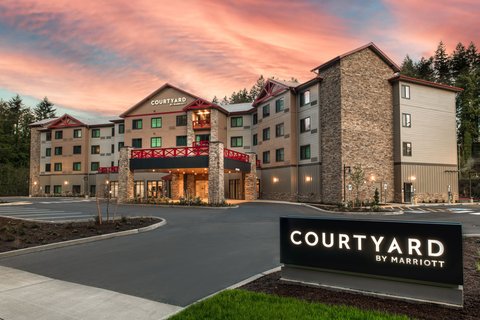
Courtyard by Marriott Olympia
2301 Henderson Park Ln SE, Olympia, WA 98501, USA