Puget Sound
Tacoma
Industrial grit meets world-class art on the Sound
Population
219,000
Region
Puget Sound
Known For
Transforming its working-class waterfront into a destination anchored by exceptional museums, glass art, and views of Mount Rainier.
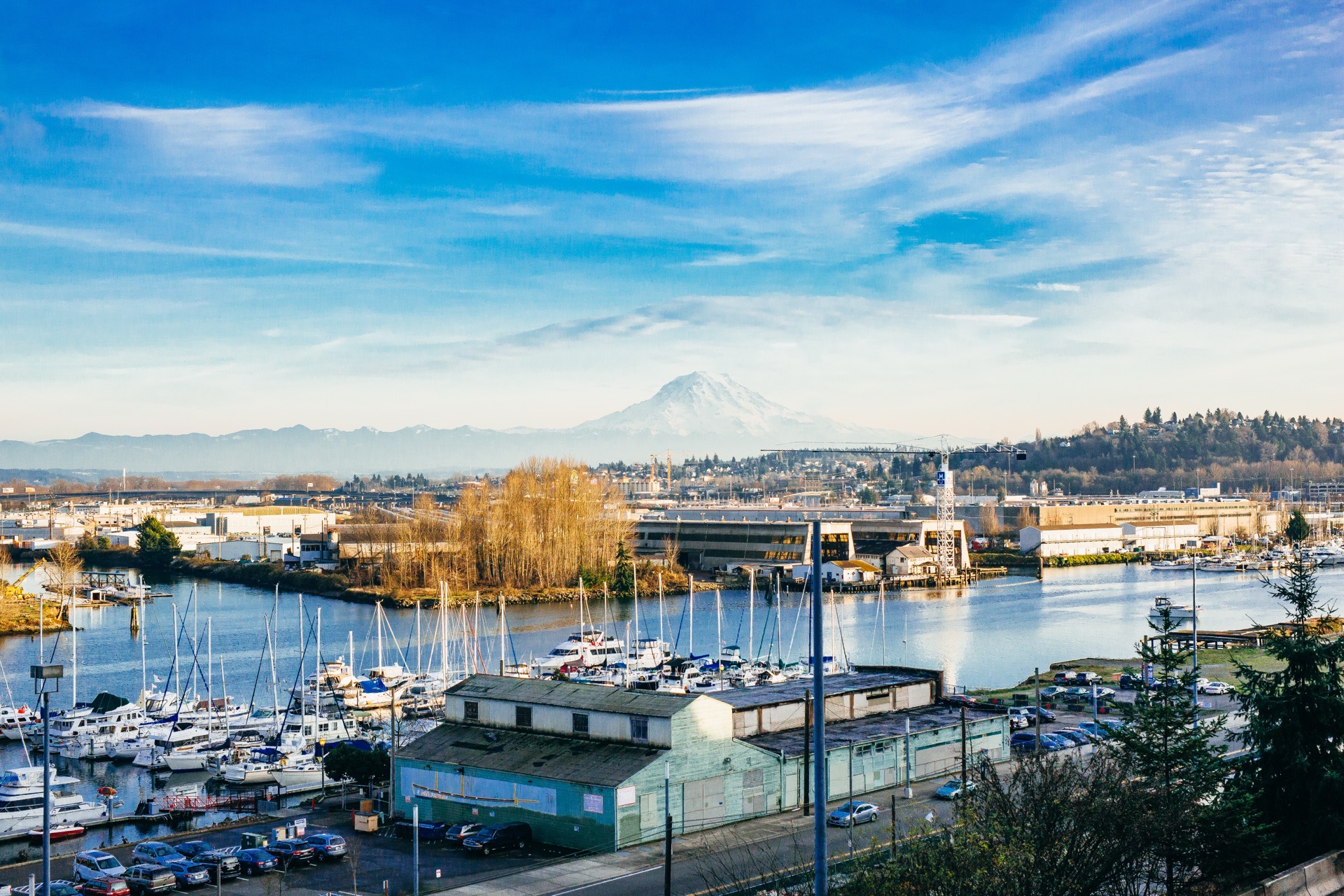
Tacoma sits at the southern curve of Puget Sound, a city built on the bones of lumber mills, copper smelters, and shipping docks that gave it character most newer Pacific Northwest cities lack. The landscape rolls in forested hills down to Commencement Bay, where industrial heritage meets carefully curated cultural ambition. Unlike Seattle's polished veneer, Tacoma wears its history honestly — the Stadium District's brick buildings and Art Deco storefronts now house independent cafes and galleries, not corporate chains. Mount Rainier dominates the eastern horizon, visible from almost everywhere on clear days, a reminder that this is a working city with serious natural drama.
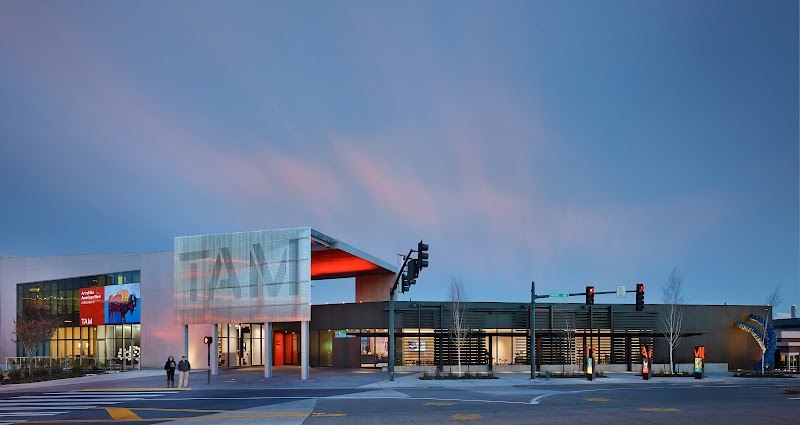
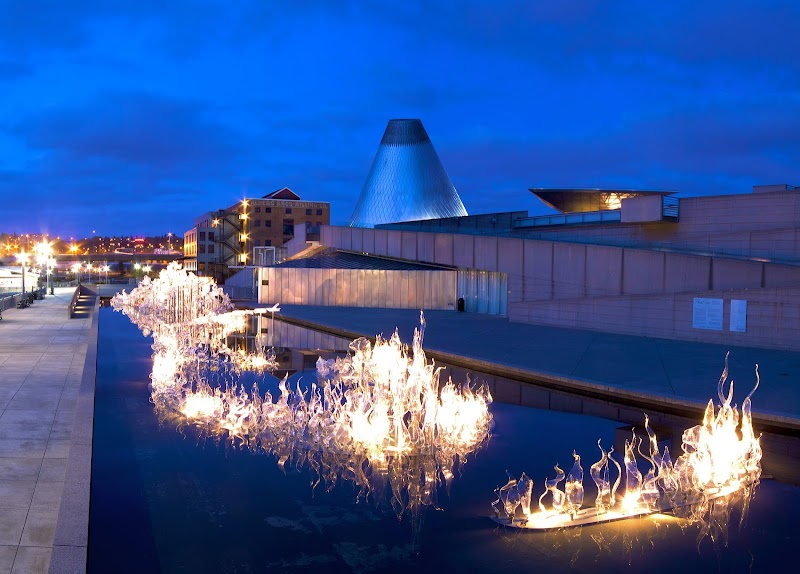
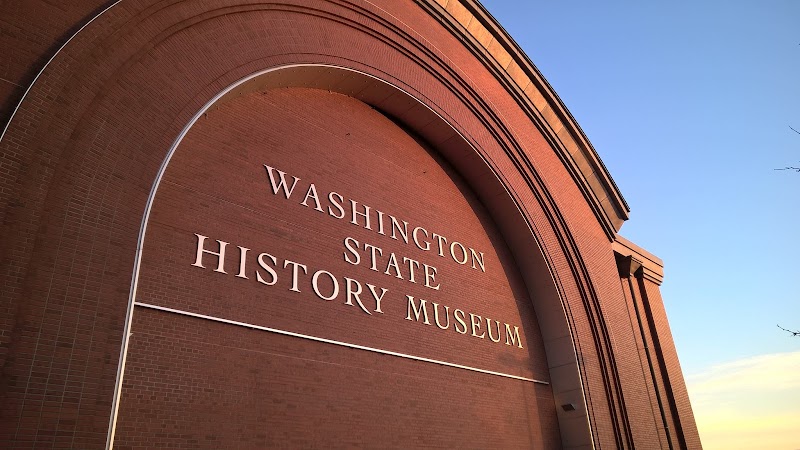
The city's transformation began with a bet on museums and glass art. Dale Chihuly, the world's most famous glass artist, grew up in Tacoma, and the city embraced that connection with the Museum of Glass and the Bridge of Glass — a 500-foot pedestrian bridge lit with Chihuly installations that connects downtown to the waterfront. The Museum District along Pacific Avenue rivals anything in the region for density and quality, anchored by the Museum of Glass, Tacoma Art Museum, and Washington State History Museum. This isn't Vegas-style tourism; it's a genuine civic commitment to culture.
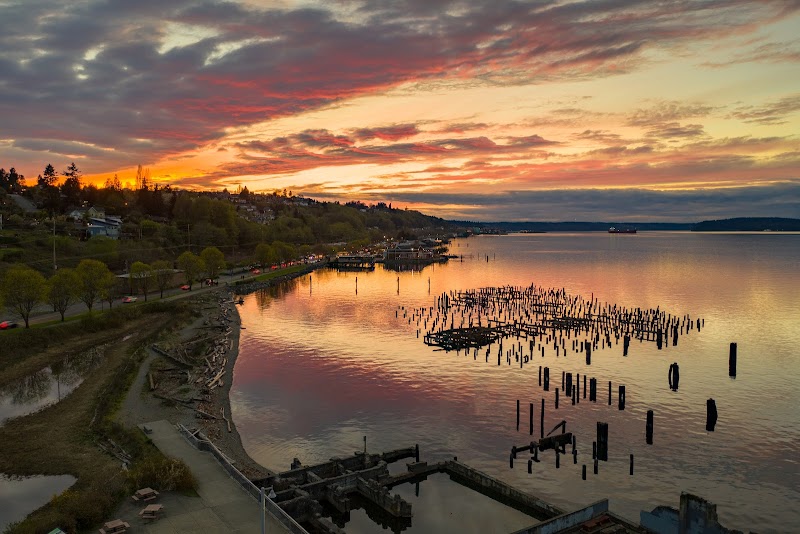
The waterfront along Ruston Way has become Tacoma's living room — a two-mile paved trail with parks, public art, and restaurants where you can eat fish and chips while ferries slice across the Sound. Point Defiance Park, a 760-acre sprawl of old-growth forest, waterfront, and attractions, is one of the best urban parks in the Pacific Northwest. The food scene has matured beyond tourist expectations: Spanish wine bars, neighborhood ramen shops, and farm-to-table spots run by people who chose Tacoma deliberately, not because Seattle got too expensive.
Top Things to Do in Tacoma
Museum of Glass
Watch artisans blow molten glass at 2,000 degrees in the signature cone-shaped hot shop — demonstrations run throughout the day and never lose their hypnotic appeal. The rotating galleries move far beyond Chihuly into contemporary glass work from Japan, Australia, and Europe. Budget 2-3 hours minimum; the gift shop is excellent but dangerous for your credit card.
Bridge of Glass and Museum District Walk
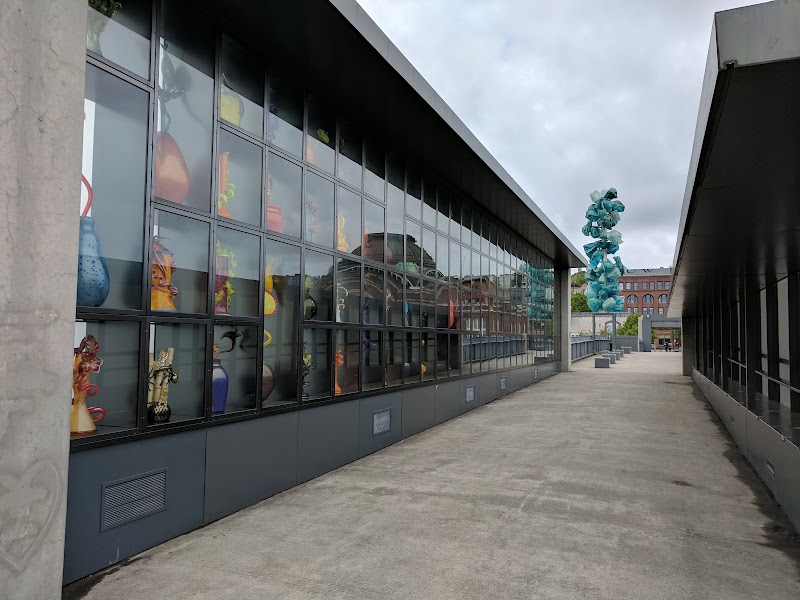
Start downtown and walk the 500-foot pedestrian bridge lined with Chihuly's illuminated glass installations, especially stunning at dusk. Cross into the Tacoma Art Museum for Pacific Northwest artists and rotating contemporary shows, then hit the Washington State History Museum for surprisingly excellent exhibits on Native history and aerospace heritage. This three-museum stretch is walkable and can fill a full day.
Point Defiance Park and Five Mile Drive
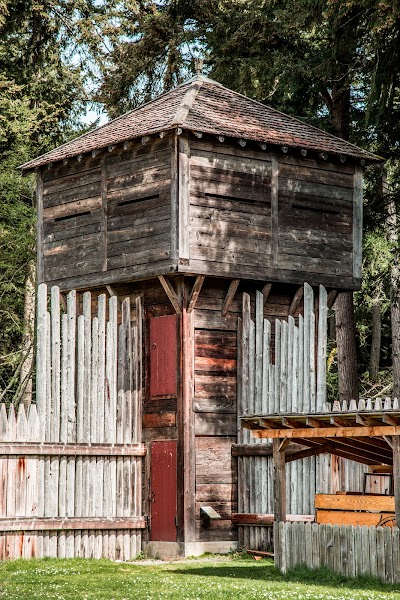
Drive or bike the Five Mile Drive loop through 760 acres of old-growth forest with pullouts offering views of the Narrows, Vashon Island, and the Olympic Mountains. Stop at Owen Beach for a walk on the pebbled shore, or visit the Point Defiance Zoo & Aquarium if you're traveling with kids. Fort Nisqually, a restored Hudson's Bay Company trading post from the 1830s, sits at the park's tip with water views and quiet history.
Ruston Way Waterfront Trail
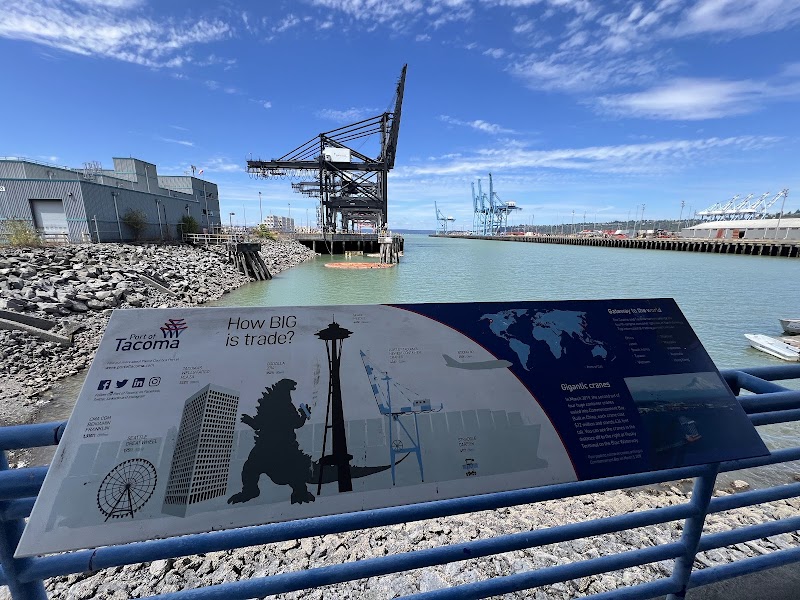
Walk or bike the paved two-mile stretch from the Museum District to Point Defiance, stopping at parks, public art installations, and restaurants along the way. The trail offers constant views of Commencement Bay, the Narrows, and Mount Rainier when skies clear. Early morning or sunset is prime time; weekday afternoons are quieter than weekends.
Vashon Island Day Trip
Take the 15-minute ferry from Point Defiance to an island with no stoplights, farm stands, quiet country roads, and a genuinely different pace than the Sound's mainland cities. Rent bikes or drive slowly; stop at local farms, galleries, and cafes. The ferry itself is part of the experience — watch the water traffic and wildlife from the deck.
Stadium District Exploration
Walk the neighborhood centered on the castle-like Stadium High School (yes, from *10 Things I Hate About You*) and surrounding brick buildings now full of independent shops, bakeries, and cafes. Brew shops, vintage stores, and quirky galleries line the streets; the vibe is genuinely local and unpretentious. Saturday mornings are best for browsing.
Wright Park Arboretum
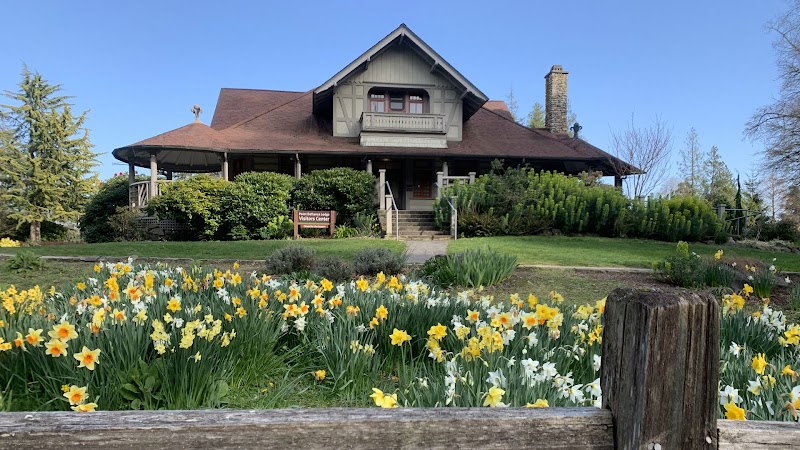
One of the oldest arboretum collections in the U.S., with 270 acres of specimen trees, walking trails, and surprisingly few crowds. Spring (April-May) brings rhododendrons and flowering cherries; fall foliage is excellent in October. It's a peaceful counterpoint to busier parks, perfect for a quiet afternoon.
6th Avenue Corridor Food and Wine Tour
The stretch of 6th Avenue between Pine and Fawcett streets has become Tacoma's most interesting eating and drinking block — wine bars, ramen shops, coffee roasters, and small plates spots that represent the city's independent restaurant culture. Walk from place to place and discover what locals are actually talking about. Weeknight visits are quieter than weekends.
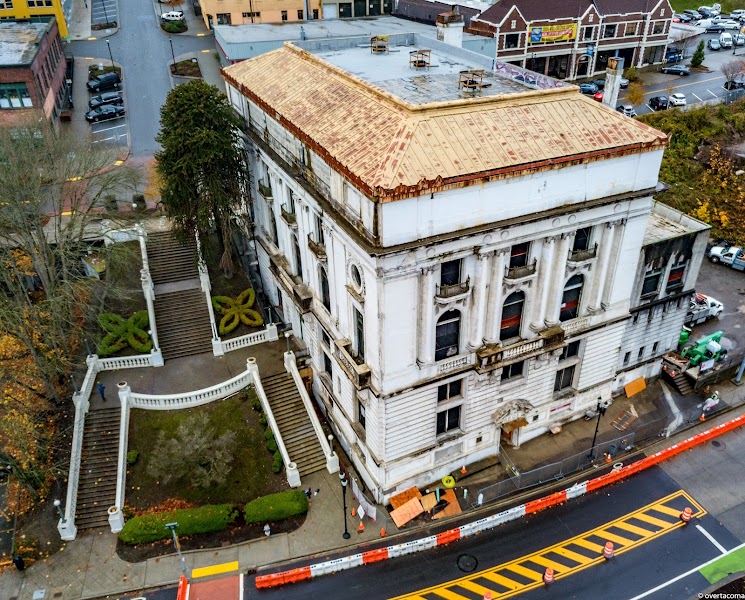
LeMay Car Museum
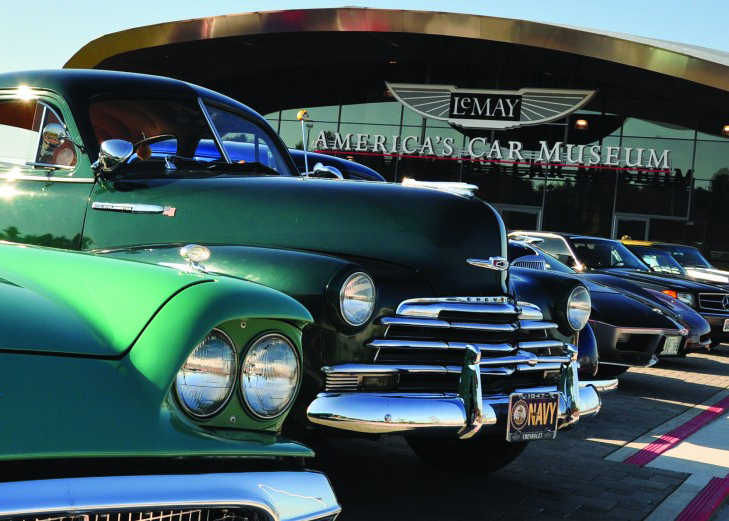
One of the world's best private car collections housed in a building designed to mimic a French villa, with rotating exhibits of vintage and classic vehicles. Even if cars don't excite you, the craftsmanship and design are undeniable. Plan 2-3 hours; the café is solid.
Old Town Tacoma and Maritime Heritage
Explore the blocks around the waterfront where Tacoma's original commercial core developed, now being carefully restored. Original storefronts, Victorian buildings, and working maritime businesses share the space. The Tacoma Maritime Museum tells the city's shipping history with actual artifacts and good storytelling.
Neighborhoods & Districts
Stadium District
Historic, walkable, and genuinely local — brick Victorians and Craftsman homes mixed with independent shops and cafes, centered on the iconic 1906 Stadium High School.
Stadium High School itself (take a selfie), browse vintage shops and bookstores on N. 4th Street, coffee at local roasters like Blanca's, dinner at restaurants run by people who chose Tacoma deliberately
6th Avenue Corridor
Tacoma's emerging food and wine destination — warehouse-style spaces converted into wine bars, ramen shops, and restaurants with serious culinary ambition but zero pretension.
Wooden City for wine and small plates, En Rama for Spanish food, Maya's Tacos for authentic street tacos, multiple independent coffee roasters within walking distance
Downtown/Museum District
Arts-focused and increasingly residential, anchored by museums and the Bridge of Glass, with galleries, loft apartments, and waterfront access via the Ruston Way trail.
Museum of Glass, Bridge of Glass, Tacoma Art Museum, Washington State History Museum, starting point for the Ruston Way trail to Point Defiance
Proctor District
Neighborhood village with a strong community identity, centered on the small commercial area along N. Proctor Street with local shops, restaurants, and a genuine sense of place.
Local restaurants and cafes that serve the neighborhood, independent shops, small parks, quieter and more residential than Stadium or the Corridor
Point Defiance
Residential neighborhood anchored by the 760-acre Point Defiance Park, with water views, forest, and a slower pace than downtown areas.
Point Defiance Park itself (Five Mile Drive, Owen Beach, Fort Nisqually), Point Defiance Zoo & Aquarium, ferry to Vashon Island, Ruston Way restaurant row
Food & Drink
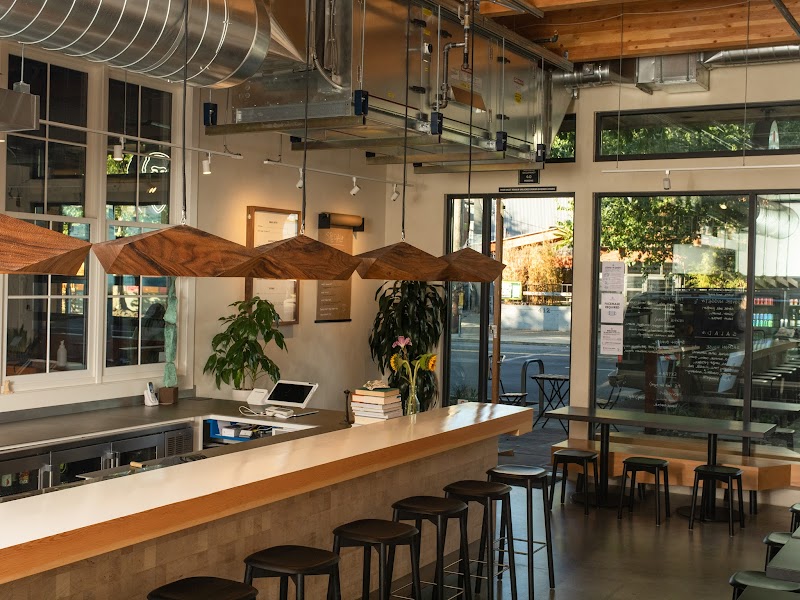
Tacoma's food scene is defined by independence rather than trends. You'll find more family-run ramen shops and Spanish wine bars than chains, with chefs and owners who moved here because they wanted to build something rather than follow a formula. The 6th Avenue Corridor has become the epicenter of this movement, but good food happens across the city — from taco stands in the neighborhoods to experimental cuisine in converted warehouses. Fresh seafood is obvious (it's a waterfront city), but the real story is the farm-to-table restaurants working with local producers and the natural wine bars treating wine like it matters. Breakfast and coffee culture is serious — multiple roasters compete for loyalty. The food isn't trying to impress Seattle; it's trying to feed Tacoma.
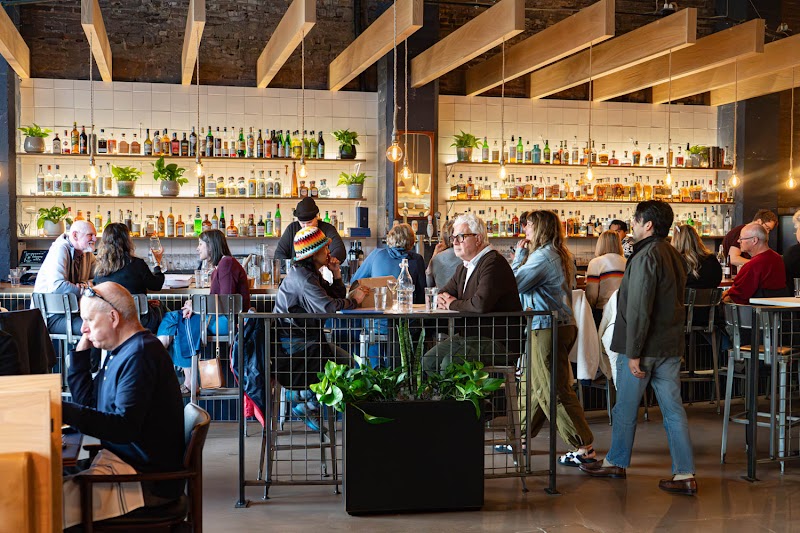
Wooden City
Wine bar on 6th Avenue with a tight, seasonal small-plates menu that changes weekly and a wine list emphasizing natural and small-production bottles. The space is minimalist and the vibe is genuinely about food and wine, not Instagram. Reservations essential; dinner only.
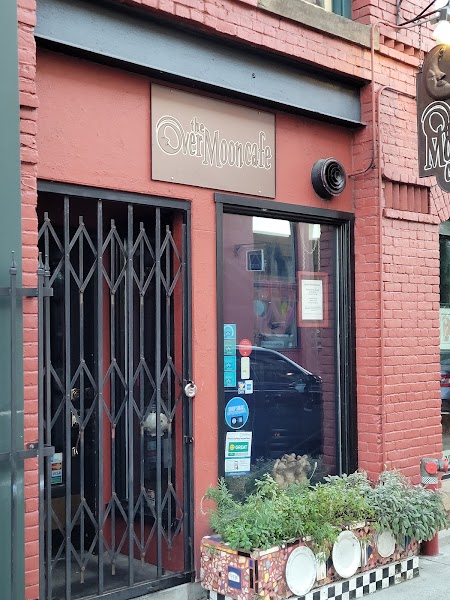
En Rama
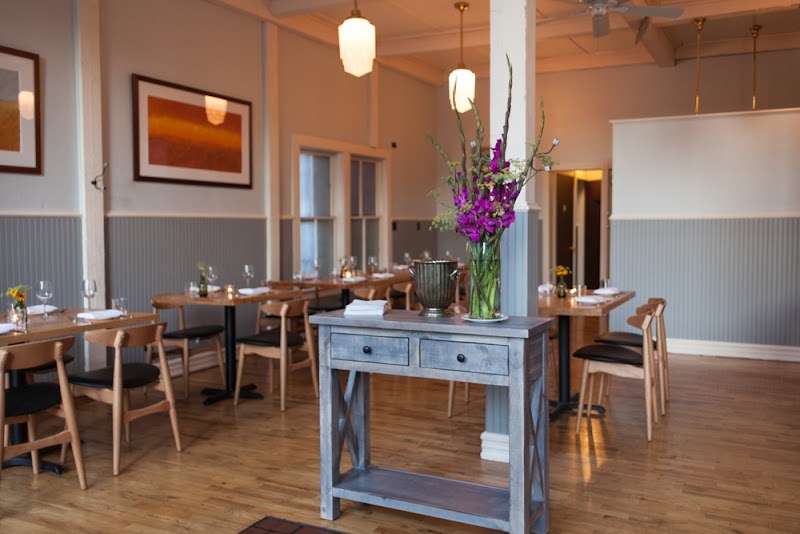
Spanish-inspired small plates and montaditos in a moody, minimal downtown space with serious wine. The chorizo and croquetas alone justify the visit; the energy is understated and sophisticated. Go hungry and order several small things.
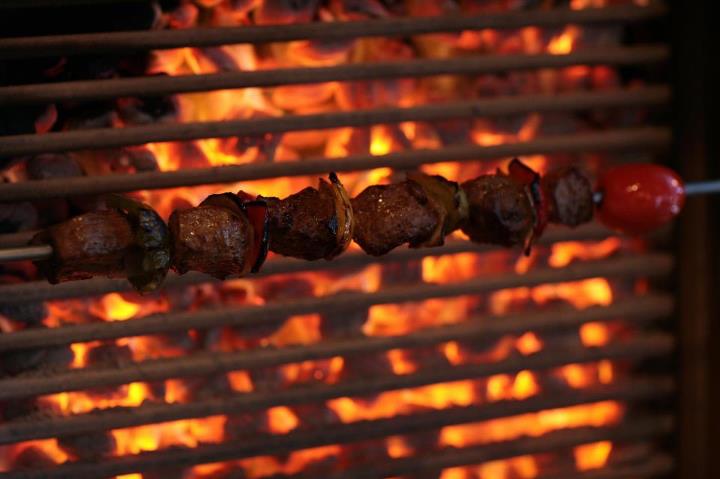
The Fish Peddler
Long-standing Ruston Way institution serving fish and chips, seafood sandwiches, and oysters with views of the Sound and Mount Rainier. Casual, tried-and-true, perfect for a waterfront lunch or casual dinner. Go early to avoid crowds.
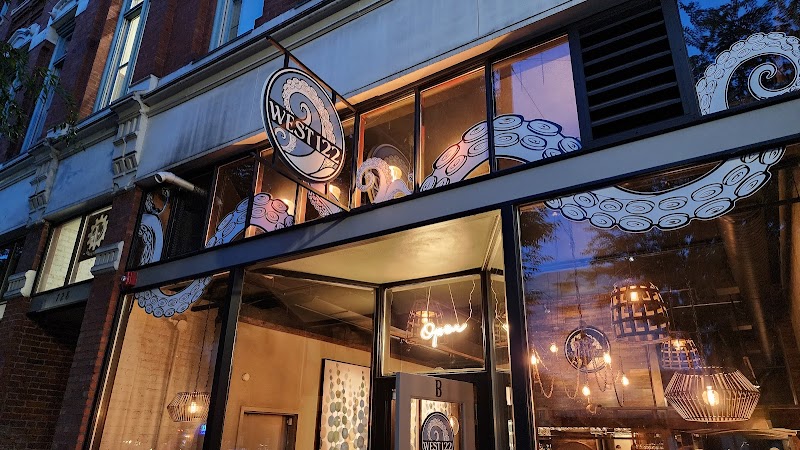
Marlaina's Burgers
Unpretentious burger stand with a loyal neighborhood following, hand-formed patties, and surprisingly good milkshakes. The kind of place that's been doing the same thing well for years and has no interest in changing.
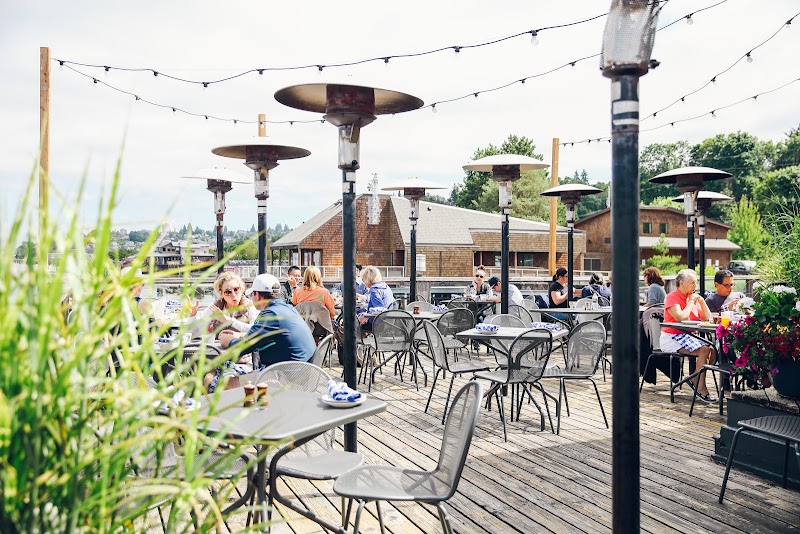
Maya's Tacos
Authentic street-style tacos from a family operation in the Hilltop neighborhood, with homemade salsas and a no-frills approach. The carnitas and al pastor are excellent; this is real food, not food-truck tourism.
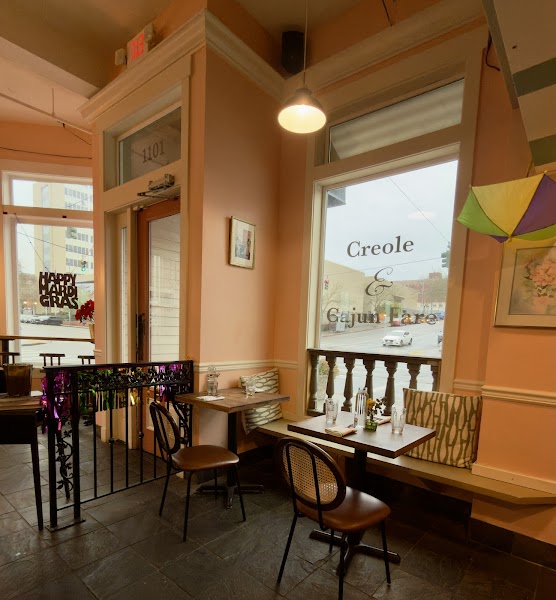
Blanca's Café
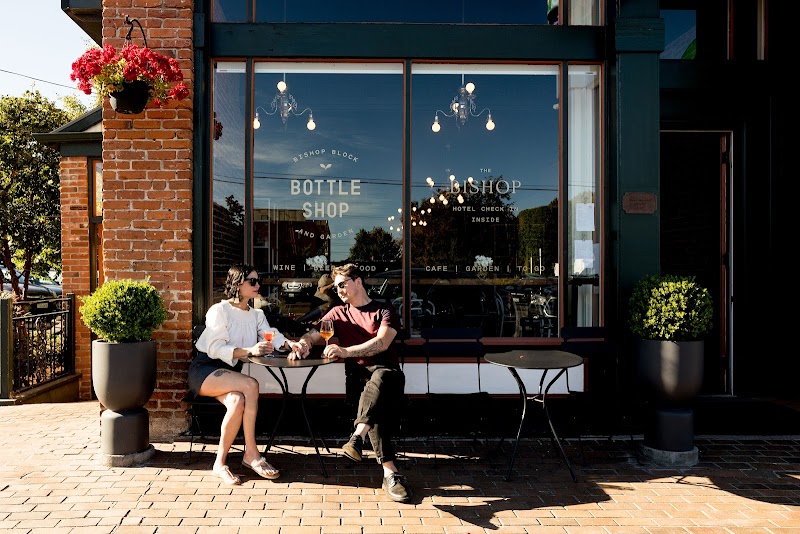
Local coffee roaster in the Stadium District where regulars are actually regular and the baristas know what they're doing. The cortado is excellent; the pastries change daily. This is where neighborhood coffee culture happens.
When to Visit Tacoma
spring
April through May brings rhododendron blooms across the city, especially stunning at Wright Park Arboretum and throughout Point Defiance Park. Days lengthen and warm up (50s-60s), making outdoor walking and the Ruston Way trail increasingly appealing. Spring is the driest season before summer rains return, so this is ideal for exploring neighborhoods on foot and cycling.
summer
June through August offers warm days (70s), low rain, and extended daylight until 9 p.m. The waterfront fills with outdoor concerts and events; restaurants expand seating onto patios and decks. Point Defiance becomes busier, but Ruston Way is perfect for evening walks with Mount Rainier views catching the long light. This is tourist season, so arrive early at museums or visit weekday mornings.
fall
September through November brings dramatic color to Wright Park and Point Defiance as maples turn orange and gold; temperatures stay pleasant (55-65) through October before November rains set in. Early fall is still busy with tourists, but October feels like you have the city to yourself. The light is photographer's gold — clean and low-angle.
winter
December through February brings gray skies, rain, and temperatures in the 40s, but crowds evaporate and the city feels genuinely local again. Mount Rainier is more visible after winter storms clear the air. Museums are perfect rainy-day activities; the waterfront is moody and quieter. Occasional snow is possible but rare; rain is the constant. Winter is when Tacoma residents outnumber visitors.
Getting There
Seattle-Tacoma International Airport (SEA-TAC) is 35-40 minutes north of downtown Tacoma via Interstate 5 — rent a car or take the Sounder commuter train ($3.50, runs weekday mornings and afternoons) or the regional bus system. Driving from Seattle proper takes 45 minutes to an hour depending on traffic. The Amtrak Cascades train connects Seattle and Tacoma (approximately 1 hour, scenic route). If you're ferry-bound, ferries to Bremerton and Bainbridge depart from near downtown Seattle, about 45 minutes north of Tacoma.
Insider Tips
Visit the Museum of Glass on weekday mornings before 11 a.m. — you'll have the place nearly to yourself, and the glassblowing demonstrations feel more intimate. Weekends and afternoons get crowded with school groups.
Walk the Bridge of Glass at twilight or after dark, not during the day — the Chihuly installations are illuminated and infinitely more striking when surrounded by darkness. This is when downtown Tacoma's ambition becomes actually visible.
Park at Point Defiance Zoo parking and walk the Five Mile Drive loop early in the morning (before 9 a.m.) when the forest is quiet and you might see deer and other wildlife. The pullouts with views are genuinely special before the foot traffic arrives.
Take the ferry to Vashon Island on a weekday rather than weekends — the island is genuinely peaceful on weekdays, and weekends bring Seattle day-trippers. The 15-minute ride is part of the charm; sit outside on the deck.
The 6th Avenue Corridor restaurants and wine bars don't take reservations, and many close by 10 p.m. or midnight — come hungry, come early, and come on weeknights if you want a table without waiting. Weekends fill up quickly.
Buy a coffee at a neighborhood roaster like Blanca's in Stadium District or local shops on 6th Avenue, not the chain spots — you'll get better coffee, support actual businesses, and have a genuinely local experience. Ask the barista about neighborhoods or restaurants; they'll steer you right.