The trail smells like mineral water before you see it. About 2.5 miles into the Boulder Creek Trail, the pools at Olympic Hot Springs appear through the old-growth canopy: shallow, steaming, stacked along the hillside in a loose natural staircase. This is one of Washington’s most satisfying backcountry day trips, a hike short enough that you can linger in the water for an hour and still make it back to Port Angeles for dinner. No attendants, no admission booth, no changing rooms. Just you, the trees, and water that comes out of the ground at around 105°F.
Why Olympic Hot Springs WA Is Worth the Drive
Olympic Hot Springs sits in a corner of Olympic National Park that most visitors miss entirely. While Hurricane Ridge and the Hoh Rain Forest draw crowds on summer weekends, the Elwha River valley stays quieter. The springs are undeveloped: no concrete pools, no locker rooms, no lighting. What you get are roughly eight natural pools terraced down a hillside, each one a slightly different temperature, ranging from warm enough for a long soak to genuinely hot near the source vents.
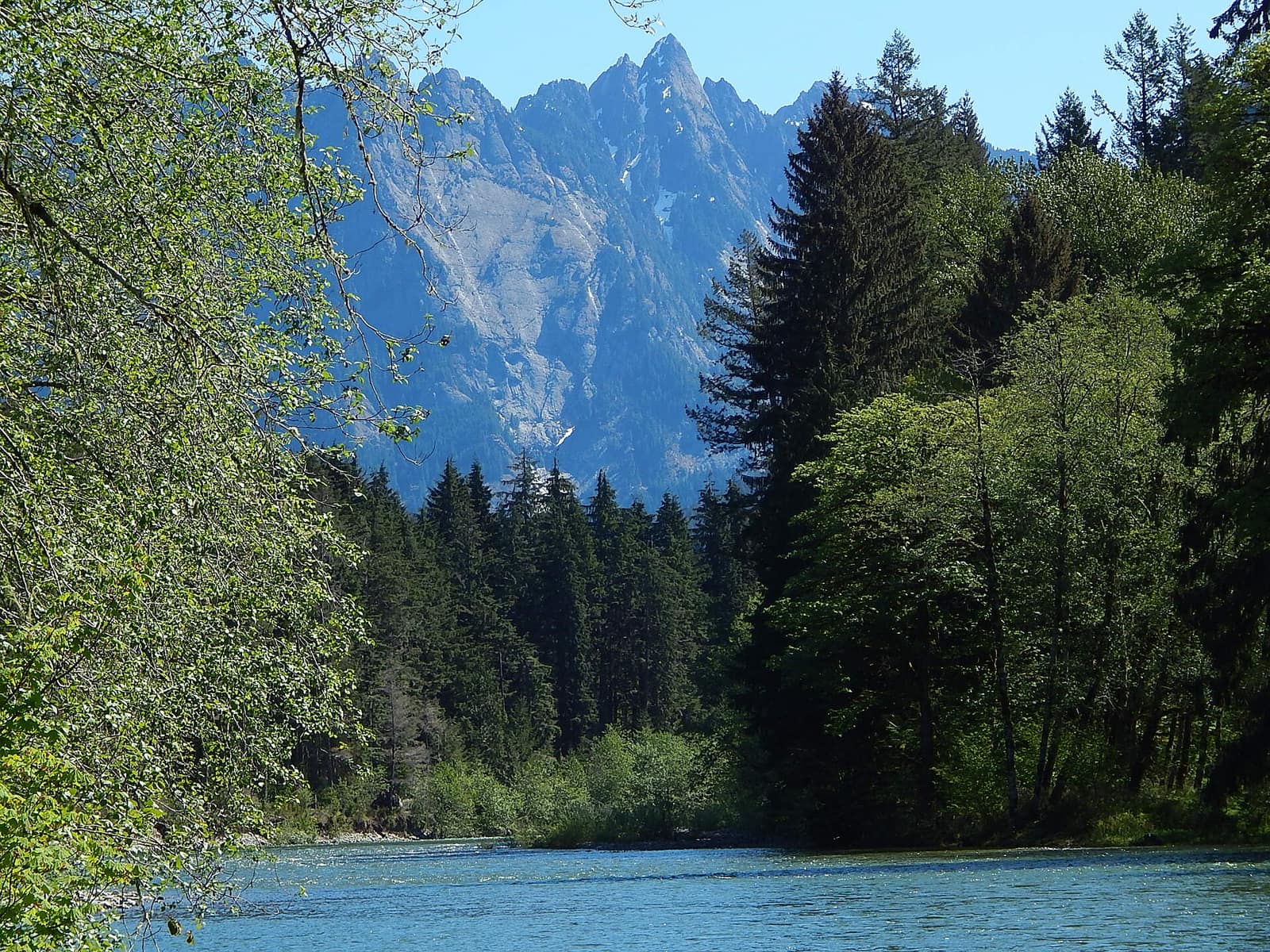
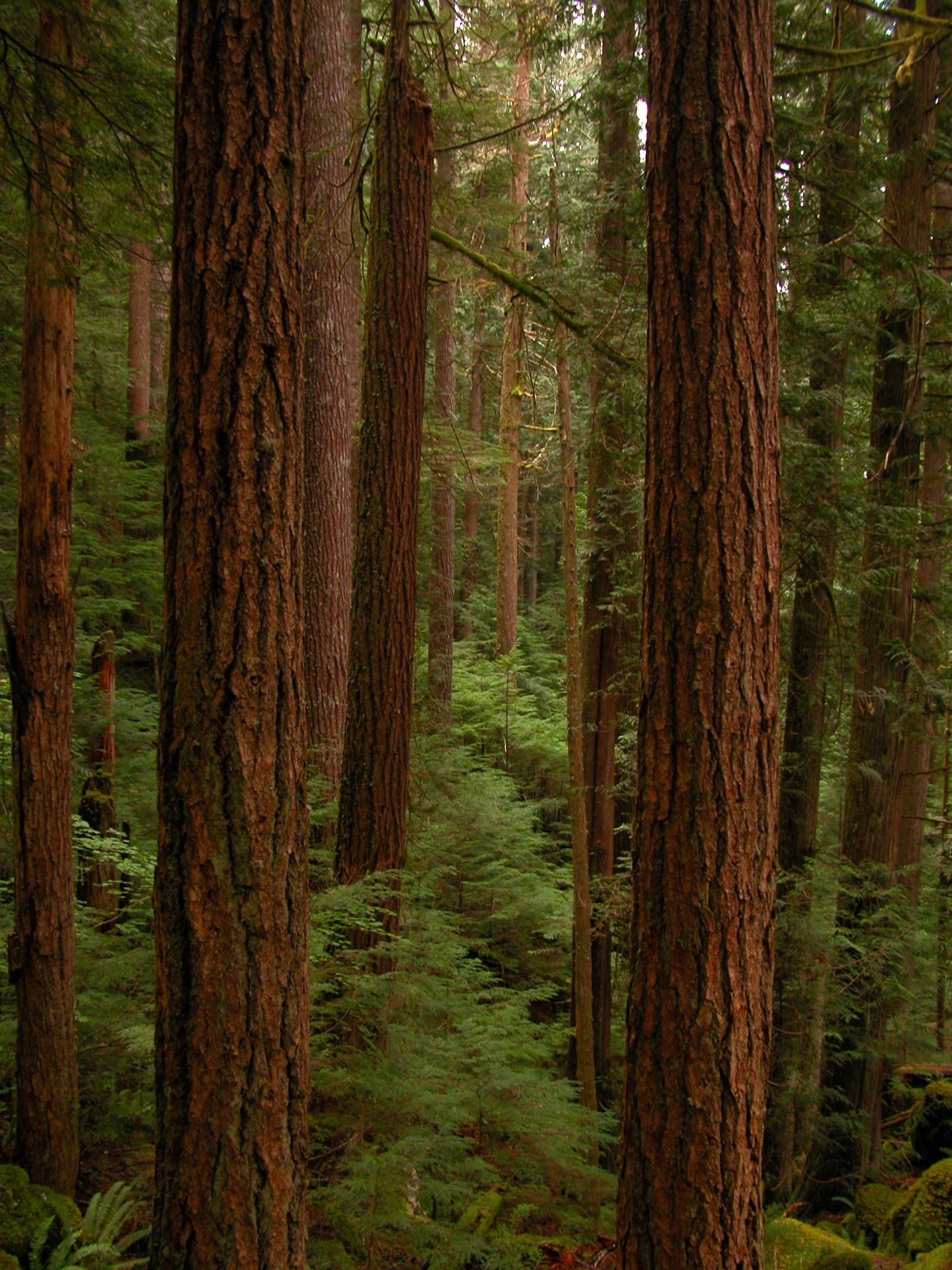
The contrast between the hike and the destination is half the appeal. You walk through Sitka spruce and western red cedar, cross Boulder Creek twice on log bridges, and arrive at pools that have been used by people for generations. The water is clear on weekdays in spring and fall. The forest closes in on three sides. On a cool morning in October, the steam is visible from 50 yards away.
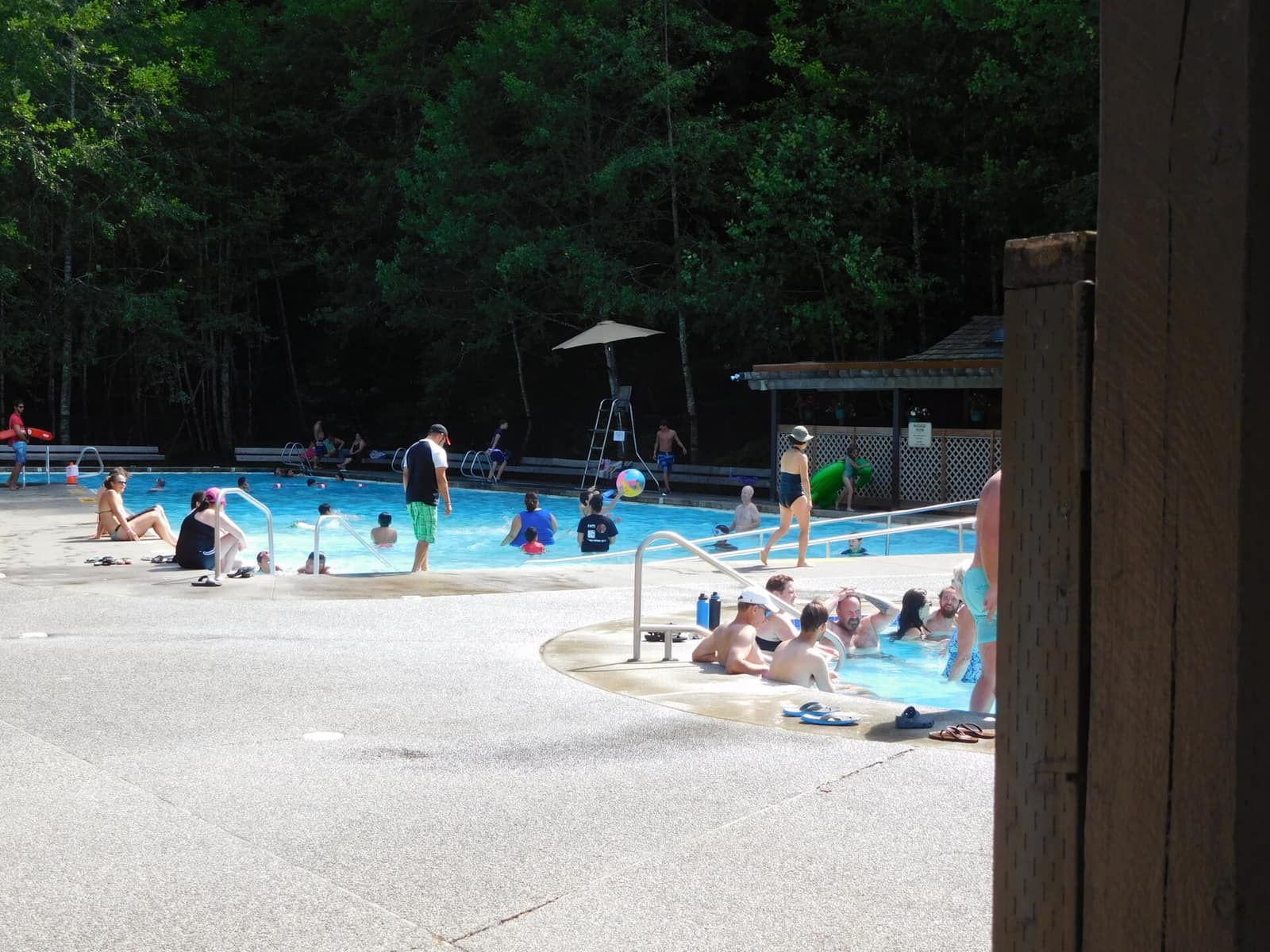
One distinction worth making upfront: Olympic Hot Springs is entirely different from Sol Duc Hot Springs in the western part of the park. Sol Duc is a developed resort with maintained pools, changing rooms, and a restaurant. Olympic Hot Springs is primitive backcountry. The experience at Sol Duc is more comfortable and more predictable. The experience at Olympic Hot Springs is more elemental and, on the right day, more memorable.
Getting There: Olympic Hot Springs Road
From Port Angeles, head west on US-101 for about 9 miles. Turn south on Olympic Hot Springs Road, which is also signed as the Elwha entrance to the national park. Follow it south through the valley. The paved portion gives way to gravel in the upper section. Total drive from Port Angeles: roughly 30 minutes in good conditions.
This road has a complicated recent history. The Elwha River Restoration Project, which removed the Elwha Dam and Glines Canyon Dam between 2011 and 2014, was the largest dam removal effort in U.S. history. The removals changed the landscape and, in places, the road. Sections have been subject to washouts and extended closures in the years since. Before you drive out, check current road and trailhead status on the Olympic National Park website or stop at the Wilderness Information Center in Port Angeles.
The trailhead has a small gravel parking area. On summer weekends, it fills by mid-morning. Arrive before 9 a.m. or after 3 p.m. to find a spot without circling. The lot serves both day hikers and campers heading to Boulder Creek Campground, so there’s consistent competition for spaces in July and August.
A standard Olympic National Park vehicle pass is required. A weekly pass runs $35 and covers everyone in the car. The America the Beautiful annual pass ($80) gets you into every national park for a year.
The Boulder Creek Trail: What to Expect
The Boulder Creek Trail is 2.5 miles one way, gaining about 500 feet in elevation. Moderate difficulty. The distance is manageable for most hikers, but the trail includes two creek crossings on log bridges, uneven terrain in spots, and can get muddy in wet weather. Budget 1.5 hours each way at a comfortable hiking pace, which puts the full round trip with soak time at roughly 5 to 6 hours.
The trail starts in second-growth forest and transitions to old-growth stands as you gain elevation. Sword ferns cover both sides of the path for most of the route. In late spring, look for wood sorrel and trillium on the forest floor. The creek crossings are bridged and maintained by park staff seasonally, but the bridges can be removed or damaged by high water in winter.
Watch for the junction sign near Boulder Creek Campground. The springs are roughly a quarter-mile past the campground on a short side path. You’ll smell the sulfur before you see the pools.
A few trail notes:
- Dogs are not permitted at Olympic Hot Springs (backcountry wilderness zone)
- No bikes
- The trail can be slippery after rain; trekking poles help on the return descent
- No potable water at the trailhead; treat any water from the creek before drinking
For a broader look at what’s possible on foot across the peninsula, our guide to hiking the Olympic Peninsula covers trails from the coast to the high country.
The Pools: Temperatures, Layout, and Etiquette
There are roughly eight pools at Olympic Hot Springs, though the number and configuration shift with the seasons and water flow. They range from around 15 to 25 feet across and are generally 2 to 4 feet deep. Temperatures vary by pool: cooler in the lower pools (around 95°F to 98°F) and hotter near the upper vents (around 104°F to 106°F).
The lower pools are larger and run at temperatures most people can sit in for 20 to 30 minutes comfortably. The upper pools are hotter and smaller. On weekends in summer, the most popular pools will be occupied when you arrive. On a Tuesday in October, you might have a pool to yourself.
Etiquette at undeveloped backcountry springs is informal but consistent across sites:
- The pools are clothing-optional, as is standard for undeveloped springs in Olympic National Park
- No soap or shampoo in the pools (it affects downstream water quality and other users)
- Pack out all trash, including food wrappers
- Share space if pools are crowded rather than holding multiple pools
The park service does not test water quality at Olympic Hot Springs. The NPS advises that people with compromised immune systems or open cuts avoid soaking. Water clarity is better in spring and fall than at peak summer when the pools see high use.
Best Time to Visit Olympic Hot Springs
May and June: Strong choice. The access road and trail are typically clear after winter closures. Fewer hikers than summer. The forest floor shows wildflowers in late May. Boulder Creek runs high from snowmelt, which makes the crossing bridges feel more dramatic. Water clarity in the pools is good.
September and October: The best overall window. Summer visitors have cleared out, ambient air temperatures drop into the 50s, and the contrast between 100°F pool water and cool forest air is more pronounced. The red alders along the trail turn gold in late September. Pool water clarity tends to be better than in August after weeks of high use.
July and August: The most popular time. Road access is most reliable, the trail is dry, and the days are long. But pools can be crowded on weekends. If you go in summer, plan for a weekday or an early start.
November through April: The access road is often gated or impassable due to snow, storm damage, or road work. Winter visits are possible in mild years but require current conditions research. This is not a trip to attempt without calling ahead.
What to Bring
Pack for a moderate 5-mile round-trip hike with extra gear for the soak:
Water sandals or old shoes: The pool floors are rocky and uneven. Going barefoot is painful. Bring something you don’t mind getting wet.
Towel and dry clothes: You’ll want to change out of a wet swimsuit before the hike back. A small camp towel saves pack space.
Water: Carry at least 2 liters per person. No potable water at the trailhead. The creek is a source but requires treatment.
Snacks: Nothing edible is sold anywhere near the trailhead. A real meal in Port Angeles before or after makes the trip more comfortable.
Bug spray: The forested trailhead can have mosquitoes in summer, especially in early morning hours.
Leave no trace: Pack out everything. The springs get high use and the old-growth forest recovers slowly from disturbance.
For overnight stays, Boulder Creek Campground sits just before the springs and is among the more atmospheric primitive sites in the park. Our guide to camping in Olympic National Park covers the full range of campground options, from drive-in sites to wilderness permits.
Fees, Rules, and Permits
Olympic Hot Springs falls within Olympic National Park. The standard vehicle entrance fee applies: $35 for a weekly pass, $80 for the America the Beautiful annual pass. No additional fee to access the hot springs themselves, unlike the day-use admission charged at Sol Duc.
Day hikers do not need a wilderness permit. Overnight camping at Boulder Creek Campground requires a free wilderness permit, available from the Wilderness Information Center in Port Angeles or from the Olympic National Park website. Wilderness permit availability is limited in peak season.
Rules for the backcountry zone:
- Stay on designated trails
- No dogs beyond the trailhead
- No glass containers
- Camp only at designated sites
- Fires are restricted; check current fire regulations before your trip
Where to Stay and What Else to Do Nearby
Port Angeles is the natural base. It’s about 30 minutes from the trailhead and offers the broadest range of lodging, from budget motels to inns with water views. The city sits on the Strait of Juan de Fuca with views across to Vancouver Island. The ferry to Victoria, BC runs from the Port Angeles terminal and takes about 90 minutes.
The Olympic National Park visitor centers page covers the Wilderness Information Center in Port Angeles (your first stop for current road and trail conditions), along with the Hurricane Ridge and Hoh Rain Forest visitor centers. The WIC in Port Angeles is particularly useful before this trip: staff there know current conditions on Olympic Hot Springs Road and can flag any active closures.
Beyond the springs, the things to do in Olympic National Park guide covers the full range: Hurricane Ridge, the Hoh Rain Forest, tide pools at Ruby Beach, and the sea stacks at Rialto Beach. Olympic Hot Springs is a strong half-day anchor that pairs well with any of those.
If you’re comparing Washington’s hot spring options, Sol Duc is the other primary choice within Olympic National Park. It’s a different trip: easier to plan, more predictable, and costs more per person. Olympic Hot Springs has no pool admission fee and no resort, but you earn the experience with the hike. Both are worth doing if you have multiple days on the peninsula.