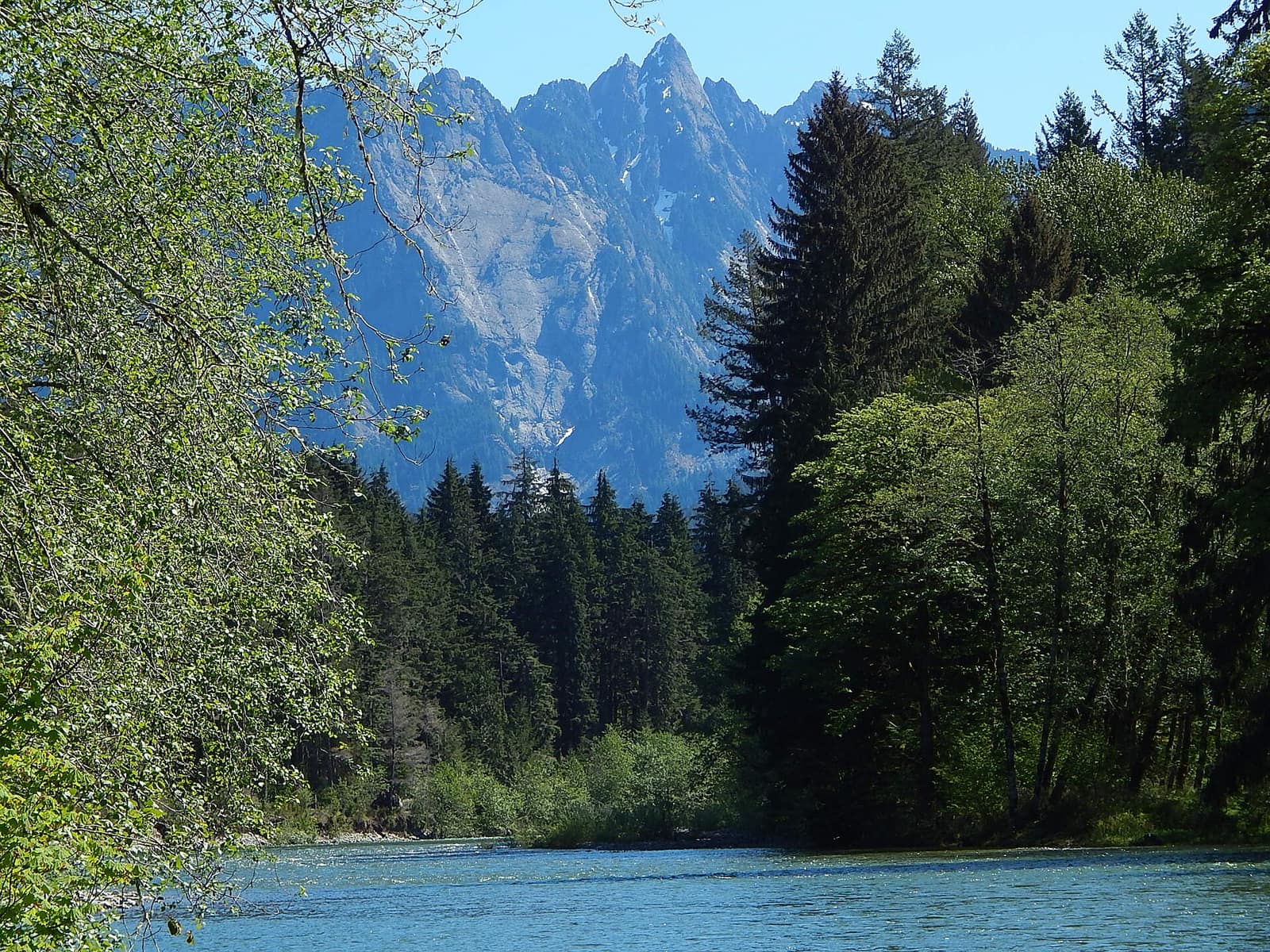
The moment you turn off Highway 101 onto Upper Hoh Road and commit to the 18 miles of two-lane pavement, the landscape begins to close around you. Spruce and hemlock press in from both sides, their lower branches almost touching the roadway. By the time you pull into the trailhead parking lot, the light is greenish and diffuse, the kind that comes through a canopy so thick that a clear August afternoon feels overcast. The Hoh Rainforest in Washington State is not a metaphor or a postcard subject. It is one of the rarest ecosystems in the northern hemisphere, and it takes about three minutes on the Hall of Mosses trail to understand why people fly across the country to walk here.
What Is the Hoh Rainforest?
The Hoh is a temperate rainforest, not a tropical one, though the sheer biomass often surprises visitors who assume rainforests exist only near the equator. It sits on the western slope of the Olympic Mountains inside Olympic National Park, in the drainage of the Hoh River, at roughly sea level. The valley receives between 140 and 170 inches of rain per year, with most of it falling between October and March as moisture-laden Pacific storms hit the Olympic range and stall.
What that rainfall produces is extraordinary: Sitka spruce, western red cedar, western hemlock, and bigleaf maple grow to enormous sizes here, with some trees exceeding 200 feet in height and 1,000 years in age. Club moss and Polypodium ferns drape from every horizontal branch, creating the green-curtain effect that defines the forest’s visual identity. In summer, so much green surrounds you that the air itself seems tinted.
This is not jungle trimmed to look like a forest. It is a cold, wet, oceanic-influenced ecosystem that happens to grow faster than almost any system outside the tropics. The Olympic Peninsula contains the only extensive temperate rainforests remaining in the contiguous United States, and the Hoh is the largest and most accessible of them.
Getting to the Hoh Rainforest
The Hoh Rain Forest Visitor Center is the main entry point, located at the end of Upper Hoh Road, roughly 31 miles east of Forks, Washington. You’ll pass through dense second-growth and old-growth alternately for the full 18 miles after leaving Highway 101. The road is paved and passable in any vehicle, but an RV longer than 21 feet may have trouble with the narrow lot at the end.
From Forks: Head south on Highway 101 about 13 miles, then turn east on Upper Hoh Road. Plan 40 minutes.
From Port Angeles: Head west on Highway 101 past Lake Crescent, through Forks, then south and east. Roughly 89 miles total. Plan 1 hour 45 minutes.
From Seattle: Take the Bainbridge Island ferry to cut driving through Tacoma, then Highway 3 to Highway 101 north around Hood Canal. Total: approximately 160 miles and 4 to 4.5 hours. Starting at dawn from Seattle, you can be walking the Hall of Mosses trail by late morning.
Parking fills on summer weekends by 9am. The main lot holds roughly 80 cars. Arrive by 8am on Saturdays in July and August, or plan a weekday. Overflow parking exists about 0.3 miles back on the road. Olympic National Park charges a $35 per vehicle entrance fee valid for 7 days; the America the Beautiful Annual Pass ($80) covers all national parks and federal lands.
No cell service is available on Upper Hoh Road or at the visitor center. Download offline maps before leaving the highway.
Trails Worth Walking
Three maintained trails start from the visitor center area. They vary significantly in length and what they show you.
Hall of Mosses Loop
At 0.8 miles round-trip, the Hall of Mosses is the most-visited trail at the Hoh and rightly so. The path loops through a grove of bigleaf maple draped in club moss, the moss hanging in dense curtains from branches 40 and 50 feet overhead, creating a chamber effect that no photograph fully conveys. The trail is wide, largely flat, and surfaced for most of its length. Allow 30 to 45 minutes to walk it without rushing.
This is the trail to walk even if you have only an hour at the Hoh. If you have more time, do it twice, once in each direction; the light changes the forest completely.
Spruce Nature Trail
The Spruce Nature Trail runs 1.2 miles as a loop, moving through old-growth spruce and hemlock along the edge of the Hoh River floodplain. Interpretive signs explain the ecology at intervals. Less congested than Hall of Mosses, and often where you’ll find Roosevelt elk grazing at the forest edge in early morning. Allow 45 minutes.
Hoh River Trail
The Hoh River Trail extends 17.4 miles one-way to the foot of Mount Olympus, gaining roughly 3,700 feet before reaching Glacier Meadows. Most day hikers walk the first 2 to 6 miles and turn around, staying in the deep forest corridor without committing to the full route. At mile 5.5, the trail passes 5-Mile Island, a broad gravel bar where elk frequently graze during morning and evening hours.
For detailed trail descriptions, distances, and what to expect at each section, the Hoh Rainforest hike guide covers the full trail system in depth.
Wildlife: The Roosevelt Elk Herd
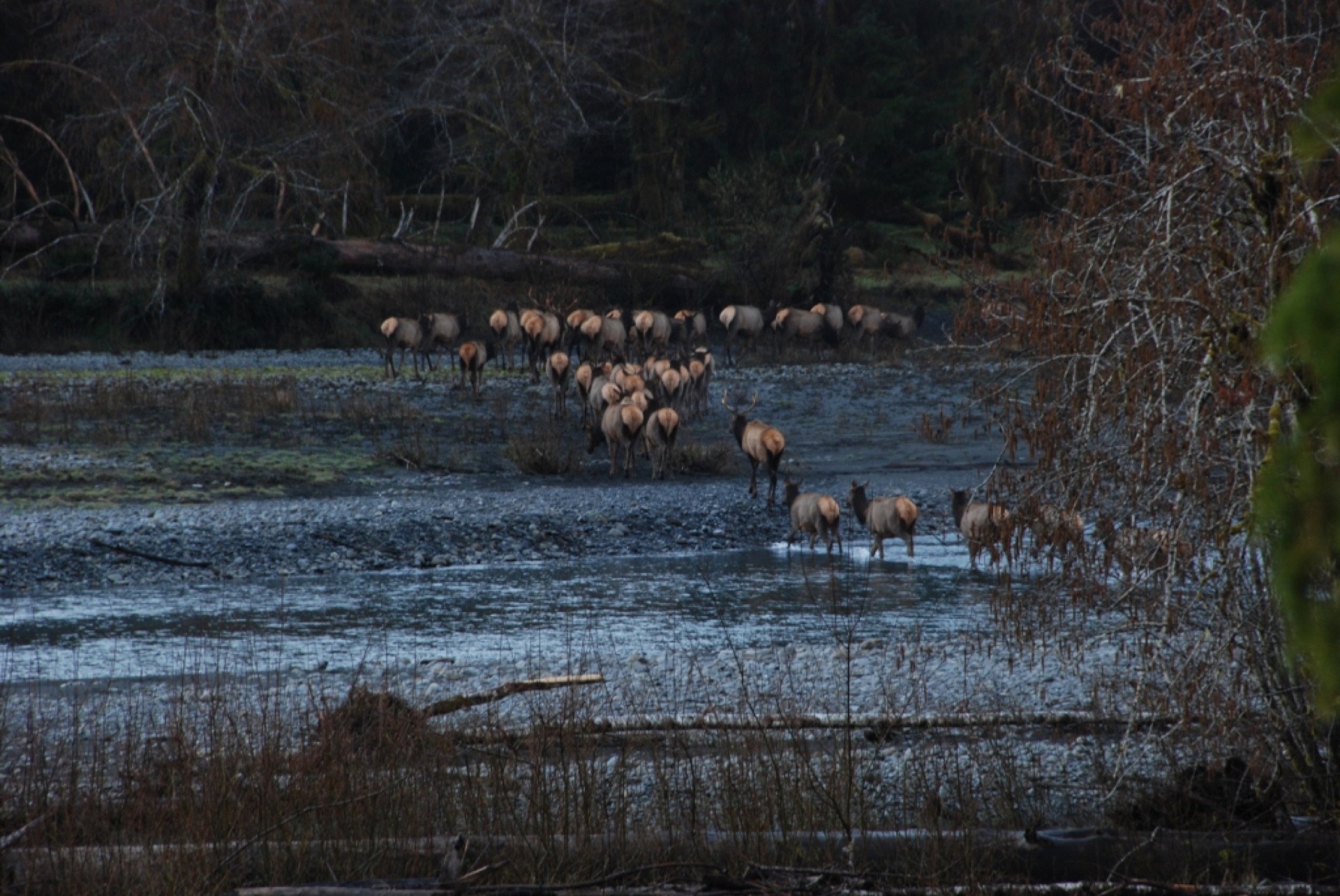
The Hoh Valley holds the largest Roosevelt elk herd in Olympic National Park, with roughly 300 animals using the valley year-round. Roosevelt elk are the largest elk subspecies in North America; mature bulls reach 900 to 1,100 pounds and carry antlers spanning five feet. They are not shy, and encountering a small group grazing at the forest edge is common rather than exceptional.
Best viewing times: early morning from 6 to 9am, and the two hours before sunset. The Hoh River corridor and the open gravel bars visible from the Hoh River Trail are the most reliable locations. In September and October, bulls enter the rut and their bugling carries for half a mile through the forest, a sound that’s worth planning a trip around if the calendar allows.
Other species reliably present in the Hoh drainage include black-tailed deer, black bear, river otter, mink, harlequin duck, and common merganser. Mountain lion territory overlaps with the valley but sightings are rare. The Hoh River itself is one of Washington’s premier winter steelhead rivers, and from December through February, fly anglers share the gravel bars with elk and river otters.
When to Visit the Hoh Rainforest
Summer (June to August) brings the driest conditions and the most visitors. Expect full parking by mid-morning and campground reservations required months in advance. Temperatures stay mild at the valley floor: 55 to 70°F is typical. Afternoon fog sometimes rolls in from the Pacific coast, adding atmosphere without significant rain.
Fall (September to October) offers the best trade-off of weather, crowd level, and wildlife activity. Elk rut in September makes wildlife viewing exceptional. The bigleaf maples turn yellow-gold in October, creating warm color against the ever-green canopy. Expect some rain and some clear stretches.
Winter (November to March) is when the Hoh receives most of its 140-inch annual rainfall, and it shows. But the visitor center stays open on reduced hours (confirm at nps.gov/olym before visiting), trail crowds drop to near zero, and the forest is at its most atmospheric: moss glowing against gray sky, river running fast and brown. Winter visitors consistently describe the experience as singular.
Spring (April to May) brings fern fiddleheads, wildflowers along the river corridor, and high water from snowmelt. Crowds remain light compared to summer, and the forest floor shows more color than in any other season.
Where to Stay Near the Hoh
Hoh Rain Forest Campground sits 0.25 miles from the visitor center and offers 88 sites for tents and small RVs. Reservations through Recreation.gov are required and book out weeks in advance for summer dates. The campground has flush toilets and running water but no electrical hookups. For a full look at what to expect from camping in the park, the Olympic National Park camping guide covers all the main campgrounds and what each one suits.
Forks is the nearest town, 31 miles west on Highway 101, with motels, a grocery store, and basic restaurants. Options are limited but functional for an overnight base.
Port Angeles, 89 miles northeast, has the widest selection of hotels, restaurants, and services on the peninsula. If you’re combining the Hoh with other stops across the Olympic Peninsula, the Olympic Peninsula road trip guide covers lodging, routes, and what to prioritize across the full loop.
What to Bring and Know Before You Go
Rain gear is non-optional, even in summer. The Hoh receives measurable precipitation in every month of the year, and afternoon mist often settles in regardless of the morning forecast. A waterproof jacket and pants (not just water-resistant) make the difference between a good day and a cold, wet one. Keep a dry layer in your pack regardless of the season.
Temperature: The forest floor stays cool year-round. 55°F is typical in summer; 40 to 45°F is common in fall and spring. Carry a fleece or wool mid-layer even for day hikes.
Bear canisters are required for backcountry overnight stays. Day hikers don’t need them, but bears do move through the valley. Keep food in your vehicle at the trailhead.
Entrance fees and permits: The $35 per vehicle park fee is valid for 7 days. Timed entry permits are sometimes required during peak summer periods; check nps.gov/olym before your trip. The America the Beautiful pass covers the fee and is worth buying if you’re hitting more than one national park this trip.
The visitor center has rangers on duty during open hours who can answer specific trail and condition questions. For hours and details on all five Olympic National Park visitor centers, see the Olympic National Park visitor centers guide.
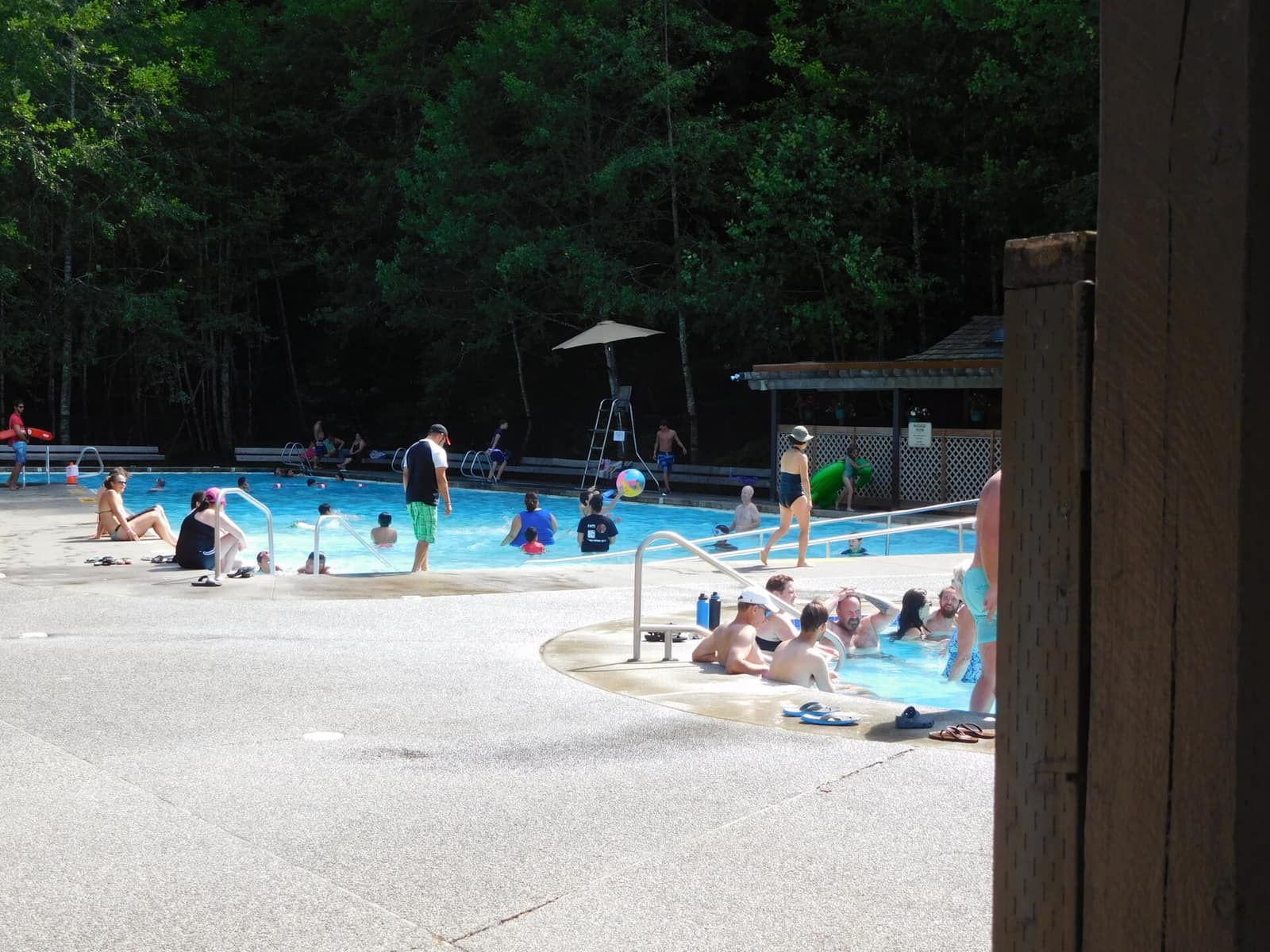
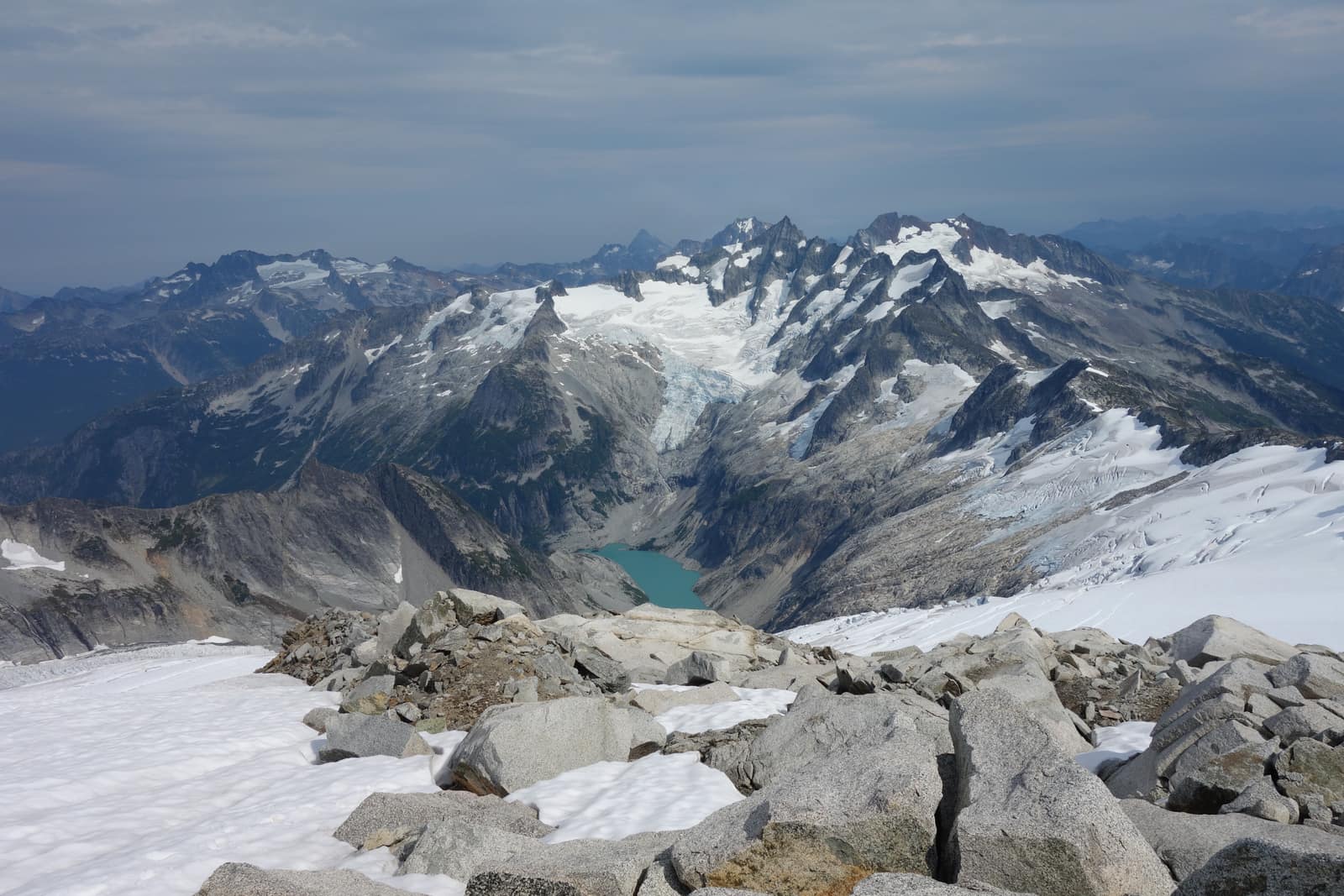
The Hoh is one part of a park that also includes tide pools on the Pacific coast, alpine meadows at Hurricane Ridge, and hot springs at Sol Duc. For everything the park offers beyond the rainforest, the things to do in Olympic National Park guide covers the full range.