The first time most people see the sign for Olympic National Park Visitor Center, they’ve just driven off the Washington State Ferry, merged onto US-101, and aren’t entirely sure where to start. Olympic is one of the most ecologically diverse parks in the country, and that diversity is also why it’s easy to show up underprepared. The park has no single entrance gate, no obvious hub, and three completely different ecosystems within its boundaries: glacier-capped mountains, temperate rainforest, and a wild Pacific coastline. The visitor centers are the fix. This guide covers each of the main Olympic National Park visitor centers, what you’ll find there, and how to use them as planning anchors for your trip.
Start at the Olympic National Park Visitor Center in Port Angeles
The main Olympic National Park Visitor Center sits at 3002 Mount Angeles Road in Port Angeles, about a mile and a half south of downtown. It’s the logical first stop if you’re arriving from the Port Angeles ferry terminal (the Coho Ferry from Victoria, BC docks nearby) or driving west from Seattle on US-101 via the Bainbridge Island crossing.
Inside, you’ll find:
- Rangers who can help you build a realistic one-day or multi-day itinerary
- A wilderness permit desk (the Wilderness Information Center shares the building for backcountry camping permits)
- Exhibits on the park’s geology, wildlife, and ecosystems
- Ranger-led film screenings about the park
- A well-stocked bookstore run by the Olympic National Park Association
Hours vary by season. Summer hours (mid-June through Labor Day) are typically 8am to 5pm daily. Off-season hours narrow to 10am to 4pm, with some holidays resulting in closures. Check the NPS Olympic Visitor Centers page for current hours before making the drive.
The visitor center building itself does not collect entrance fees. The fee booth for the Port Angeles corridor sits further up Hurricane Ridge Road, about a mile past the visitor center. The standard vehicle fee is $35 for a seven-day pass. If you’re planning a longer Washington trip that includes other federal lands, an America the Beautiful Annual Pass ($80) covers entrance to all national parks and pays for itself quickly. The Mount Rainier day hikes guide lays out what to expect at Washington’s other major national park, where the same pass works.
If you’re planning overnight backcountry trips anywhere in Olympic, stop at the Wilderness Information Center desk before heading out. Backcountry permits are required for most camping areas. Some trailheads use a reservation system through recreation.gov in summer; others issue permits on a walk-in, first-come basis. Rangers at the counter can tell you what’s available on the day you visit and which zones are at capacity.
Hurricane Ridge Visitor Center
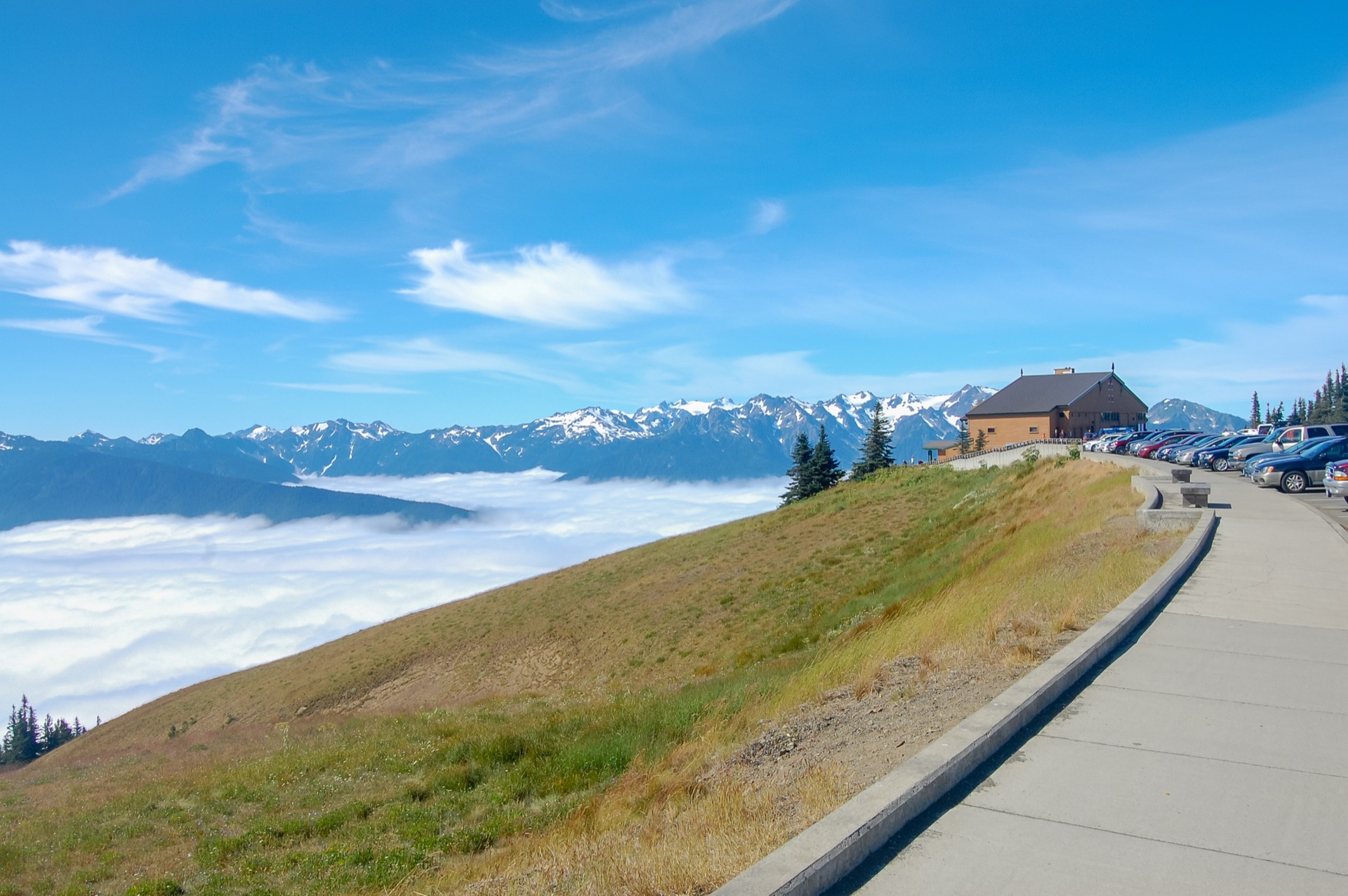
The Hurricane Ridge Visitor Center is the most-visited facility in the park and, on a clear day, the one that earns the loudest gasps. It sits at 5,242 feet elevation, 17 miles south of Port Angeles on Hurricane Ridge Road. The views from the wraparound porch sweep across the full Olympic Range, with glaciated peaks stacked against the skyline. Black-tailed deer graze the meadows directly outside. It’s the kind of place that makes you forget you had a schedule.
The visitor center houses a small cafe and gift shop open during summer and winter weekend operations. Rangers staff the information desk and lead interpretive programs throughout the summer months. Most visitors spend 20 to 30 minutes inside before pulling on layers and heading to the trails.
From the Hurricane Ridge parking lot you can access several hikes directly:
- Hurricane Hill Trail: 3.2 miles round-trip, gaining 700 feet to a ridge-top summit with views across the Strait of Juan de Fuca north and into the Olympic backcountry south
- High Ridge Trail: 1.6 miles one-way along the ridge, relatively level, with close-up views of subalpine meadows best seen in mid-July when wildflowers peak
- Meadow Loop Trails: 0.5 to 1.5 miles, partially paved, accessible for most fitness levels
Hurricane Ridge Road requires a timed entry reservation during peak summer months (typically late June through Labor Day). Reservations open 30 days in advance at recreation.gov and fill within hours on popular weekends. If you visit in September or early October, timed entry is usually lifted and the crowds drop noticeably. The road closes to passenger vehicles most winter weekdays; on weekends from late December through March it opens for snowshoeing and for the small Hurricane Ridge Ski Area, which operates rope tows on the ridge.
Hoh Rain Forest Visitor Center
The Hoh Rain Forest Visitor Center serves the western interior of the park, reached via Upper Hoh Road off US-101 approximately 13 miles south of Forks. The drive in is 31 miles from the highway junction, all paved, all scenic. This is the wetter world of the park: 140 inches of annual rainfall sustains one of the last intact temperate rainforests in the contiguous United States. Sitka spruce, big-leaf maple draped in club moss, and old-growth Douglas fir form the canopy overhead.
The visitor center is modest in size but well-staffed by rangers who know the forest ecology in detail. Exhibits cover the rain forest ecosystem, the Roosevelt elk that roam the Hoh River valley in large herds, and the history of the S’Klallam and Quinault peoples tied to this land.
Two main trailheads start from the visitor center parking area:
- Hall of Mosses Trail: 0.8-mile loop, the most photographed stretch of trail in the park, with big-leaf maples whose limbs carry so much moss they seem to droop under the weight of it
- Hoh River Trail: A long, flat trail following the Hoh River 17.4 miles toward Blue Glacier on the shoulder of Mount Olympus; good for a 4 to 6-mile out-and-back day hike where elk sightings are common in the first few miles
For a short visit, the Hall of Mosses takes about 45 minutes. For a full day, the Hoh River Trail rewards anyone willing to walk further from the parking lot. The Hoh Campground adjacent to the visitor center has 88 sites, first-come, first-served most of the year.
If you’re combining the Hoh with the coastal section and the mountain areas, the Olympic Peninsula road trip itinerary maps out a week-long loop that hits all three ecosystems in a logical driving sequence.
Kalaloch Ranger Station (Coastal Strip)
The coastal section of Olympic National Park runs roughly 73 miles along the Pacific, from Ozette Lake in the north to the Quinault area at the south edge. Most visitors access it from US-101, which passes directly through or near the coast. The primary information point for this strip is the Kalaloch Ranger Station, located near Kalaloch Lodge on US-101 about 34 miles south of Forks.
This isn’t a full visitor center with exhibits. It’s an information station where rangers can answer questions, issue coastal camping permits, and share current beach and tide conditions. Hours are limited and vary by season.
The beaches near Kalaloch are among the most accessible in the park:
- Kalaloch Beach: Wide and open, strewn with massive drift logs, reached in minutes from the lodge parking area
- Ruby Beach: 6.5 miles north of Kalaloch, with tall sea stacks rising from the water and tide pools worth exploring at low tide
- Beach 4: About 3 miles north of Kalaloch, a good spot for agate hunting when the tide recedes
For the more remote northern beaches (Rialto Beach near La Push, Second Beach, Third Beach), camping permits and reservation information come from the Port Angeles Wilderness Information Center, not Kalaloch staff.
Sol Duc and Staircase: The Smaller Ranger Stations
Two additional ranger stations serve the park’s more remote corners:
Sol Duc Ranger Station sits at the end of Sol Duc Hot Springs Road, about 14 miles east of US-101 (turn off approximately 30 miles west of Port Angeles). Rangers staff it intermittently during summer. The draw in this area is Sol Duc Falls, a three-pronged cascade dropping into a narrow gorge. The trailhead parking area to the falls is 0.8 miles from the falls themselves, an easy walk through old-growth forest. For other waterfall options across Washington’s forests and mountains, the guide to hidden waterfalls worth the hike covers cascades on both sides of the Cascades.
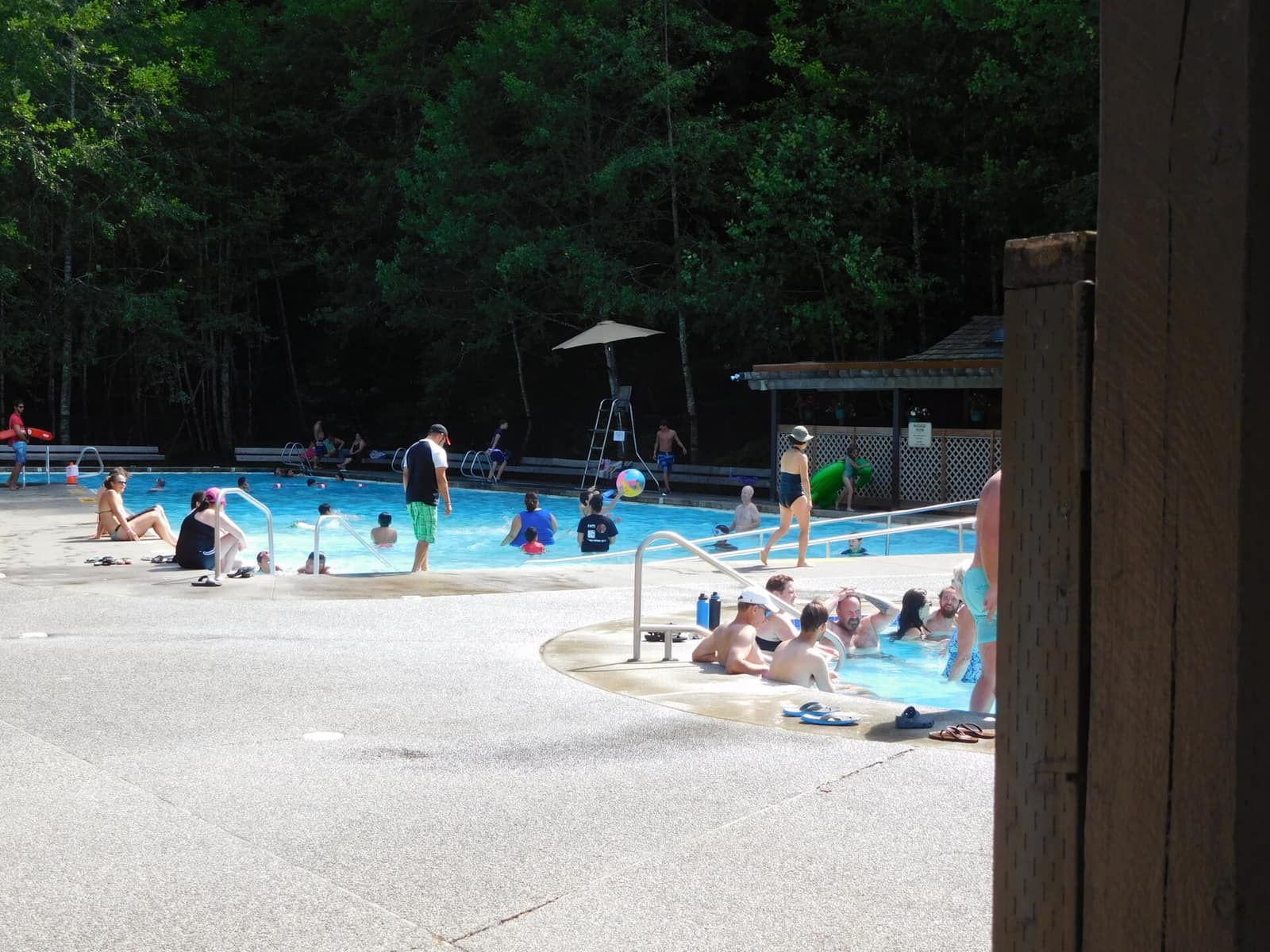
The Sol Duc Hot Springs Resort, which operates mineral soaking pools open to day visitors, sits near the ranger station but is a separate, privately managed facility under an NPS concession contract. Entry to the pools requires a separate fee paid at the resort.
Staircase Ranger Station anchors the southeast corner of the park near Lake Cushman and the North Fork Skokomish River. It’s the least-visited Olympic facility, used mainly by hikers heading toward Flapjack Lakes or into the eastern Olympic backcountry. Hours are limited to summer weekends. If you plan to visit, call the main Port Angeles Visitor Center ahead of time to confirm current staffing.
When to Visit Each Visitor Center
Timing shapes the experience significantly across Olympic’s different zones:
Spring (April to May): Port Angeles and Hoh Visitor Centers are open but quiet. Hurricane Ridge Road often carries snow at the summit through late April. The Hoh sees some of its heaviest rainfall this time of year, but the waterfalls fed by that rain are at full force. Shoulder season rates apply at nearby lodges.
Summer (mid-June to Labor Day): All facilities run at full hours. Hurricane Ridge requires timed entry reservations and the parking lot at the visitor center fills by 9am on clear weekend mornings. Most rangers are on duty across all facilities. This is peak season for good reason: reliable weather, full wildflower bloom at elevation (July), and every trail accessible.
September to October: The practical sweet spot. Hurricane Ridge drops timed entry requirements. The fall elk rut brings Roosevelt elk into the Hoh Valley in October, often visible from the trail. Visitor centers begin pulling back hours, but most remain open. Crowds thin while weather stays largely reliable.
Winter (November to March): The Port Angeles Visitor Center and Hoh Visitor Center maintain limited winter hours (typically 10am to 4pm, closed some days). Hurricane Ridge Road opens on weekends only for skiing and snowshoeing. Most smaller ranger stations close until spring.
For help timing your visit around Washington’s broader weather patterns, the Washington State month-by-month seasonal guide covers conditions across the full state, from the coast to eastern Washington.
Fees, Passes, and How to Get There
The Olympic National Park entrance fee is $35 per vehicle, covering a seven-day visit. Motorcycles pay $30; hikers and cyclists entering without a vehicle pay $20 each. The America the Beautiful Annual Pass ($80) covers entry at all federal recreation lands for 12 months.
Fee collection points include:
- The entrance station on Hurricane Ridge Road (roughly a mile past the main visitor center)
- The fee booth at the Hoh Rain Forest entrance on Upper Hoh Road
- The Sol Duc entrance station on Sol Duc Hot Springs Road
- Other designated points around the park perimeter
Driving US-101 along the coast or entering Port Angeles from the highway does not trigger a fee. Fees apply on the spur roads that lead into the park’s interior.
Most visitor center parking lots are free. Hurricane Ridge’s lot is the exception in terms of demand: aim for an early arrival (before 8am on summer weekends) or use a timed entry reservation to guarantee access.
From Seattle, Port Angeles is approximately two and a half hours via the Bainbridge Island ferry and SR-104 north, or closer to three hours driving around via US-101. The Bainbridge crossing gives you views of Puget Sound and drops you closer to the Olympic Peninsula corridor. Washington State Ferries reservations for vehicles are available online and worth booking in advance during summer months.