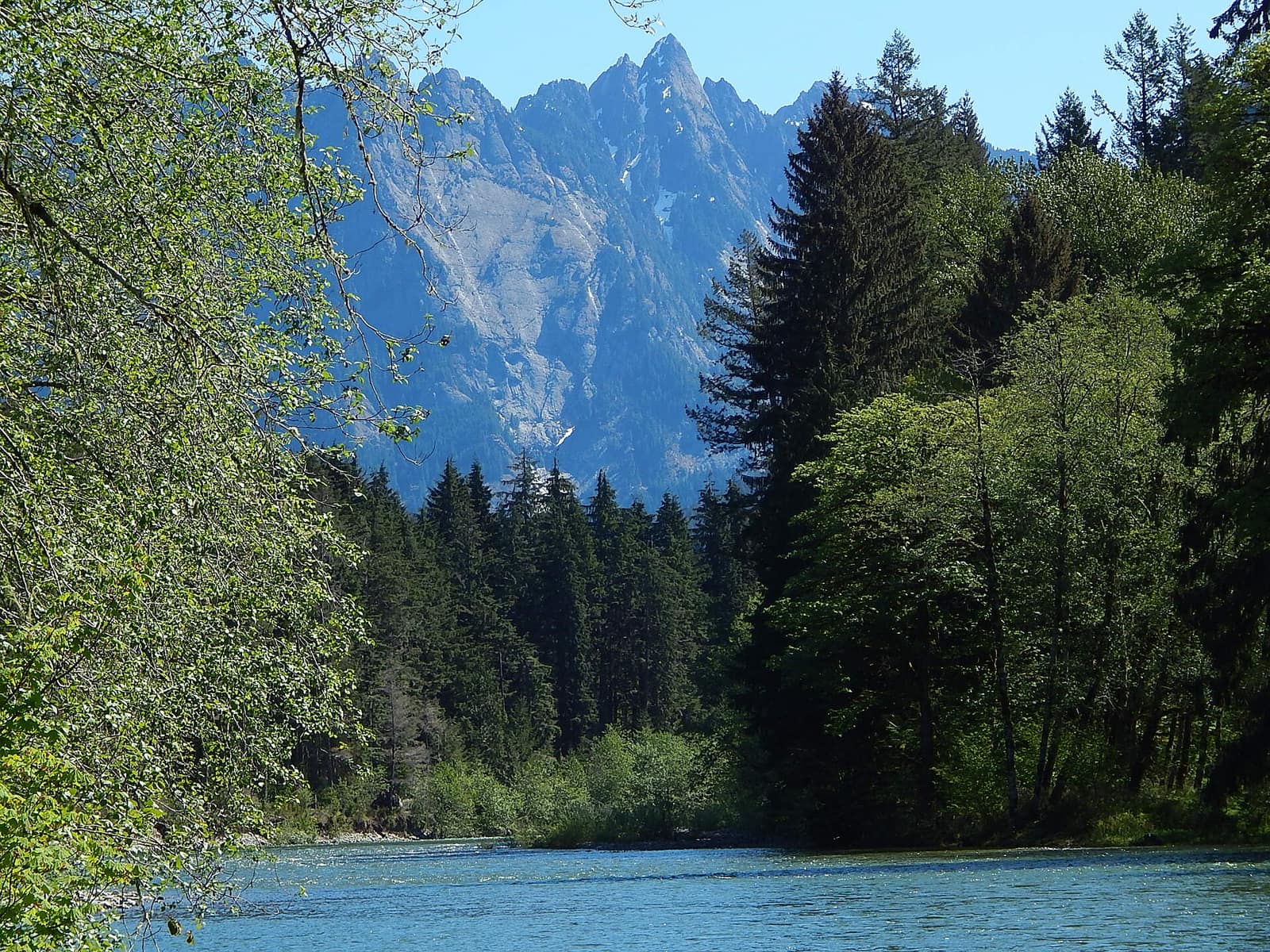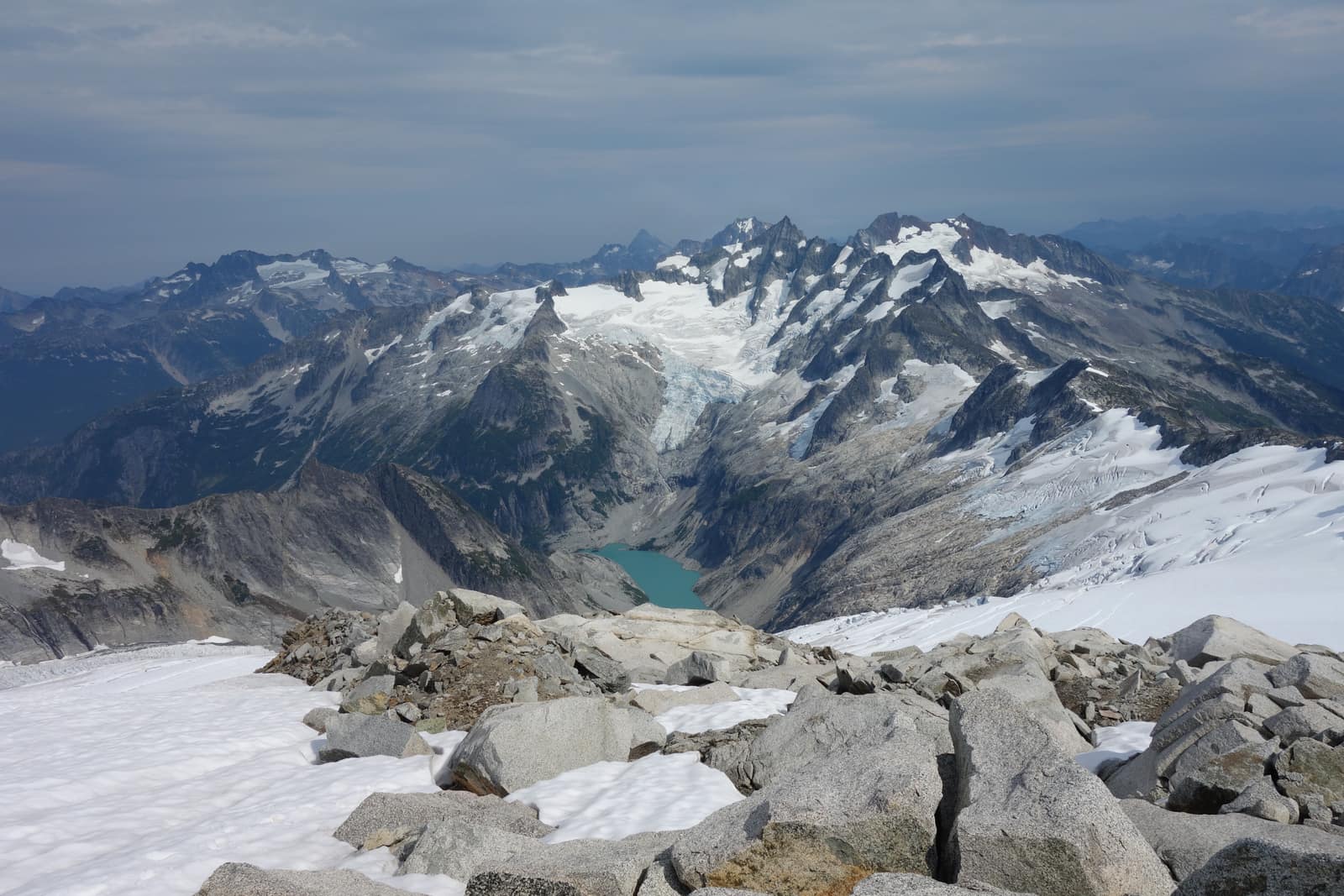
Olympic National Park contains three distinct ecosystems within a single boundary: a glaciated mountain range, one of the only temperate rain forests in North America, and 73 miles of wild Pacific coastline. Camping in Olympic National Park means you can sleep in one world and wake up in another. This guide covers every frontcountry campground zone, how reservations work, and what to expect from each setting so you can match your camp to what you came to see.
The Four Camping Zones at a Glance
Olympic divides its campgrounds loosely into four environments: rain forest valley floors, Pacific coast beaches and bluffs, river valleys and mountain access corridors, and backcountry wilderness. Most first-time visitors split time between two of them. Here’s how they differ at a high level:
- Rain forest zone: Hoh, Queets, Graves Creek. Dense old-growth canopy, frequent rain, dark and quiet at night. Best for hikers heading deep into the park’s interior.
- Coast zone: Kalaloch, Mora, South Beach. Wind off the Pacific, surf noise, tide tables matter. Best for beachcombers and coastal hikers.
- River valley and mountain zone: Sol Duc, Heart O’ the Hills, Deer Park, Dosewallips. Higher elevations, clearer skies on good days, direct access to alpine trails and subalpine meadows.
- Backcountry: Designated sites throughout the wilderness area, coastal strip camping, and interior lake camps require a separate permit.
Check the Olympic National Park visitor information page for current road closures and facility statuses before driving long distances to any trailhead or campground.
Rain Forest Campgrounds
The Hoh Campground sits at the end of Upper Hoh Road, 31 miles south of Forks. The setting delivers what the name promises: massive Sitka spruce and western red cedar overhead, bigleaf maples draped in club moss forming a secondary green canopy, and the Hoh River audible through the trees. The campground has 88 sites for tents and RVs up to 21 feet long, with a ranger station adjacent. No hookups are available; bring water filtration if you plan to use the river.
The Hoh Campground is one of Olympic’s most popular during summer. Reservations open through recreation.gov from mid-spring through Labor Day weekend and sell out weeks in advance for July and August. A portion of sites operate first-come-first-served during the shoulder season. If you arrive without a reservation and find it full, Forks (31 miles north on US-101) has motels along Forks Avenue as a fallback.
Graves Creek Campground occupies the south shore of Lake Quinault in the park’s Quinault Rain Forest section. It’s smaller at 30 sites and sits at the end of a dead-end road, which keeps it quieter than Hoh. Trail access here leads to the North Fork Quinault Trail, one of the longer interior routes in the southern park. Graves Creek is first-come-first-served year-round.
Pacific Coast Campgrounds
Kalaloch Campground is the largest campground on the coast, with 170 sites on a bluff above the beach near the Kalaloch Lodge. Direct trails lead to beach stairs. Because of the bluff elevation and surrounding tree cover, it offers some protection from the wind, which matters: coastal camping in Washington means preparing for cold Pacific air regardless of the air temperature inland. A marine layer can push daytime highs into the upper 50s even in July.
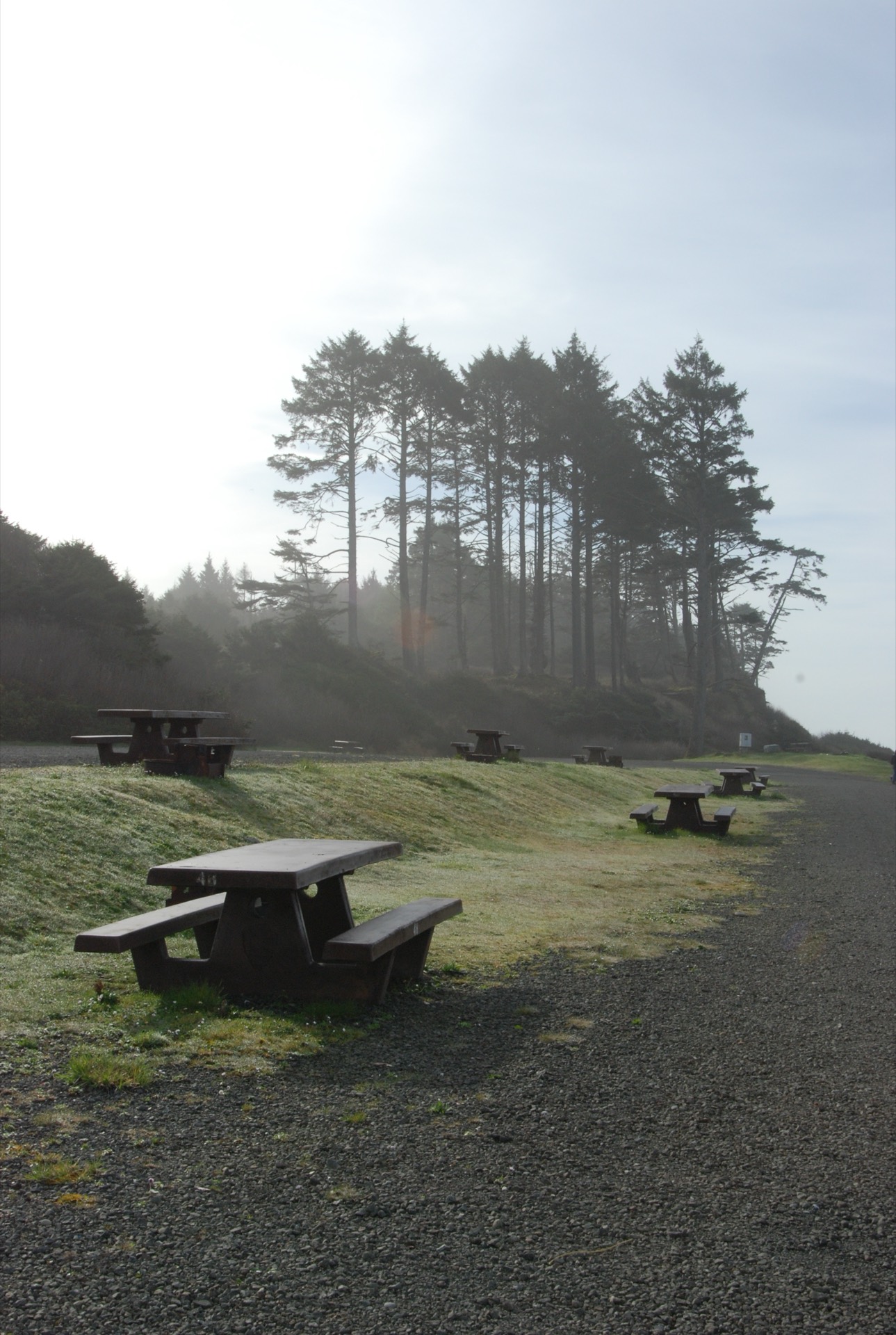
South Beach Campground sits a few miles south of Kalaloch, smaller and more exposed directly to the shore. Sites feel immediate to the beach and the site operates first-come-first-served throughout the season.
Mora Campground, 13 miles west of Forks via Mora Road, sits along the Quillayute River a short walk from Rialto Beach. It has 94 sites and serves as the staging area for the north coast wilderness backpacking route. Reservations are available through recreation.gov from mid-spring through early fall. Rialto Beach and the one-mile walk north to Hole-in-the-Wall are both reachable from camp without moving the car. For any coastal walk that involves rounding headlands, check NOAA tide tables for La Push before you leave camp, and plan your return before the tide cuts off passage.
Mountain and River Valley Campgrounds
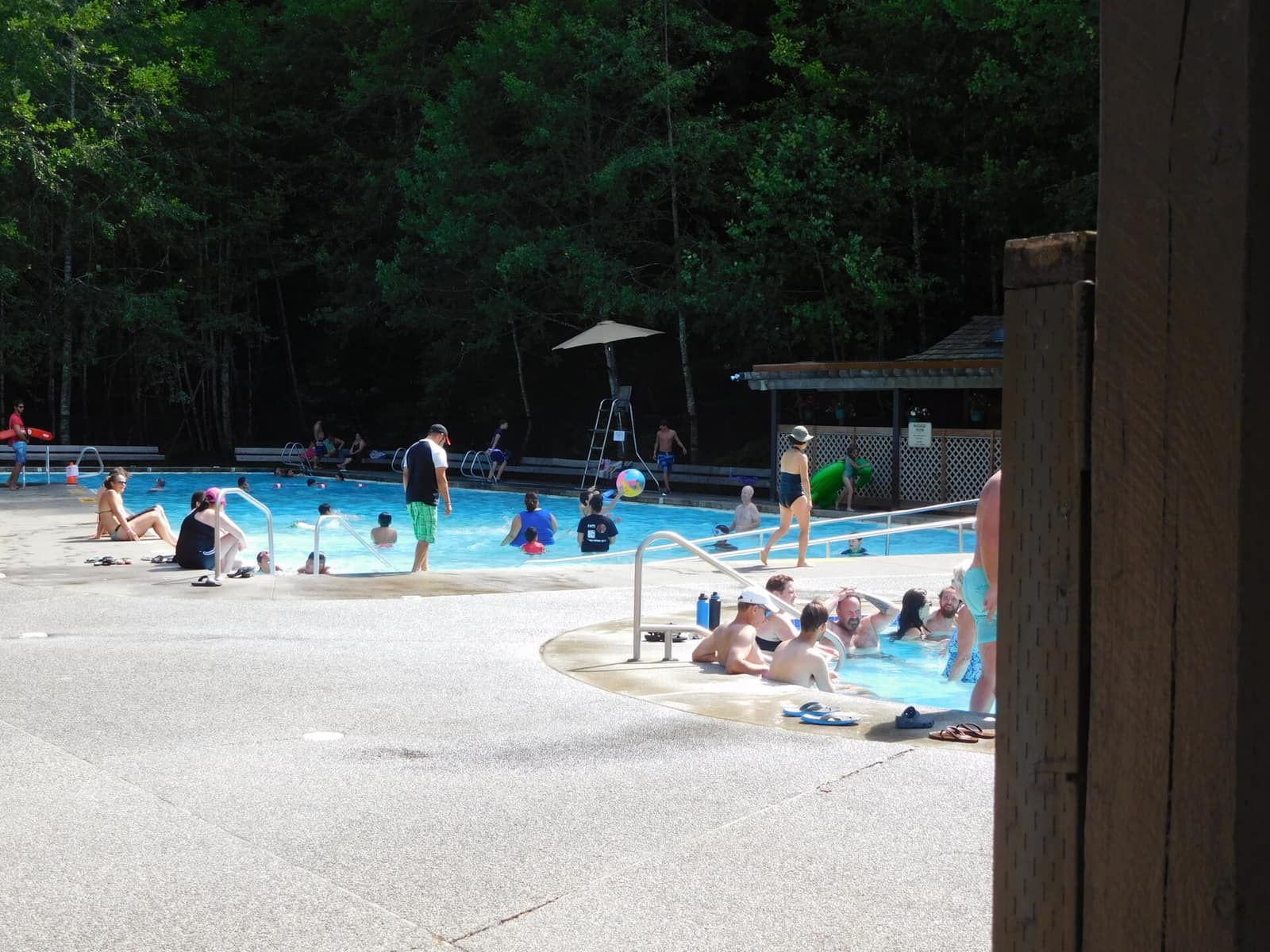
Sol Duc Campground sits at the end of Sol Duc Road, roughly 12 miles from the US-101 turnoff near Lake Crescent. The 82-site campground has flush toilets, a dump station, and pull-through sites large enough for RVs up to 35 feet. The draw is trail access. Sol Duc Falls (1.6 miles round-trip from the trailhead near camp), Seven Lakes Basin via the High Divide for those going multi-day, and the Mink Lake trail all start from the Sol Duc corridor. The Sol Duc Hot Springs Resort is less than a mile from the campground; day passes to the mineral pools are available without a room reservation.
Sol Duc accepts reservations through recreation.gov from mid-spring through Labor Day. Book as far in advance as the system allows for a July or August weekend.
Heart O’ the Hills Campground sits at 1,807 feet on Hurricane Ridge Road, about five miles above Port Angeles. It has 105 sites and runs first-come-first-served. The location rewards visitors on tight timelines: Port Angeles services are close if you need anything, and the drive up to Hurricane Ridge takes roughly 10 minutes. From the ridge, the Hurricane Hill Trail (3.2 miles round-trip) delivers the best views in the northern park on clear days.
Deer Park Campground, at 5,400 feet on the park’s eastern side, offers the highest-elevation frontcountry camping in Olympic. It has just 14 sites, runs first-come-first-served, and the gravel access road is not suitable for trailers or low-clearance vehicles. It opens mid-summer and closes in early fall depending on snowpack. On clear days, the views from camp are some of the widest in the Olympics. Expect cold temperatures at night even in August.
For trail distances and difficulty ratings accessible from each campground, the trails guide for Olympic National Park covers the full inventory.
Wilderness and Backcountry Camping
Olympic’s backcountry includes the coastal strip running from Oil City north past Rialto to Ozette, the interior lake country around Enchanted Valley and Flapjack Lakes, and the high alpine traverse of the Olympic Mountains. All overnight wilderness camping requires a permit.
Interior routes use a self-issue permit system at most trailhead registration boxes. The coast corridor requires a reservation-based permit during summer, available at recreation.gov up to six months in advance. Coastal designated campsites are spaced roughly one to three miles apart. Fires are prohibited on most of the coast; bring a stove. Bears, raccoons, and ravens are all active around food at coastal camps: bear canisters are required on several routes and recommended everywhere else.
The Olympic National Park campground listings include permit requirements broken out by zone.
Reservations, Permits, and Timing
Most Olympic campgrounds accept reservations beginning six months out through recreation.gov. Hoh, Kalaloch, Mora, and Sol Duc are the most competitive. For July and August stays, open recreation.gov when your six-month window opens and book immediately. Sites at these campgrounds routinely disappear within hours of release.
First-come-first-served campgrounds (Graves Creek, South Beach, Heart O’ the Hills in off-peak periods, Deer Park) are more forgiving, but the popular ones can still fill by midday on summer weekends. Plan to arrive early or target the shoulder season. May, June, and September offer shorter waits and functioning services at nearly every campground. October through November are worth considering for the rain forest campgrounds if wet, dark conditions suit your style. The month-by-month guide to visiting Washington covers seasonal trade-offs across the state.
The park entry fee is $35 per vehicle, valid for seven days, or covered by an America the Beautiful Interagency Annual Pass. Camping fees are charged separately per night.
What to Pack for Olympic’s Variable Weather
Olympic’s weather shifts dramatically by zone. Rain forest campgrounds can see rain any month of the year: bring a waterproof tent footprint, check your rain fly for leaks before leaving home, and expect mud. Coastal campgrounds add sustained wind to the equation; stake your tent thoroughly and bring extra guylines. Mountain campgrounds above 4,000 feet, including Deer Park and occasionally Heart O’ the Hills, can see freezing overnight temperatures in June and September.
Consistent gear across all zones: a sleeping bag rated to at least 20°F or a three-season bag with a liner, rain gear for day hikes beyond just a packable wind shell, waterproof camp shoes for wet ground around the tent, and bear-resistant food storage for any site. Ravens and Steller’s jays are persistent at Hoh and Sol Duc; hang food in a bear box or suspended from a line whenever you leave camp, not just at night.
Getting There and Nearby Lodging
Port Angeles is the primary gateway for the northern park entrances (Heart O’ the Hills, Hurricane Ridge) and sits about two and a half hours from Seattle via the Washington State Ferries Bainbridge Island crossing and US-101 west. Forks, on the west side of the peninsula, serves the rain forest and coast campgrounds. Kalaloch sits directly on US-101 along the coast with no separate park entry gate required from the highway.
If campgrounds are full, Port Angeles has motels and inns within 30 minutes of the northern trailheads. Forks has a range of budget accommodations serving the rain forest and coast zones. The Olympic Peninsula road trip itinerary covers lodging and logistics for each section of the park in detail. For broader options near any park entrance, the Washington hotels directory can help you find available rooms.
For current campground availability, road conditions, and seasonal closures, the Olympic National Park official site is the most reliable source before you leave home.