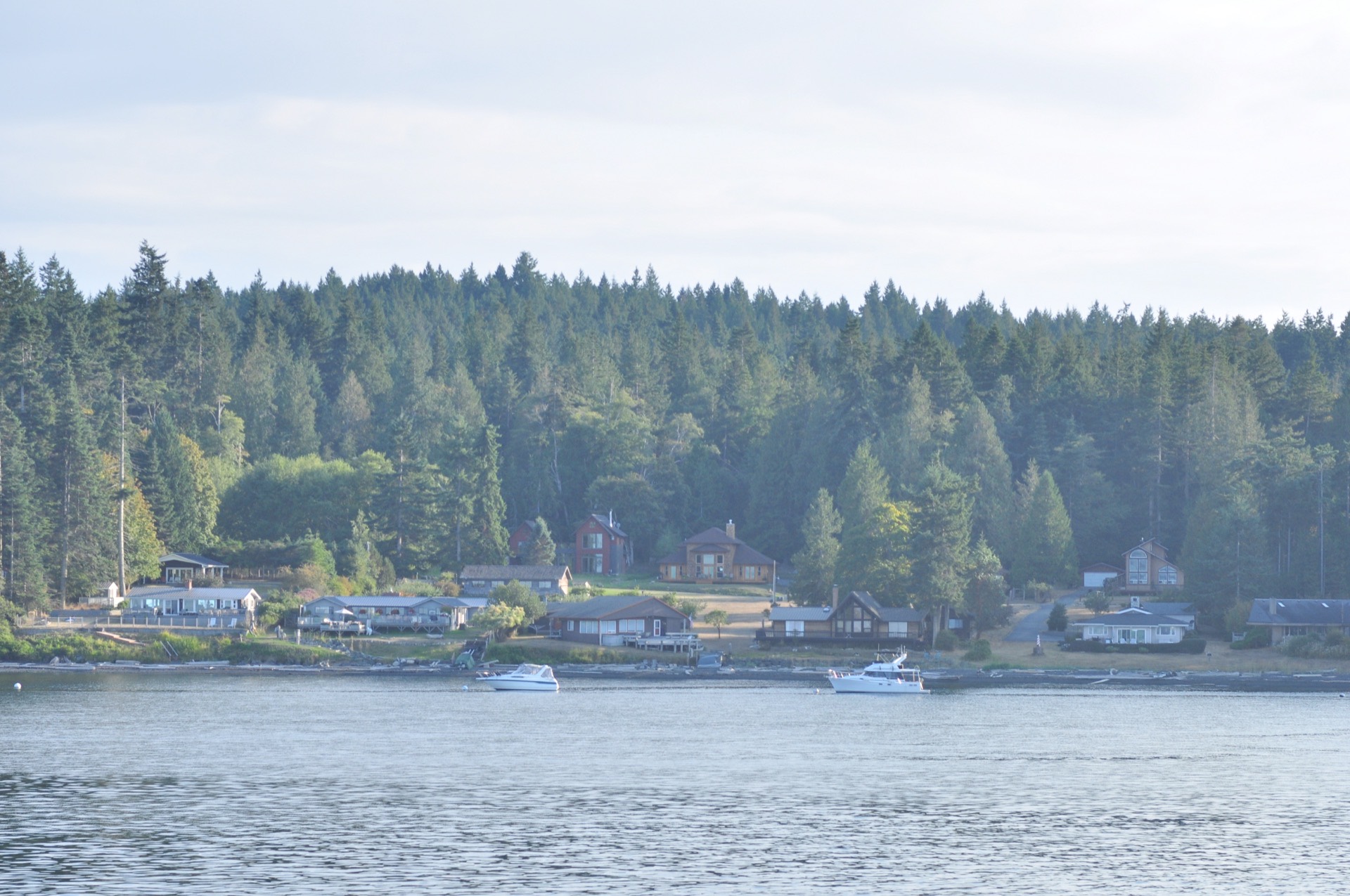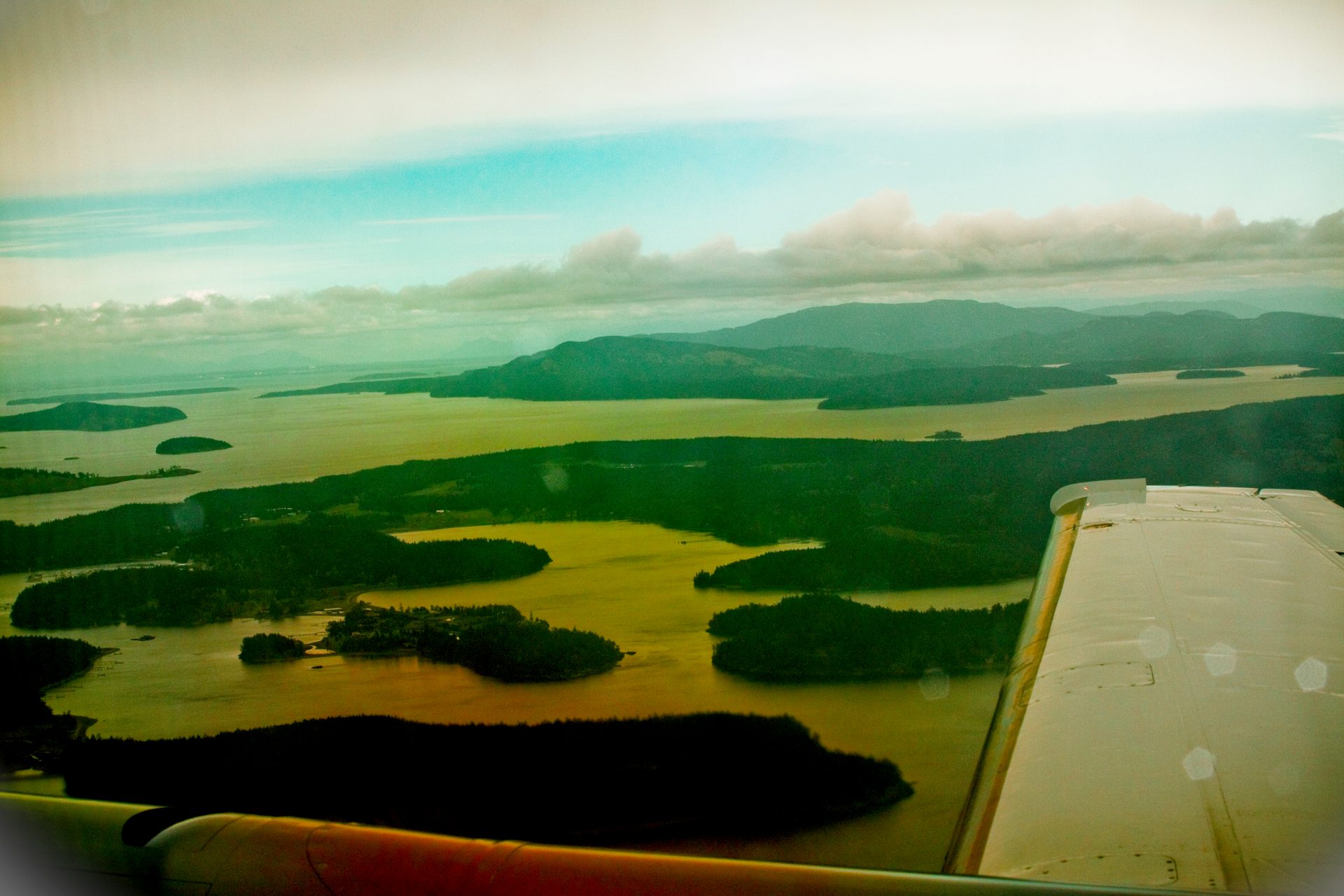
The San Juan Islands sit in a corner of Washington State where salt water meets forest in every direction. Approach from the Anacortes ferry terminal and the mainland steadily recedes: first to a line of hills, then to nothing. Ahead, a scatter of dark forested shapes emerge from the Salish Sea, separated by channels of cold blue water. There are 172 named islands in the archipelago, but four receive Washington State Ferry service: San Juan, Orcas, Lopez, and Shaw. These four are where most visitors spend their time, and each one feels distinct enough that choosing between them is a real decision, not just logistics.
This guide covers what makes each island worth visiting, how to reach them, the best season for whale watching, and what first-time visitors need to know before they board the ferry.
What the San Juan Islands Are
The San Juan Islands form the southernmost section of the Salish Sea archipelago, the inland waterway that stretches from Puget Sound north into British Columbia. Washington State claims 172 of the named islands; the rest belong to Canada. The four ferry-served islands range from busy and walkable (San Juan Island’s Friday Harbor is the largest town in the archipelago) to slow and agricultural (Lopez Island, where drivers wave at one another as a matter of custom).
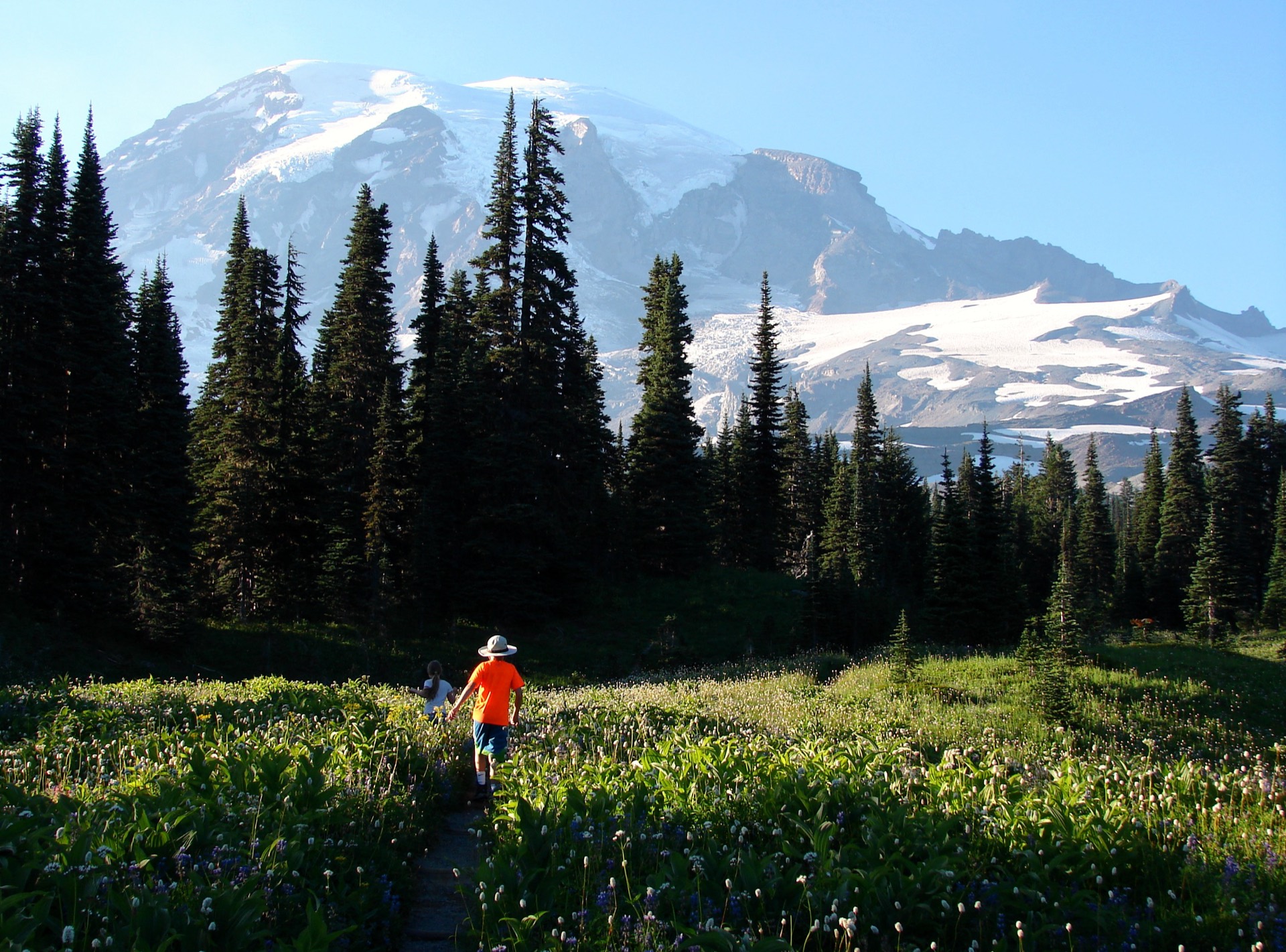
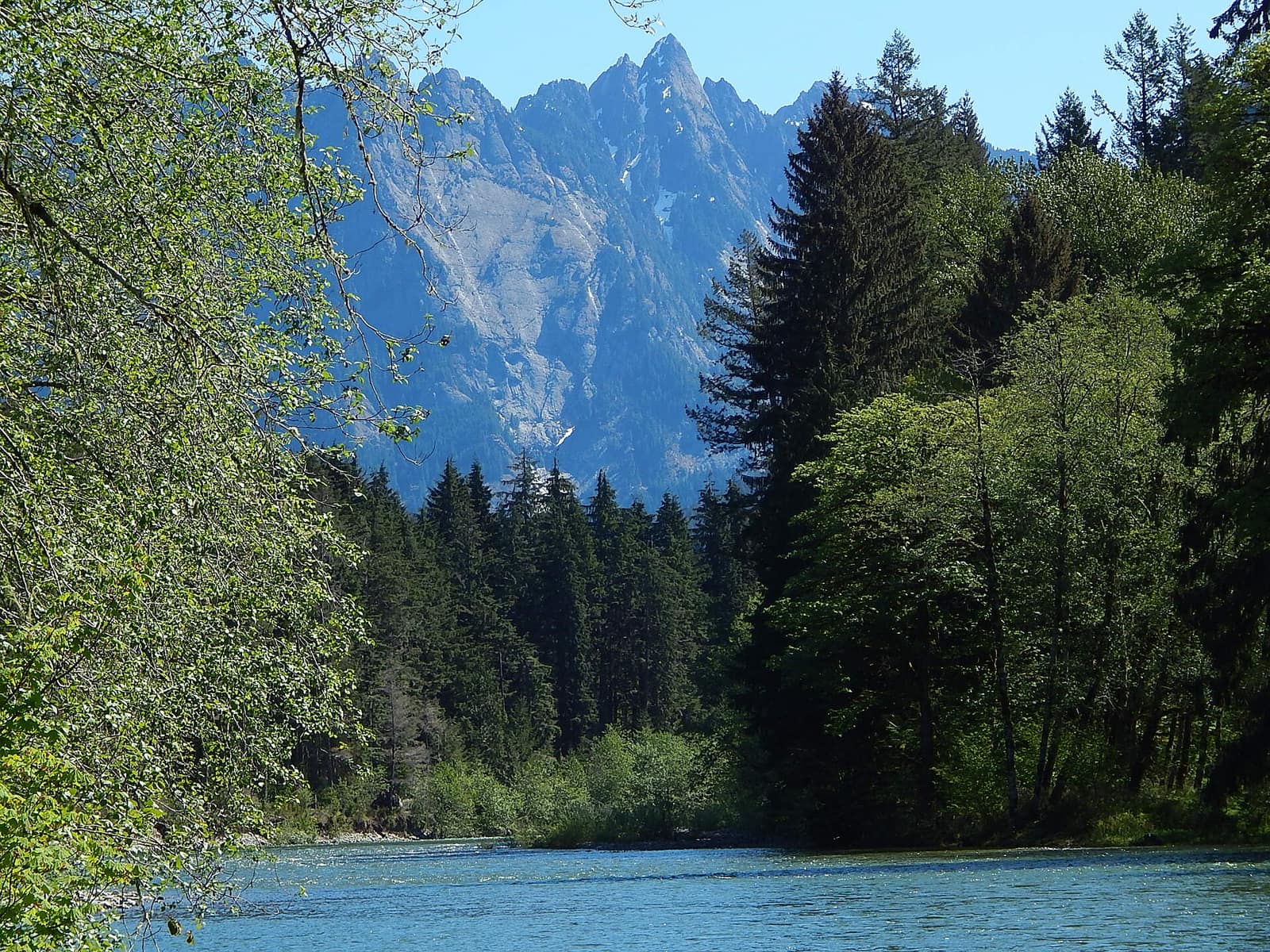
The islands sit in the rain shadow of the Olympic Mountains, which means they receive far less rainfall than Seattle. Summer days are often clear and warm, with afternoon temperatures in the low 70s and evenings cool enough to want a layer. The terrain mixes rocky shoreline, Douglas fir forest, and open meadow, with occasional views east toward the Cascade peaks and Mount Baker. It is a landscape that rewards time spent looking at water.
Getting to the San Juan Islands
Washington State Ferries run from Anacortes, a small city about 75 miles north of Seattle, to each of the main islands. The ferry terminal is off State Route 20, roughly an hour north of the Skagit Valley. Round-trip fares for vehicles run between $60 and $95 depending on destination; walk-on passengers pay around $15 per trip.
Walk-on travel is worth considering seriously. Cars are a constraint on the islands: parking is limited in Friday Harbor and nonexistent near many trailheads. Walking on, renting a bike or scooter on arrival, and relying on the island’s shuttle services frees you from that friction entirely. Our Washington State Ferry guide for the San Juan Islands covers reservations, vehicle vs. walk-on trade-offs, and what the crossing looks like in practice.
Summer ferries fill quickly. Vehicle reservations open at 8 a.m., 60 days before departure through the WSDOT website. If you’re traveling July through August, book as soon as reservations open or plan to walk on. Walk-on passengers board without advance tickets and rarely miss a sailing.
San Juan Island
San Juan Island is the most developed of the four, though developed here still means small-town scale. Friday Harbor, the archipelago’s only incorporated town, sits on a protected harbor on the island’s east side. The main street runs a few blocks uphill from the ferry dock, with restaurants, kayak rental outfitters, a whale-watching tour operator, and the San Juan Historical Museum occupying buildings that look as though they were built for exactly this purpose.
Beyond town, the island breaks into farmland and rocky coastal bluffs. Lime Kiln Point State Park, on the island’s west side, is one of the best land-based orca-watching spots on the Pacific Coast. The park sits on a cliff above Haro Strait, where the Southern Resident orcas travel during summer salmon runs. A short trail leads from the parking area to the 1919 lighthouse and adjacent viewing area. The Lime Kiln Point State Park page has directions and seasonal hours.
Roche Harbor, at the island’s northwest tip, was once an industrial lime-quarrying operation. Today it’s a resort, marina, and small village with a hotel, restaurants, and walking paths through old company-town architecture, including a mausoleum for the former owner built in the style of an Arthurian round table. It’s worth the 10-mile drive from Friday Harbor for an afternoon, particularly if you’re doing the island by bike.
Orcas Island
Orcas Island is the largest of the San Juan Islands by area and the most rugged. The island is shaped like a horseshoe, with East Sound forming a 10-mile-long inlet that cuts into the interior. Most visitor services concentrate in Eastsound, the main village, which sits at the head of the sound with a grocery store, cafes, galleries, and a small farmers market on Saturdays in summer.
Moran State Park takes up the island’s center and eastern lobe: 5,252 acres of forest, four lakes, and 38 miles of trails. Mount Constitution, accessible by road or a moderately strenuous 4-mile hike from Cascade Lake, tops out at 2,409 feet, the highest point in the San Juan Islands. On clear days, the stone summit tower offers views from the Cascades to Vancouver Island. Cascade Lake has a swimming beach and rowboat rentals in summer. The Moran State Park page has campsite and trail details.
Rosario Resort, built by shipbuilding magnate Robert Moran in 1906, sits on the east shore of Orcas near the park boundary. The historic mansion houses a small museum and a pipe organ Moran had installed for his personal use. The resort’s waterfront restaurant is a reasonable option for dinner if you’re staying on Orcas.
Orcas suits visitors who want to hike, camp, and move at a deliberate pace. It takes longer to get places than on San Juan Island, and it rewards that slowness.
Lopez Island
Lopez is flat, agricultural, and deliberately quiet. The island’s topography makes it the best of the four for cycling: gentle grades, minimal car traffic, and roads that pass working farms, meadows, and ocean views without serious climbing. A circumnavigation by bike runs about 30 miles; most cyclists complete it in a half day with stops.
Spencer Spit State Park, on the northeast shore, offers a beach campground and a rare sandspit formation that extends into Lopez Sound at low tide. Shark Reef Sanctuary, at the island’s southwest corner, is a short hike through old-growth Douglas fir to a rocky shoreline where harbor seals haul out and the current rips through the channel between Lopez and San Juan islands. Sea otters and bald eagles are regular sights along the trail.
Lopez Village has a market, a couple of well-regarded restaurants, and a bike rental shop near the ferry landing. It’s the island you choose if you want to slow down and not spend much time around other tourists. Accommodation options are limited, so book early if you’re staying overnight.
Whale Watching in the San Juan Islands
The San Juan Islands are one of the most reliable places on the West Coast to see orca whales. Three pods of Southern Resident orcas, designated J, K, and L pod, travel the waters around the islands during summer, following Chinook salmon runs through the Salish Sea. Peak season runs from late May through September, with July and August most consistent.
Shore-based viewing from Lime Kiln Point State Park on San Juan Island is free and genuinely productive during active years. The park sits on a cliff directly above Haro Strait, one of the orcas’ primary travel corridors. A pair of binoculars helps; the whales typically pass 200 to 400 meters offshore. The Center for Whale Research at Friday Harbor tracks the Southern Residents and publishes sighting reports at whaleresearch.com.
Boat-based whale watching tours depart from Friday Harbor and from Anacortes, typically running 3 to 4 hours. Several operators offer naturalist-narrated excursions on rigid-hull inflatables or larger passenger vessels. Book in advance for July and August departures; popular morning trips sell out days ahead. The San Juan Islands support a second population of whales worth watching: Bigg’s killer whales (transient orcas), which hunt marine mammals rather than fish, appear year-round even when the Southern Residents are elsewhere.
Minke whales, Dall’s porpoises, and harbor porpoises are common secondary sightings throughout the summer season. Steller sea lions haul out on rocky islets near the ferry route between Anacortes and Lopez.
When to Go and How to Plan
June through September is the core visitor season. July and August bring the best weather and the most reliable whale activity, but also the longest ferry lines and the highest accommodation rates. June offers similar weather with lighter crowds; September keeps warm temperatures while ferry waits shorten as families return home from summer travel.
October through April is quieter. Many island restaurants run reduced hours or close entirely in winter, and some accommodations shutter from November through March. The shoulder months of May and October offer a reasonable middle ground: lower prices, manageable ferries, and enough open businesses to plan a full trip.
Accommodation on the islands skews toward bed-and-breakfasts, small inns, and vacation rentals. San Juan Island has the widest range; Orcas Island has some of the most distinctive, including Rosario Resort and a cluster of high-quality small inns around Eastsound. Lopez has few lodging options relative to demand, so book as far ahead as possible.
For a broader look at seasonal patterns across Washington, the best time to visit Washington State guide covers what to expect month by month, including ferry and lodging booking windows.
If the San Juan Islands are part of a longer Pacific Northwest road trip, they pair well with the Olympic Peninsula: you can reach Anacortes from Port Angeles or Port Townsend via US-101 and SR-20 without backtracking through Seattle. The Olympic Peninsula road trip guide outlines a 7-day route that works as either a lead-in or a follow-on to an island stay.
Getting Between Islands
The ferry connects all four islands on a single loop route, so island-hopping is possible without returning to Anacortes. Inter-island fares are lower than the Anacortes fare, and walk-on passengers can move between islands with flexibility that car travelers cannot easily match. Timing matters: the ferry runs a fixed loop, and stopping at one island adds wait time before reaching the next. Check the WSDOT schedule before planning multi-island days, as gaps between stops can run several hours depending on the route direction.
San Juan Island Commuter, a private water taxi service, also runs between islands and to Anacortes on a faster and more flexible schedule than the state ferry. It’s a useful option if you’re on foot and want to fit two islands into a single day.