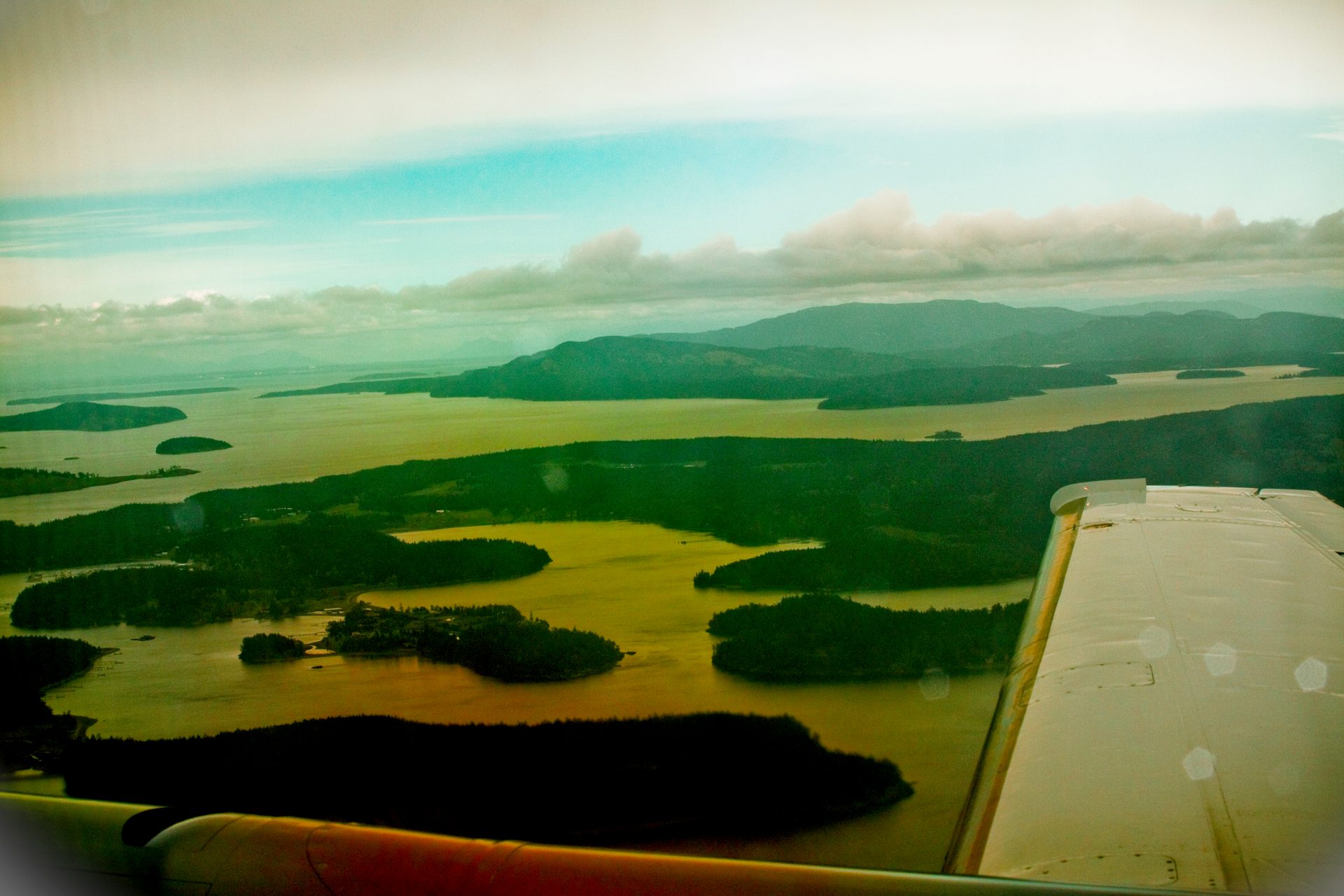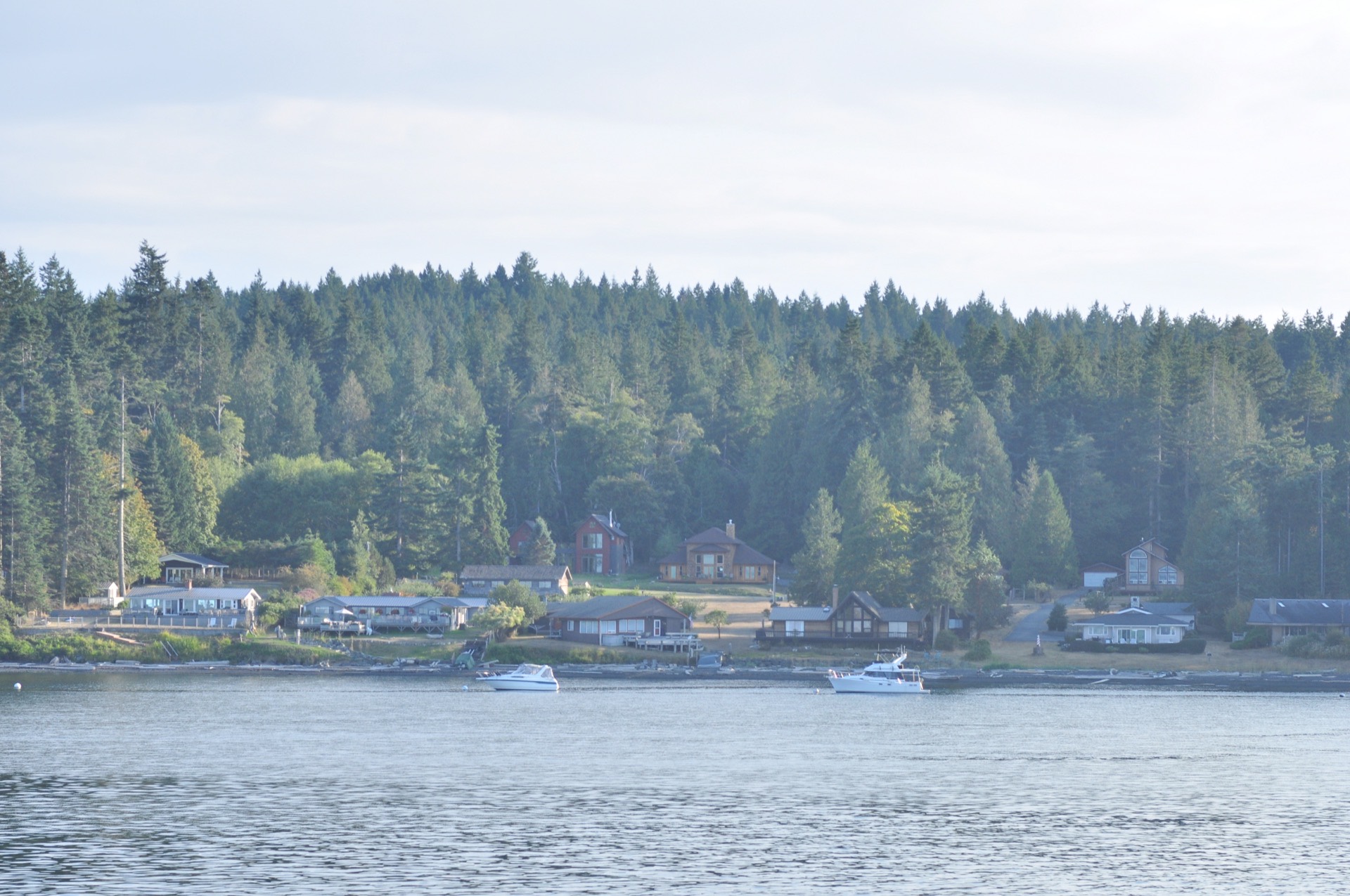
The moment the Washington State Ferry clears Anacortes and enters open water, the skyline of the mainland shrinks to a treeline and then to nothing. Ahead: a scatter of forested islands, salt water in every direction, and the low rumble of the engines underfoot. Getting to the San Juan Islands takes planning, but the Washington State Ferry is the heart of the experience. This guide covers the route, the reservations system, what to expect on the crossing, and how to choose which island to visit first.
The Route: Anacortes and the Four Island Stops
The Washington State Ferries Anacortes–San Juan Islands route is the only public ferry service connecting the mainland to the islands. It departs from the Anacortes ferry terminal at the end of SR-20 on Fidalgo Island, with scheduled stops at four islands:
- Lopez Island (first stop, roughly 45 minutes from Anacortes)
- Shaw Island (second stop, roughly 60 minutes from Anacortes)
- Orcas Island (third stop, roughly 90 minutes from Anacortes)
- San Juan Island / Friday Harbor (fourth stop, roughly 2 hours from Anacortes)
Not every sailing makes all four stops. Some runs skip Lopez or Shaw entirely. Check the current Washington State Ferries schedule at wsdot.wa.gov/ferries for your specific travel date before booking anything. The return run reverses the order, with San Juan Island as the first stop heading back toward Anacortes.
During summer, a separate international service runs from Friday Harbor to Sidney, British Columbia. That crossing requires a passport and operates on a different schedule from the mainland route.
Getting to the Anacortes Ferry Terminal
Most visitors arrive by car from Seattle, roughly 80 miles north on I-5 to Burlington, then west on SR-20 through the Skagit Valley. The drive takes 1.5 to 2 hours depending on I-5 traffic. SR-20 passes through the Skagit flats and crosses the channel at Deception Pass Bridge, one of Washington’s most photographed vantage points. If you haven’t seen it, stop.
Parking at the terminal is available in short-term and long-term lots adjacent to the terminal building. Long-term rates run roughly $15–20 per day during peak season. Summer lots fill early. Check the Washington State Ferries parking availability page before your departure day, and consider parking in the Anacortes town lots with a shuttle connection if the terminal lots are at capacity.
Travelers coming from Bellingham (20 miles north) can use Skagit Transit bus service to reach Anacortes, which makes walk-on travel viable from the north without a car rental.
Reservations, Tickets, and Walk-On Travel
This is where first-time visitors most often get caught out.
Vehicle reservations are strongly recommended from Memorial Day through Labor Day. The Anacortes–San Juan Islands route is among the most congested in the state system. Vehicle space fills weeks in advance during peak summer. Reservations open 90 days ahead at the Washington State Ferries website. If you show up in July without a reservation, plan for the very real possibility of waiting through two or three sailings before you get on.
Key facts on the reservation system:
- Reservations apply to your vehicle. You’re charged for the vehicle and driver; additional passengers pay separately at the terminal kiosk or online.
- Walk-on passengers do not need reservations. Pedestrians, cyclists, and kayak carriers board first, before vehicles. If you’re traveling to Friday Harbor or Lopez Village, walking on and renting a car or bike on the island is a legitimate strategy.
- A small non-refundable reservation fee applies on top of the base fare. Canceling changes your fee; late arrivals forfeit their spot and must join standby.
- Standard vehicle fares from Anacortes to San Juan Island run approximately $55–70 each way (not including passengers). Walk-on adult fares are roughly $14–17. Bicycles carry a small surcharge. Check current rates on the WSF site, as fares adjust seasonally.
Standby travel: Unreserved vehicles join the standby line. On weekday mornings and midweek sailings, standby success is reasonable. On summer holiday weekends, standby is a gamble. Arrive at least 90 minutes before the sailing you want to target.
The Crossing: What to Expect Onboard
Washington State Ferry vessels on this route are large multi-deck boats, typically Olympic Class ferries. Onboard facilities include a galley with hot food, espresso, sandwiches, and packaged snacks; indoor seating on multiple levels with wide windows; and open upper-deck space. Bring a layer for the upper deck, even on warm summer days. The wind picks up in the channels.
Journey times are genuine, not just time in a parking lot. The crossing to Friday Harbor takes about two hours from Anacortes, with stops. Use the time: get food, get deck space early, and watch the islands come into view.
Wildlife sightings are a regular part of the crossing. Harbor seals haul out on rocky outcrops throughout the route. Bald eagles are common overhead. Steller sea lions appear on rocks in winter and early spring. And orca pods: the resident J, K, and L pods travel the channels around San Juan Island throughout summer. A sighting from the ferry isn’t guaranteed, but if you’re going to see orcas from a boat in Washington, this route is your best opportunity outside a dedicated whale watching excursion.
The Four Islands: Which One Fits Your Trip
Each stop has a different character. The choice matters more than first-time visitors expect.
Lopez Island is the flattest of the group and the most welcoming to road cyclists. Lopez Village has a grocery, a handful of restaurants, and a general pace of life that runs deliberately slow. The beaches here (Agate Beach, Otis Perkins Park) are quiet and accessible. Lopez suits visitors who want to decompress rather than check boxes. If you’re cycling, come in summer for dry roads; for road conditions and seasonal context across Washington, this month-by-month timing guide is worth reading before you finalize travel dates.
Shaw Island is roughly 8 square miles with no tourist infrastructure: no restaurants, no hotels, no visitor services. The ferry stops, exchanges freight and locals, and moves on. Most through-passengers don’t step off. Unless you know someone on Shaw or are camping with a permit, there’s no reason to disembark.
Orcas Island is the largest and most dramatic of the four. Moran State Park covers nearly 5,000 acres in the island’s interior, centered on Mount Constitution at 2,409 feet. The stone observation tower at the summit looks out over the Olympic Mountains, the North Cascades, Mount Baker to the north, and the full spread of the islands below. The park contains Cascade Lake and Mountain Lake, roughly 38 miles of hiking trails, and a campground. Eastsound, the main town, has several good restaurants, independent galleries, and kayak rental outfitters working out of the dock. Orcas is the destination for visitors whose priority is outdoor time and elevation.
San Juan Island / Friday Harbor is the most accessible and most developed of the group. Friday Harbor is a real small town: restaurants, wine bars, gear shops, whale watching tour operators, and the ferry terminal all within walking distance of each other. The San Juan Island National Historical Park preserves two sites from the 1859 Pig War standoff between the U.S. and Britain: English Camp on the north end of the island and American Camp on the south. Both are free to enter and worth an afternoon. Lime Kiln Point State Park, on the island’s west side facing Haro Strait, is one of the best shore-based orca viewing spots in the Pacific Northwest. The resident pods travel the strait throughout summer, and sightings from the rocky bluffs are frequent enough that the park is sometimes called Whale Watch Park.
Walk-On vs. Vehicle: Making the Decision
Bringing a car onto the ferry adds cost (the vehicle fare), reservation complexity, and standby risk. It also gives you full freedom once you land. Here’s how to think through the choice by island:
Friday Harbor / San Juan Island: Walk on. The town is a 10-minute walk from the dock. Lime Kiln and American Camp are reachable by local taxi, rideshare, or bike rental. A car is genuinely optional here.
Lopez Island: Walk on if you’re cycling and bringing your own bike. Drive if you’re not cycling, since the beaches and lodges are spread across a flat but car-dependent island.
Orcas Island: Drive, or arrange an island car rental in advance. Moran State Park is several miles from the ferry landing at Orcas Village. The town of Eastsound is another mile or two beyond that. Public transit options are limited. Orcas is hard to enjoy without wheels.
Cyclists should note that bikes ride for a small additional fare and board with walk-on passengers. Lopez is the natural cycling destination; the island loop runs under 30 miles on low-traffic roads, making it a clean day-trip format.
When to Go and Tips for a Smooth Trip
Peak season runs from late June through Labor Day. Ferries are crowded, reservations are essential weeks in advance, and Friday Harbor gets genuinely busy on summer weekends. The shoulder seasons (May, September through mid-October) offer full island services with calmer crossings and much better standby odds. Spring is particularly good for birding and wildflower timing on the south end of San Juan Island. For a full seasonal breakdown of Washington State travel, this month-by-month guide covers conditions across the state.
Practical tips:
- With a reservation, arrive at the terminal 30–45 minutes before sailing. Standby in summer: 60–90 minutes minimum.
- Cell service on the ferry is intermittent through the islands. Download the WSF Ferry Tracker app before you leave and cache your schedule offline.
- The galley coffee is better than expected. The hot food is simple but adequate for a two-hour crossing.
- Dogs are welcome on the ferry and most island trails. State park areas require leashes.
- If you’re pairing the San Juans with a broader western Washington itinerary, the Olympic Peninsula sits 2–3 hours south of Anacortes and adds a logical extension. A 7-day Olympic Peninsula road trip gives you a complete western Washington arc, from islands to rainforest to wild Pacific coast.
The San Juan Islands reward visitors who do the logistics in advance. The ferry is not the obstacle; it’s the experience. Sort the reservations, pick your island, and the rest of the trip takes care of itself.