“When should I visit Washington?” is the question we hear most often. The honest answer: it depends entirely on what you want to do.
Washington isn’t a one-season destination. The state transforms dramatically throughout the year — from the gray, moody winters that feed its famous rainforests to the electric blue summers that make the Cascades feel like the Alps. Here’s what each month offers.
Spring (March – May)
March
Spring arrives slowly in Washington. The western lowlands start to green up, cherry blossoms appear on the University of Washington campus (usually peaking around mid-March), and the ski resorts are still running strong at higher elevations.
Best for: Cherry blossoms, spring skiing, whale watching season begins on the coast.
April
Rain is frequent but lighter than winter. Tulip fields in the Skagit Valley explode with color — the Skagit Valley Tulip Festival draws visitors from around the world. Wildflowers begin appearing at lower elevations in the Cascades.
Best for: Skagit Valley Tulip Festival, wine country (uncrowded tasting rooms), waterfall season begins.
May
The transition month. Western Washington warms into the mid-60s, snow begins retreating from lower mountain passes, and the outdoor season officially kicks off. Many campgrounds and trailheads open for the season.
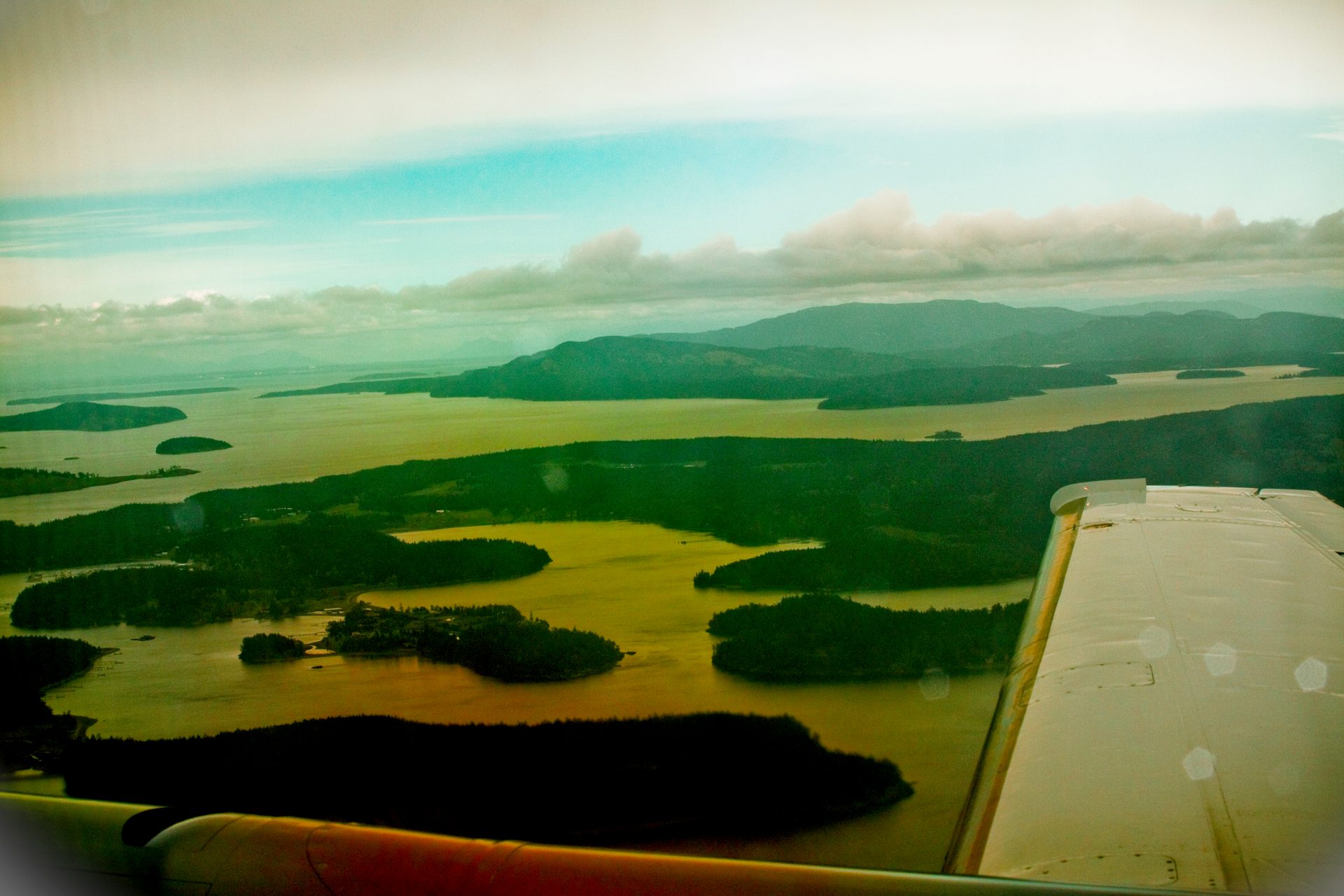
Best for: Hiking (lower elevations), camping season opens, San Juan Islands before summer crowds.
Summer (June – August)
June
This is when Washington becomes world-class. Long days (16+ hours of daylight near the solstice), temperatures in the 70s, and still-snowy peaks create a landscape that’s hard to beat anywhere on earth. High-country trails start opening.
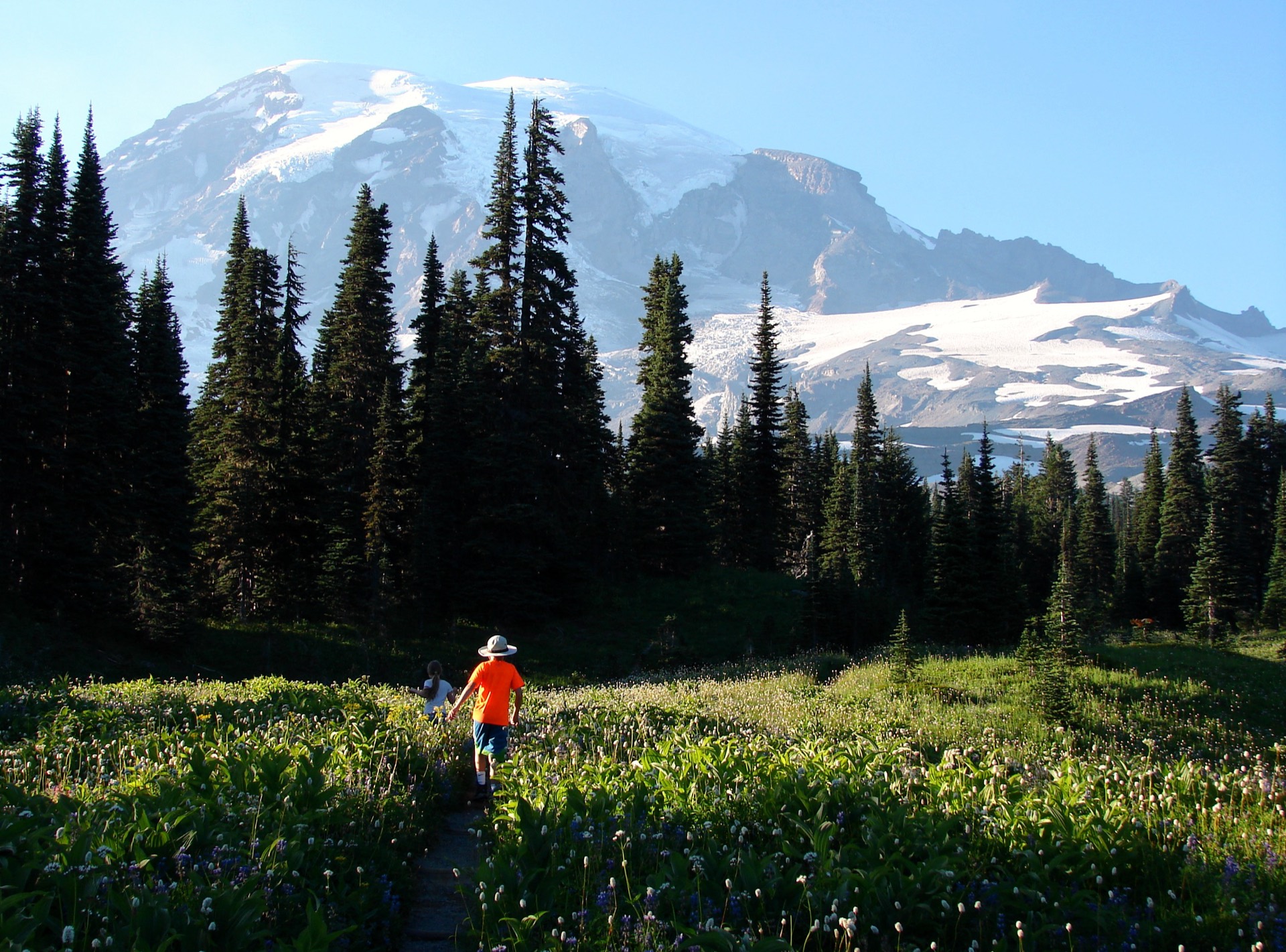
Best for: Mount Rainier wildflowers begin, long daylight hours, whale watching in the San Juans.
July
Peak season. The driest, warmest month in western Washington — expect temperatures in the high 70s to low 80s. National parks are at their busiest but also their most accessible. Eastern Washington heats up into the 90s, perfect for lake and river recreation.
Best for: Alpine hiking, national park road trips, lavender festivals in Sequim, outdoor festivals.
August
Still peak conditions, but the light starts shifting. Smoky haze from regional wildfires can affect air quality some years — check forecasts. Berry season is in full swing, and wine country is building toward harvest.
Best for: Swimming, berry picking, Perseid meteor shower (head east for dark skies), wine country pre-harvest.
Fall (September – November)
September
The secret best month. Summer crowds thin dramatically after Labor Day, but the weather stays warm and dry through mid-September. Fall colors begin in the high country. Wine harvest season brings events and energy to the Yakima and Walla Walla valleys.
Best for: Hiking without crowds, wine harvest, fall colors at elevation, last warm-weather camping.
October
Peak fall foliage across the state. Western Washington gets its first real rains, which turns the forests impossibly green. Eastern Washington’s vineyards and orchards glow gold and red. Leavenworth’s Oktoberfest draws big crowds.
Best for: Fall foliage, apple orchards, Leavenworth Oktoberfest, mushroom foraging, cozy cabin getaways.
November
Winter arrives. Mountain passes start getting snow, rain returns to the west side in earnest, and the state settles into its quiet season. Ski resorts begin opening late in the month. Storm watching on the coast becomes a draw.
Best for: Storm watching on the Olympic coast, early ski season, holiday markets, uncrowded travel.
Winter (December – February)
December
Holiday spirit takes over. Leavenworth becomes a Bavarian Christmas village with lights and mulled wine. Seattle’s holiday markets and light displays are worth a visit. Ski resorts are fully operational.
Best for: Leavenworth Christmas lights, skiing and snowboarding, Seattle holiday events.
January
The quietest month for tourism and often the best deals on lodging. Ski season is in full swing. Bald eagles gather along the Skagit River (one of the largest winter concentrations in the lower 48). Rain is constant on the west side — embrace it.
Best for: Skiing, bald eagle watching, budget travel, rain forest hikes (the rainforest is most dramatic in winter).
February
Days start getting noticeably longer. Early wildflowers appear at low elevations. Ski conditions are often excellent with a deep snowpack. Valentine’s Day weekend brings wine country specials.
Best for: Skiing, early spring flowers, wine country getaways, gray whale migration begins.
The Bottom Line
If you’re forced to pick just one window: late June through mid-September gives you the most reliable weather, the most open trails, and the fullest range of activities.
But Washington rewards every season. The visitors who come back year after year will tell you the same thing: the moody, gray months have their own magic. A rainforest hike in January, a fireside evening in Walla Walla wine country in November, bald eagles in the January mist — these are the experiences that make Washington more than a summer destination.
Come whenever you can. The state will meet you where you are.