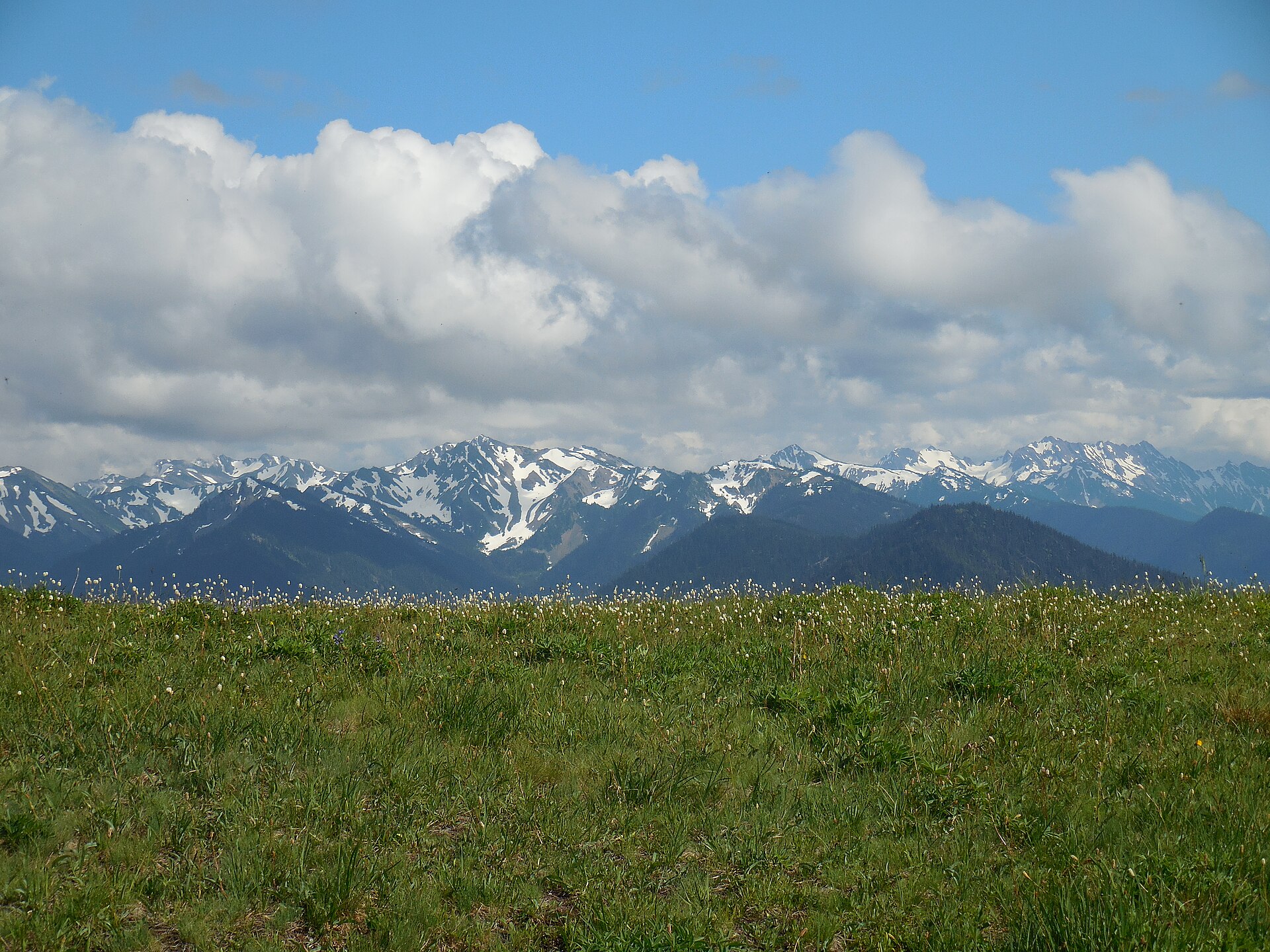
On a clear day, standing at Hurricane Ridge feels like the top of the world. Subalpine meadows roll out ahead of you, Olympic mountain peaks rise to the south, and the Strait of Juan de Fuca glints far below to the north. This is Olympic National Park at its most visually arresting, and the Hurricane Ridge Visitor Center is where most people begin to take it all in.
If you’re planning a day trip to Olympic National Park, Hurricane Ridge deserves serious attention. It’s accessible by car, genuinely family-friendly, and rewards visitors whether they want a leisurely walk among wildflowers or a full-day ridge hike. This guide covers the practical details: how to get there, what the visitor center offers, which trails to choose, and what conditions to watch for before you make the drive.
Getting to Hurricane Ridge
Hurricane Ridge sits at roughly 5,200 feet elevation, about 17 miles south of Port Angeles via Hurricane Ridge Road, a paved mountain road that climbs steadily from the Olympic National Park Visitor Center near the park entrance in town.
The drive from Port Angeles takes 30 to 45 minutes depending on traffic and conditions. The road is narrow in sections with pullouts for scenic viewing, so expect slower speeds near the summit. From Seattle, the total trip by car ferry takes about 2.5 to 3 hours: drive north to Edmonds and board the Edmonds-Kingston ferry, then head west through Sequim and Port Angeles. You can also take the Port Townsend-Coupeville ferry across Admiralty Inlet if you’re coming from the east side of Whidbey Island.
Port Angeles is the logical base for the trip regardless of your approach. It has the widest selection of hotels and services on the northern Olympic Peninsula, and the Olympic National Park Visitor Center here is the right place to fill water, use restrooms, and pick up a current park map before heading up the mountain road.
Road hours and seasonal access: Hurricane Ridge Road operates on a schedule maintained by the park. During peak summer season (roughly mid-June through late October), the road typically opens at 7am and closes at 8pm. In spring and early summer, hours are shorter, and in winter the road generally opens only on weekends when conditions allow. The road closes entirely during high winds, heavy snowfall, and active snow removal.
Check the Olympic National Park road status page before heading up, especially for May visits or any time outside July and August. A road that was open yesterday may close by morning.
Entry fees: The standard national park fee applies ($35 per vehicle in 2026, valid for 7 days). The America the Beautiful annual pass is accepted at the fee station partway up Hurricane Ridge Road. If you’re visiting multiple national parks during your Washington trip, the annual pass pays for itself quickly.
What You’ll Find at the Visitor Center
The Hurricane Ridge Visitor Center anchors the upper parking area at road’s end. It’s a substantial building with a full south-facing deck that frames the Olympic Range, and it’s worth more than a quick restroom stop.
Inside:
- Interpretive exhibits covering the Olympic mountain ecosystem, the geology of the range, and the wildlife species found only on the Olympic Peninsula. The displays on the park’s endemic species (Olympic marmot, Olympic torrent salamander, Olympic mudminnow) are well done and give context to what you’re about to see on the trails.
- A gift shop and bookstore stocking field guides, topographic maps, children’s books about the park, and regional titles on Pacific Northwest natural history.
- A snack bar and cafe serving hot coffee, sandwiches, soups, and snacks. Hours vary by season and staff availability; it’s most reliably open from late June through Labor Day weekend. Don’t count on it being open for an early-morning October visit.
- Clean flush restrooms, a detail worth noting since many trailheads on the peninsula offer only pit toilets or nothing at all.
- Ranger programs in peak season, including 20-minute talks on the deck and guided walks out to Big Meadow. Check the board inside the visitor center for the day’s schedule.
The south-facing deck is where most first-time visitors spend a few minutes with their phones out, and reasonably so. On clear days the view reaches Mount Olympus (7,980 feet, the highest peak in the range) and the Bailey Range to the southwest, with the full sweep of the Olympics visible from east to west. Bring binoculars: the snowfields and cirques visible from the deck look entirely different at magnification.
Hiking from Hurricane Ridge
The trails radiating from the visitor center parking area cover a wide range of difficulty, from a flat meadow path suitable for strollers to a multi-hour ridge traverse with real elevation gain.
Big Meadow Loop (0.5 miles, easy)
A paved and packed-gravel path looping through the open meadow directly in front of the visitor center. This is the right choice for families with young children, anyone with limited mobility, or visitors who want the full subalpine scenery experience without committing to a climb.
The wildflower display in late July and early August turns the meadow into a dense patchwork of color: red paintbrush, purple lupine, white bistort, and yellow arnica compete for space across the slope. It’s among the most accessible wildflower walks anywhere in Washington. Black-tailed deer browse the meadow edges throughout the day and are frequently within 50 feet of the trail.
Hurricane Hill Trail (3.2 miles round trip, moderate)
The signature hike from the visitor center. From the trailhead near the western end of the parking lot, the path follows the ridgeline west for 1.6 miles to the 5,757-foot summit of Hurricane Hill. Elevation gain is about 700 feet spread over a steady climb through subalpine fir and open meadow.
Views from the top add the Strait of Juan de Fuca to the north and, on the clearest days, the skyline of Victoria, British Columbia across the water. The south view takes in the Olympics with more depth than the visitor center deck provides, since the additional elevation and distance from the building opens the angle. Allow 2 to 3 hours with time at the summit. Carry water; there’s no reliable source on the trail.
Go early. The trail is wide and well-maintained, which makes it popular, and the summit fills by mid-morning on summer weekends.
Klahhane Ridge Trail (longer, strenuous)
For hikers who want elevation, solitude, and connection to the broader trail network, Klahhane Ridge heads east from the visitor center area and climbs exposed ridgeline terrain above the Hurricane Ridge Road. The trail connects into Olympic’s interior trail system and can serve as the entry to multi-day backcountry routes.
The first two miles give excellent views without requiring a full-day commitment. Snow lingers on Klahhane Ridge later in the season than on Hurricane Hill, so check conditions with the rangers at the visitor center before starting. This trail rewards hikers who find Hurricane Hill too social.
For a broader look at day hiking in Washington’s national parks, the Mount Rainier day hikes guide covers eight trails across skill levels at the state’s other major alpine destination.
Wildlife at Hurricane Ridge
Hurricane Ridge is one of the best places in Washington to observe subalpine wildlife at close range. The meadows and talus slopes support species that out-of-state visitors rarely encounter anywhere else.
Olympic marmots are found nowhere else on earth. Endemic to the Olympic Peninsula and listed as a species of concern, they inhabit burrow colonies throughout the subalpine zone and are active from late May through September before entering hibernation. They’re larger than the more common yellow-bellied marmot you’d see in the Cascades. Listen for their sharp, two-note whistle calls as you walk Big Meadow or approach the talus edges near Hurricane Hill. Burrow entrances appear as dirt mounds at meadow margins.
Black-tailed deer are reliably present near the visitor center and along both the Big Meadow Loop and the first half-mile of Hurricane Hill Trail. The deer at Hurricane Ridge are habituated to human presence and often browse within a few yards of people. Admire them from distance; feeding or approaching wildlife is prohibited and disrupts natural behavior.
Raptors: Red-tailed hawks hunt the open meadows throughout the day. Late summer brings golden eagles riding thermals along the south-facing ridges, typically visible from the visitor center deck or the upper section of Hurricane Hill Trail.
Black bears range throughout Olympic National Park but are more commonly encountered in the forest valleys at lower elevations than at Hurricane Ridge. Standard precautions apply: store food in your vehicle, don’t approach bears, and carry bear spray on longer hikes.
For other Washington hikes with memorable wildlife and waterfall encounters, see 5 hidden waterfalls worth the hike in Washington.
When to Visit
July and August are peak for good reason. The road opens daily, wildflowers peak in the meadows, ranger programs run on full schedules, and the snack bar is reliably staffed. The tradeoff: summer weekend parking lots fill completely by 10am. Arrive before 8:30am or plan a weekday trip if you have flexibility.
June offers a quieter experience with snowfields still covering parts of the upper meadow. Hurricane Hill Trail is hikeable to the summit by mid-June most years, though the upper third may have snow. The wildflower season starts at the lower meadow edges by late June.
September is the local favorite. Crowds drop sharply after Labor Day, the weather often holds clear and cool into mid-month, and Olympic marmots are highly active as they build weight for hibernation. The snack bar hours shorten, but the trails are far less crowded.
Winter weekends offer a genuinely different visit. When the road opens (Saturdays and Sundays when conditions allow), the area around the visitor center is groomed for snowshoeing. The Hurricane Ridge Winter Sports Club operates a small rope tow for beginner skiing. Snowshoes are available for rent at the visitor center. This is one of the more accessible snow experiences in Olympic National Park for visitors without backcountry skills.
For broader seasonal context across the state, the month-by-month guide to the best time to visit Washington covers weather patterns, crowd cycles, and what opens when across all of Washington’s major regions.
Practical Planning
Parking: The Hurricane Ridge Visitor Center parking lot fills completely on summer weekend mornings. The park has implemented timed entry permits for vehicles on busy summer days in recent years. Check the Olympic National Park website for current reservation requirements before your visit; showing up without a required permit means turning back at the gate.
What to bring: Temperatures at 5,200 feet drop quickly when afternoon clouds move in, even in July. Pack a mid-layer fleece, a waterproof shell, and sun protection. UV exposure at elevation is significant even on partly cloudy days. Trekking poles help on Hurricane Hill and Klahhane Ridge. Carry at least 2 liters of water per person; there’s no potable water source on the trails.
Cell service: Limited to none on Hurricane Ridge Road above Port Angeles and at the visitor center. Download offline maps for the Olympic National Park trail system (the NPS app works offline) before leaving town.
Where to stay: Port Angeles has the broadest selection of hotels for Olympic National Park access, from budget motels to newer waterfront properties. For a complete overview of the Olympic Peninsula including Port Angeles, the Hoh Rain Forest, Rialto Beach, and Lake Quinault, the 7-day Olympic Peninsula road trip itinerary covers all of it.
For the full scope of what Olympic National Park offers beyond Hurricane Ridge, including trail conditions and camping options, see our Olympic National Park guide and the park trails overview.