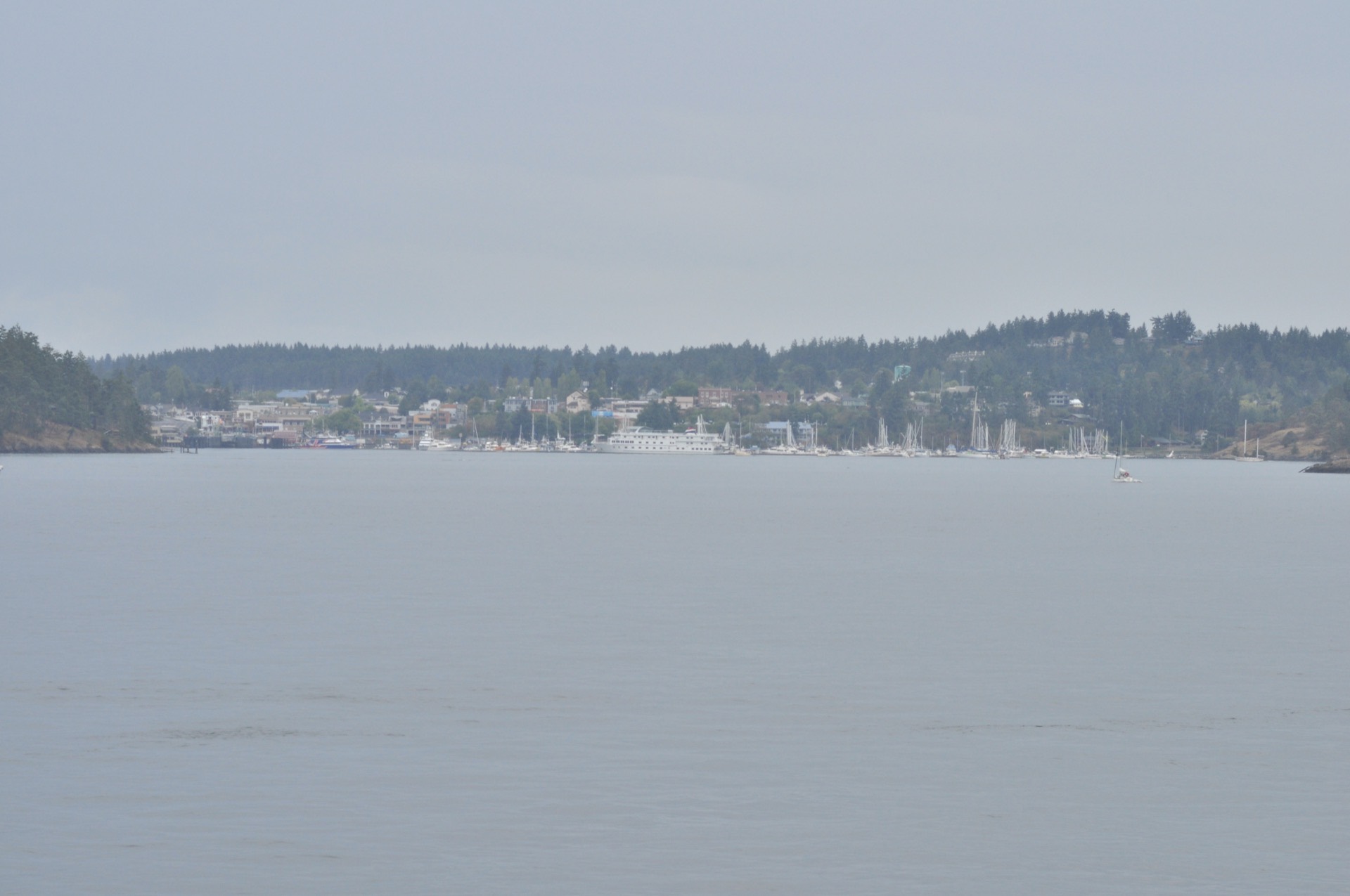
San Juan Islands, Northern Puget Sound
Friday Harbor
Island charm, orca pods, and genuine Pacific Northwest grit
Population
2,100
Region
San Juan Islands, Northern Puget Sound
Known For
Being the whale-watching capital of the Pacific Northwest, with reliable summer orca sightings and a working waterfront that hasn't surrendered to pure tourism.
Friday Harbor is San Juan Island's beating heart—a genuine working port town that happens to be surrounded by some of the continent's most reliable marine wildlife. The harbor itself is a masterpiece of natural geography, a protected anchorage that's drawn fishing boats, whale researchers, and travelers for over a century. Walk the downtown core along Spring Street and you'll see fishing vessels tied up literally next to art galleries and bookshops; this isn't a theme park recreation of a harbor town, it's the real thing, with barnacle-crusted boats and seasonal closures when the commercial fleet is out.
The town's character is decidedly unpretentious despite its popularity. Yes, there are restaurants that charge $28 for halibut tacos, but you'll also find locals grabbing coffee at the Earthbox Inn's cafe or picking up fresh-caught Dungeness crab at the waterfront market. The backdrop is stunning—San Juan Island's rolling pastures and evergreen forests rise directly from downtown, and on clear days you can see the North Cascades across the water. Summer transforms Friday Harbor into something buzzing with energy (whale watching boats leave at 6am daily), but shoulder seasons and winter reveal a quieter, more introspective island community.
The island itself—accessed by ferry from Anacortes or by seaplane from Seattle—has been shaped by its relationship with the water and its proximity to the San Juan Islands National Monument. Orca populations (primarily the Southern Resident Killer Whale community) pass through during summer feeding season, and the town's entire identity is built around marine stewardship and research. The Whale Museum, housed in a former Victorian mansion, isn't just a tourist attraction—it's genuinely the center of orca conservation work in the region.
Top Things to Do in Friday Harbor
Whale Watching Tour
Book a half-day tour (typically 9am-1pm or 1pm-5pm departures) with San Juan Safaris or Island Adventures—you're looking at a 90-95% success rate of spotting orca between June and September. These aren't cattle-car operations; boats hold 40-60 people and hydrophone systems let you hear the whales' vocalizations. Bring layers (it's cold on the water) and go with realistic expectations: you might see a distant dorsal fin, or you might witness a breach.
The Whale Museum
This three-story institution on First Street is genuinely world-class, with interactive exhibits on orca behavior, hydrophone recordings, and a research library that informs global conservation policy. The permanent collection includes artifacts from the region's indigenous Salish peoples and the natural history of the Salish Sea. Expect to spend 2-3 hours here; it's educational without being dry.
Lime Kiln Point State Park Lighthouse
A 5-mile drive west of town, this is the only lighthouse in the US dedicated to whale watching, and for good reason—it's one of the most reliable orca viewing spots on the island during summer. Walk the 1.3-mile coastal trail, explore the lightkeeper's house, and bring binoculars. Best visited late afternoon when light is favorable and marine activity tends to increase.
San Juan Island National Historical Park
This 1,700-acre preserve on the island's south end encompasses the English Camp and American Camp—remnants of the 1859-1872 border dispute between the US and Britain, settled diplomatically rather than militarily. English Camp offers rolling sheep pasture and a reconstructed blockhouse; American Camp has coastal bluffs and 3.2 miles of trails through prairie. It's remarkably peaceful, and you'll rarely encounter crowds even in summer.
Roche Harbor Historic Resort and Marina
A 20-minute drive north reveals this hidden gem: a working marine village with a resort, historic hotel, excellent restaurant, and charm that feels authentically pre-internet. The Harbor House Restaurant overlooks the marina, and the grounds include a mausoleum built by a lime baron in 1912. Walk the waterfront, watch float planes dock, and grab lunch at the cafe.
Island Bicycling Loop
San Juan Island's rolling countryside is perfect for cycling—rent from Island Bicycle on Spring Street and attempt the scenic 32-mile loop around the island (or shorter 14-mile versions). The routes pass through quiet farmland, small beaches, and offer views of the North Cascades. Early morning departures (before 9am) mean fewer cars and better light.
San Juan Vineyards
Three miles outside town, this 10-acre winery produces excellent Merlots and Pinot Noirs from island-grown fruit and carefully sourced grapes. The tasting room is casual (locals pop in on Friday afternoons), and the 1.5-hour tour-and-tasting option includes island history context. Try the Madrone Red blend.
American Camp Eagle Trail
This 4.7-mile round-trip hike within the National Historical Park offers coastal bluff views, wildflower meadows (especially spectacular in May-June), and access to a small rocky beach. The trail can be muddy after rain, but it's consistently beautiful and quieter than Lime Kiln. Start early to avoid afternoon fog.
Friday Harbor Labs Tour
The University of Washington operates this marine research facility on the harbor's west side, offering guided tours (call ahead) where you can learn about current research on orca, salmon, and climate change. The facility has touch pools and exhibits, and tours run 45 minutes. It's a bit technical but genuinely interesting if you're curious about the science behind whale watching.
Spring Street Gallery Walk and Local Art Scene
Friday Harbor punches above its weight with galleries—San Juan Island Pottery (working studio and showroom), The Collectors (rotating contemporary exhibits), and Island Art Studios (artist cooperative) all cluster downtown. The first Friday of each month features extended hours and artist receptions, with wine and local food trucks. It's genuine working-artist space, not commercial kitsch.
Neighborhoods & Districts
Downtown/Spring Street
The beating heart of the island—working waterfront meets boutique retail, where fishing boats dock steps away from wine bars and art galleries.
Browse the Friday Harbor Book Company (exceptional independent bookstore), grab coffee at Earthbox Inn, watch the whale-watching boats launch from the waterfront park, browse galleries on First and Spring streets, pick up fresh seafood at Friday Harbor Seafood or the waterfront market
Harbor District (Waterfront)
Industrial-meets-recreational, with active marinas, fish processing plants visible alongside tourist facilities—it's authentic port infrastructure, not sanitized.
Walk the waterfront trail with binoculars (orcas often pass close to shore in summer), visit the San Juan Island Ferry Terminal (watch the Anacortes ferry operate), explore Marina Park with its public piers, grab fish and chips at a harborside restaurant
West Side (Lime Kiln/Mitchell Bay)
Rural, quieter, where the island reveals its farming and fishing heritage away from downtown development.
Visit Lime Kiln Point State Park for lighthouse and whale watching, drive through sheep pasture farmland, stop at small beaches like Mitchell Bay, experience the island's quieter side
Food & Drink
Friday Harbor's food scene reflects its maritime character—expect exceptional seafood, particularly halibut, salmon, and Dungeness crab landed at the local docks. The dining culture is determinedly non-pretentious, even at higher-end establishments. You'll find farm-to-table preparation rooted in island agriculture (local lamb, goat cheese from San Juan Island Cheese Company, foraged mushrooms), and a strong coffee and bakery culture sustained by year-round residents. The island has a growing wine presence, with several local producers and a wine bar culture that feels organic rather than manufactured.
Mijita's Cafe & Taqueria
This casual counter-service spot on Spring Street serves the best fish tacos on the island—halibut or wild salmon, crispy battered, topped with cabbage slaw and lime crema. Everything is made fresh daily, and it's the spot where locals actually eat (not tourists exclusively). Open for lunch and early dinner.
The Whale Restaurant
Housed in a historic Victorian building, this fine-dining establishment specializes in local seafood—the pan-seared scallops with brown butter and the halibut preparations are exceptional. The wine list emphasizes San Juan and nearby Washington producers. Reserve well ahead during summer.
Earthbox Inn & Spa Restaurant
This chef-owned restaurant sources aggressively from local producers (San Juan Island Cheese Company, local farms, the dock). The menu changes seasonally; expect preparations of island lamb, local seafood, and produce from collaborating farms. The casual cafe serves exceptional coffee and pastries.
Vinnie's Restaurant at Roche Harbor
Overlooking Roche Harbor's marina, this is where you go for upscale casual—excellent fish and chips, local halibut preparations, and a wine list heavy on local producers. The setting (watching float planes dock) is unbeatable for dinner at sunset.
Friday Harbor Brewing Company
This local brewery on Spring Street produces excellent IPAs and pilsners, with a taproom that draws locals and travelers alike. Grab a flight of beers and food trucks often park outside—it's the closest Friday Harbor gets to a casual social hub.
San Juan Island Coffee Roasting Company
This roastery on Spring Street is where the island's coffee culture centers—exceptional single-origin roasts, knowledgeable staff, and a genuine hang-out vibe. Arrive early (they often sell out by afternoon).
When to Visit Friday Harbor
spring
April-May brings unpredictable weather but reliable orca sightings increase toward summer. The island explodes with wildflowers (particularly lupine and balsamroot) in May, and tourist crowds are manageable. Book whale-watching tours but expect occasional cancellations due to rough seas.
summer
June-September is peak season—consistent sunshine, reliable orca sightings (95% success rate in July-August), and the island buzzes with visitors. Restaurants book solid months ahead, ferry lines extend long, and parking downtown becomes competitive. This is when to experience Friday Harbor at full energy, but expect crowds and higher prices.
fall
September-October offers diminishing crowds, warmer water temperatures, and continued marine mammal activity. Orca sightings drop somewhat as pods disperse, but gray whales appear on northbound migration. The light becomes increasingly dramatic, and locals emerge from summer hibernation. Fall is arguably the best time to visit for seasoned travelers.
winter
November-March is quiet and moody—gray skies, occasional snow (rare but possible), and a shuttered-down feeling downtown. Many restaurants reduce hours or close entirely. Winter storms can close the ferry service, but for solitude and genuine island character (minus tourists), this is when to experience the real Friday Harbor. Orca sightings essentially cease.
Getting There
Friday Harbor is accessed exclusively by ferry or seaplane. The primary route is the Washington State Ferry from Anacortes (serving vehicles and walk-on passengers; 90-minute crossing, roughly hourly departures). Anacortes is 90 minutes north of Seattle via I-5 and WA-20. Alternatively, fly from Seattle-Tacoma International Airport (SEA, 90 minutes south) via floatplane operators like San Juan Airlines (35-minute flight to Friday Harbor seaplane terminal). If driving, the SEA-TAC to Anacortes ferry route takes roughly 3.5 hours total (Seattle traffic, driving time, parking, and ferry). Walk-on ferry passengers should arrive 45 minutes early in summer. There's no bridge to the island—the ferry is the only vehicle access.
Insider Tips
Avoid summer weekends if possible—ferry lineups extend 2+ hours on Saturdays and Sundays from June-August. Visit mid-week or in shoulder seasons (May, September) for the same attractions with half the crowd and significantly easier parking and restaurant access.
Whale watching tours are genuinely uncertain—bring seasickness medication, wear layers (water temperatures are cold year-round), and go with realistic expectations. A 'successful' tour might be a distant dorsal fin; the 95% statistic means you'll see whales, not guaranteed close encounters. Early morning departures (6am) have slightly higher sighting rates.
Rent a car or bicycle rather than relying on taxis—the island has minimal rideshare, and many attractions are 5-20 minutes outside downtown. If biking, the 14-mile version of the island loop is more realistic for most people than the full 32-mile circuit.
Visit the Whale Museum's research library if you're genuinely interested in orca behavior—the staff are actual researchers and will engage in conversation if the museum isn't crowded. Call ahead to ask about guided talks or research presentations.
Skip the whale-watching shops hawking t-shirts downtown and instead grab books and local goods from the Friday Harbor Book Company or San Juan Island Pottery's studio—they support actual island artists and producers.
The San Juan Island National Historical Park is free and often completely empty compared to downtown attractions. The English Camp and American Camp offer genuine historical context with minimal crowds; this is where locals spend their summer days when tourists pack the whale-watch boats.