Washington Region
Olympic Peninsula
Rainforests, wild beaches, and the most remote corner of the lower 48
Cities
Port Townsend
Hotels
22
Restaurants
22
Activities & Attractions
31
Best Time to Visit
July–September
The Olympic Peninsula is the wildest corner of the contiguous United States — a place where three distinct ecosystems collide on a single land mass, and where roads simply end because the terrain won't allow them to continue. No highway crosses the interior of the peninsula. The Olympic Mountains rise from sea level to nearly 8,000 feet in less than 35 miles, creating a rain shadow so extreme that the western slopes receive 170 inches of rain per year while the northeastern town of Sequim gets just 16 — less than Los Angeles.
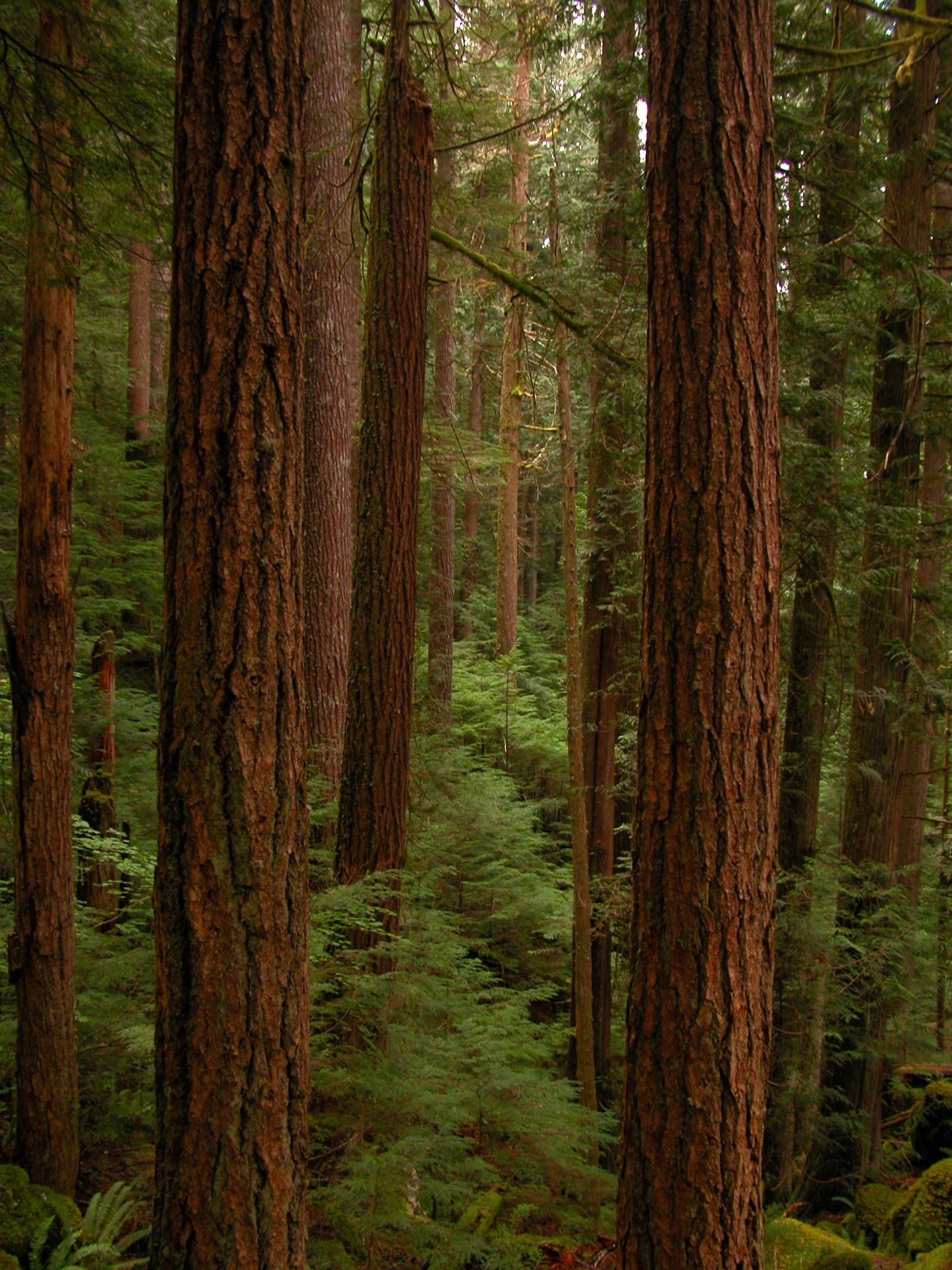
This is a place of superlatives. The Hoh Rainforest is one of the largest temperate rainforests in the Western Hemisphere, where 300-foot Sitka spruces are draped in moss so thick it muffles all sound. Rialto Beach and Second Beach offer some of the most dramatic coastal scenery in North America — sea stacks, tide pools, and driftwood logs the size of school buses. Hurricane Ridge, accessible by a winding 17-mile road from Port Angeles, delivers alpine meadows and 360-degree views of glaciated peaks that rival anything in the Rockies.
Olympic National Park protects the peninsula's core — nearly a million acres across three ecosystems: coastal, rainforest, and alpine. But the peninsula's character extends well beyond the park boundaries. The small towns ringing the coast and the Strait of Juan de Fuca each have their own personality. Port Townsend, on the northeast tip, is a beautifully preserved Victorian seaport with a thriving arts scene and more independent bookstores per capita than seems mathematically possible. Port Angeles is the gateway town for Hurricane Ridge and the northern reaches of the park. Sequim (pronounced "Skwim") sits in the rain shadow and has reinvented itself as a lavender farming hub — the fields bloom purple each July.
The western coast is where the peninsula gets truly wild. La Push, on the Quileute reservation, offers access to some of the most remote beaches in the state. Kalaloch Lodge sits on a bluff above the Pacific where you can fall asleep to the sound of waves hitting sea stacks. The Quinault Rainforest, less famous than the Hoh but equally magnificent, offers a loop trail through old-growth forest with trees over 1,000 years old.
What makes the Olympic Peninsula singular is its inaccessibility. US-101 loops around the outside of the peninsula, but the interior is pure wilderness — no roads, no cell service, no development. This means that even in peak summer, you can find solitude within an hour's hike from any trailhead. The peninsula rewards slow travel. Don't try to see everything in a day — pick a coast, a rainforest, or a ridgeline, and give it the time it deserves.
What Makes It Unique
Nowhere else in the lower 48 can you experience temperate rainforest, wild Pacific coastline, and glaciated alpine peaks within a single national park. The peninsula's inaccessible interior means genuine wilderness — not the curated version — is never more than a short hike away.
Top Experiences in Olympic Peninsula
The must-do activities and attractions that define this region — with insider tips to make the most of each one.
Hoh Rainforest
The crown jewel of Olympic National Park's temperate rainforest ecosystem. The Hall of Mosses Trail is the most accessible — a 0.8-mile loop through a cathedral of bigleaf maples draped in club moss. The Spruce Nature Trail (1.2 miles) follows the milky-blue Hoh River. For a deeper experience, the Hoh River Trail continues 17 miles to the base of Mount Olympus, though most visitors turn around after 3-5 miles once the crowds thin out. The silence in here is remarkable — the moss absorbs virtually all ambient sound.
Insider Tip
Arrive before 9 AM in summer. The parking lot fills by mid-morning July through September, and there's no overflow option — once it's full, you wait.
Hurricane Ridge
A 17-mile drive from Port Angeles climbs from sea level to 5,242 feet, ending at a visitor center with panoramic views of the Olympic Mountains, the Strait of Juan de Fuca, and on clear days, Vancouver Island. In summer, the alpine meadows explode with wildflowers — glacier lilies, lupine, and paintbrush. Short trails from the visitor center lead to even more dramatic viewpoints. In winter, a small ski area operates on weekends (the most northwesterly ski area in the lower 48).
Insider Tip
Check the road status before driving — Hurricane Ridge Road closes for weather frequently in winter and sometimes in shoulder seasons.
Second Beach & Rialto Beach
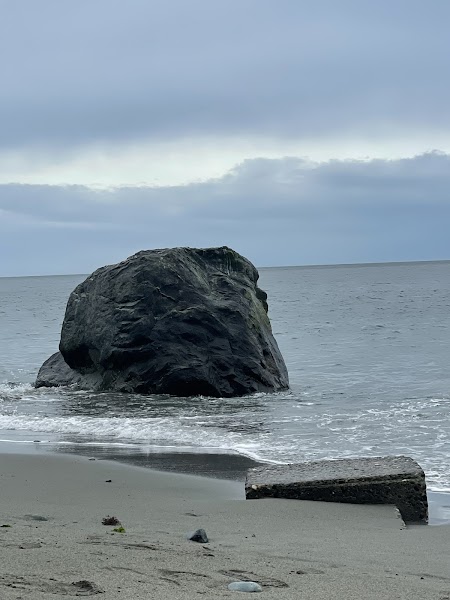
Two of the most photogenic beaches in the Pacific Northwest. Second Beach requires a 0.7-mile hike through forest before the trees open to reveal a wide sandy beach bookended by sea stacks and tidal arches. Rialto Beach is drive-up accessible and features the Hole-in-the-Wall — a sea-carved arch in the headland reachable at low tide via a 1.5-mile beach walk. Both beaches collect massive driftwood logs that create a surreal landscape at the forest edge.
Insider Tip
Check tide charts before visiting — Hole-in-the-Wall is only accessible at low tide, and incoming tides can cut off the route.
Port Townsend Victorian District
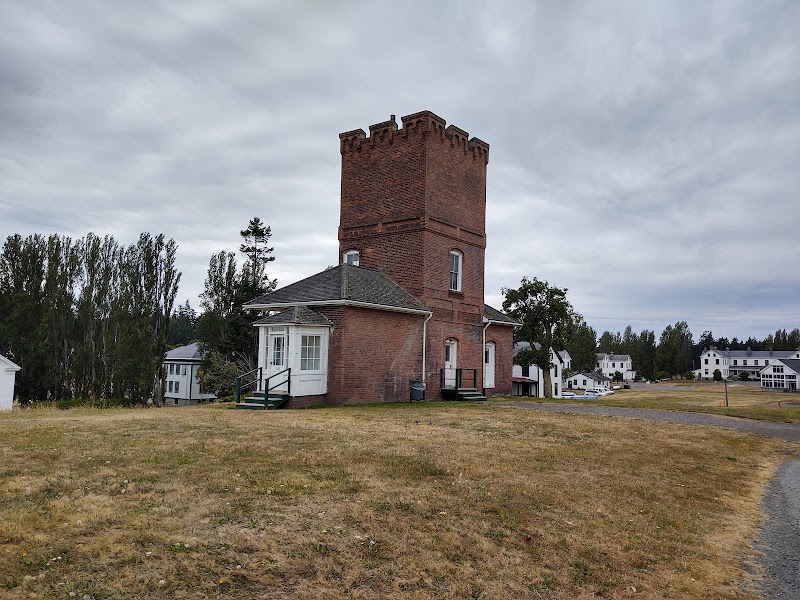
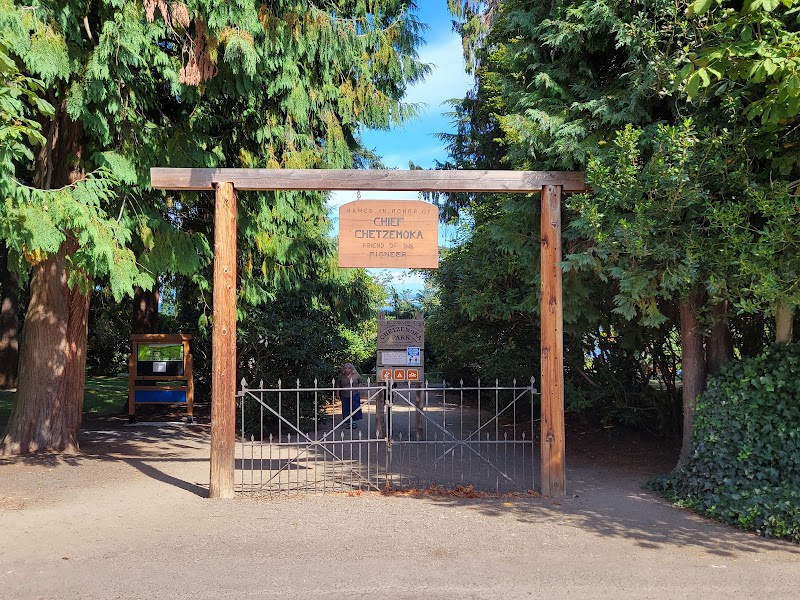
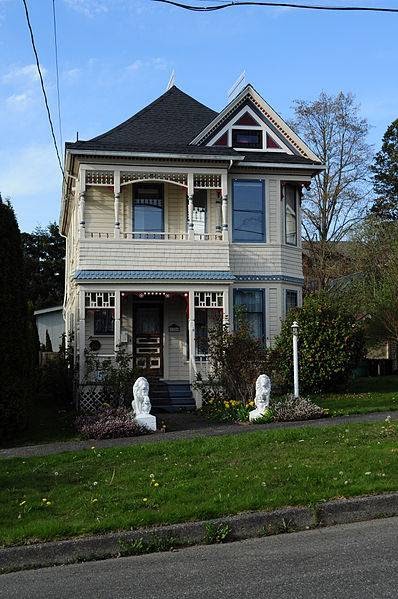
This perfectly preserved 1890s seaport town feels like stepping into another century. The downtown waterfront district is packed with independent bookstores, galleries, and restaurants in original brick buildings. Fort Worden State Park — the filming location for An Officer and a Gentleman — sits on the bluff above town with gun batteries, a lighthouse, and sweeping views across the Strait of Juan de Fuca to the San Juan Islands and Whidbey Island. The town hosts film festivals, wooden boat festivals, and writer's conferences year-round.
Insider Tip
Stay overnight if you can. Port Townsend completely transforms after the day-trippers leave — the restaurants and bars come alive with a local crowd.
Sol Duc Hot Springs
Three mineral hot spring pools tucked into the Sol Duc Valley of Olympic National Park, surrounded by old-growth forest. The pools range from 98°F to 104°F and are fed by natural mineral water. The resort is open seasonally (late March through October) and also has a freshwater swimming pool. The 0.8-mile Sol Duc Falls Trail starts from the resort area and leads to one of the most photogenic waterfalls in the park.
Insider Tip
Go on a weekday if possible. Weekend afternoons in summer get crowded. Early morning (when the pools open) is the most peaceful time.
Sequim Lavender Farms
The rain shadow town of Sequim receives so little rainfall that it's become an unlikely lavender capital, with over a dozen farms growing varieties that rival Provence. The annual Lavender Festival in mid-July draws thousands, but the farms are open for self-guided visits throughout the growing season (June–August). Purple Haze Lavender and Jardin du Soleil are the most established. The fields against the backdrop of the Olympic Mountains make for some of the most unexpected landscapes in Washington.
Insider Tip
Peak bloom is typically the first two weeks of July. Visit on a sunny morning when the essential oils are most fragrant.
Best Time to Visit Olympic Peninsula
Peak Season
July–September
Best weather, most activities open, highest crowds.
Shoulder Season
May–June, October
Fewer crowds, good value, variable weather.
Off Season
November–March (extremely heavy rain on the west side, road closures possible)
Limited access or activities, but fewer visitors.
The Olympic Peninsula is one of the wettest places in North America — the west side receives 12-14 feet of rain annually, almost all of it between October and April. Summer is dry, warm (60s–70s), and magical. July through September are far and away the best months for hiking, beach access, and Hurricane Ridge. That said, visiting the Hoh Rainforest in the rain has its own appeal — the moss practically glows, and you'll understand why the ecosystem exists. Shoulder months (May–June, October) can be excellent with fewer crowds, but expect some rain. Winter shuts down Hurricane Ridge Road most weekdays and makes the western beaches dramatic but cold.
Where to Stay
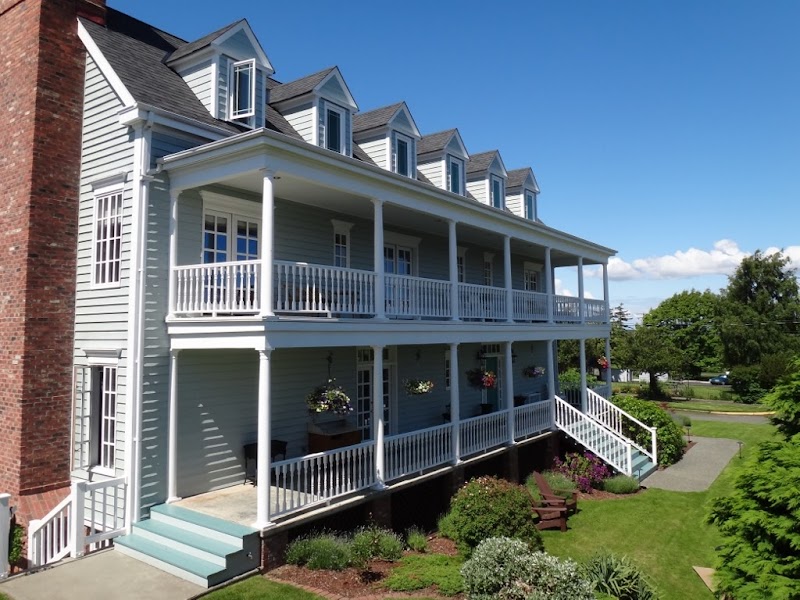
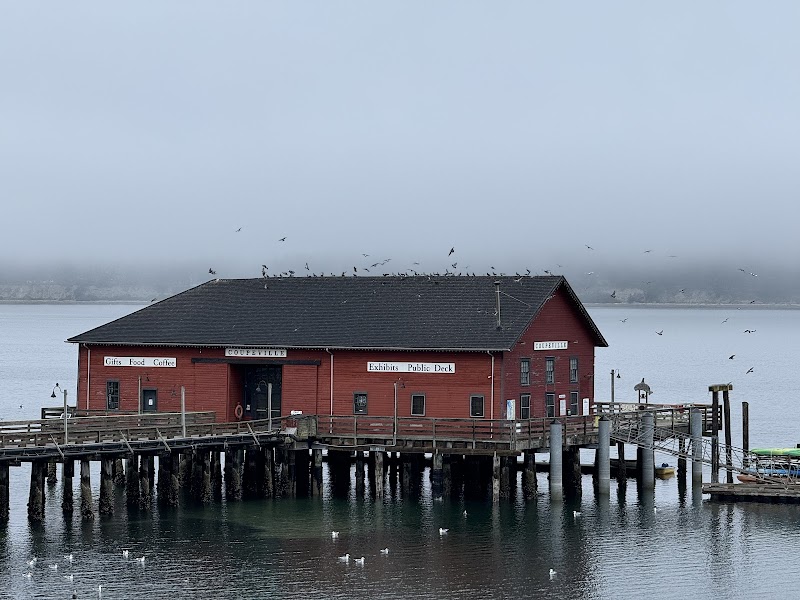
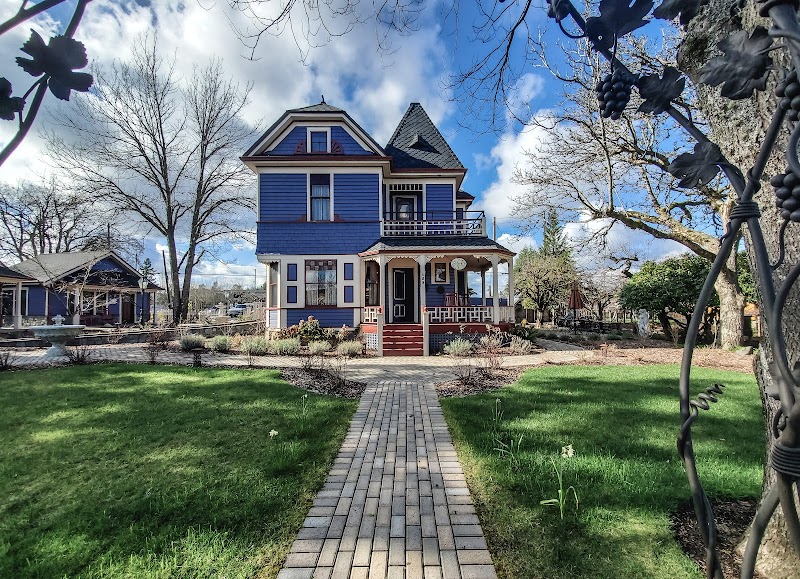
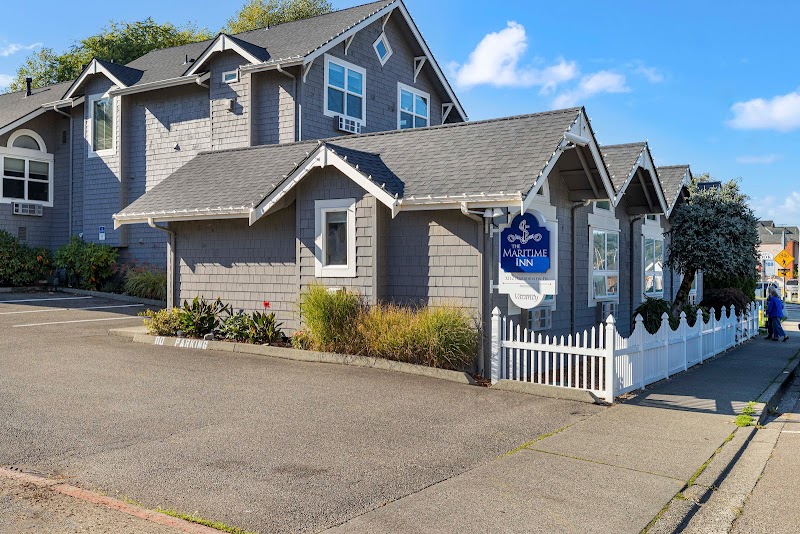
Port Townsend is the best base for culture, food, and Victorian charm — plan 1-2 nights here and day-trip to Hurricane Ridge or Sequim. For the rainforest and wild beaches, Forks or the Kalaloch Lodge area puts you close to the Hoh and the coastal trailheads. Sol Duc Hot Springs Resort is a unique overnight in the park interior. Port Angeles works as a practical base for Hurricane Ridge and the northern park entrance. For the most remote experience, the Quinault Lodge on Lake Quinault is a grand old national park lodge with fireplace and lake access.
Top-Rated Hotels in Olympic Peninsula
Food & Drink
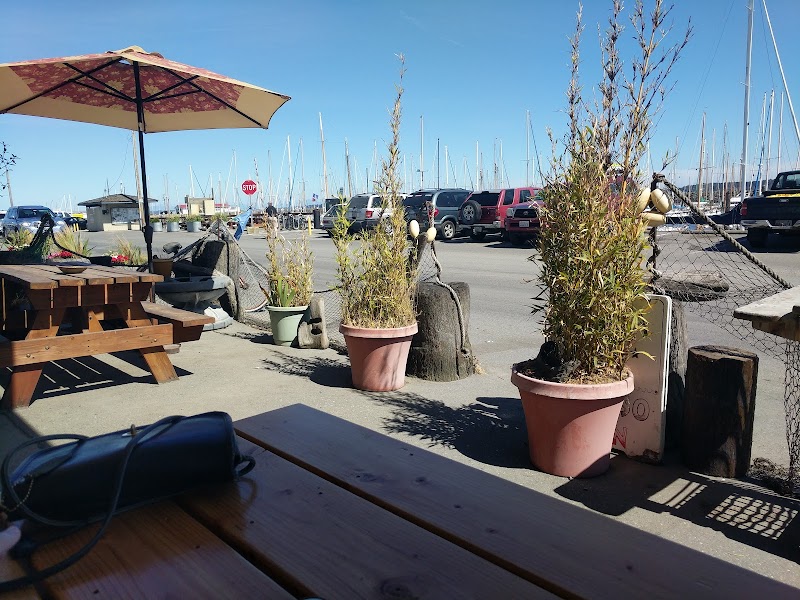
The Olympic Peninsula's food scene is small-town but surprisingly excellent, driven by hyperlocal ingredients. Dungeness crab (named after the town of Dungeness on the peninsula) is the signature dish. Oysters from Hood Canal and Willapa Bay are some of the best on the West Coast. Port Townsend has the most concentrated restaurant scene, with farm-to-table spots that would hold their own in Seattle. Elsewhere, expect excellent seafood shacks, bakeries, and the kind of places where the owner is also the chef.
Dungeness crab — the species is literally named after a spit on this peninsula
Hood Canal oysters, especially from Hama Hama and Taylor Shellfish
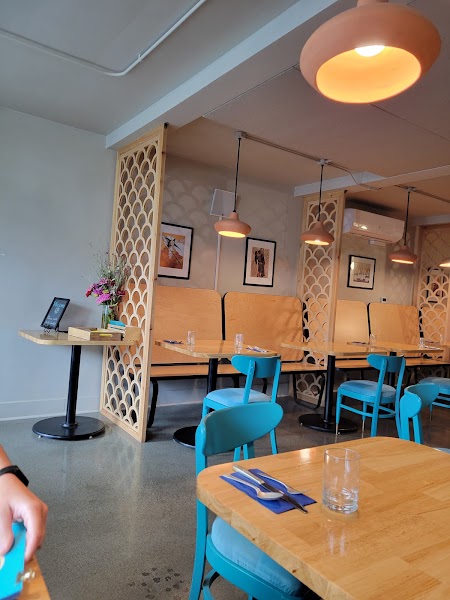
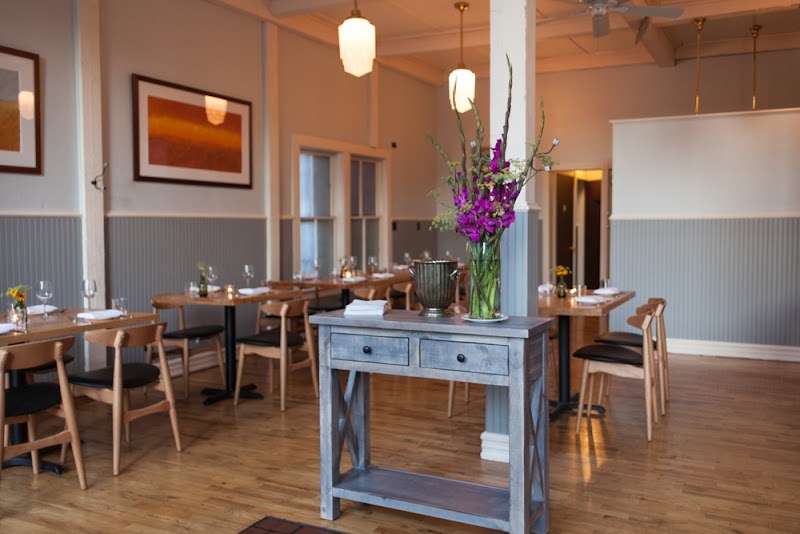
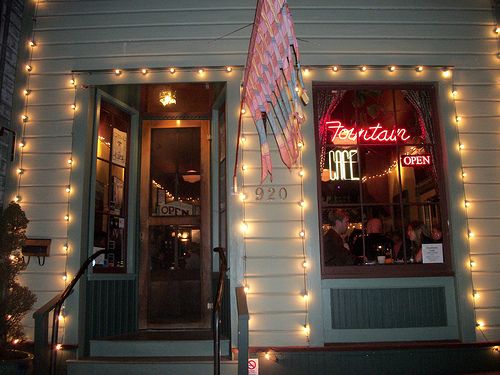
Port Townsend's restaurant scene: try Finistère or The Fountain Café
Wild blackberry pie from roadside bakeries in summer
Smoked salmon from the Makah or Quinault tribal communities
Getting There
From
Seattle
Drive Time
2.5–4 hours depending on destination
There are two main routes from Seattle. The fastest to Port Townsend and the northern peninsula is via the Edmonds-Kingston ferry (30 minutes crossing, runs every 30-60 minutes) followed by a drive across the Kitsap Peninsula. For the western peninsula (Hoh, Forks, La Push), take I-5 south to Olympia and then US-101 north and west — about 4 hours to the Hoh. Port Angeles is 2.5 hours from Seattle via the Kingston ferry route. There's no shortcut across the interior — you must drive around the outside on US-101. Budget more driving time than you'd expect.
Cities & Towns in Olympic Peninsula
Explore our detailed guides to the cities and towns that make up this region.
Insider Tips
The Quinault Rainforest is significantly less crowded than the Hoh and equally stunning — the loop trail around Lake Quinault passes through 1,000-year-old trees.
Book the Kalaloch Lodge ocean-view rooms at least 3 months ahead for summer. Waking up to the sound of Pacific waves hitting sea stacks is worth the planning.
Hurricane Ridge Road has a vehicle limit — if the parking lot is full, rangers will turn you away at the gate. Arrive before 10 AM in summer.
The Makah Museum in Neah Bay, near Cape Flattery (the northwesternmost point of the lower 48), houses one of the finest Native American artifact collections in the country. It's a long drive, but the museum and the cape are worth it.
Cell service is nonexistent across most of the western peninsula. Download maps and confirm reservations before you leave Port Angeles or Forks.
The Strait of Juan de Fuca Highway (Highway 112) from Port Angeles to Neah Bay is one of Washington's most scenic drives and almost never crowded.
More to Explore in Olympic Peninsula
Attractions
Outdoor Activities
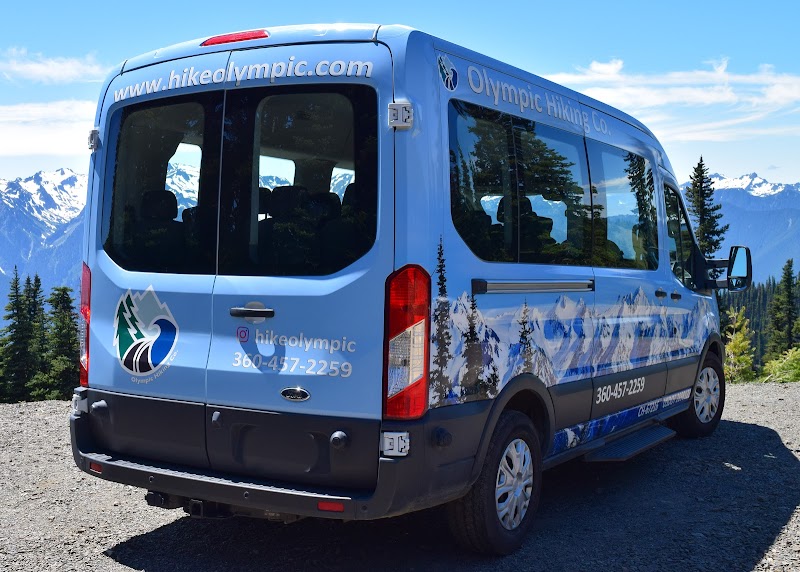
Olympic Hiking Co.
Olympic Hiking Co. serves as your portal to the dramatic peaks and ancient forests of Olympic Nation
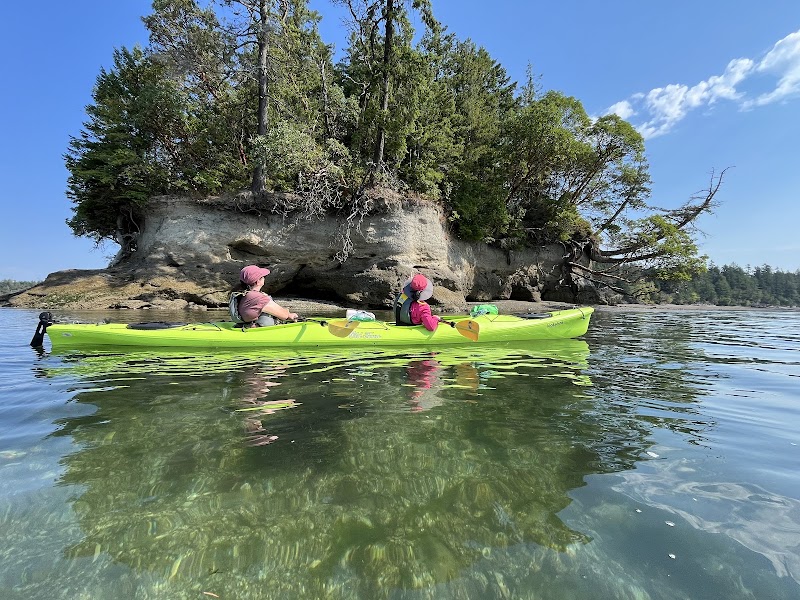
South Sound Kayak Tours
South Sound Kayak Tours launches you into the protected waters around Olympia, where marine wildlife
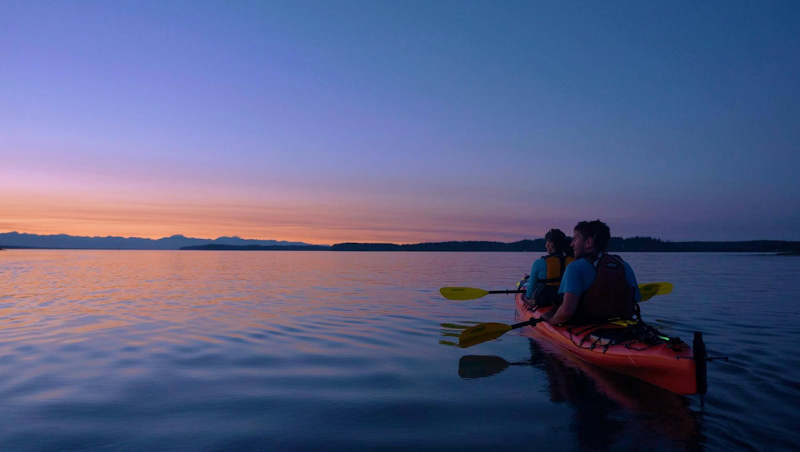
Kayak Nisqually
Kayak Nisqually puts you on the water in one of Washington's most ecologically rich estuaries, where
North Shore Hood Canal Kayaks (APPOINTMENT ONLY/NO WALK-INS)
North Shore Hood Canal Kayaks offers intimate water adventures through one of the Pacific Northwest'
State Parks
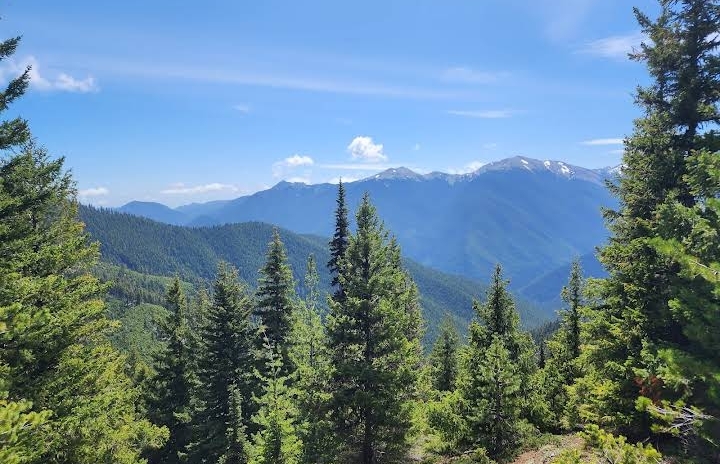
Olympic National Park
A diverse natural treasure spanning temperate rainforests, alpine peaks, and dramatic ocean coastlin
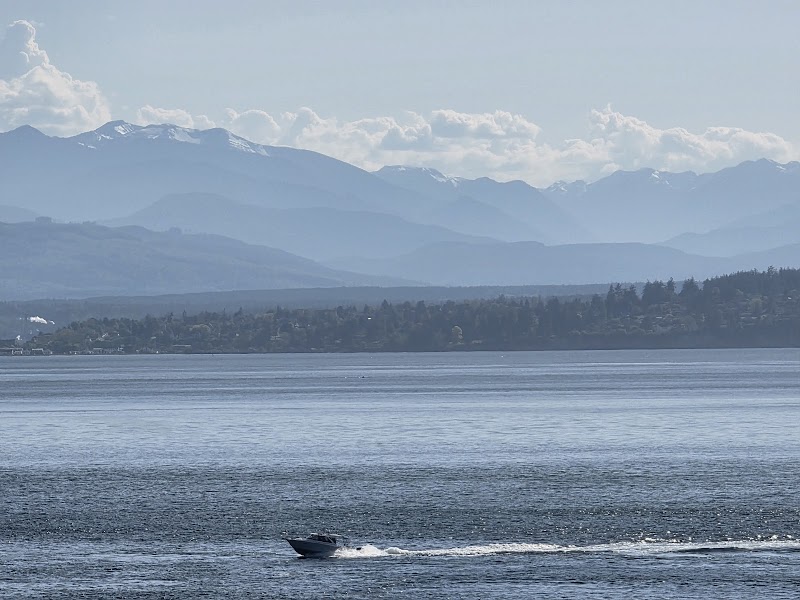
Fort Casey State Park
Perched on the Strait of Juan de Fuca, this beautifully preserved 19th-century military installation
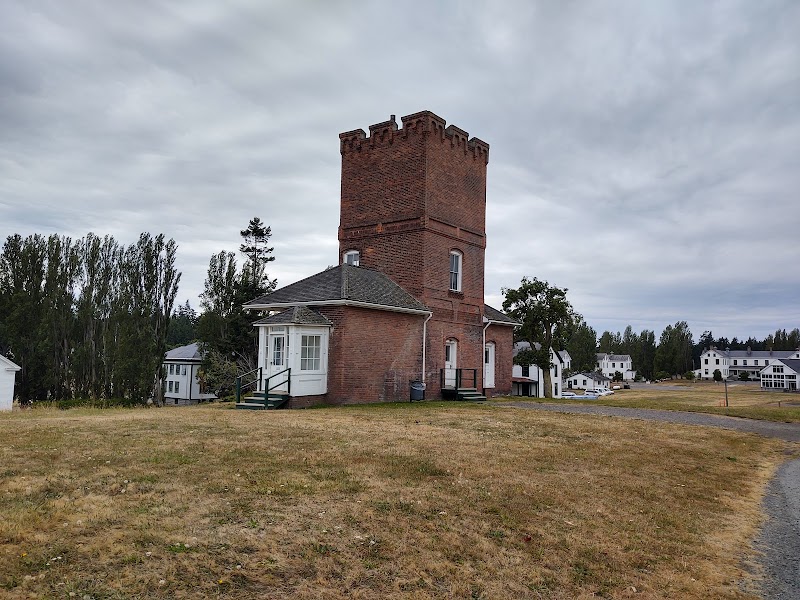
Fort Worden Historical State Park
This historic 1904 military fort showcases Civil War-era artillery and barracks while offering beach
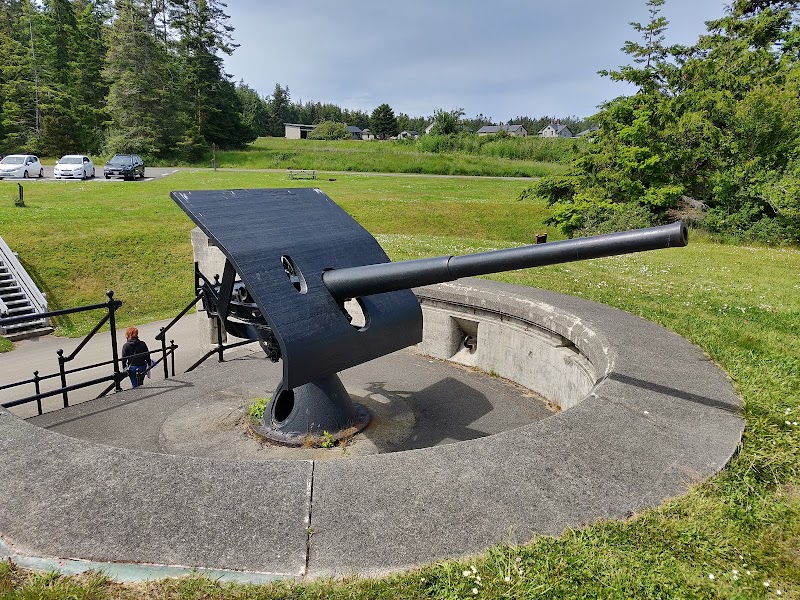
Fort Flagler Historical State Park
This atmospheric Victorian-era military compound overlooks Admiralty Inlet with restored barracks, g
Tours & Experiences
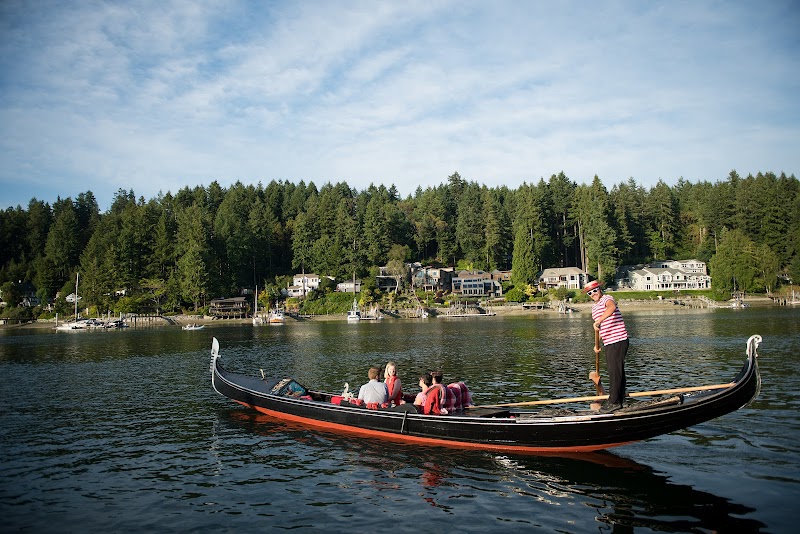
Gig Harbor Gondola
Glide through Gig Harbor's protected waters in an authentic Venetian-style gondola, combining Old Wo
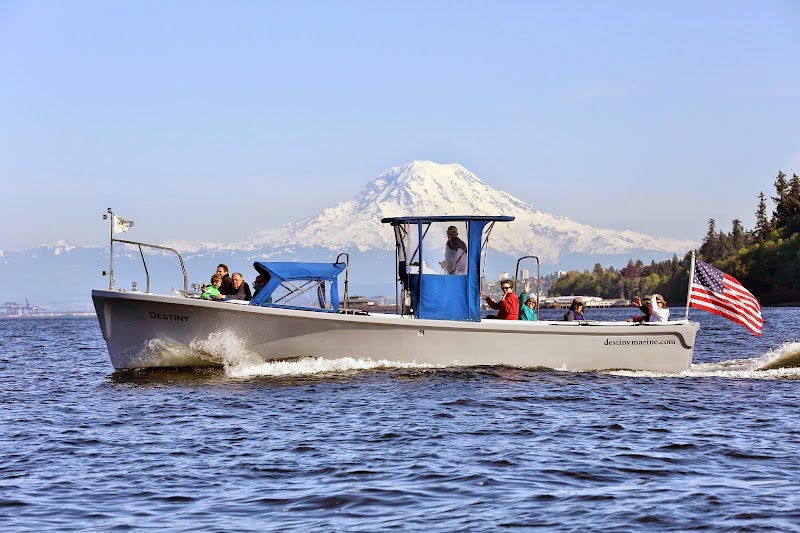
Destiny Harbor Tours
Discover Gig Harbor's rich maritime heritage and natural beauty with personalized tours led by passi
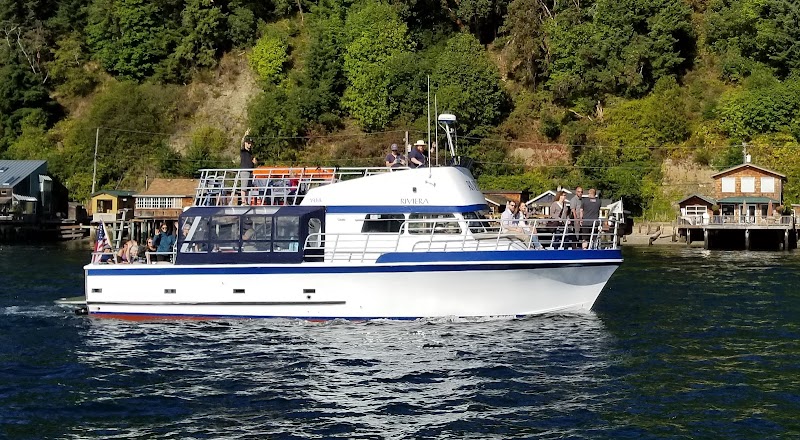
Riviera Cruises
This charming Gig Harbor-based cruise operator delivers intimate waterside experiences with a focus
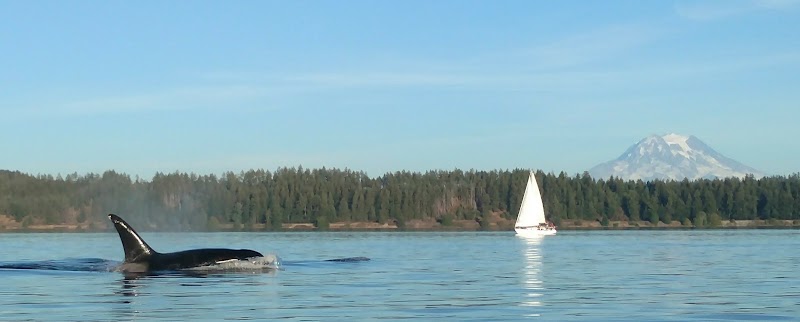
South Sound Sailing Tours
Set sail through the serene waters surrounding Anderson Island with experienced captains who blend s
Ready to Explore Olympic Peninsula?
Start planning your trip to Olympic Peninsula — from where to stay to what to see, we've got you covered.