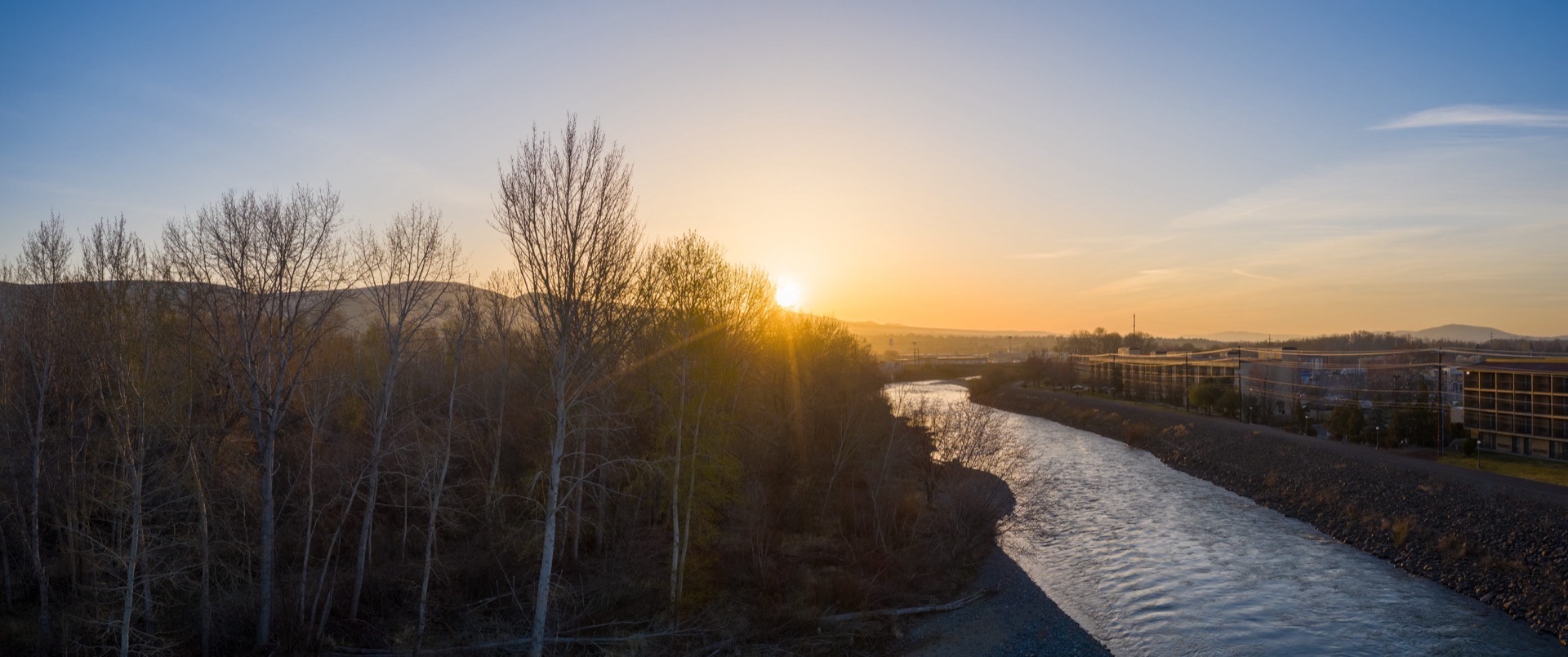
Central Washington, Yakima Valley
Yakima
Wine country meets agricultural heart of the Pacific Northwest
Population
93,000
Region
Central Washington, Yakima Valley
Known For
America's premier hop-growing region and a burgeoning wine destination with over 70 wineries producing world-class Cabernet Sauvignon and Riesling.
Yakima sits in the rain shadow of the Cascade Mountains, creating a semi-arid climate that's transformed this former railroad town into one of the West's most underrated agricultural and wine regions. The city itself has a distinctly no-nonsense character—this is working land, where the economy was built on crops, not tourism, which means everything here feels genuine and unglamorous in the best way. The downtown core along Yakima Avenue has undergone a real renaissance over the past decade, with restored brick buildings now housing craft breweries, farm-to-table restaurants, and galleries that reflect the region's agricultural identity without the pretension of Napa or Walla Walla.
The Yakima Valley surrounds the city like an enormous garden—over 300,000 acres of farmland producing not just hops and wine grapes, but apples, cherries, asparagus, and stone fruits that supply markets across North America. This isn't scenery you visit; it's the working backbone of the region, and that authenticity permeates everything. The Columbia River flows just south of the city, creating recreational opportunities and a natural boundary between the urban area and the vast agricultural lands beyond.
What makes Yakima distinct is its hybrid identity: it's serious about wine and agriculture, but it refuses to perform sophistication. You'll find exceptional Rieslings and hop-forward IPAs served without pretension, alongside Mexican restaurants that reflect the region's significant Latino heritage and agricultural workforce. The city has genuine community institutions—not tourist attractions built for outsiders, but places where locals actually spend their time.
Top Things to Do in Yakima
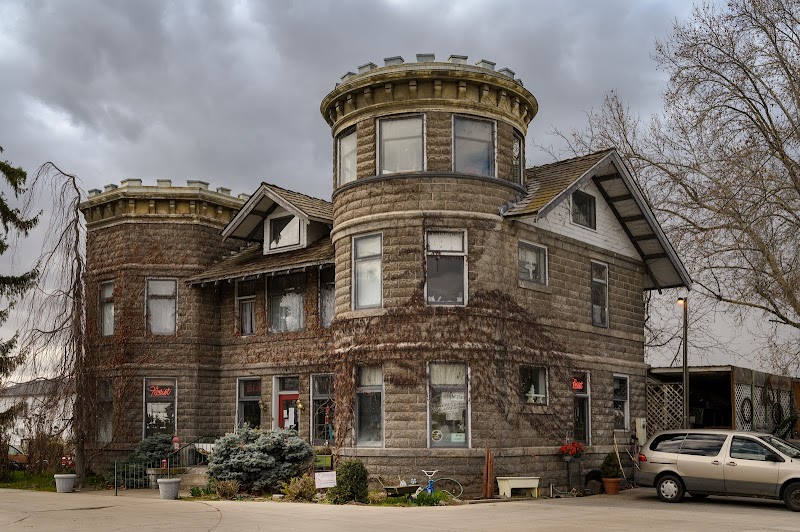
Yakima Valley Wine Tasting Circuit
More than 75 wineries dot the valley, many clustered in three main regions: the Rattlesnake Hills to the east, the Snoqualmie Pass area to the west, and the Toppenish region to the north. Start with established producers like Château Ste. Michelle's Yakima Valley facility or smaller boutique operations like Naches Heights or Bonair. The valley's semi-arid climate and volcanic soil produce exceptional Cabernet Sauvignon, Riesling, and Merlot at prices significantly lower than you'd pay on the West Coast for equivalent quality.
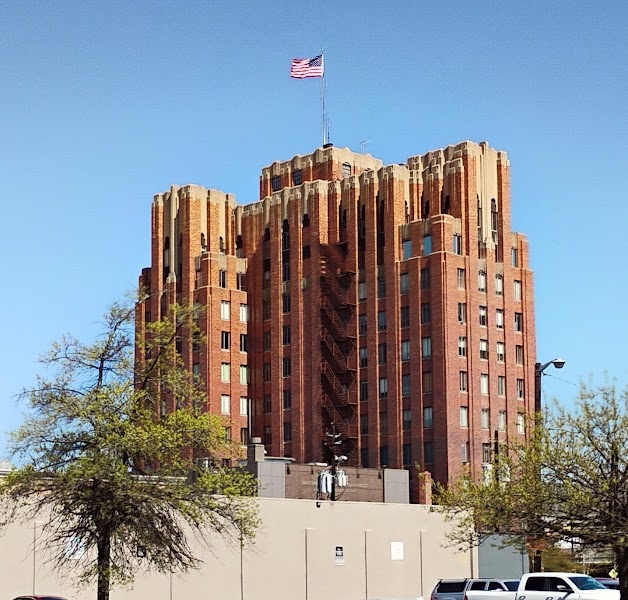
Cowboy Capital Museum and Downtown Toppenish
Drive 30 minutes north to Toppenish, the self-proclaimed 'Cowboy Capital of the World,' where you'll find over 70 murals depicting Old West scenes painted across buildings, plus the exceptional Cowboy Capital Museum documenting regional ranching history and Native American heritage. The museum's collections of saddles, firearms, and ranching equipment are genuinely impressive, and the town's commitment to its Western identity is charmingly unironic.
Yakima Greenway Trail System
This 10-mile paved multipurpose trail winds through the city from Sarg Hubbard Park in the north, following the Yakima River through downtown and ending at Union Gap to the south. It's perfect for walking, cycling, or jogging with river views, and connects to natural areas and parks along the way. Spring is ideal when wildflowers bloom and water levels rise; the trail is busy with locals year-round.
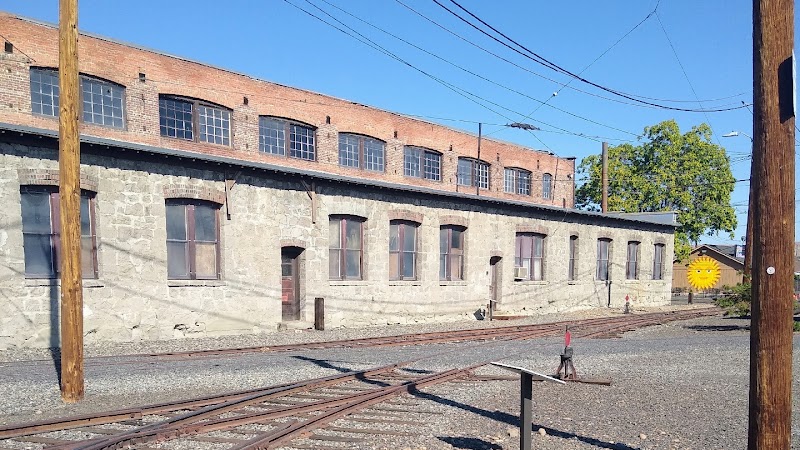
Yakima Craft Beverage Trail
Yakima has emerged as a serious craft beer destination—visit Bale Breeze Brewing, Craft Brewing Company, or Third Place Brewing to understand why. Many breweries use local hops exclusively, creating a direct connection to the agricultural heritage. Several have extended patios perfect for warm-weather visits, and many pair well with food trucks or nearby restaurants.
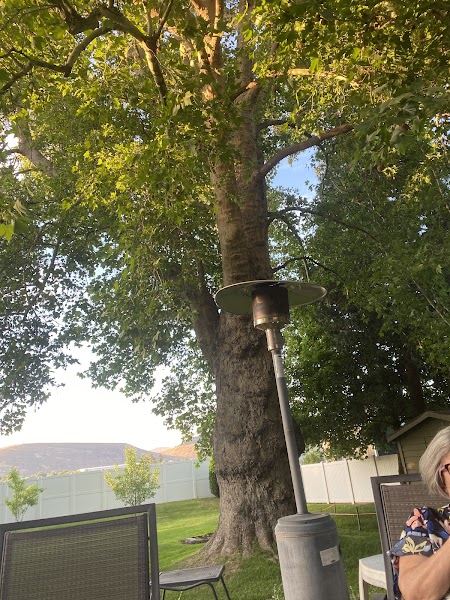
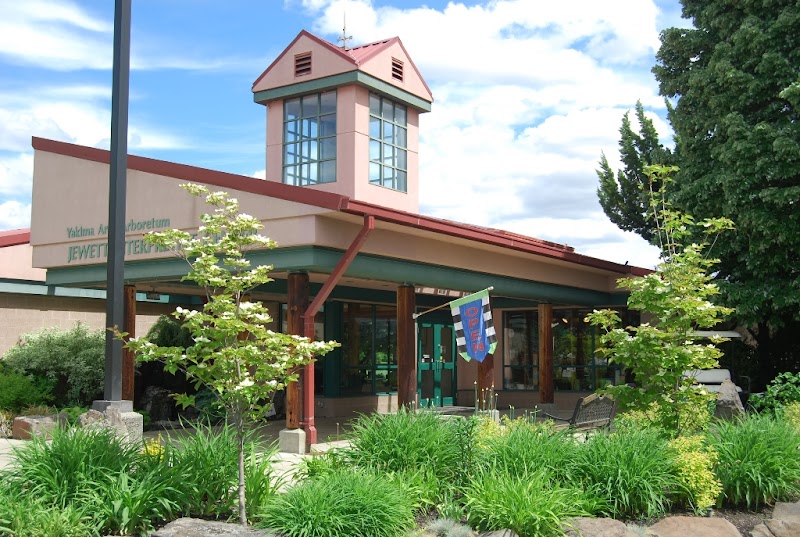
Yakima Area Arboretum
This 64-acre arboretum northeast of downtown showcases native plant species and manicured gardens reflecting different ecosystems—from alpine to desert species. In spring (April-May), it's abloom with native wildflowers; in fall, the Japanese maple section and native shrubs provide stunning color. Walking paths range from casual strolls to more demanding trails through native habitat.
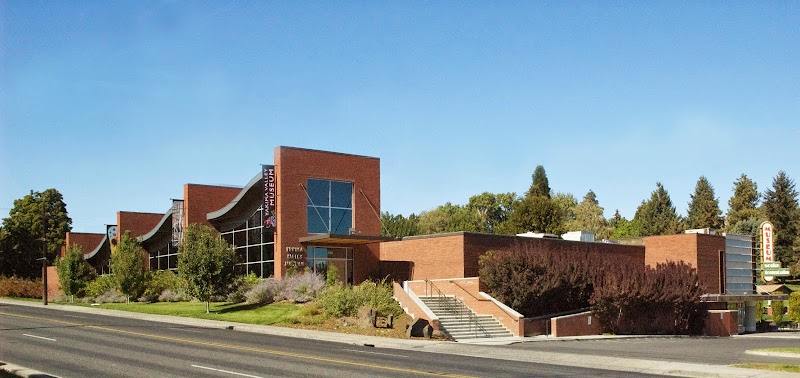
Selah Rim Trail
Just outside the city in nearby Selah, this 3.5-mile trail climbs 900 feet with panoramic views of the Yakima Valley, the Cascades, and Mt. Rainier on clear days. The trail is relatively uncrowded compared to Puget Sound hikes, making it perfect for solitude. Spring wildflowers and fall colors are exceptional; summer heat can be intense, so start early.
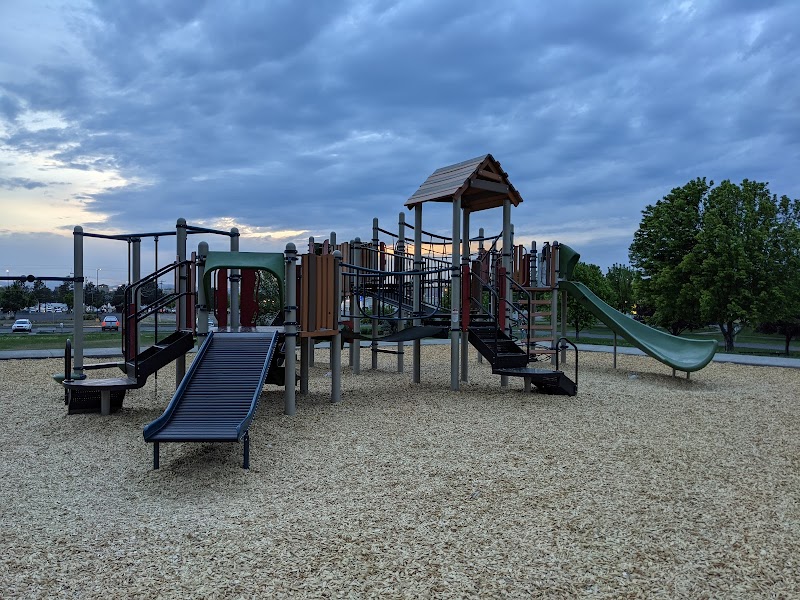
Central Washington Agricultural Museum
Located in the Powerhouse Visitor Center area, this museum documents the region's agricultural history with vintage farm equipment, restored tractors, and exhibits explaining hop cultivation and fruit production. It's genuinely informative without being overly polished, and it gives real context to the landscape you see driving through the valley.
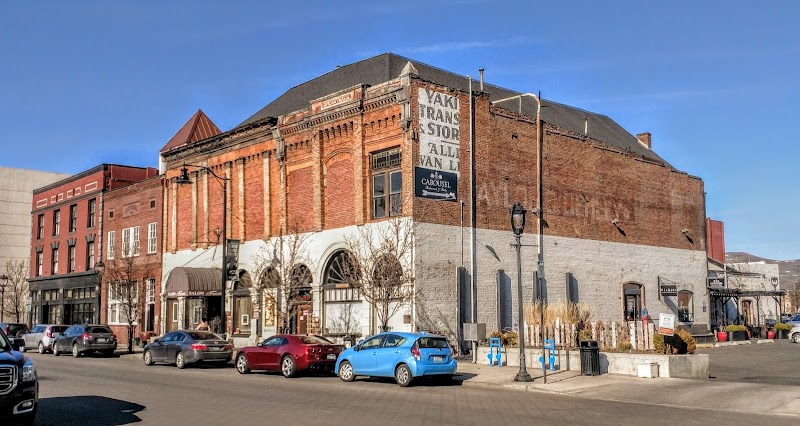
Sunridge Fruit Company Store
This working fruit company has a retail shop where you can buy direct from the producer—fresh apples, pears, cherries, and stone fruits depending on season, often at prices better than supermarkets. Visiting during harvest season (July-October) means peak freshness and variety. Their dried fruit is excellent for travel snacks.
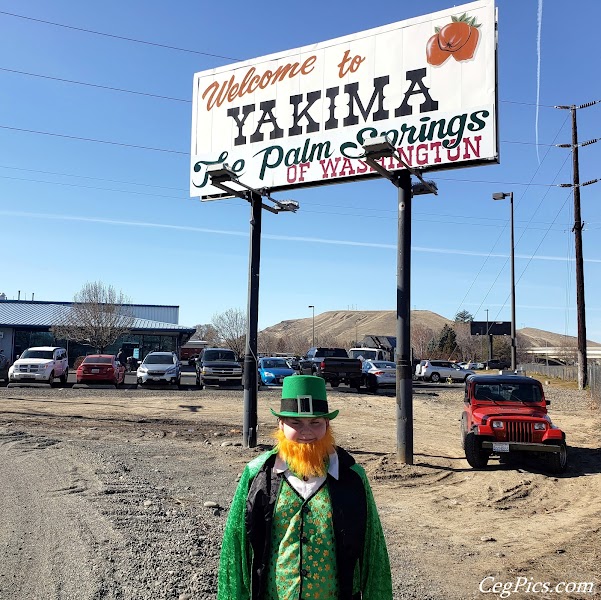
Gilbert Cellars and Valley Wineries' Open Houses
Gilbert Cellars, Windy Rowdy, and other smaller operations often host special events and open houses where you can meet winemakers directly. These aren't slick tasting rooms but rather intimate spaces where serious wine conversation happens. Check seasonal event calendars; spring and fall typically have the most activity.
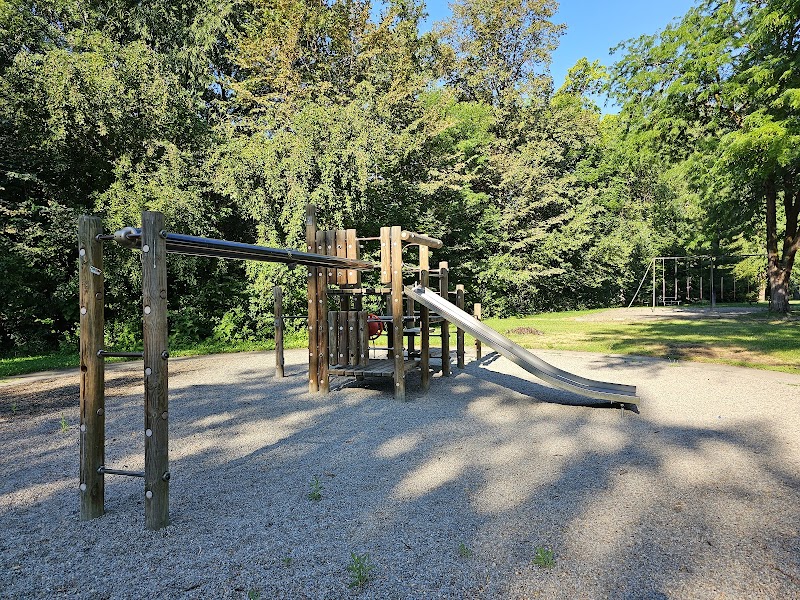
Sarg Hubbard Park and River Access
This 70-acre park at the city's north end offers river access, picnic areas, and walking paths along the Yakima River. It's a genuine local hangout, less manicured than typical municipal parks, with a real sense of community. Excellent for watching bald eagles in winter and for understanding how residents actually use public space.
Neighborhoods & Districts
Downtown Yakima / Yakima Avenue Corridor
Revitalized historic core with restored brick buildings, galleries, and independent businesses that represent genuine community reinvestment rather than themed tourism.
Browse galleries at the Yakima Valley Museum, grab coffee at one of several independent cafes, explore vintage shops, and experience the walkable streetscape that's become increasingly active over the past decade. Many restaurants and breweries are concentrated here.
Selah / Naches Heights Wine Region
Hillside community east of the city with panoramic valley views, home to boutique wineries and more rural, agricultural character.
Visit family-owned wineries like Bonair or Naches Heights, hike the Selah Rim Trail with valley views, and experience the quieter side of Yakima wine country away from the city center.
Toppenish (30 minutes north)
Quirky Western-themed town that fully commits to its cowboy identity with murals, heritage sites, and a surprisingly authentic rodeo culture.
Explore the 70+ murals painted across downtown buildings, visit the Cowboy Capital Museum, and experience the annual Toppenish Rodeo (September) that locals actually attend, not just tourists.
Union Gap / South Yakima
More industrial and working-class southern extension of Yakima with agricultural processing facilities and a less polished character.
See the actual infrastructure of hop processing and fruit packing, visit outlet stores, and access trailheads for Greenway southern sections. Less touristy but authentically representative of the region's economy.
Food & Drink
Yakima's food scene reflects its agricultural bounty and cultural diversity—exceptional produce, Central Valley Mexican cuisine reflecting the region's significant Latino heritage, and a growing craft beverage culture. You won't find high-concept fusion here; instead, expect straightforward excellence built on local ingredients, family recipes, and genuine community investment. The city punches well above its weight for a town of 93,000, with several nationally-recognized restaurants and an impressive number of serious winemakers and craft brewers who actually live and work here rather than visiting seasonally.
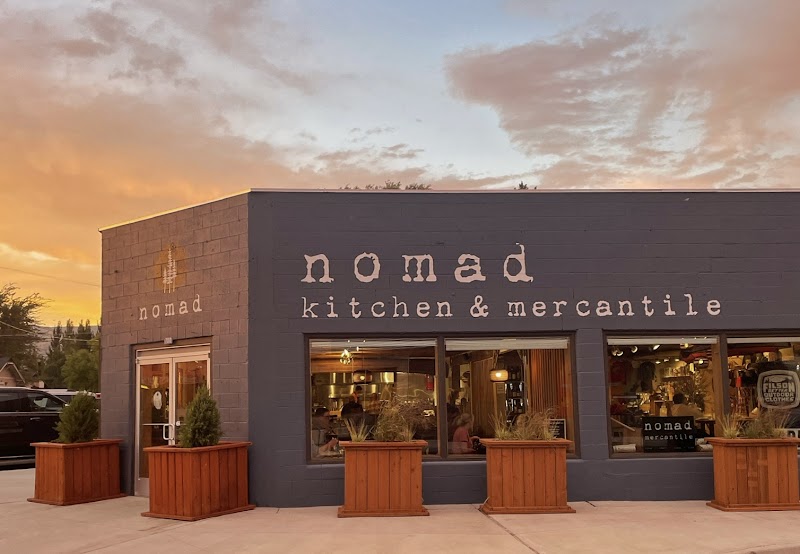
Essencia Restaurant
Farm-to-table dining in a restored historic building on Yakima Avenue, featuring menus built around whatever's currently harvested from local farms. Chef-driven without pretension, with wine pairings from regional producers. Reservations essential, especially weekends.
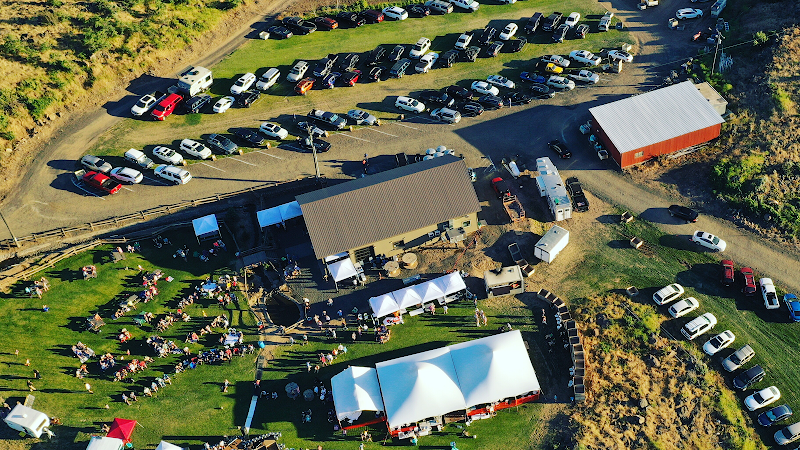
La Cocina de Mamá
Authentic Mexican cuisine reflecting the region's agricultural workforce heritage—exceptional chile rellenos, fresh tortillas made daily, and genuine family recipes rather than Americanized versions. Local institution that's been family-run for decades; arrive early for lunch or expect a wait.
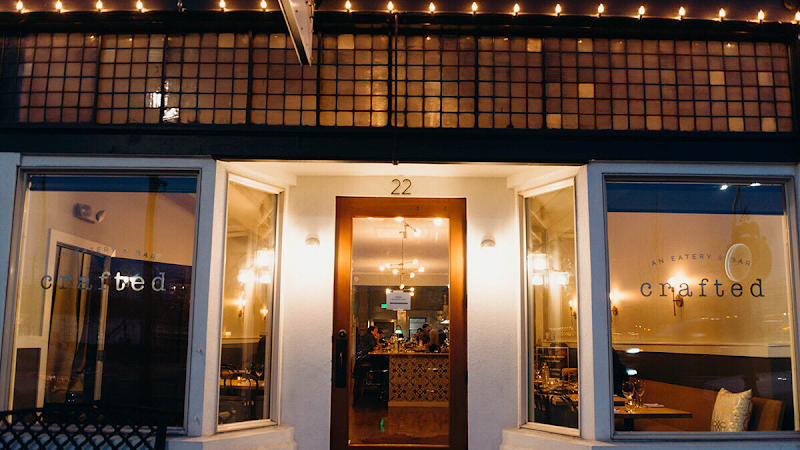
Bale Breeze Brewing
Yakima's most serious craft brewery, using exclusively local hops in creative IPAs and other styles. The tasting room has a working brewery atmosphere with exposed tanks, and the rotating food trucks provide sustenance. Their 'Fresh Hop' seasonal ale in October is exceptional.
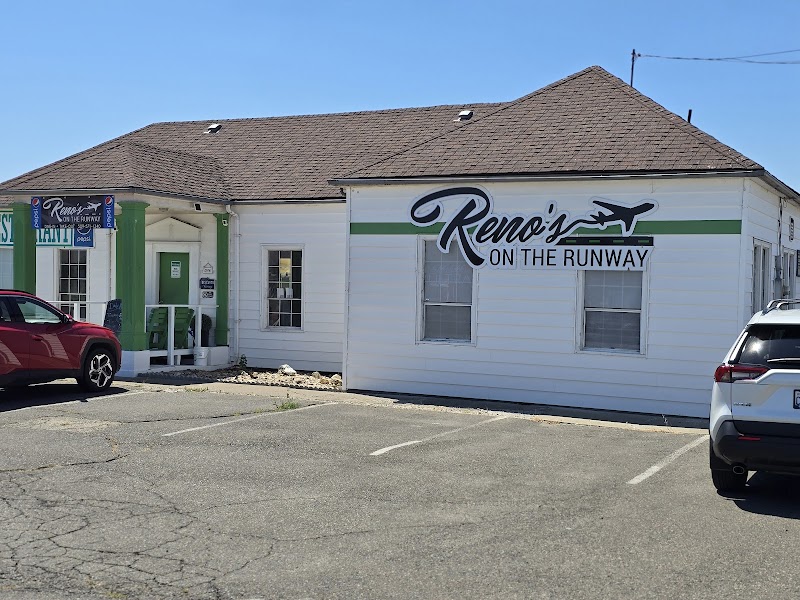
Craft Brewing Company
Downtown brewery with a large patio, consistent quality IPA and lager selection, and a genuine neighborhood bar atmosphere despite good beer. Food trucks and casual vibe make it perfect for afternoon visits. Owner is a longtime local invested in the community.
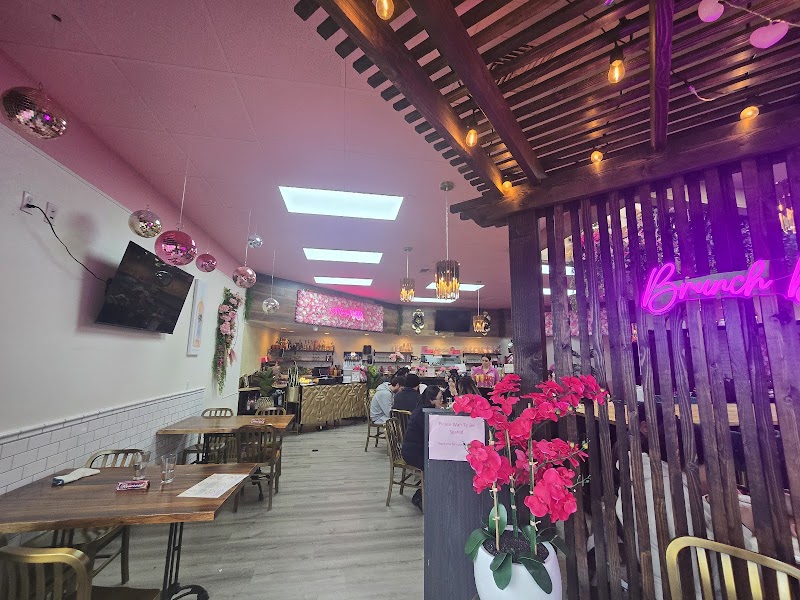
Café Mela
Locally-roasted espresso drinks, pastries, and lunch items in a cozy downtown space. The owners source what they can locally and maintain genuine relationships with suppliers. Go for the coffee quality and the community atmosphere.
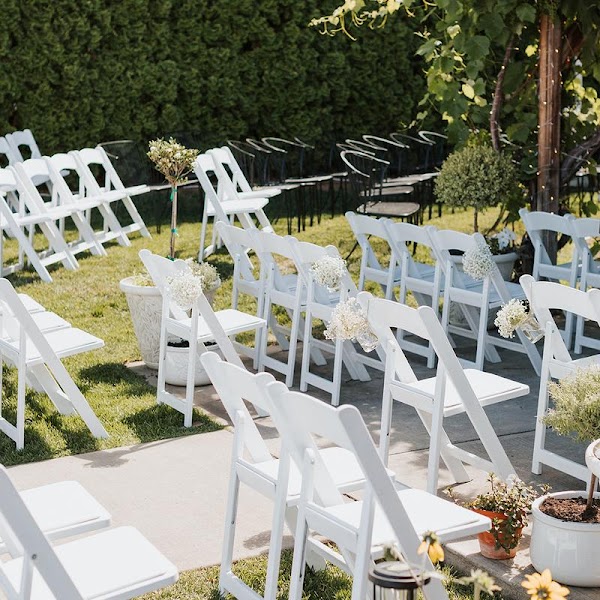
Gilbert Cellars Tasting Room
Small-production winery with a intimate tasting room where you might actually meet the winemaker. Their Cabernet Sauvignon and Riesling are excellent, and the lack of pretension is refreshing. Call ahead to ensure someone's pouring; this isn't a massive operation.
When to Visit Yakima
spring
April through May brings wildflower blooms across the valley and arboretum, mild temperatures perfect for hiking and biking the Greenway Trail, and the beginning of wine country open house season. Spring weather is unpredictable—come prepared for both rain and sudden warm days. This is the ideal time to visit before summer heat intensifies.
summer
June through August features warm, dry days (90s are common) perfect for wine tasting and outdoor recreation, though afternoon heat can be intense. This is peak tourist season for the region; plan wine tasting for early morning or evening. Farmers' markets peak with fresh produce; the Yakima Farmers Market runs Saturdays downtown year-round but is at its best in summer.
fall
September through November brings harvest season when vineyards are actively picking grapes and hops, creating palpable energy in the region. Air quality can be affected by agricultural burning in early fall, but mid-to-late October offers exceptional weather and wildflower colors. The Toppenish Rodeo (mid-September) is a genuine community event worth timing a visit around.
winter
December through February is cool and can be gray, with occasional snow that rarely accumulates. Winter is actually excellent for visiting—fewer tourists, lower wine tasting crowds, and bald eagles congregate along the Yakima River (December-January). It's the perfect season for restaurant dining and brewery visits without fighting summer heat and crowds.
Getting There
Yakima is served by Yakima Air Terminal (YKM) with limited commercial service; most visitors fly into Seattle-Tacoma International Airport (SEA), about 90 minutes northwest via I-90 and US-97. The drive from Seattle is straightforward and scenic, passing through mountain passes before dropping into the Yakima Valley. Amtrak's Empire Builder stops in Spokane (2.5 hours east) with bus connections to Yakima available. The city is very car-dependent once you arrive, so renting a vehicle is essential for exploring wineries and surrounding areas.
Insider Tips
Skip the big wine-touring companies and rent a car instead—the valley is compact enough to navigate independently, and you'll access smaller, family-owned wineries that tour companies don't visit. Many don't have tasting rooms, but call ahead and winemakers will often pour for serious visitors.
Visit farmers' markets on Saturday mornings at the downtown Yakima Farmers Market (year-round) to buy fresh stone fruits, asparagus, and other local produce at peak ripeness and reasonable prices. This is where locals actually shop, not a tourist attraction.
Book dinner reservations at Essencia two weeks in advance—it's the city's most serious restaurant and seating is limited. The menu changes based on what's harvested that week, so there's no point checking ahead; just trust the chef.
Explore downtown Yakima Avenue on foot on a Saturday afternoon—this is when the neighborhood is actually alive with locals. Browse galleries, check out vintage shops, and eat lunch at one of several good cafes. The vibe is genuine and unpolished, very different from tourist-focused downtowns.
If visiting in September, time your trip around the Toppenish Rodeo—it's a real community event with actual rodeo competition, not a themed performance. Hotel rooms sell out weeks in advance, but it's worth experiencing how the region actually celebrates its heritage.
Visit in late September or early October during hop harvest season and you'll see the entire valley transformed by harvest activity—this is when the agricultural identity becomes unmistakable and visible. Many breweries do 'fresh hop' releases using hops picked that day, which is genuinely special.