Washington Region
North Cascades
America's Alps — glaciers, turquoise lakes, and the wildest mountains in Washington
Cities
Bellingham
Hotels
10
Restaurants
10
Activities & Attractions
12
Best Time to Visit
July–September
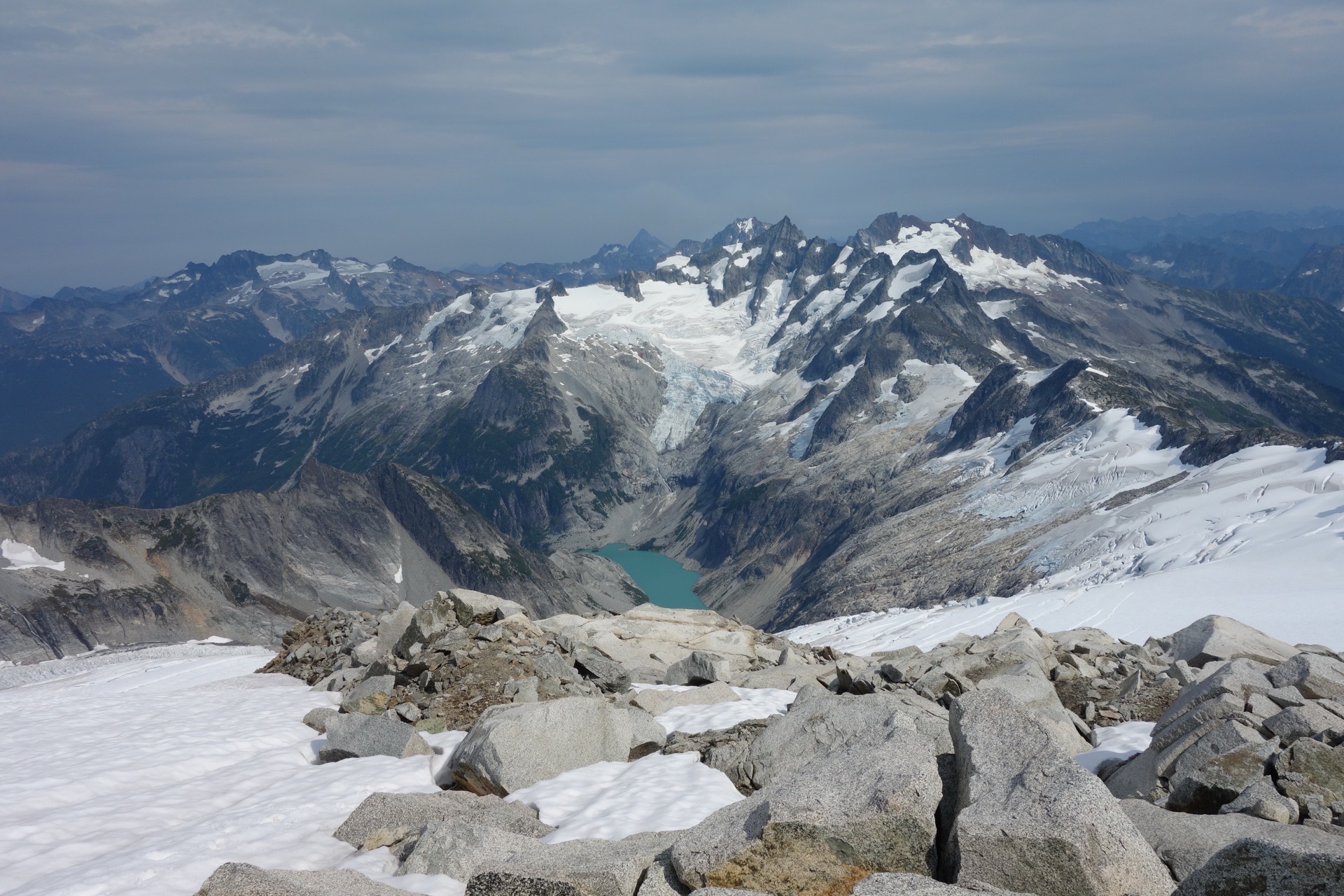
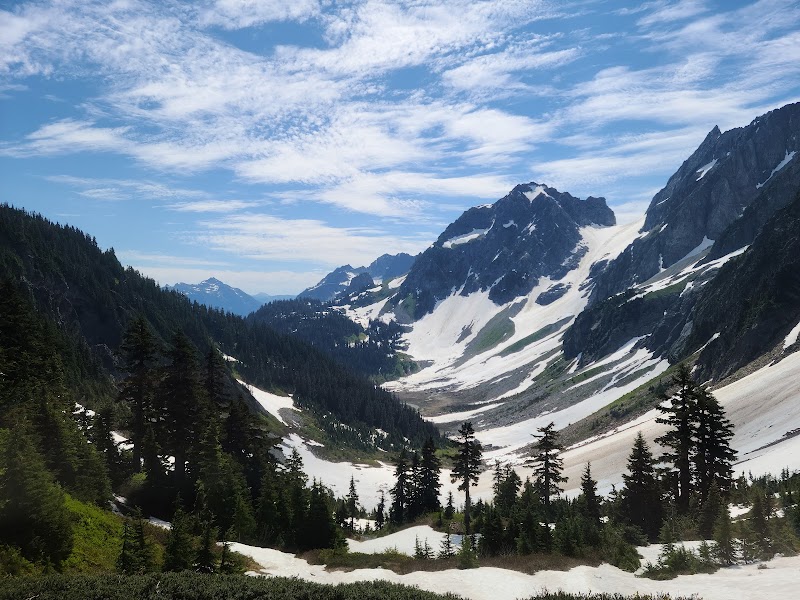
The North Cascades are the least-visited major mountain range in the lower 48 — and that's exactly why you should go. While Olympic and Rainier draw millions of visitors annually, North Cascades National Park sees fewer than 40,000, despite containing more glaciers than any other national park outside Alaska. The mountains here are younger, sharper, and more jagged than the Rockies, with peaks that rise like broken teeth above valleys filled with turquoise glacial lakes.
The park and surrounding national forest are bisected by the North Cascades Highway (Highway 20), one of the most spectacular mountain drives in America. The road climbs through old-growth cedar forests, passes turquoise Diablo and Ross Lakes — reservoirs that look more like alpine lakes in the Swiss Alps — and crosses Washington and Rainy Passes before descending into the dry eastern slopes. The entire stretch from Sedro-Woolley to Winthrop is about 120 miles and takes 3-4 hours with stops, which you will absolutely make because you can't stop pulling over.
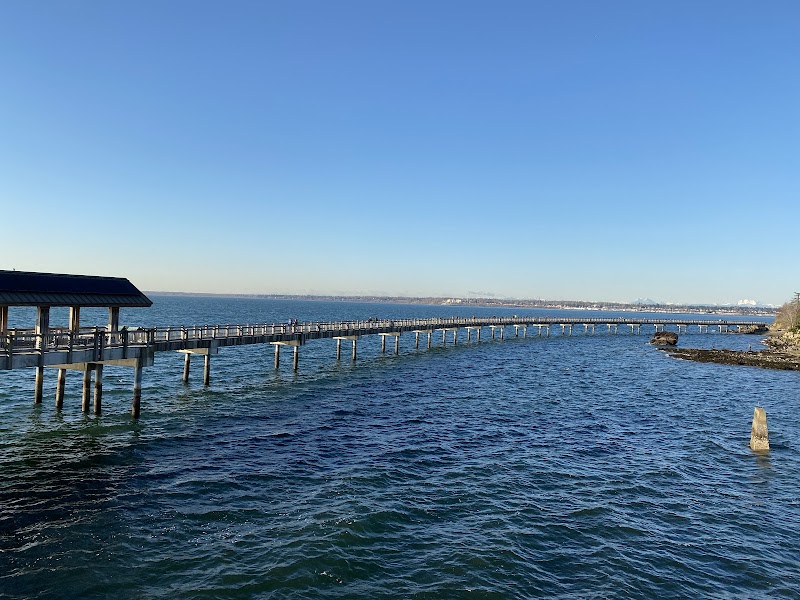
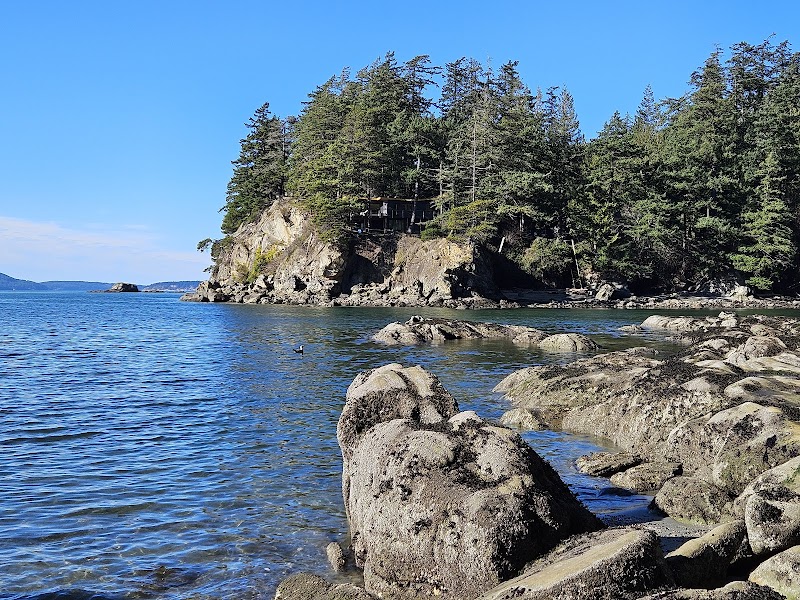
Bellingham, the college town at the northern end of I-5, serves as the western gateway. It's a genuine outdoors town — the kind of place where kayaks outnumber SUVs and the college campus borders a state park with old-growth forest. Bellingham's downtown has excellent restaurants, craft breweries (Aslan, Wander, Boundary Bay), and a compact waterfront district. It's also the departure point for the Alaska Marine Highway ferry and the gateway to Mount Baker — Washington's northernmost volcano and one of the snowiest places on earth (the world record snowfall of 1,140 inches was set at Mount Baker Ski Area in 1998-99).
The Methow Valley on the eastern side of the range is a different world entirely — dry, sunny, and golden, with the Old West towns of Winthrop and Twisp serving as a base for mountain biking, cross-country skiing, and some of the best lodging in rural Washington. In winter, the Methow Trails system offers 200 kilometers of groomed cross-country ski trails, making it one of the largest Nordic ski systems in North America.
Hiking in the North Cascades ranges from easy lakeside strolls to serious mountaineering. The Cascade Pass trail is the most popular day hike — 7.4 miles round trip to a flower-covered pass with views of glaciers cascading off Johannesburg Mountain. For more solitude, the Heather-Maple Pass Loop offers a 7.2-mile circuit above tree line with views of Lake Ann's impossibly blue water 2,000 feet below. In fall, the larch trees along these trails turn gold — one of the few deciduous conifers in the world — creating a scene that looks more like the Dolomites than the Pacific Northwest.
What Makes It Unique
The North Cascades contain more glaciers than any national park outside Alaska, yet receive a fraction of the visitors of comparable parks. The combination of turquoise glacial lakes, jagged alpine peaks, and genuine solitude makes this the place for people who want to experience wild mountains without the crowds.
Top Experiences in North Cascades
The must-do activities and attractions that define this region — with insider tips to make the most of each one.
North Cascades Highway (Highway 20)
One of America's greatest mountain drives, crossing the North Cascades from the lush western slopes to the dry eastern valleys. Key stops include the Diablo Lake Overlook (where the turquoise glacial water is almost too blue to believe), Gorge Creek Falls, the Newhalem Visitor Center, and Washington and Rainy Passes. The full drive from Burlington to Winthrop takes 3-4 hours without stops — budget a full day to do it justice. The road closes in winter (typically November–April) due to avalanche danger.
Insider Tip
Drive east to west if you can — the reveal of Diablo Lake is more dramatic from the eastern approach, and you end near Bellingham for dinner.
Diablo Lake
The turquoise color of Diablo Lake is not Photoshopped — it's caused by glacial flour (finely ground rock) suspended in the water, which reflects sunlight in a way that creates an almost electric blue-green. The Diablo Lake Overlook on Highway 20 is the classic viewpoint, but you can also kayak or canoe on the lake itself (boat launch at Colonial Creek Campground). Ross Lake, just upstream, is even more remote and backcountry-oriented.
Insider Tip
The color is most vivid on sunny days in summer and early fall. Overcast days wash out the turquoise.
Cascade Pass / Sahale Arm
The most iconic day hike in the North Cascades. The trail climbs 3.7 miles through old-growth forest and subalpine meadows to Cascade Pass, a flower-covered saddle with views of glaciers on Johannesburg Mountain. Strong hikers can continue another 2 miles and 2,000 feet up to Sahale Arm, where the views become truly alpine — glaciers in every direction, marmots whistling from the rocks, and the Cascade Range stretching to the horizon.
Insider Tip
The trailhead road (Cascade River Road) is rough gravel for the last 10 miles. High-clearance vehicles recommended. The trail is snow-free typically mid-July through October.
Mount Baker
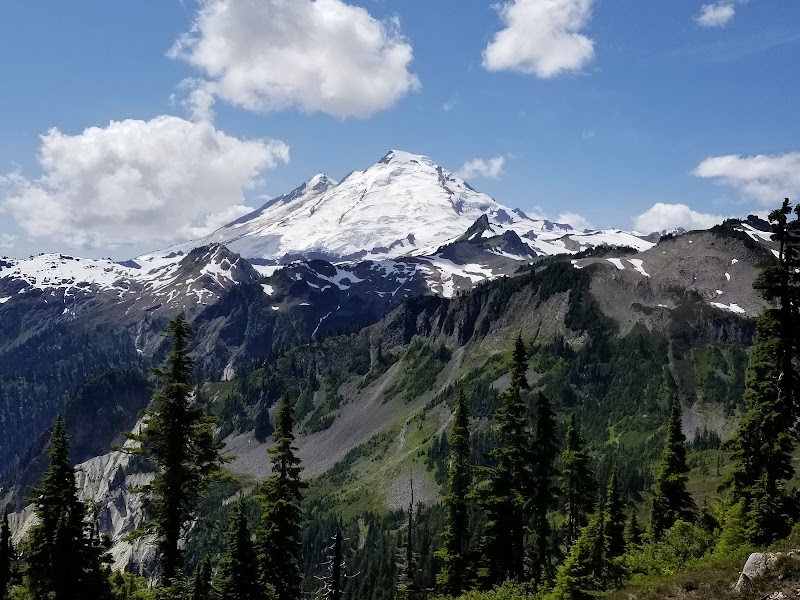
Washington's northernmost major volcano (10,781 feet), visible from Bellingham on clear days and home to the world-record snowfall. The Mount Baker Ski Area is legendary for deep powder and a laid-back vibe. In summer, the road to Artist Point (usually open late July through September) ends at a high alpine parking lot with wildflower meadows, glacier views, and trails leading to panoramic viewpoints. The Chain Lakes Loop is a 7.5-mile trail that circles through the most accessible alpine terrain near the mountain.
Insider Tip
Artist Point road opens late — often not until late July or even August. Check the Mount Baker Highway status before driving up.
Heather-Maple Pass Loop
A 7.2-mile loop that climbs above treeline to ridgeline views of Lake Ann — a turquoise alpine lake sitting 2,000 feet below in a glacial cirque. In September and early October, the larch trees along the trail turn brilliant gold, creating one of the most spectacular fall color displays in the Pacific Northwest. The trail is moderately strenuous with about 2,000 feet of elevation gain, and the exposed ridgeline section delivers views in every direction.
Insider Tip
Visit in late September for larch season — the golden needles against the turquoise lake and dark rock is extraordinary. Weekdays are far less crowded.
Bellingham Craft Brewery Scene
Bellingham has more craft breweries per capita than nearly any city in Washington, and the quality is genuinely high. Aslan Brewing and Boundary Bay are the flagships, but Wander Brewing, Kulshan, and Stones Throw all deserve a visit. Most are walkable from downtown and serve food or have food trucks. The scene is unpretentious and local — more Carhartt than cocktail dress.
Insider Tip
Start at Boundary Bay for the outdoor beer garden, then walk to Aslan or Wander. All three are within a 10-minute walk of each other.
Best Time to Visit North Cascades
Peak Season
July–September
Best weather, most activities open, highest crowds.
Shoulder Season
Late June, October
Fewer crowds, good value, variable weather.
Off Season
November–April (Highway 20 closed, snow at elevation, limited access)
Limited access or activities, but fewer visitors.
The North Cascades have the shortest accessible season of any region in Washington. Highway 20 typically closes in November and doesn't reopen until April or May, depending on snowpack. High-elevation trails are often snow-covered until mid-July. The sweet spot is late July through September — trails are clear, wildflowers are blooming (July–August) or larches are turning gold (September–October), and the weather is generally dry and warm. October can be stunning for fall color but the weather becomes unpredictable. Winter transforms the region into a Nordic and backcountry skiing paradise, but access is limited to the edges (Mount Baker Ski Area from the west, Methow Valley from the east).
Where to Stay
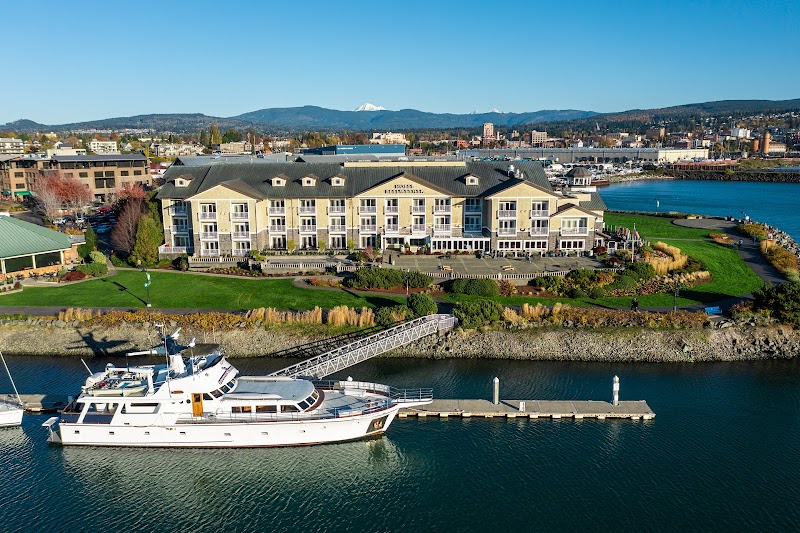
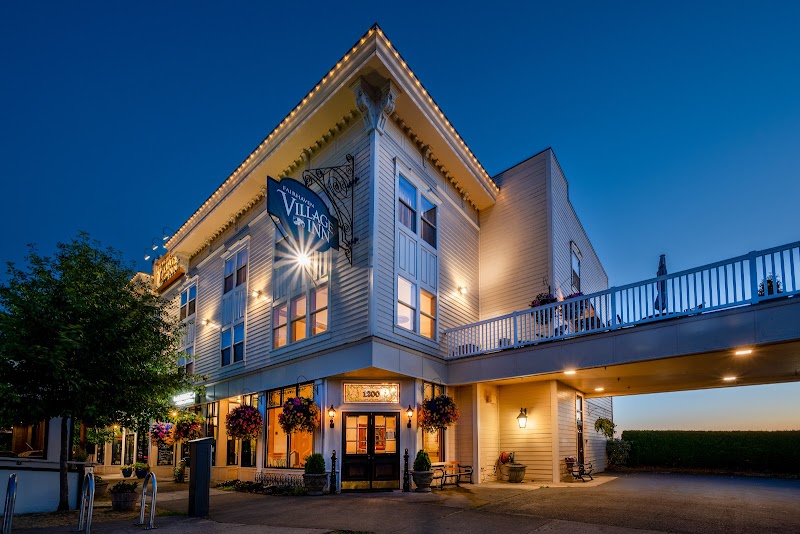
Bellingham is the best base for the western side — excellent restaurants and breweries, college town energy, and easy access to Mount Baker and the western entrance to Highway 20. For the eastern side, Winthrop and Mazama in the Methow Valley offer outstanding lodging (the Freestone Inn and Sun Mountain Lodge are two of the best rural lodges in Washington). Mazama is quieter and closer to the mountains; Winthrop has more restaurants and an Old West boardwalk downtown. For camping, Colonial Creek on Diablo Lake and Newhalem Campground are the best in-park options.
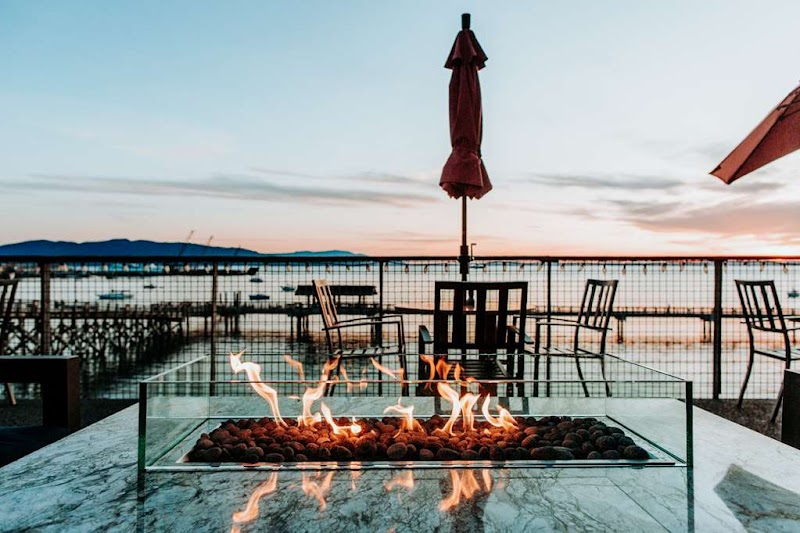
Top-Rated Hotels in North Cascades
Food & Drink
The North Cascades region spans two distinct food cultures. On the west side, Bellingham has a thriving food scene driven by local seafood, Skagit Valley produce, and a craft-beer culture that rivals Portland. On the east side, the Methow Valley has a surprising number of excellent restaurants for such a small community — fueled by the outdoor recreation crowd and second-home owners who expect quality. The valley also produces some noteworthy wine.
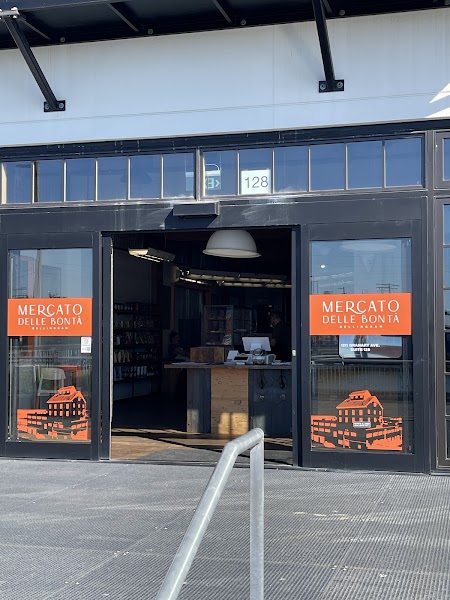
Bellingham's Boundary Bay Brewing — one of the best brewpubs in the state, with a massive beer garden
Fresh Dungeness crab and oysters at Taylor Shellfish in Bow (between Burlington and Bellingham)
The Mazama Store in the Methow Valley — an unexpectedly excellent deli and espresso in the middle of nowhere
Arrowleaf Bistro in Winthrop — farm-to-table dining that would be noteworthy in Seattle
Skagit Valley produce in summer — tulips get the fame, but the berries and vegetables are the real treasure
Getting There
From
Seattle
Drive Time
2–3 hours to Bellingham or the western entrance; 4 hours to the Methow Valley via Highway 20
Bellingham is 90 miles north of Seattle on I-5 — an easy 1.5-hour drive. From Bellingham, the Mount Baker Highway heads east to the ski area and Artist Point (60 miles). Highway 20 departs I-5 at Burlington and crosses the North Cascades to the Methow Valley — a spectacular but winding 3-4 hour drive. From the east side, the Methow Valley is accessible from Wenatchee via Highway 97/153. Bellingham also has a small airport (BLI) with limited commercial service. In winter, Highway 20 is closed and the only access to the Methow Valley is from the east.
Cities & Towns in North Cascades
Explore our detailed guides to the cities and towns that make up this region.
Insider Tips
The Diablo Lake Overlook is the most photographed spot on Highway 20. For a less crowded turquoise-water fix, paddle a canoe on Ross Lake — it's more remote but even more beautiful.
Larch season in the North Cascades (late September–early October) is Washington's best-kept secret. The golden needles against turquoise lakes are extraordinary, and crowds thin dramatically after Labor Day.
Mount Baker's Artist Point road typically opens weeks later than you'd expect — sometimes not until August. Check the Mount Baker Ranger District website for current conditions before making the drive.
The Methow Valley in winter is a completely different experience — 200 km of groomed cross-country ski trails, cozy lodges, and virtually no crowds. It's one of the best Nordic skiing destinations in North America.
If Highway 20 is still closed but you want North Cascades scenery, the Baker Lake Road from Highway 20 near Concrete leads to excellent trailheads and views without needing the main highway to be open.
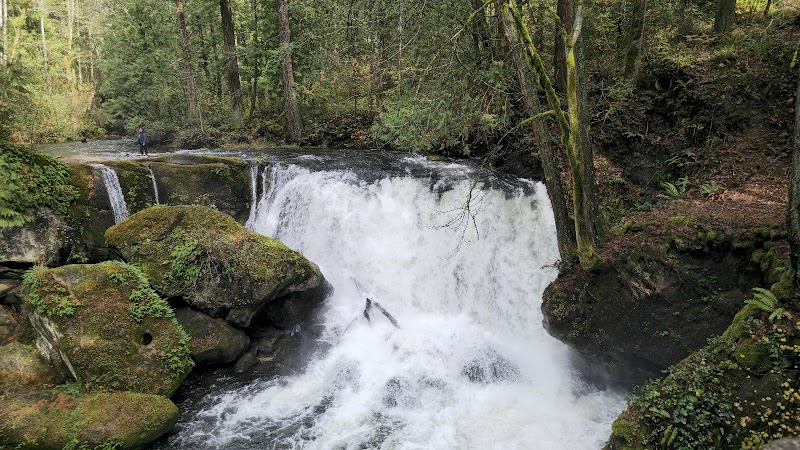
Bellingham's Whatcom Falls Park is a 241-acre city park with four sets of waterfalls and old-growth forest. It's free, rarely crowded, and a perfect hour-long stop.
More to Explore in North Cascades
Attractions
Outdoor Activities
Ready to Explore North Cascades?
Start planning your trip to North Cascades — from where to stay to what to see, we've got you covered.