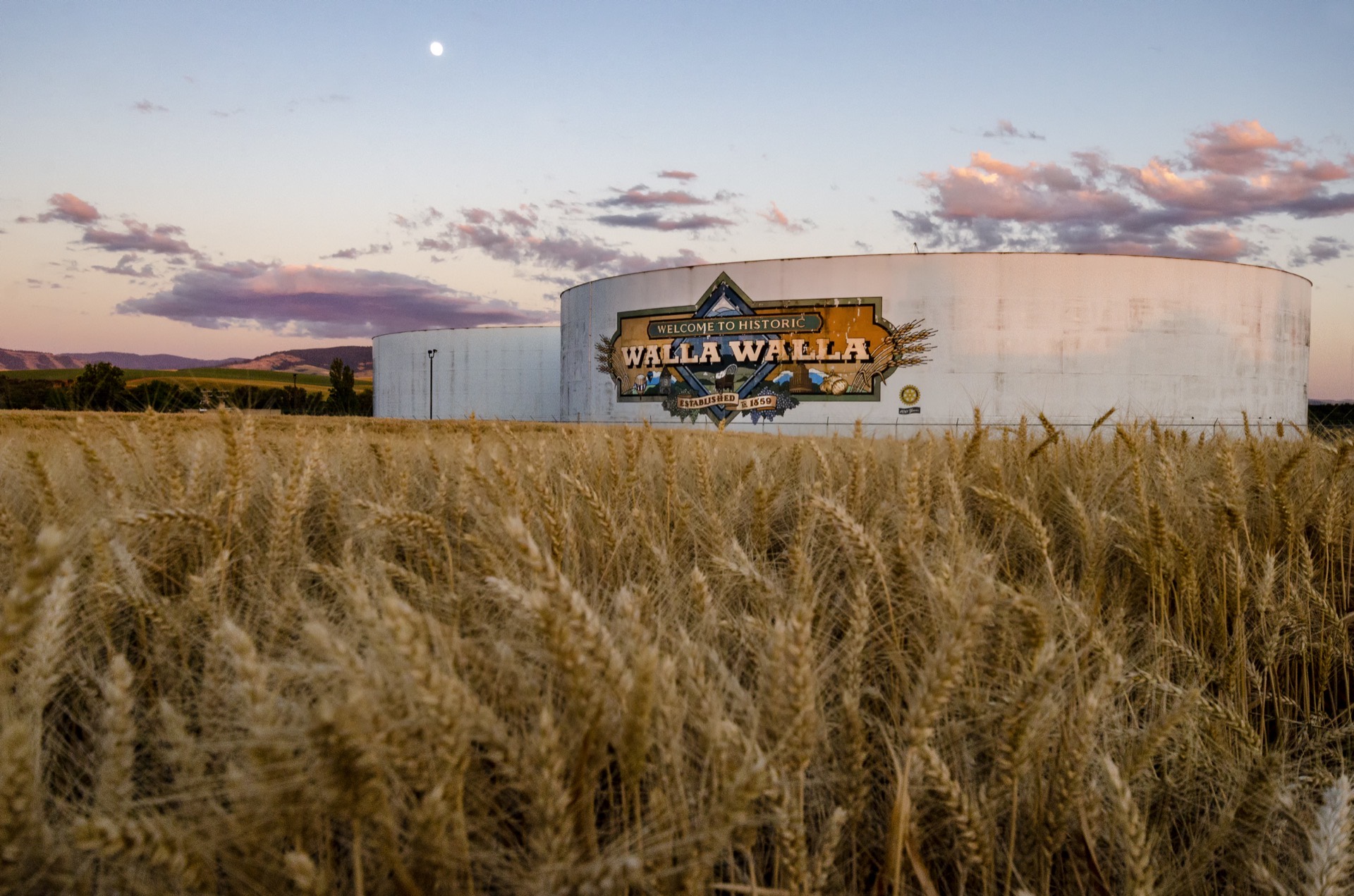
Eastern Washington, Walla Walla Valley
Walla Walla
Where bold wines meet farm-fresh tables and wheat fields touch the sky
Population
35,000
Region
Eastern Washington, Walla Walla Valley
Known For
Over 120 wineries producing world-class Cabernets and Syriahs, paired with farm-to-table dining and historic small-town charm
Nestled in the rolling hills of southeastern Washington where the Blue Mountains drain into the Walla Walla Valley, this town of 35,000 has quietly become one of America's finest wine destinations. The name itself — from the Walla Walla people — means "many waters," and those creeks and rivers carved the loess soils that make this valley's terroir extraordinary: warm days, cool nights, low rainfall, and that distinctive wind-deposited silt create conditions that produce Cabernets rivaling Napa at a fraction of the ego.
But Walla Walla isn't a wine-snob enclave. Downtown's restored brick buildings along Main Street and Colville Street house locally owned shops, art galleries, and tasting rooms that welcome everyone from serious collectors to curious travelers. Whitman College, a nationally respected liberal arts school, keeps the town intellectually engaged and culturally vibrant. The surrounding landscape — golden wheat fields in summer, frosted in winter — frames everything in a quieter, more authentic Pacific Northwest.
The wine industry here exploded in the early 2000s, transforming what had been a quiet agricultural town (famous since the 1900s for its sweet onions) into a premier destination. What's remarkable is that it happened organically, without the commercialization that overtook other wine regions. You can still walk into a tasting room and have an actual conversation with the winemaker. You can still find restaurants where the chef's relationship with local farmers isn't marketing — it's necessity and principle.
This is a place where you can spend a day sipping structured, complex wines in a converted schoolhouse, eat dinner where every vegetable came from within 20 miles, sleep in a restored farmstead surrounded by vineyards, and wake to the sound of nothing much at all. It's the kind of small town that reminds you why travel matters.
Top Things to Do in Walla Walla
Wine Tasting at L'Ecole No. 41
This iconic winery occupies a beautifully restored 1915 red-brick schoolhouse on the valley's edge — a setting that feels as much a part of the experience as the wine itself. Their Chenin Blanc is a revelation (rare and brilliant for the region), and their Cabernet Sauvignon sets the standard for Walla Walla reds. The tasting room staff actually know their stuff and don't push sales; it feels like visiting a knowledgeable friend.
Downtown Tasting Room Circuit
Over a dozen wineries have tasting rooms within a 15-minute walk of each other along Main Street and Colville Street — you can walk from one to another without needing a car. This downtown concentration makes it easy to taste across different producers and styles in a single afternoon without the winery-hopping fatigue of Napa. Saturday mornings are best, when the farmers market provides snacks and crowd-watching opportunities.
Leonetti Cellar Appointment Tasting
One of Walla Walla's founding wineries (established 1977), Leonetti doesn't have a casual walk-in tasting room — you must call ahead and book an appointment. It's worth the planning. Their reserve tastings are intimate affairs, often conducted by family members, and the Cabernets here are among the valley's most sought-after. This is what real wine culture looks like.
Hot Air Balloon Ride at Dawn
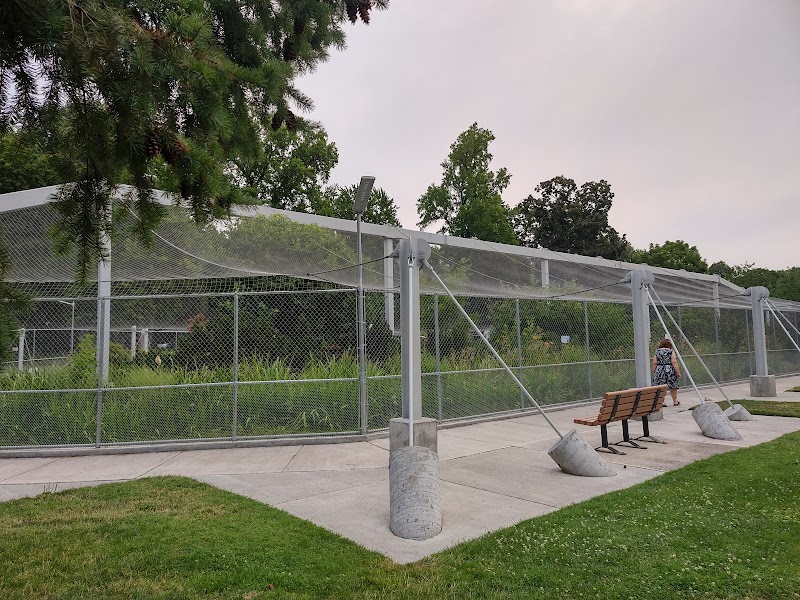
Several operators launch from the south end of town in early morning hours, lifting you silently above vineyards and wheat fields as the sun breaks over the Blue Mountains. It's tourist-activity superlatives for good reason — the view of the valley's scale and geometry from altitude is genuinely moving, and the stillness of drifting over farmland in the first light stays with you. Book with Balloons Over Walla Walla or All Winds Aloft.
Fort Walla Walla Museum
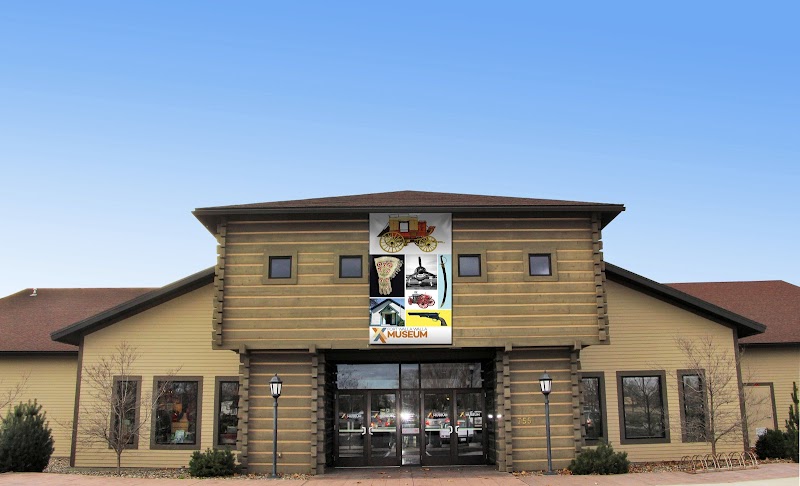
Spread across a former Army post, this museum preserves 17 historic buildings and one of the most impressive collections of horse-drawn farm equipment in the West — including a massive 1920s combine harvester that dominates the landscape. The pioneer-era structures and agricultural machinery tell the story of how the Palouse became America's wheat country. Allow 2-3 hours minimum.
Walla Walla Saturday Farmers Market
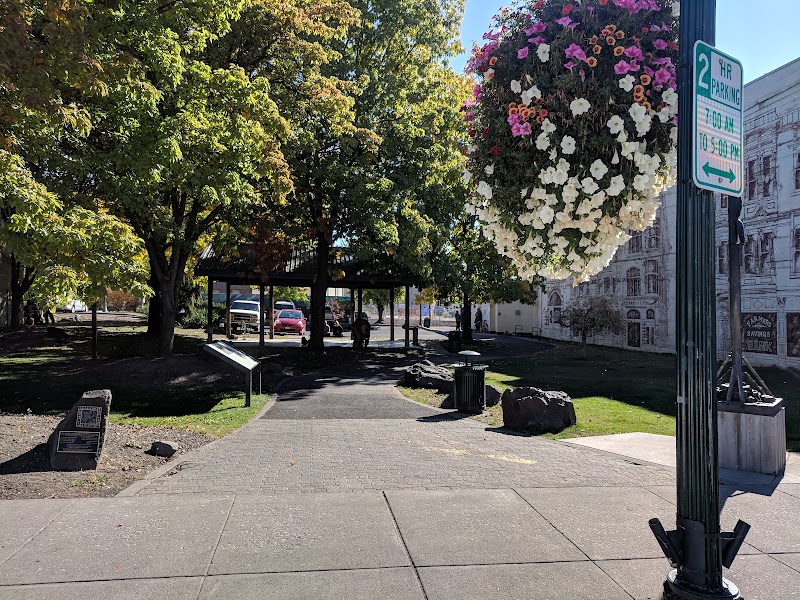
Running May through October on downtown's Main Street and surrounding blocks, this is where local agriculture happens in real time. Expect Walla Walla sweet onions (June-August) that taste like nothing you've bought at a grocery store, artisan breads from local bakeries, fresh produce direct from farmers, and local makers selling everything from lavender products to hand-pulled pasta. Come hungry and early.
Whitman College Campus Walk
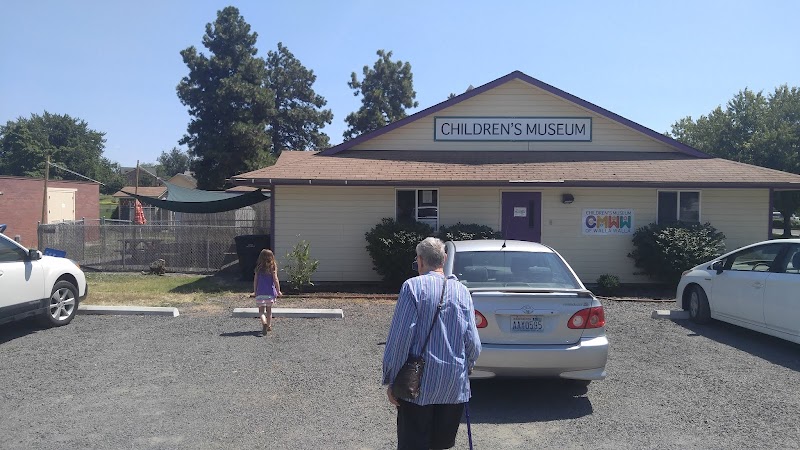
The 70-acre campus in the heart of town is a beautiful asset open to the public, with tree-lined walkways, historic buildings, and the excellent Whitman College Art Collections Museum (free admission). The campus gives Walla Walla an intellectual energy and cultural calendar — check what's happening during your visit; lectures, concerts, and exhibitions happen year-round.
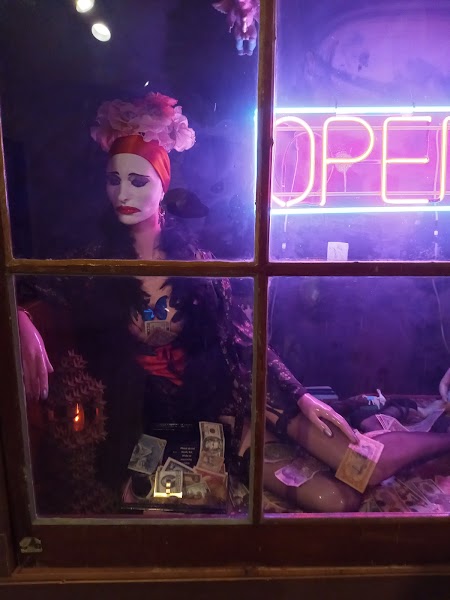
Bennington Lake for Outdoor Recreation
About 20 minutes from downtown, this 6.5-mile looped trail around the lake offers easy walking with great views of the Blue Mountains. It's popular with locals for hiking, bird-watching, and picnicking. Spring brings wildflowers; summer is warm and dry; fall colors are subtle but lovely. The parking area has a small boat launch if you're inclined to kayak.
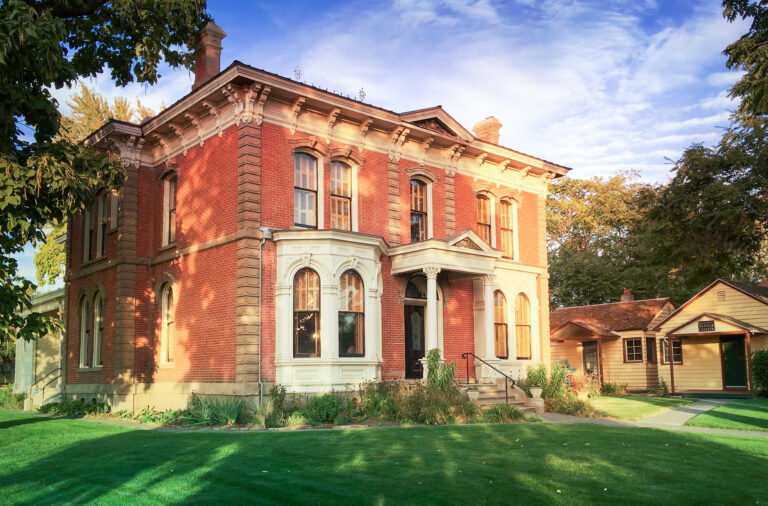
Whitman Mission National Historic Site
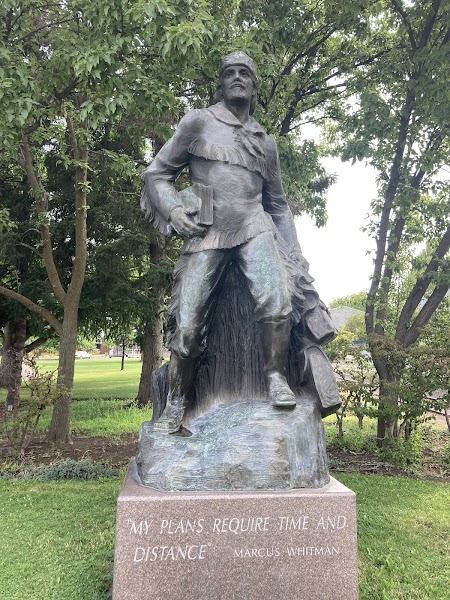
About 7 miles west of town, this restored 1840s missionary site tells the complex history of European settlement and its impact on the Cayuse people. The grounds include reconstructed buildings, archaeological displays, and a moving interpretive center. It's essential context for understanding the valley's real history, not just its wine-country present.
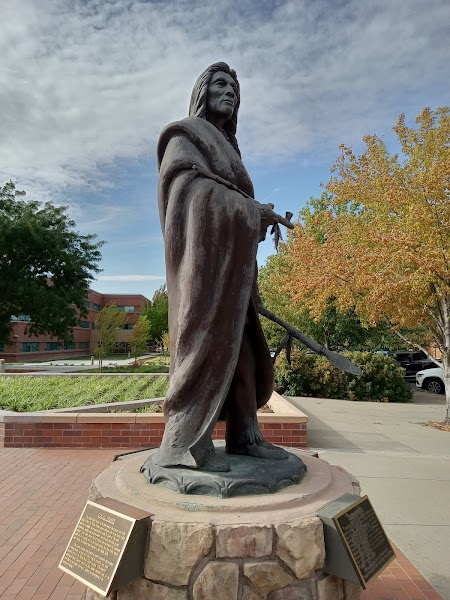
Scenic Drive Through the Palouse
The rolling wheat fields of the Palouse surrounding Walla Walla are among the most visually stunning agricultural landscapes in America. Drive Highway 12 toward Moscow, Idaho (about 30 miles), or take backroads through the golden hills. Timing matters: early summer for green fields, late August for golden wheat, winter for snow-dusted contours. Bring a camera and patience for the curves.
Neighborhoods & Districts
Downtown / Main Street
The heart of Walla Walla — walkable, historic, with restored brick buildings housing wineries, restaurants, galleries, and local shops that feel like they're actually run by people who live here.
Wine tasting rooms, farmers market (Saturday mornings May-October), Marcus Whitman Hotel, Saffron Mediterranean Kitchen, galleries like Artisan Salon, bookstores and coffee shops with real character
Colville Street Corridor
The eastern edge of downtown, quieter than Main Street but increasingly the hub for younger creative businesses, galleries, and newer tasting rooms with more contemporary aesthetics.
Modernist tasting rooms, artisan coffee roasters, small galleries, emerging restaurant scene, easier parking than Main Street, still walkable to downtown core
Winery East of Town (Highway 12 Corridor)
Where the serious wine production happens — pastoral, quiet, rolling vineyard views — this is the valley floor where most of the 120+ wineries cluster, each with their own rural aesthetic.
L'Ecole No. 41, Leonetti Cellar, Dunham Cellars, dozens of smaller family wineries, scenic drives through vineyards, pastoral landscapes and views of the Blue Mountains
Food & Drink
Walla Walla's food scene operates on a principle that sounds almost quaint elsewhere but is absolute law here: know your farmer. The growing season runs May through October, and restaurants build their menus around what's fresh and local. Walla Walla sweet onions (available June-August) are legendary — sweet enough to eat raw, caramelized until golden in a pan. The wine culture means restaurants take their wine lists seriously, and the best pair their seasonal menus with local bottles. The result is food that tastes alive and connected to place, without the pretension or price tags of bigger wine regions.
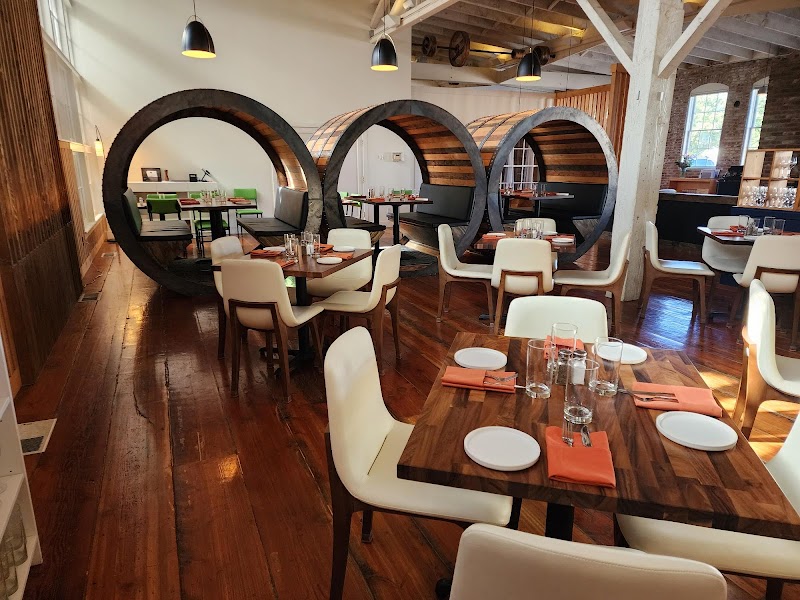
Saffron Mediterranean Kitchen
The most sought-after reservation in town — chef Brent Colwell builds a wood-fired menu around whatever's best that day from local suppliers. The cooking is elegant but unfussy, the wine list is curator-level smart, and the dining room has the kind of energy that comes from genuine expertise and passion. Book ahead; they're full most nights.
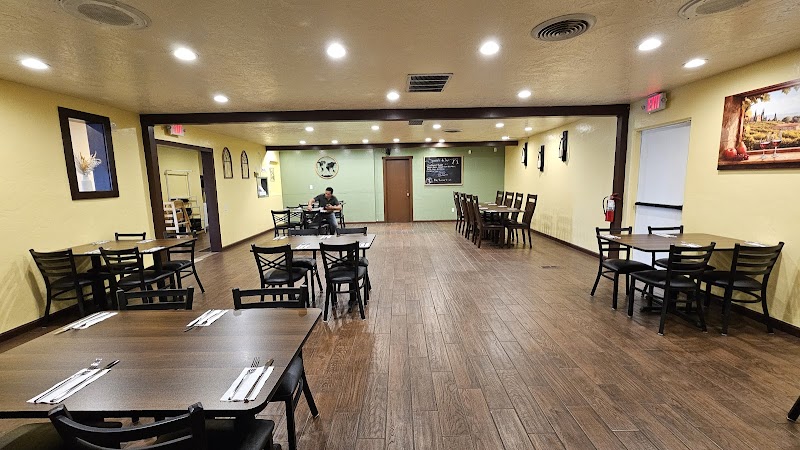
The Hideout at Abeja
The restaurant at the Inn at Abeja (a luxury vineyard property just outside town) serves a seven-course tasting menu featuring hyper-local ingredients, often foraged from the property itself. It's expensive, it's an event, and it's the kind of meal that justifies the price through pure craft and taste. Reserve well ahead.
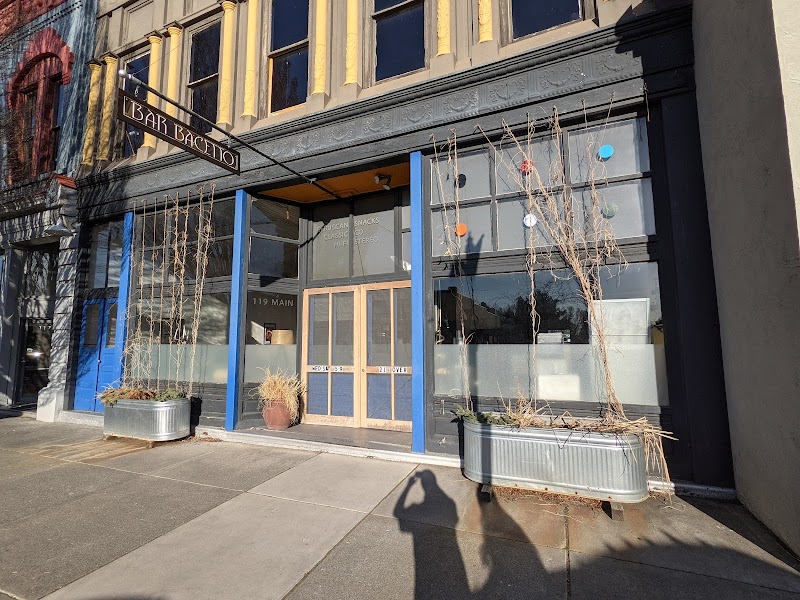
Olive B's Big Italian Restaurant
A downtown institution serving generously proportioned Italian classics (pasta, risotto, seafood) in a warm, unpretentious setting. The wine list is excellent and reasonably priced by wine-country standards. Come hungry; portions are real.
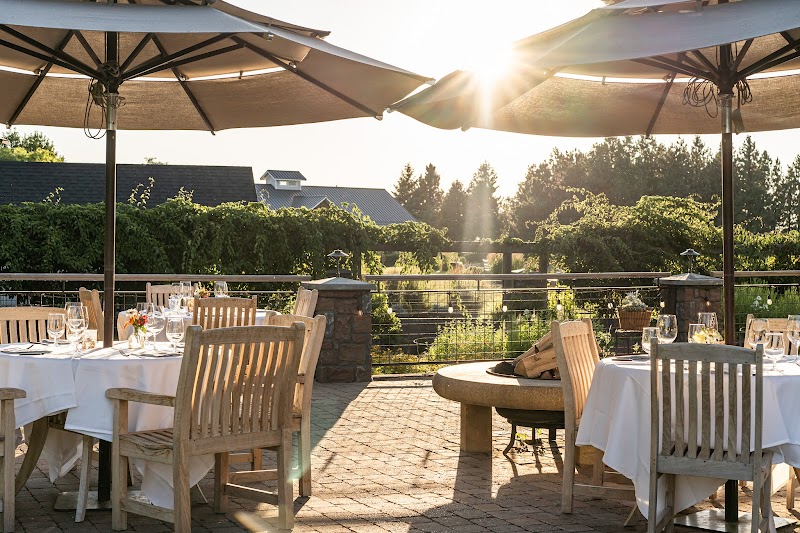
Walla Walla Onion Ice Cream at Sweetwater's Jam Café
A local experiment that works: creamy ice cream with caramelized Walla Walla sweet onions folded through. It sounds impossible and tastes genuinely compelling — a savory-sweet that captures the essence of the valley's signature crop. Try it at least once.
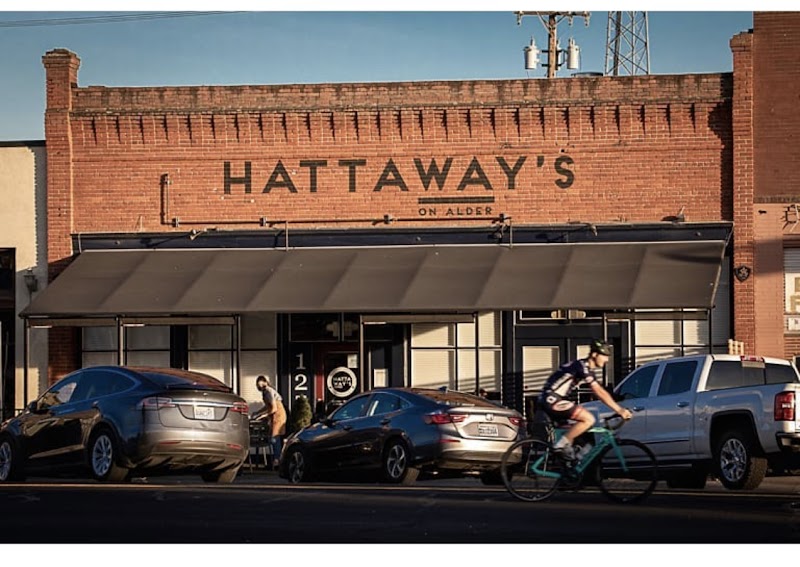
Whitehouse-Crawford Restaurant
Housed in a restored 1905 railway station warehouse, this is an ambitious kitchen turning out seasonal fare with serious technique. The setting is dramatic — exposed brick, high ceilings, warehouse proportions — and the food is confident without being overwrought. Excellent wine list with emphasis on Walla Walla producers.
Walla Walla Saturday Farmers Market (Food Stall Tour)
More of an experience than a restaurant, but May-October Saturdays you can eat your way through local bread, fresh-pressed cider, artisan cheeses, prepared foods from vendors, and sample produce directly. It's the cheapest, most authentic way to taste what the valley grows.
When to Visit Walla Walla
spring
April and May bring warming temperatures (50s-60s F), wildflowers across the Palouse, and the opening of outdoor patios downtown. Wine country comes alive as vineyards leaf out and the farmers market resumes. The light at this time of year is extraordinary — long, golden hours in the evening. It's the quietest season for tourist crowds.
summer
June through August is peak season — warm days (80s-90s F), cool nights, low rainfall, and absolutely clear skies. Walla Walla sweet onions are in season (June-August), the farmers market is bountiful, outdoor events happen constantly, and the vineyard landscape is at its greenest. It's also when prices peak and crowds are thickest; book accommodations ahead.
fall
September and October are arguably the best months — warm days, cool nights that are actually comfortable for hiking, the wheat fields turn golden, and harvest season brings energy to the wineries. The light is softer, the tourists thin out, and restaurant menus are still building from summer abundance. Wine Country Thanksgiving and Fall Barrel Tasting happen in October.
winter
November through March is quiet and cold (30s-40s F daytime, often dropping below freezing at night). Snow is occasional but not guaranteed. The landscape is dormant, the pace slows, and winter-weary travelers from the Pacific coast can find surprising solitude. Fewer tourists, lower prices, and restaurants still focused on local ingredients stored or preserved from fall harvest.
Getting There
Walla Walla Regional Airport (ALW) receives direct flights from Seattle, Portland, and San Francisco on Alaska Airlines and regional carriers — about 90 minutes from Seattle proper. Driving from Seattle takes 5-6 hours (280 miles southeast via I-90, then through the Palouse). From Portland, it's 3.5 hours (220 miles southeast). Once there, a car is essential for wine touring, though downtown is walkable on foot. The drive itself — especially the final stretch through the rolling Palouse landscape — is worth experiencing slowly.
Insider Tips
Skip the famous wineries on your first visit and go to smaller, less-known producers like Waterbrook or Charles Smith Wines — you'll spend less on tastings, get better service, and discover your own favorites without fighting crowds. The bigger names are fine but worth it only after you've tasted around.
Time your visit to hit the Walla Walla Saturday Farmers Market (May-October) — it's where locals actually eat and shop, and it gives you real onions, bread, and produce to taste. Visit early (8 AM) before the crowds.
Make dinner reservations at Saffron or Whitehouse-Crawford at least two weeks ahead, longer for summer weekends. You can eat well elsewhere, but these two are where the real food culture lives.
Book a stay at Inn at Abeja or The Finch if you can — mid-range chain hotels exist, but staying somewhere with actual character changes the whole experience. Abeja is the splurge; The Finch is the right-sized upgrade.
Hire a wine tour guide instead of driving yourself between wineries. People like the folks at Walla Walla Wine Tours or Insider Wine Tours know the winemakers, can adjust the route based on your preferences, and get you safely home. It costs $70-100 per person and is worth every dollar.
Visit Whitman Mission National Historic Site before exploring wine country — understanding the real history of the valley (Cayuse, missionaries, settlement) gives everything else necessary context and complexity.