Sequim sits at a particular quirk of Pacific Northwest geography. The Olympic Mountains, rising directly to the south, wring most of the moisture from prevailing weather systems before they reach the valley below. The result is a town that receives about 16 inches of rain per year, roughly half of what falls on Seattle, in a state where rain is the standard assumption. That anomaly lets lavender grow in commercial quantities. And because lavender grows here so reliably, Sequim became, somewhat improbably, one of the most recognizable destinations on the Olympic Peninsula. If you’re looking for things to do in Sequim, Washington, you’ll find the range is wider than lavender alone: a five-mile sand spit, a drive-through wildlife farm, easy access to Olympic National Park, and a small downtown that earns a stop on its own terms.
The Lavender Farms
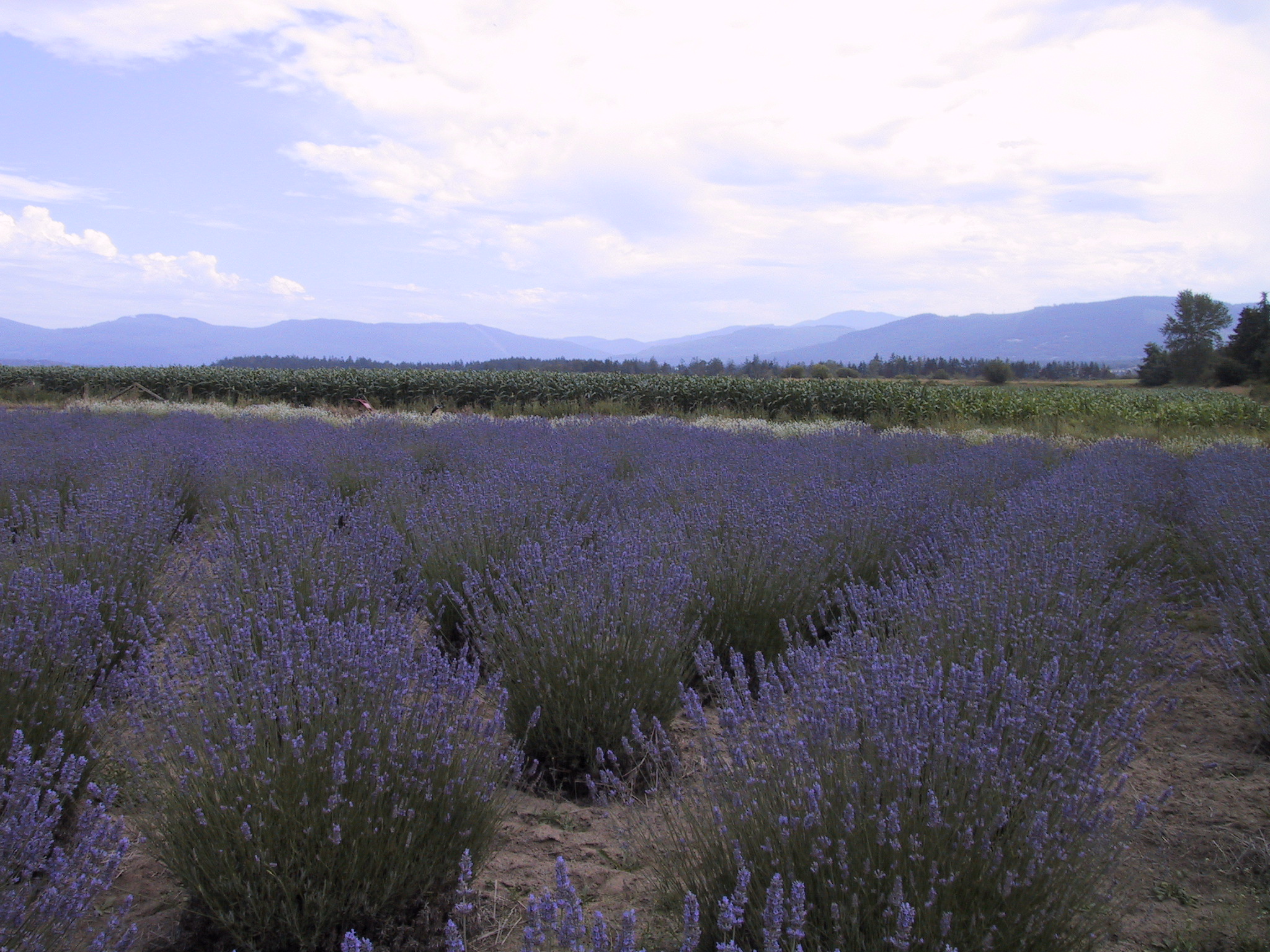
The lavender harvest runs from late June through early August, with peak bloom typically arriving in mid-July. Around 30 farms operate within a few miles of town, and several are open to visitors for self-guided walks, u-pick rows, and farm-store shopping.
Purple Haze Lavender on Bell Bottom Road is one of the most photographed in the area. The farm grows dozens of varieties across long, striped rows that run toward the foothills. The farm store sells culinary lavender, essential oils, sachets, and body care products. It’s open to walk-ins during harvest season, no reservation required. The fields are at their best between 10 a.m. and 2 p.m. on a clear day.
Cedarbrook Lavender & Herb Farm on Sequim Avenue is a smaller operation with a more curated store. They grow both lavender and French culinary herbs, and the shop stocks lavender-infused honey, vinegars, and fresh bundles. It feels more like a working farm and less like a tourist attraction, which suits visitors who prefer a quieter experience.
Washington Lavender Farm on Ward Road opens its fields during harvest season and hosts occasional events, including early-season blooms when other farms are still budding.
Visiting outside of July is still worthwhile. In spring, the fields show early green growth and the farm stores are open. In winter, several farms sell products year-round online and at their storefronts. But if you want to see the rows in full color, July is the window.
The biggest event of the year is Sequim Lavender Weekend, held the third weekend of July. The festival draws large crowds to farm tours, a street fair along Washington Street downtown, cooking demonstrations, and vendor markets. Hotels in Sequim and Port Angeles fill months in advance. If you’re planning a July visit around the festival, book accommodation in February or March.
Dungeness Spit and the National Wildlife Refuge
Five miles northwest of downtown, Dungeness Spit reaches into the Strait of Juan de Fuca as the longest natural sand spit in the United States. The spit extends 5.5 miles from the bluff above the trailhead to the historic New Dungeness Lighthouse at its tip, and the walk out is one of the more unusual hikes on the Olympic Peninsula.
The trail begins at the Dungeness Recreation Area, dropping about 100 feet from the bluff to the base of the spit. From there, the path follows the narrow strip of gravel and sand, with the calm waters of Dungeness Bay on one side and the open Strait of Juan de Fuca on the other. The lighthouse at the end is staffed year-round by volunteer keepers; overnight stays are available through the New Dungeness Light Station Association if you want to experience the spit after day visitors have cleared out.
The Dungeness National Wildlife Refuge manages the spit and surrounding tidal waters. Harbor seals haul out on the bay side in large numbers. Dungeness crabs, the species named for this location, inhabit the shallow tidal flats. Shorebirds use the spit as a migratory stopover in spring and fall: godwits, dowitchers, and western sandpipers pass through in considerable numbers. Bald eagles work the shoreline year-round, and great blue herons wade the bay-side shallows at low tide.
The round trip to the lighthouse is 11 miles total. Most visitors walk 2-3 miles out before turning around, which is still enough to feel properly away from things. Bring water. Wear shoes that can handle wet gravel and occasional muddy sections near the bay at high tide. The Dungeness Recreation Area charges a small day-use fee. Dogs are not permitted on the spit.
Olympic Game Farm
About five miles from downtown on Ward Road, the Olympic Game Farm is a wildlife park with an origin story that sets it apart. It was established in the 1960s to house animals that had worked on Disney and other Hollywood film and television productions. Today it operates as a drive-through and walk-through safari-style park with a collection that includes Roosevelt elk, American bison, zebras, wolves, Kodiak brown bears, grizzly bears, and several large cat species.
The drive-through portion takes about 45 minutes to complete at a leisurely pace. Elk and deer approach vehicle windows consistently; bison occasionally stop traffic by standing in the road. The walk-through section at the end of the drive has predator enclosures with wolves, mountain lions, and bears at closer range. The grizzly population here is one of the larger collections you’ll see outside of Alaska.
The farm is open year-round, which makes it a reliable option in the shoulder seasons when lavender farms are closed and trail conditions in Olympic National Park are variable. It works well for families with children who may not have the stamina for a long trail day. Admission runs around $19 for adults.
The animals are well-established residents, not temporary exhibits, and their behavior reflects years of human contact. This is closer to an encounter than a viewing.
Day Trips into Olympic National Park
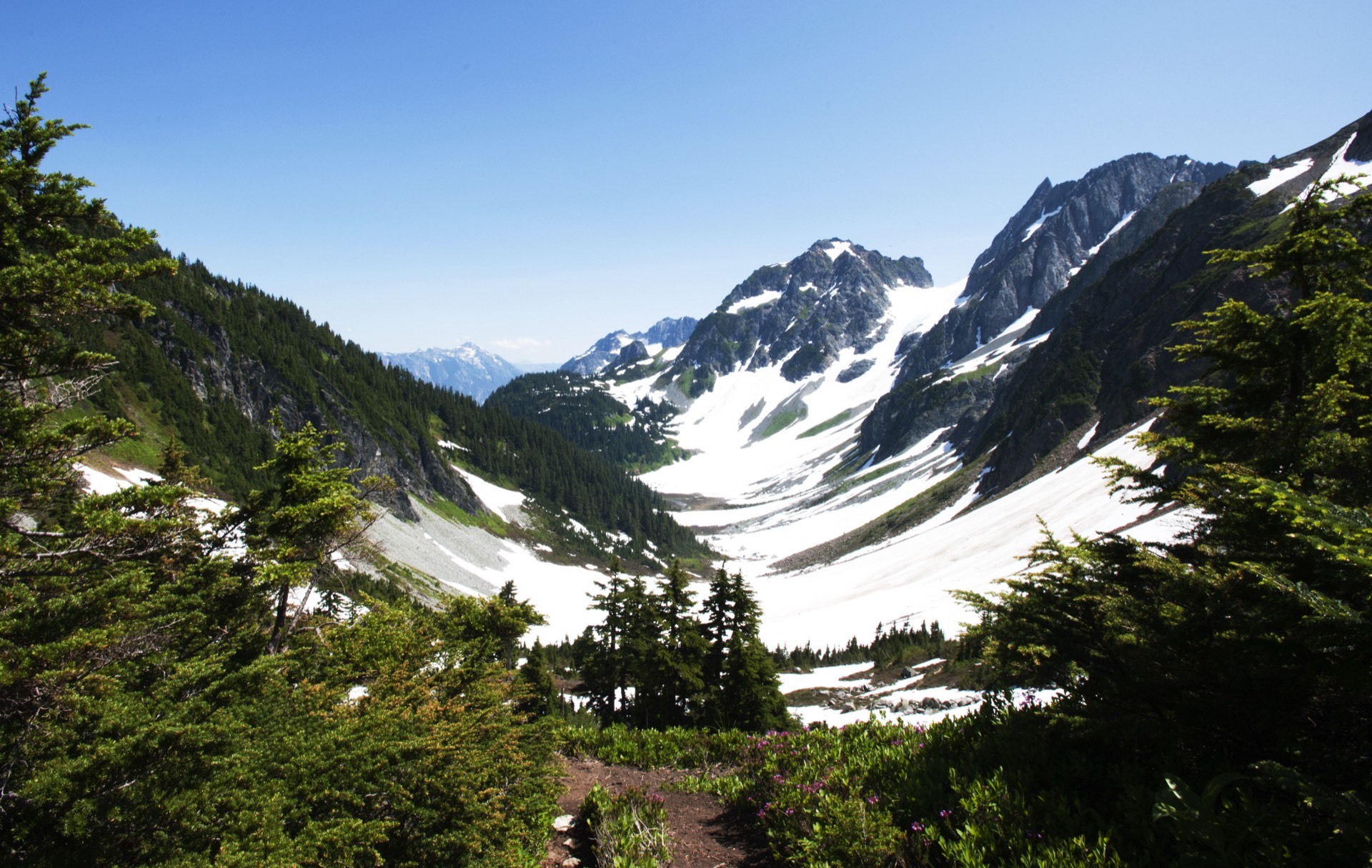
Sequim is well-positioned for reaching the eastern and northern edges of Olympic National Park. The main park visitor center in Port Angeles, 17 miles west on US-101, serves as the gateway to Hurricane Ridge. From there, Hurricane Ridge Road climbs 17 miles on a well-maintained paved surface to a subalpine ridge at 5,242 feet.
The views from Hurricane Ridge extend south into the Olympic interior, where a tangle of glaciated peaks fills the horizon, and north across the Strait of Juan de Fuca toward the Canadian Gulf Islands and Vancouver Island on clear days. Wildflower meadows along the ridge peak in mid-July, the same window as Sequim’s lavender, which makes a combined visit practical in a single day: morning at a lavender farm, afternoon at elevation.
For a quieter experience, Deer Park Road heads south from Port Angeles into the Olympics on an unpaved surface and climbs to 6,007 feet at a small campground and trailhead with panoramic views of both the Cascades and the Olympics. The rough road keeps crowds thin. The trailhead connects to backcountry routes into the park interior if you want a full day on trail.
Beyond the northern approaches, Sequim is also a reasonable base for the Sol Duc Valley hot springs and the Hoh Rainforest, though both require longer drives around or through the park. Our guide to things to do in Olympic National Park covers those routes in detail.
Sequim Bay State Park
Sequim Bay State Park, 4 miles southeast of town off US-101, sits on a protected cove of Sequim Bay. The park has a boat launch, a fishing pier, and about a mile of shoreline trail. Dungeness crabs are present in the bay; crabbing from the pier is common from summer through early fall, and the park can provide information on current season rules and limits.
Kayak and paddleboard rentals are available through outfitters near the marina during summer months. The protected bay has minimal chop and makes for calm paddling in the morning before afternoon winds arrive. More experienced paddlers use Sequim as a staging point for exploring the tidal flats around the mouth of the Dungeness River or crossing toward Protection Island, a seabird nesting refuge.
The park campground has wooded sites and hookups available for RVs. It’s a quieter alternative to the large Olympic National Park campgrounds, and the proximity to town makes provisioning easy. Reservations through the Washington State Parks system are recommended from June through August.
Eating and Shopping Downtown
Sequim’s commercial center runs along Washington Street, a short walk from US-101. The downtown is compact enough to cover on foot in an hour.
The Oak Table Cafe on Bell Street has operated here for decades and remains the most consistent breakfast and lunch spot in town. The apple pancake, baked to order in a skillet and served with whipped cream and cinnamon butter, is the signature dish. The restaurant fills quickly after 8 a.m. on summer weekends; arrive early or plan for a wait.
Blondie’s Plates & Pints on Washington Street handles lunch and dinner with a menu that includes burgers, sandwiches, and local seafood. The Dungeness crab dishes take advantage of being close to the source.
The Sequim Farmers & Artisans Market runs on Saturdays from April through October in the parking lot near the civic center. It’s one of the better weekly markets on the Olympic Peninsula, with a strong fresh produce section and a consistent showing from lavender and herb vendors from nearby farms.
For lavender shopping outside of the farms themselves, Jardin du Soleil Lavender on Highway 101 stocks culinary and cosmetic lavender products year-round, including items from multiple area farms.
Getting There and Planning Your Visit
Sequim is about 90 miles northwest of Seattle. The most practical route involves the Washington State Ferry from Colman Dock in Seattle to Bainbridge Island (35-minute crossing), then Washington Route 305 west to the Hood Canal Bridge, then US-101 north to Sequim. Total time from Seattle, including the ferry, runs 2.5 to 3 hours depending on traffic.
You can also drive the long way around via Tacoma and the Narrows Bridge, which avoids the ferry but adds roughly 40 minutes to the total.
Best time to visit: Late June through September covers the full range of options. July is peak for lavender and typically has the most reliable weather in the rain shadow. Olympic Game Farm and downtown restaurants are open year-round.
Where to stay: The Best Western Plus Sequim Inn on Washington Street and the Sequim Bay Lodge on US-101 are the most established full-service options in town. Several vacation rentals operate in the surrounding farmland. Sequim Bay State Park provides camping for those who prefer to stay outside.
Sequim makes a natural stop on an Olympic Peninsula road trip, particularly if you’re working your way from Seattle through the park and back. It’s also worth combining with Port Townsend, 35 miles southeast by road or reachable by ferry from Keystone on Whidbey Island, for a two-town itinerary that covers contrasting sides of the Puget Sound gateway.