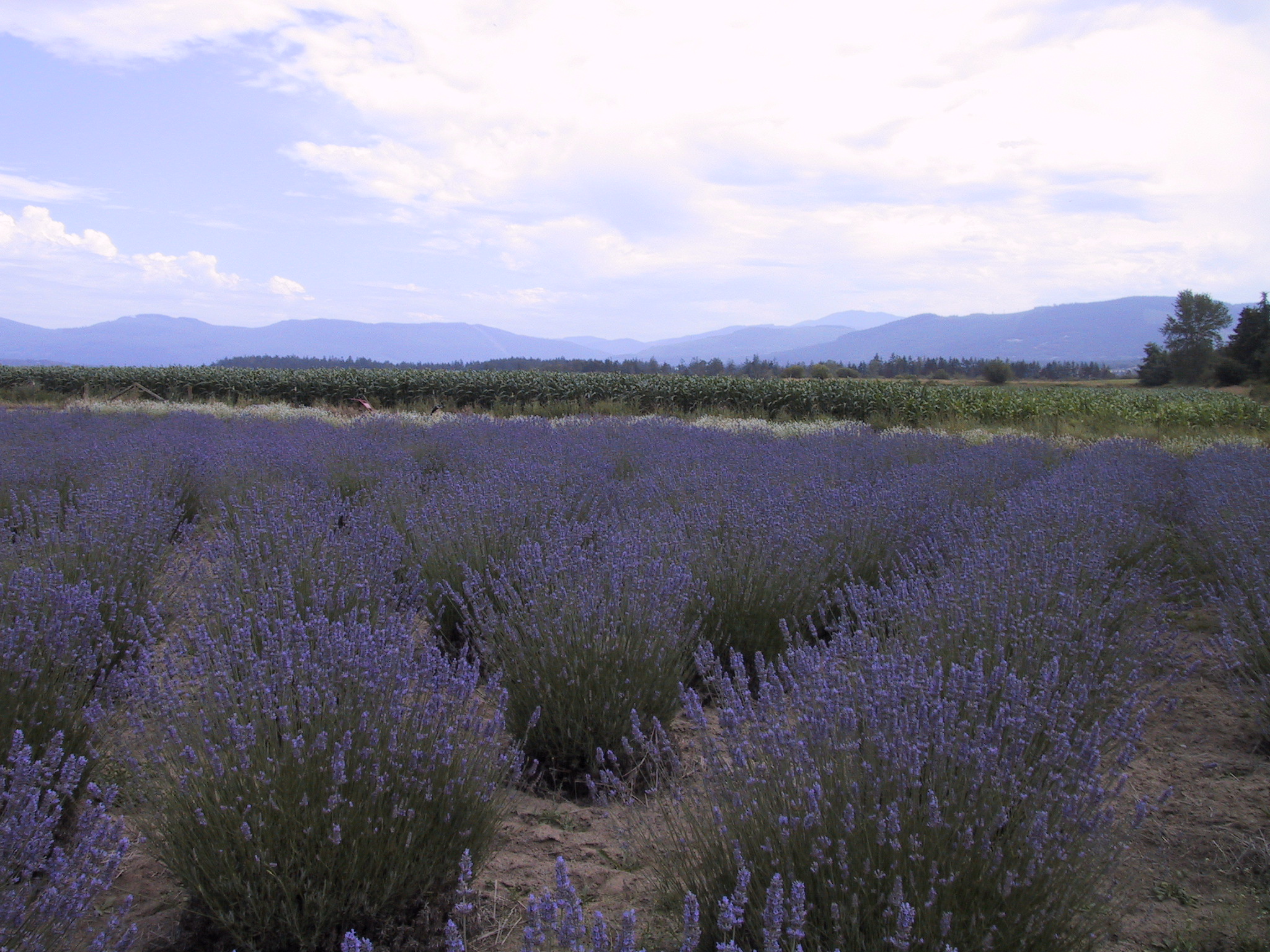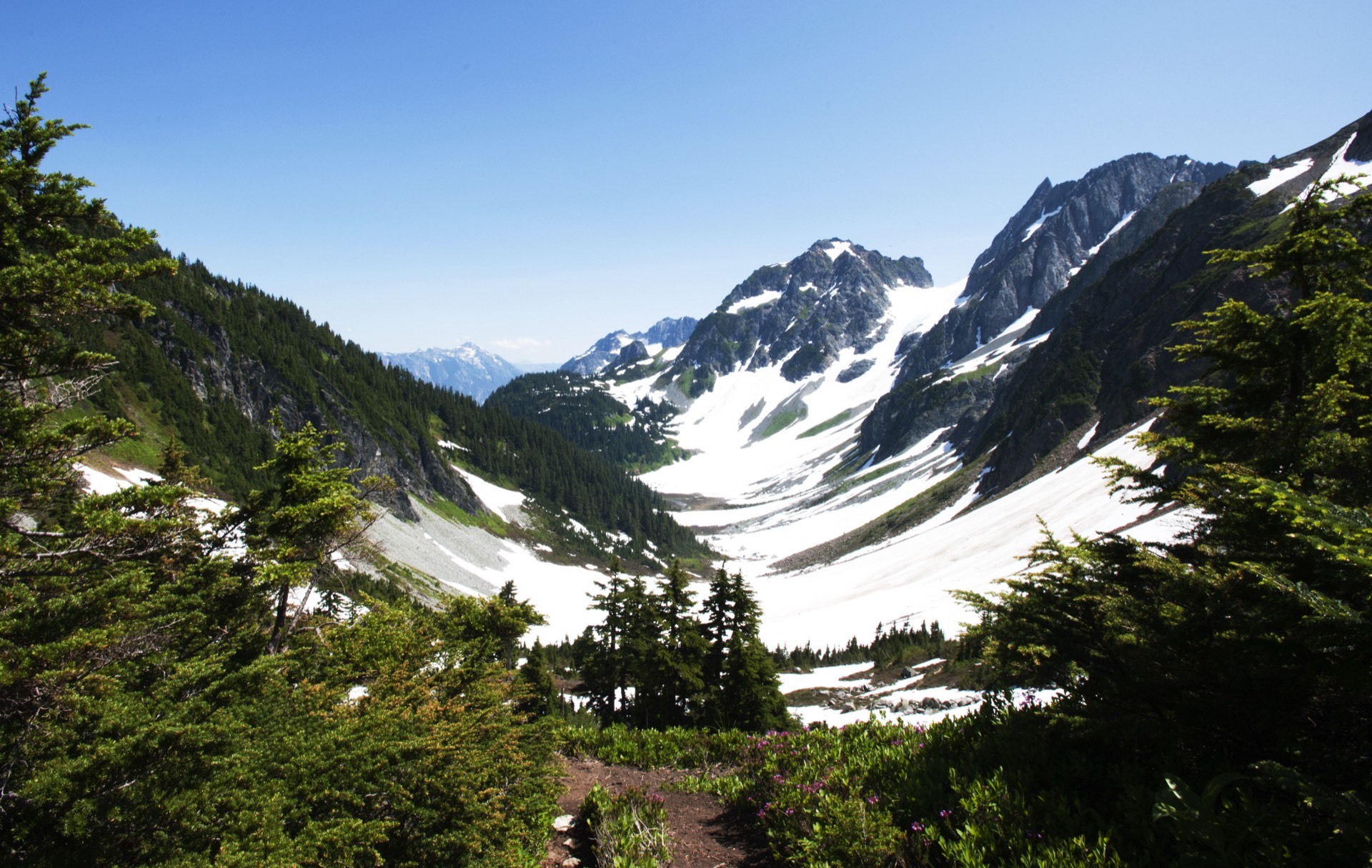
Seattle shows up differently depending on how you approach it. From the water, it’s a wall of glass towers rising above Elliott Bay. On foot in Capitol Hill, it’s coffee shops and century-old apartment buildings. In the Cascades foothills an hour east, it’s something else entirely. This guide covers the things to do in Seattle that hold up for a first visit: the landmarks you shouldn’t skip, the neighborhoods worth a half-day each, outdoor options close to the city, day trips worth the drive, and where to eat beyond the tourist circuit.
Pike Place Market and the Waterfront
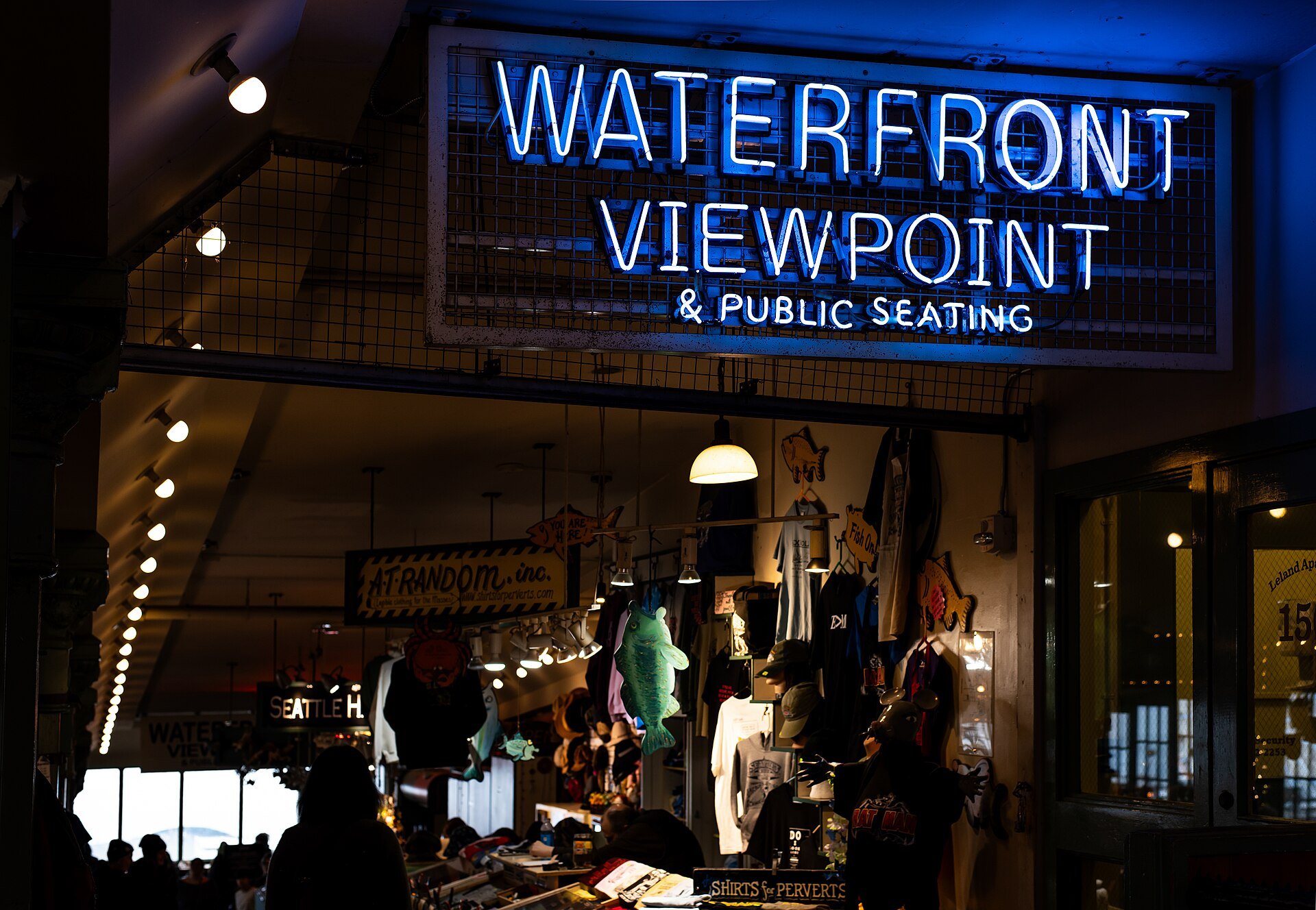
Pike Place Market is the anchor for nearly every first visit, and for good reason: it’s been a working public market since 1907, and it shows. Come before 9am if you want elbow room. The fishmongers at Pike Place Fish Market throw whole salmon over the counter; it’s performance and commerce at the same time, and the crowd forms regardless of the hour.
Walk the lower levels too. The “Down Under” stalls sell everything from antique coins to handmade jewelry, and the light is different down there. At the corner of Pike and Post Alley, the Gum Wall covers the bricks floor-to-ceiling with two decades of chewing gum. It’s earned its spot on every Seattle list by being genuinely strange.
From the Market, head west toward the waterfront. Pier 62 is a public pier rebuilt in 2021 with an open deck, food vendors on weekends, and unobstructed views of the Olympic Mountains across the water. The Seattle Great Wheel sits a few piers south at Pier 57, a 175-foot Ferris wheel that offers views you’d otherwise need a rooftop restaurant for.
Space Needle, Chihuly, and MoPOP
The Space Needle is 60 years old and still draws lines. A timed-entry ticket ($32-36 for adults) gets you to the observation deck at 520 feet, and the glass floor in the rotating SkyCity restaurant level lets you look straight down if that’s something you want to do. Book ahead; same-day tickets are usually available but pricy.
Immediately next door, Chihuly Garden and Glass is one of the better museum experiences in the Pacific Northwest, full stop. Dale Chihuly’s massive blown-glass installations inside the exhibition halls and the outdoor garden work at every time of day, but late afternoon light through the ceiling of the Glasshouse is worth timing your visit around.
The Museum of Pop Culture (MoPOP) occupies the same campus at Seattle Center. The Frank Gehry building looks like it was dropped from altitude; the inside holds rotating exhibitions on music, science fiction, and pop culture. If you have any interest in the history of grunge or the intersection of hip-hop and visual art, the permanent galleries earn the $34 adult ticket.
Seattle Neighborhoods Worth Half a Day Each
Capitol Hill is the neighborhood most visitors skip and most locals live in. The stretch of Pike and Pine between 10th and 15th Avenues is dense with independently owned coffee shops, bookstores, and restaurants. Broadcast Coffee and Victrola Coffee Roasters are both worth sitting in; Cal Anderson Park is one block east and has a wading pool that’s popular in summer.
Fremont sits north of Lake Union and makes no apologies for its eccentricity. The Fremont Troll, a massive concrete sculpture under the Aurora Bridge, has been there since 1990 and still draws a crowd. The Sunday Fremont Market runs year-round, rain or shine, and the houseboats along Lake Union (some of which appeared in Sleepless in Seattle) are visible from the waterfront trail.
Pioneer Square is Seattle’s oldest neighborhood, anchored by the elliptical Occidental Square park and surrounded by brick buildings from the 1890s rebuild after the Great Fire. The Bill Speidel Underground Tour ($25) takes you beneath the streets to the original storefronts buried when the city raised street grade by a full story. Art galleries cluster here too, especially along First Avenue South.
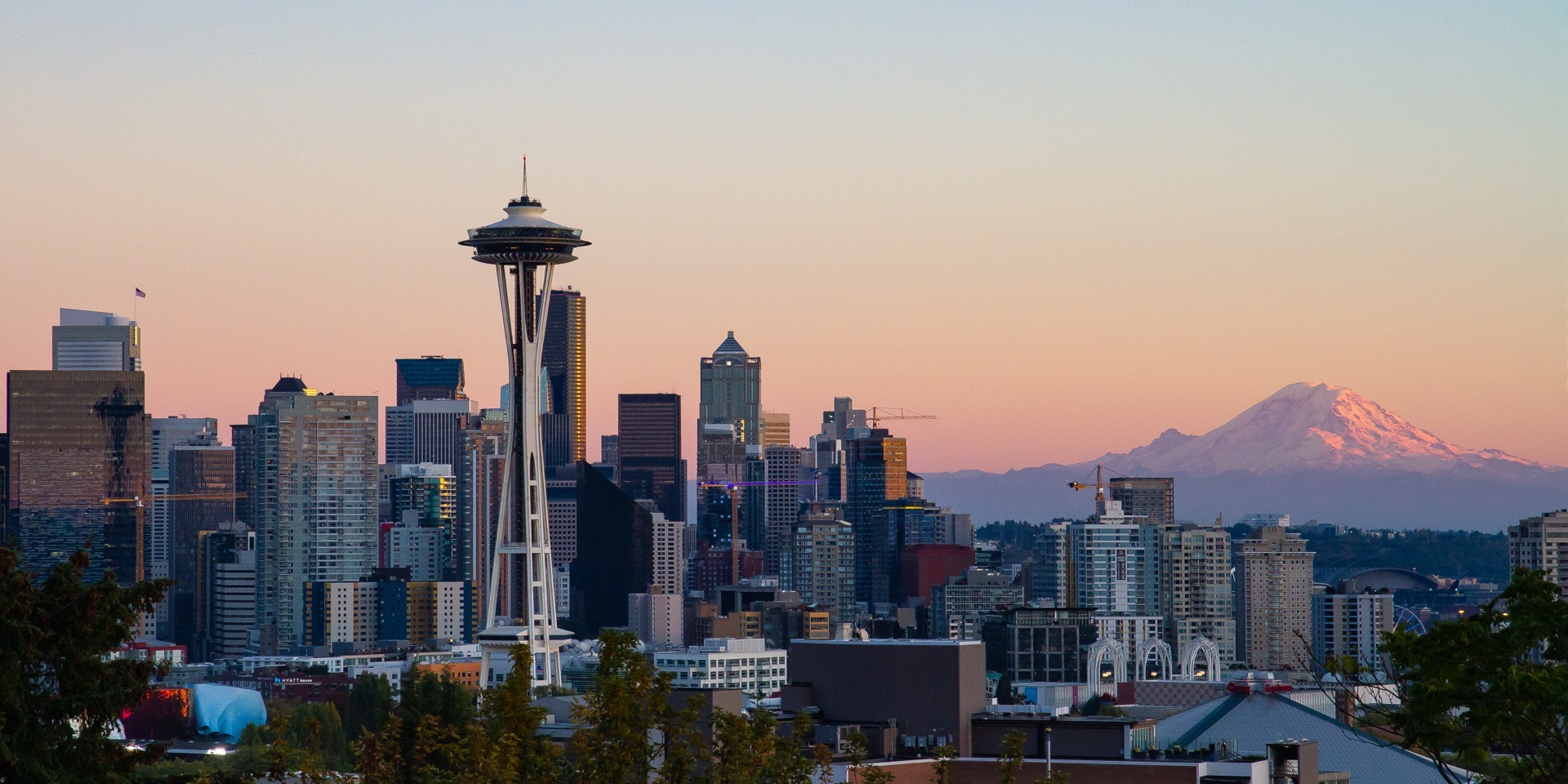
Queen Anne gives you Kerry Park, a small neighborhood park on the south slope with a view of the downtown skyline, Mount Rainier on a clear day, and Elliott Bay below. It’s the photograph you’ve seen from Seattle; the park itself is tiny, and the best light is either early morning or golden hour.
Outdoor Things to Do in Seattle
Discovery Park sits on a 534-acre bluff in Magnolia, the largest park in the city by land area. The West Point Lighthouse at the park’s tip is a working lighthouse built in 1881, and the bluff trails above it look north toward the Kitsap Peninsula and, on clear days, the Olympic Mountains. The two-mile loop trail from the visitor center passes through old-growth forest sections that feel nothing like a city park.
Green Lake is three miles north of downtown and built around a glacial lake with a paved 2.8-mile loop path. On summer weekends, half of Seattle is on this path running, cycling, or walking. Rowboat and paddleboard rentals are available through the Green Lake Boat Rentals boathouse on the east shore.
The Burke-Gilman Trail is a paved multi-use path that runs 27 miles from Ballard through the University District and continues east through Kenmore. It connects neighborhoods without requiring a car and is well-maintained year-round. Rentals through Lime and other dockless bike-share services work well here.
Washington Park Arboretum, adjacent to the University of Washington campus, covers 230 acres of labeled trees and plants from around the world. The Japanese Garden inside the arboretum (separate admission, $8) is one of the few places in Seattle that requires deliberate quiet.
Day Trips From Seattle
Bainbridge Island sits 35 minutes across Puget Sound on the Washington State Ferry from the downtown Seattle ferry terminal. Walk-on passengers don’t need a reservation; vehicle reservations book out weeks in advance in summer. The island has a small downtown (Winslow) within walking distance of the ferry landing, good restaurants, and a half-day’s worth of easy hiking at Bloedel Reserve. For full ferry route details and reservation tips, see our guide to the Washington State Ferry to the San Juan Islands.
Snoqualmie Falls is 45 minutes east on I-90. The falls drop 268 feet into a pool below, which is 100 feet taller than Niagara. A short paved path from the parking area (free) leads to an observation deck at the top. A longer trail leads down to the base of the falls and back.
Mount Rainier is 2.5 hours from Seattle on a clear day. The Paradise area, at 5,400 feet elevation, has a visitor center, wildflower meadows from mid-July through August, and a network of paved and unpaved trails. For detailed information on the hikes and timing, see the Mount Rainier day hikes guide.
Leavenworth is a Bavarian-themed village 2.5 hours east over Stevens Pass, best visited in fall when the larches turn and the crowds arrive for Oktoberfest. The shops, the Wenatchee River walks, and the surrounding national forest trails make it a full-day trip. More detail in the Leavenworth, Washington guide.
Food, Coffee, and Where to Eat
Seattle’s food scene extends well past Pike Place. For the full market-and-beyond itinerary, the Seattle Food Crawl covers the walk from the market into the surrounding neighborhoods in detail.
Beyond that, a few neighborhoods stand out. The International District (also called the ID or Chinatown-International District) runs from 4th Avenue to 8th Avenue south of Pioneer Square, and Uwajimaya, the Japanese grocery and food hall at 5th and King, is worth a stop regardless of whether you’re buying. Pho Bac on 12th Avenue South has been a neighborhood anchor for decades.
Ballard is 20 minutes north and has the highest concentration of independently owned restaurants of any neighborhood in the city. The Sunday Ballard Farmers Market runs year-round at Ballard Ave and 22nd Ave NW, and the surrounding blocks have enough restaurants to fill three nights.
For coffee: Seattle isn’t just Starbucks. The original Starbucks at Pike Place (1st and Pike) is worth the line once, mostly for the photo. But for the actual coffee culture that defines the city, walk a few blocks in Capitol Hill or Fremont. Starbucks Reserve Roastery on Capitol Hill’s Pike Street is a more interesting version of the brand, with rotating reserve beans and a full espresso and cocktail bar.
Planning Your Seattle Visit
June through September is when Seattle’s famous cloud cover lifts and the city operates at full speed. July and August bring temperatures in the 70s and 80s most days, with minimal rain. Spring (April, May) is rainy but crowds are smaller and prices lower. December through February is gray and wet but the city doesn’t slow down.
Getting around without a car is straightforward. The LINK Light Rail runs from Sea-Tac Airport to downtown in 38 minutes and connects to Capitol Hill, the University District, and points north. Metro buses fill in the gaps. For neighborhoods like Ballard and Fremont, a rideshare or dockless bike works better than the bus.
For hotels in and around the city, browse the Washington hotels directory to compare options by neighborhood and price. Downtown and Capitol Hill put you closest to most of what’s listed here; the neighborhoods north of the Ship Canal (Fremont, Ballard, Queen Anne) offer quieter lodging a 15-minute bus or Lyft from downtown.