Washington Region
Eastern Washington
College towns, wine valleys, and the sunlit side of the state
Cities
Spokane, Walla Walla
Hotels
20
Restaurants
20
Activities & Attractions
21
Best Time to Visit
May–October
Eastern Washington is the half of the state that most people — including many Washingtonians — haven't explored. Separated from Seattle by the Cascade Range, it's a different world: drier, sunnier, more open, and more quietly confident about what it has to offer. The landscape ranges from the rolling wheat fields of the Palouse (some of the most photogenic agricultural land in America) to the dramatic basalt columns of the Channeled Scablands, carved by catastrophic ice-age floods that make the Grand Canyon's geology look orderly.
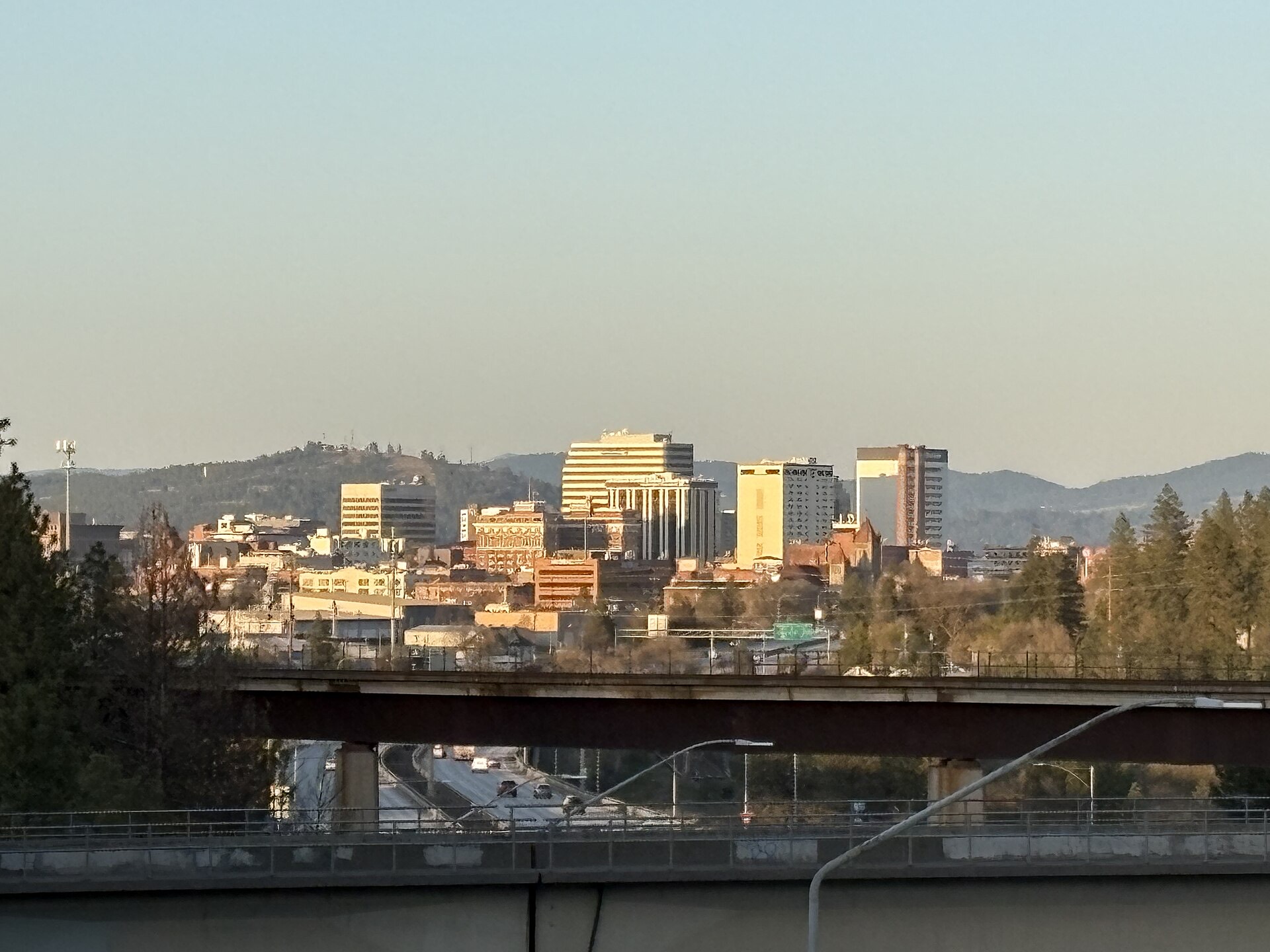
Spokane is the urban anchor — the second-largest city in Washington and the economic hub of the Inland Northwest. It's built around the Spokane River, which tumbles over dramatic falls right in the middle of downtown. Riverfront Park, built for Expo '74, surrounds the falls and is the heart of the city's public life. Spokane has invested heavily in its downtown over the past decade — the Kendall Yards neighborhood on the river bluff has become a walkable enclave of restaurants, shops, and farmers market energy. The city has four distinct seasons, genuine winter (think snow, not just rain), and a civic personality that's friendlier and more relaxed than the west side.
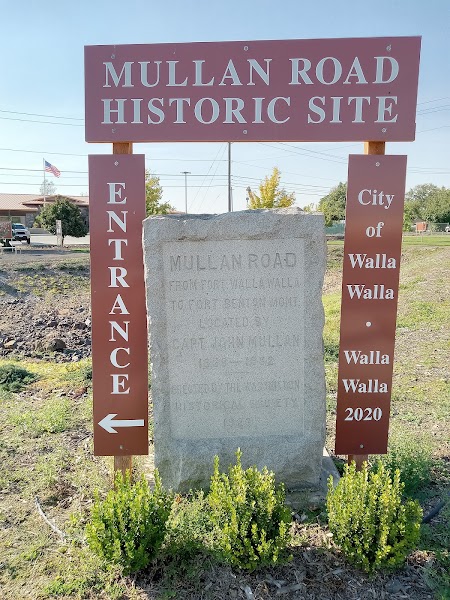
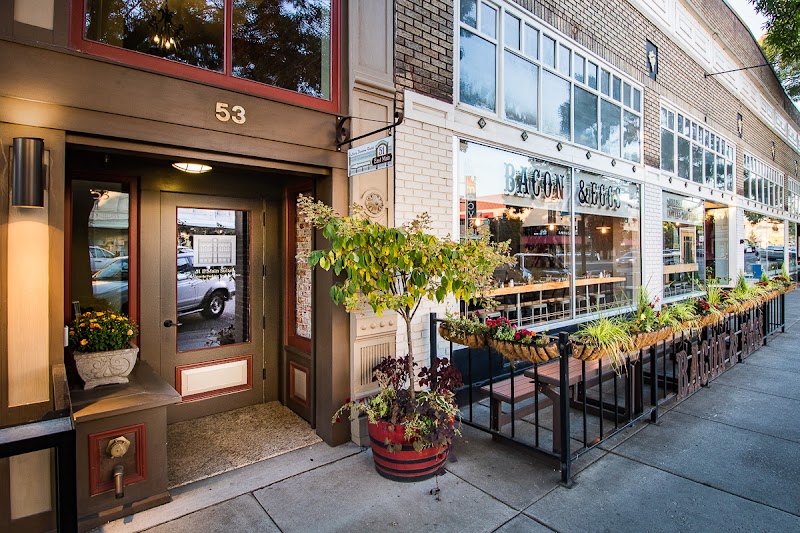
Walla Walla, 270 miles south of Spokane in the far southeastern corner of the state, has undergone one of the most remarkable transformations of any small town in America. Once a quiet farming and prison town, it's now one of the most acclaimed wine regions in the country, with over 120 wineries producing world-class Cabernet Sauvignon, Syrah, and Merlot from volcanic soils and a warm, dry growing season. The downtown is a perfect small American main street — restored brick buildings housing tasting rooms, restaurants, and the kind of independent shops that have disappeared from most towns this size. The town has attracted enough talent and investment to support a food scene that would be impressive in a city ten times its size.
Between Spokane and Walla Walla lies the Palouse — a vast agricultural region of rolling hills planted in wheat, lentils, and barley. The hills roll like ocean swells, and in late June when the wheat is young and green, the landscape looks like a living Mondrian painting. Steptoe Butte State Park offers a 360-degree viewpoint from a 3,612-foot quartzite summit surrounded by cropland in every direction — one of the most unusual and photogenic landscapes in Washington.
The region also includes the channeled scablands — a terrain of dry falls, coulees, and eroded basalt created 15,000 years ago when the largest floods in geologic history drained glacial Lake Missoula across eastern Washington. Dry Falls, a 3.5-mile-wide amphitheater of basalt cliffs where a waterfall 10 times the size of Niagara once roared, is one of the most awe-inspiring geological sites in the American West.
What Makes It Unique
Eastern Washington is where the Pacific Northwest sheds its rain-and-coffee stereotype. World-class wine, ice-age geology, and a Palouse landscape that looks like no other place in America — all bathed in 300 days of sunshine.
Top Experiences in Eastern Washington
The must-do activities and attractions that define this region — with insider tips to make the most of each one.
Walla Walla Wine Country
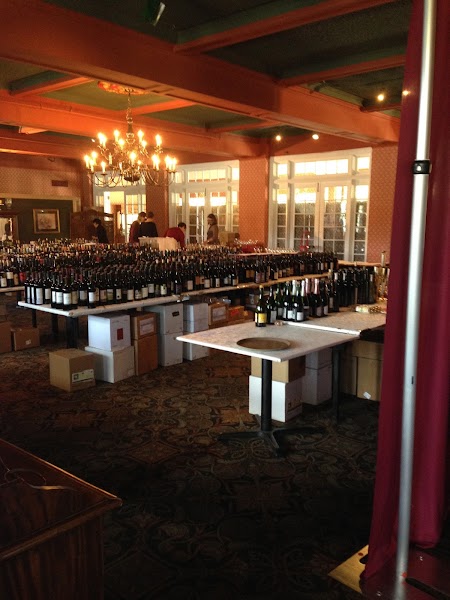
Over 120 wineries in and around Walla Walla produce some of the most acclaimed wines in the United States. The Walla Walla Valley AVA is especially known for Cabernet Sauvignon, Syrah, and red blends from volcanic soils. Downtown Walla Walla has dozens of tasting rooms within walking distance, and the surrounding countryside is dotted with estate wineries set among vineyards and wheat fields. The scene is approachable and unpretentious — winemakers pour their own wines, dogs sleep on tasting room porches, and the prices are dramatically lower than Napa.
Insider Tip
Don't miss L'Ecole No 41 (in a converted 1915 schoolhouse), Leonetti Cellar (the original Walla Walla winery), and Cayuse Vineyards (biodynamic and extraordinary).
Spokane Riverfront Park & Falls
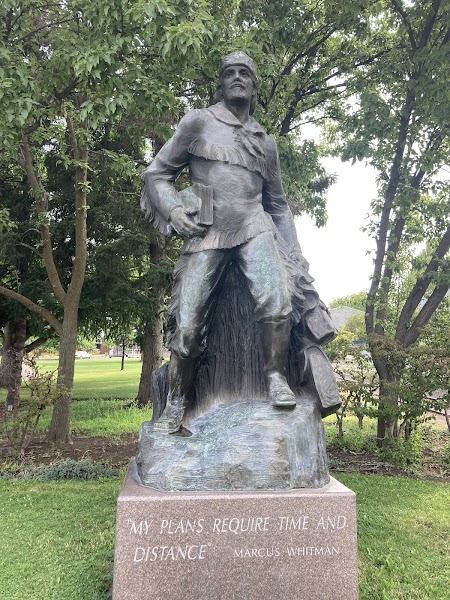
The Spokane River drops over dramatic basalt falls right in the middle of downtown — a feature that most cities would build an entire tourism industry around. Riverfront Park surrounds the falls on both banks, with paved paths, public art, and a gondola ride directly over the upper falls. The park was built for Expo '74 and has been continuously upgraded. The SkyRide over the falls costs a few dollars and delivers one of the most surprising urban nature experiences in the Northwest.
Insider Tip
Visit in spring when the river is running high from snowmelt — the falls are most impressive April through June.
Palouse Rolling Hills & Steptoe Butte
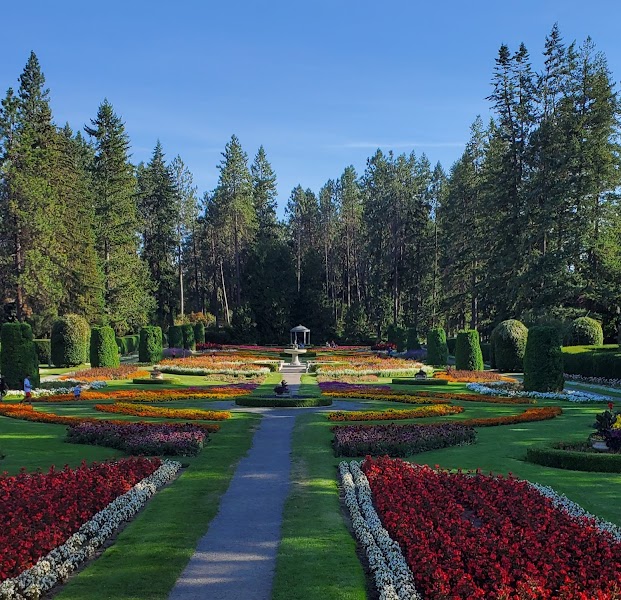
The Palouse is an agricultural landscape unlike anything else in the American West — rolling hills of wheat, barley, and lentils that undulate like frozen ocean waves. Steptoe Butte State Park, a 3,612-foot quartzite summit rising abruptly from the surrounding cropland, offers a 360-degree panoramic view of this surreal terrain. The best light is early morning or late evening when the sun rakes across the hills and every contour glows. Photographers travel from around the world for this vista.
Insider Tip
Visit in late June when the wheat is young and green, or in August when the harvest creates a patchwork of gold and brown. Sunrise from the summit is extraordinary.
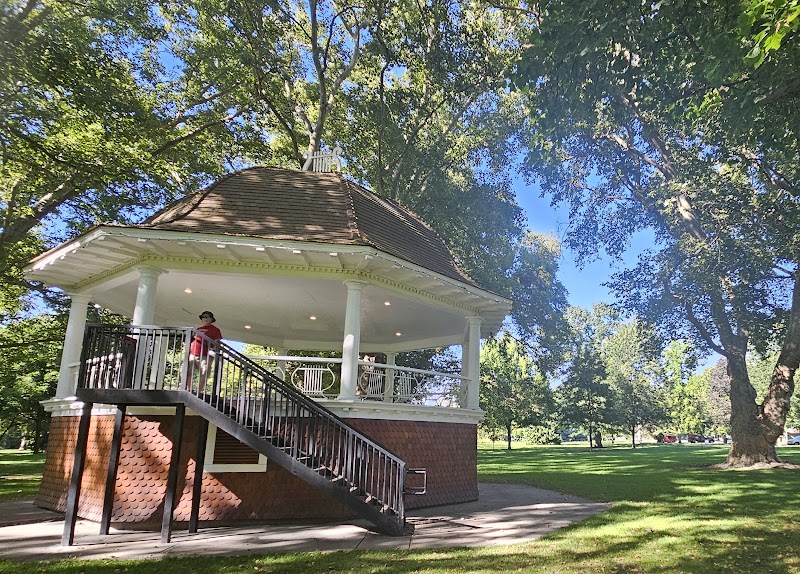
Dry Falls
During the ice-age Missoula Floods (15,000 years ago), a waterfall 10 times wider than Niagara and twice as tall thundered over these 400-foot basalt cliffs. Today, Dry Falls is a 3.5-mile-wide dry amphitheater — silent, vast, and staggering in scale. The interpretive center on the rim explains the flood geology, and you can hike to the base where small lakes now sit in the plunge pools. It's one of the most impressive geological features in North America and sees almost no visitors.
Insider Tip
The interpretive center has the best viewpoint. Visit in spring when the wildflowers bloom at the base and the seasonal waterfalls are still flowing.
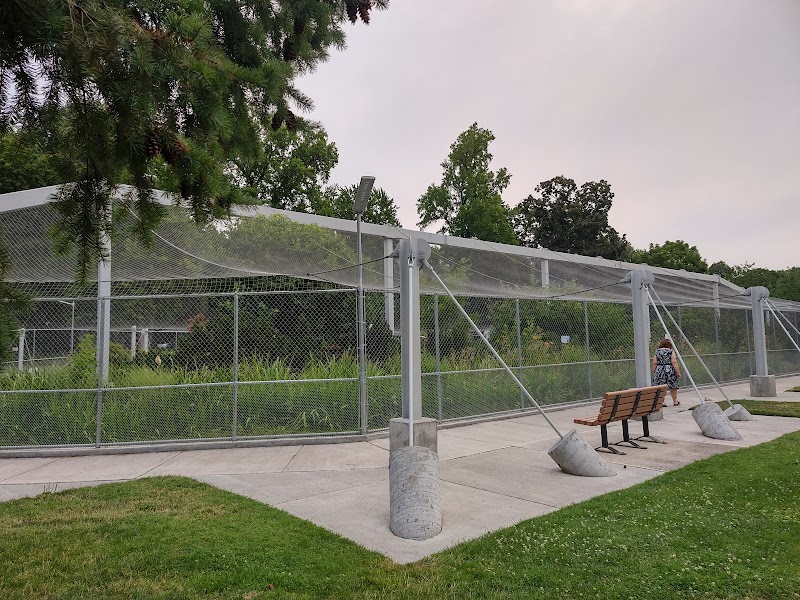
Downtown Walla Walla
One of the most charming small-town main streets in the Northwest. Restored brick buildings house wine tasting rooms, independent bookstores, boutiques, and restaurants that would be at home in Portland or Seattle. The town has attracted a wave of young chefs and entrepreneurs drawn by the wine industry and quality of life. Saturday mornings at the Walla Walla Farmers Market (April–October) are a community institution, and the annual Balloon Stampede in May fills the sky with hot air balloons over the Blue Mountains.
Insider Tip
Walk Main Street in the evening when the tasting rooms are winding down and the restaurants are filling up — it's the best time to feel the town's energy.
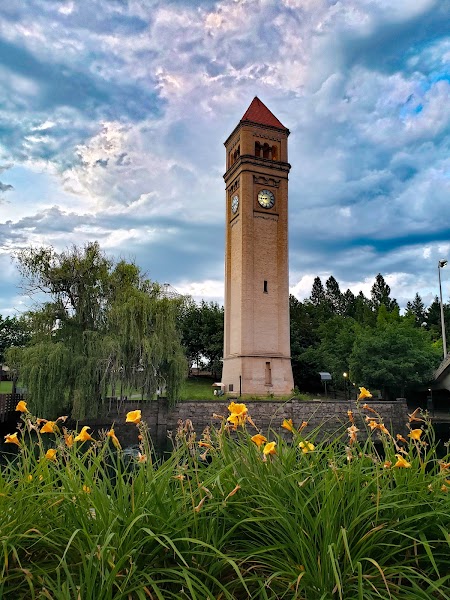
Spokane's Kendall Yards
A mixed-use neighborhood built on a bluff above the Spokane River, Kendall Yards has become the city's most vibrant walkable district. The Wednesday Market (May–October) brings food trucks, craft vendors, and live music to the neighborhood. Restaurants here are some of the best in Spokane — independent, chef-driven, and priced reasonably. The Centennial Trail runs along the river below, connecting the neighborhood to Riverfront Park and points east.
Insider Tip
The Wednesday Market at Kendall Yards is more of a community gathering than a farmers market — go for the food trucks and people-watching as much as the shopping.
Best Time to Visit Eastern Washington
Peak Season
May–October
Best weather, most activities open, highest crowds.
Shoulder Season
April, November
Fewer crowds, good value, variable weather.
Off Season
December–February (cold, snow, limited winery hours, short days)
Limited access or activities, but fewer visitors.
Eastern Washington has a continental climate with four true seasons. Summers are hot and dry (90°F+ in July and August), with long daylight and reliable sunshine. Spring (April–June) is gorgeous — wildflowers, green Palouse hills, and the Spokane River at full flow. Fall (September–October) is wine harvest season and the best time for Walla Walla, with warm days, cool nights, and the vineyards turning golden. Winter brings genuine cold (teens and 20s in Spokane) and regular snow, which makes outdoor activities limited but creates a cozy, quiet charm. Walla Walla's winters are milder than Spokane's.
Where to Stay
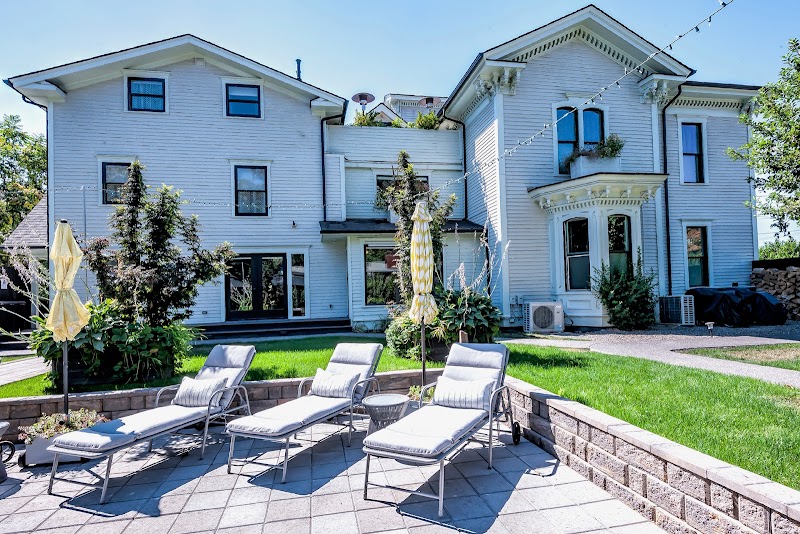
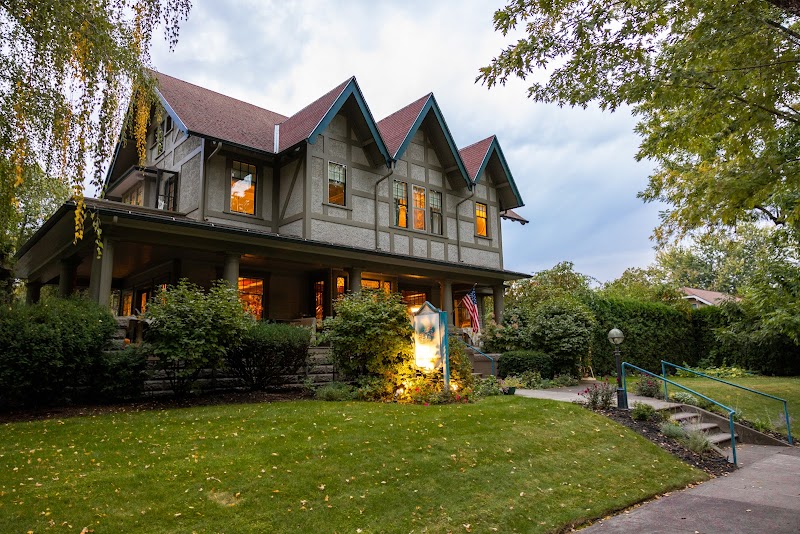
In Spokane, stay downtown or in the Kendall Yards area for walkability and restaurant access. The Historic Davenport Hotel (opened 1914, gorgeously restored) is the landmark property. In Walla Walla, the Marcus Whitman Hotel anchors downtown, but the town also has excellent B&Bs and vacation rentals in the wine country. For a unique experience, several wineries offer guest houses or cottages among the vineyards. If you're driving between the two, consider an overnight in the Palouse — the small towns of Pullman (WSU) or Moscow, Idaho (U of I) just across the border share a surprisingly lively college-town scene.
Top-Rated Hotels in Eastern Washington
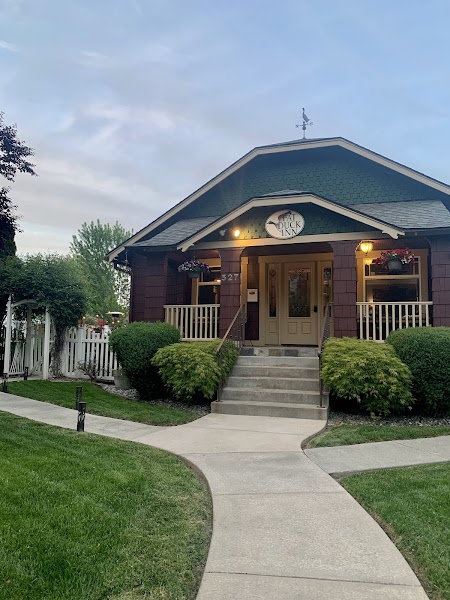
Food & Drink
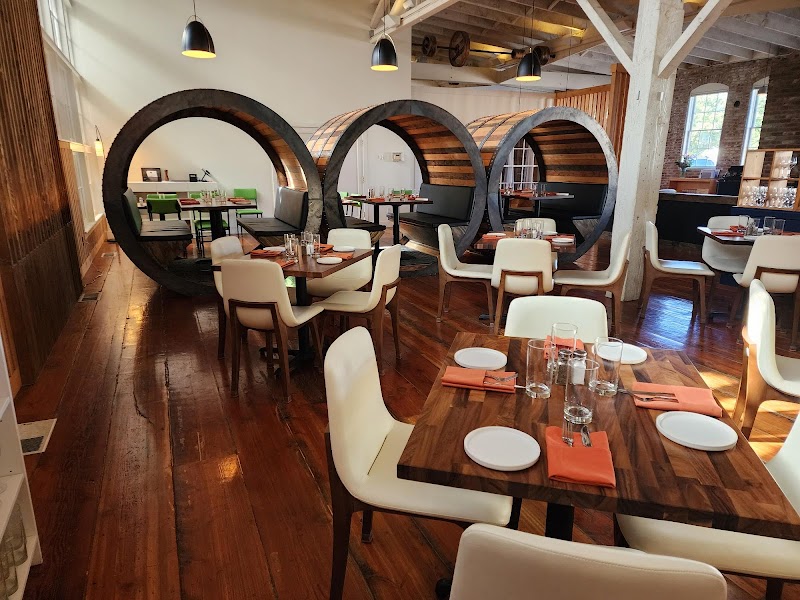
Eastern Washington's food scene is defined by two poles: Spokane's evolving urban dining culture and Walla Walla's wine-country cuisine. Spokane has undergone a restaurant renaissance, with chef-driven spots popping up in Kendall Yards and the downtown core. Walla Walla's food punches absurdly above its weight — a town of 34,000 has restaurants that would thrive in any major city, fueled by wine industry money and a flood of culinary talent. The agricultural bounty of the region — wheat, asparagus, sweet onions (the famous Walla Walla Sweet), wine grapes — underpins everything.
Walla Walla Sweet Onions — so mild you can eat them raw, available June through August
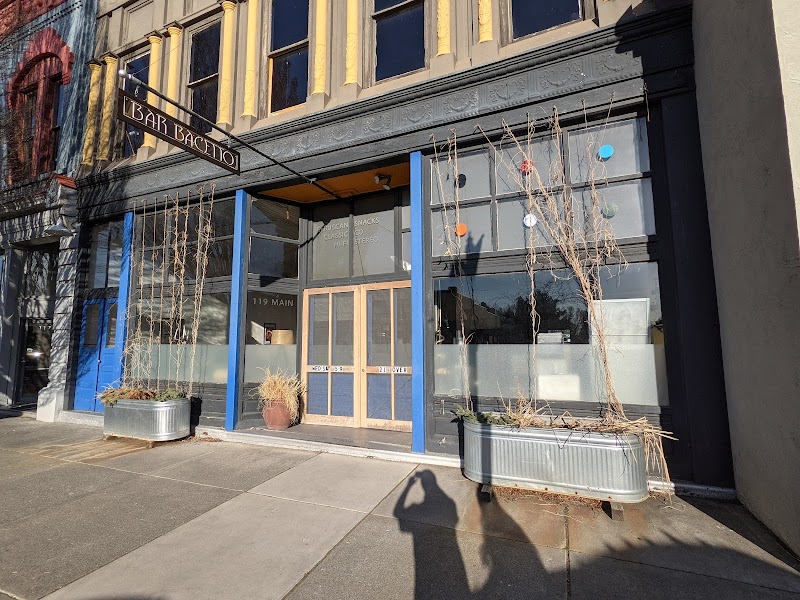
Saffron Mediterranean Kitchen in Walla Walla — widely considered one of the best restaurants in eastern Washington
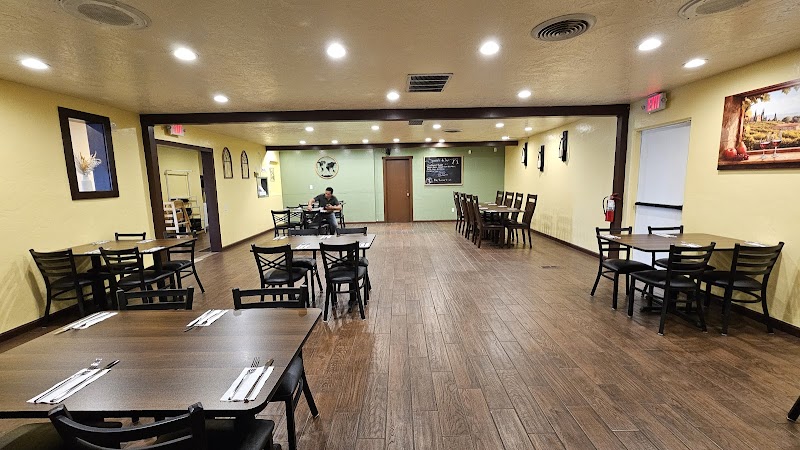
Spokane's craft cocktail scene in the Perry District and South Hill neighborhoods
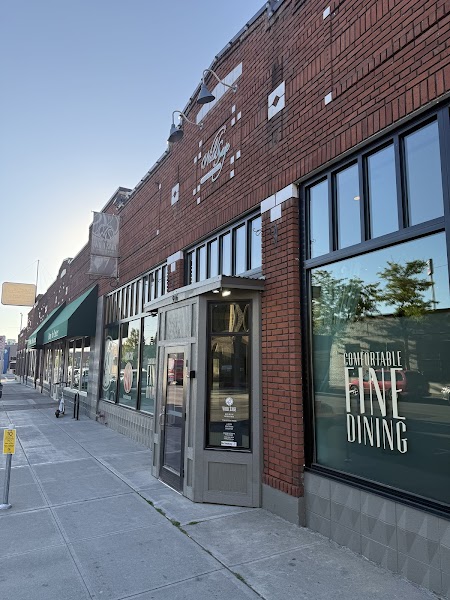
Wild Sage Bistro in Spokane — farm-to-table dining with a focus on Inland Northwest ingredients
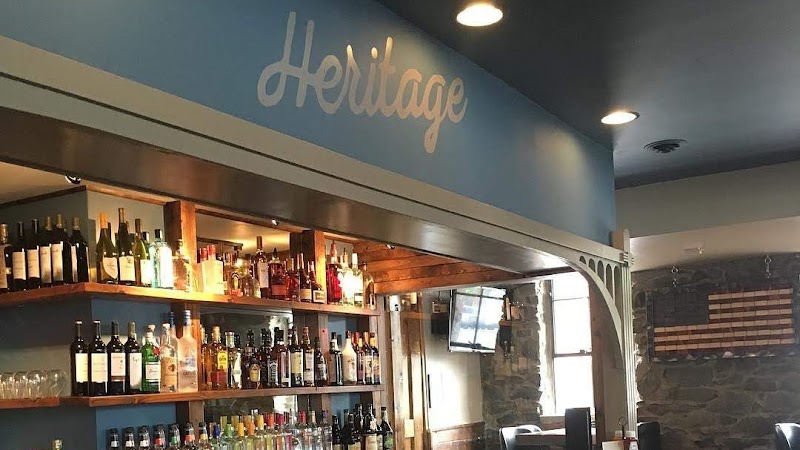
Wine-country picnic supplies from Olive Marketplace & Café in Walla Walla
Getting There
From
Seattle
Drive Time
4–5 hours to Spokane, 4–4.5 hours to Walla Walla
Spokane is 280 miles east of Seattle on I-90 — a 4-hour drive across the Cascades and through the scablands. Spokane International Airport (GEG) has direct flights from Seattle, Portland, Denver, Phoenix, and other western cities, making it accessible without the drive. Walla Walla is 270 miles southeast of Seattle via I-90 and I-82 (4–4.5 hours) or 4 hours south of Spokane. The tiny Walla Walla airport has limited Alaska Airlines service from Seattle. The drive between Spokane and Walla Walla through the Palouse (US-195 to US-12) is one of the most scenic rural drives in the state.
Cities & Towns in Eastern Washington
Explore our detailed guides to the cities and towns that make up this region.
Spokane
Urban waterfalls, craft beer, and genuine mountain access
Hosting the 1974 World's Fair on reclaimed land, creating a stunning riverfront park anchored by one of the largest urban waterfalls in North America
Walla Walla
Where bold wines meet farm-fresh tables and wheat fields touch the sky
Over 120 wineries producing world-class Cabernets and Syriahs, paired with farm-to-table dining and historic small-town charm
Insider Tips
The Palouse Scenic Byway (US-195 between Spokane and Pullman) is an underappreciated drive through the rolling wheat hills. Time it for late June green or late August gold.
Walla Walla's wine scene is big enough to require strategy. Focus on a sub-region per day: downtown tasting rooms on foot, then Southside wineries by car, then airport district wineries.
Dry Falls is free to visit and almost never crowded. It's one of the most mind-blowing geological sites in the West, and most Washingtonians have never been.
Spokane's South Perry District is the emerging food neighborhood — smaller and less polished than Kendall Yards, but where the interesting new restaurants are opening.
The Walla Walla Balloon Stampede in mid-May fills the sky with hot air balloons against the Blue Mountains — a free spectacle that's one of the most photogenic events in the state.
Sun Lakes-Dry Falls State Park has camping, swimming, and trail access in the coulee landscape. It's a full destination, not just a viewpoint stop.
More to Explore in Eastern Washington
Attractions
Outdoor Activities
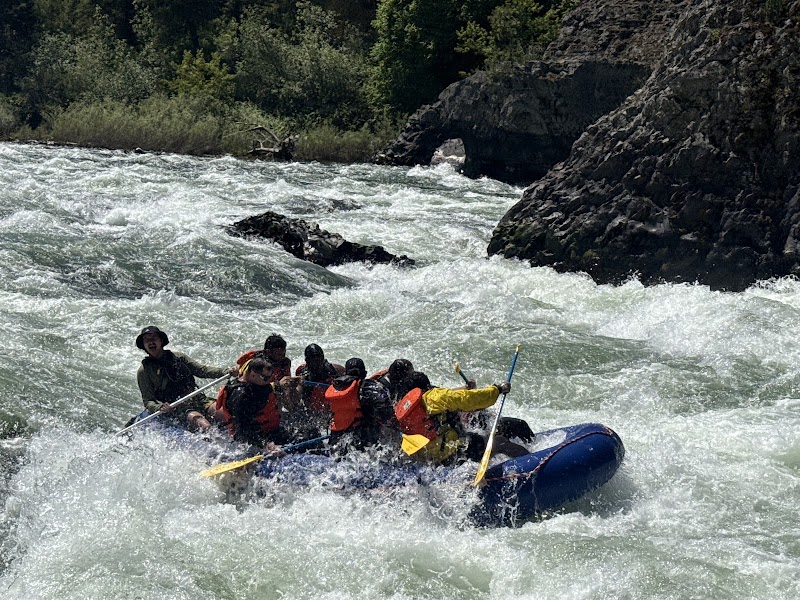
State Parks
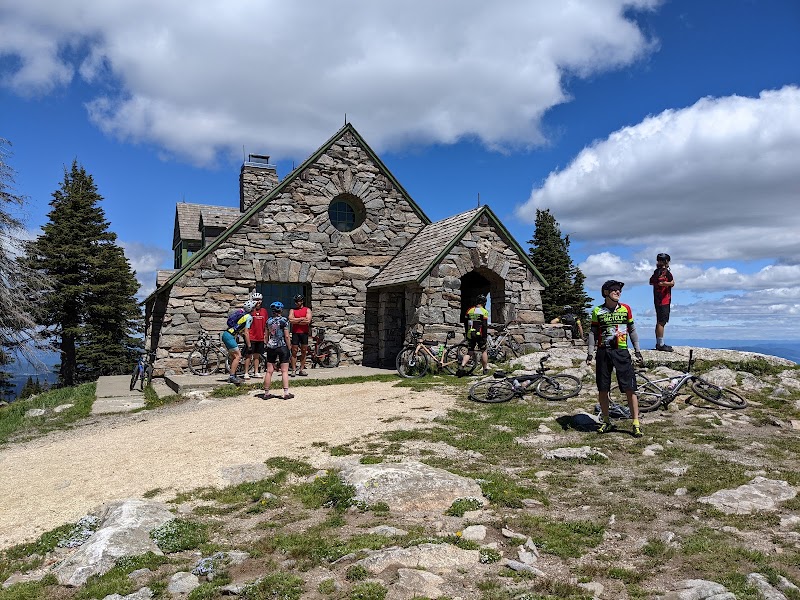
Mount Spokane State Park
Eastern Washington's premier mountain escape rises 5,883 feet with sweeping views across three state
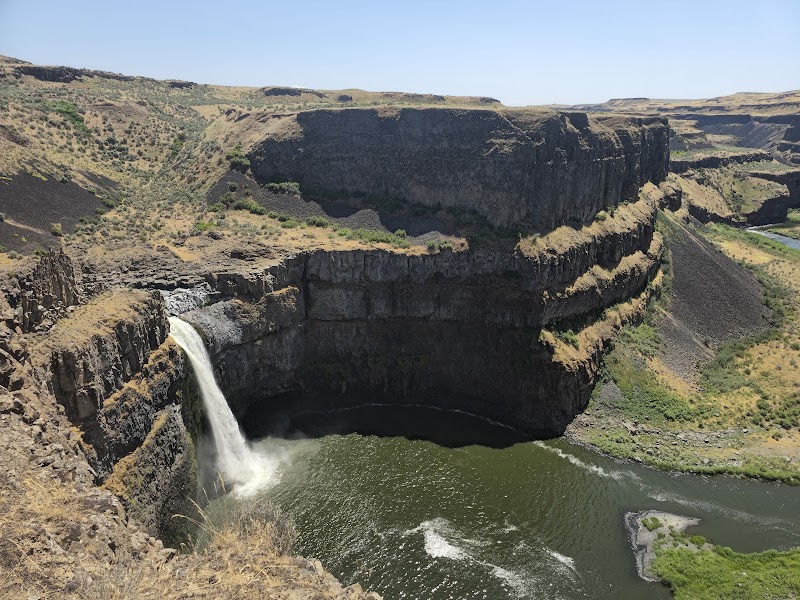
Palouse Falls State Park
The state's most dramatic waterfall thunders 198 feet into a narrow basalt canyon in a remote high-d
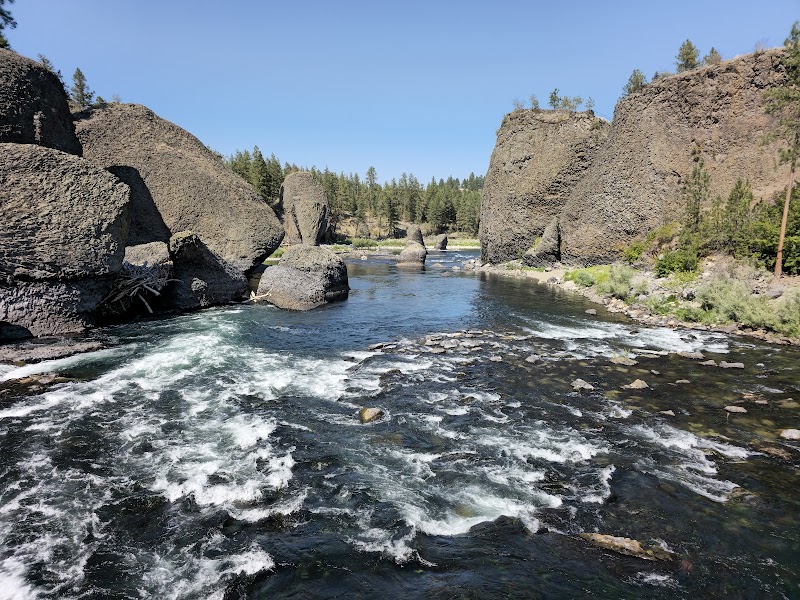
Riverside State Park
A scenic multi-use corridor along the Spokane River offers excellent opportunities for fishing, boat
Ready to Explore Eastern Washington?
Start planning your trip to Eastern Washington — from where to stay to what to see, we've got you covered.