Eastern Washington
Spokane
Urban waterfalls, craft beer, and genuine mountain access
Population
230,000
Region
Eastern Washington
Known For
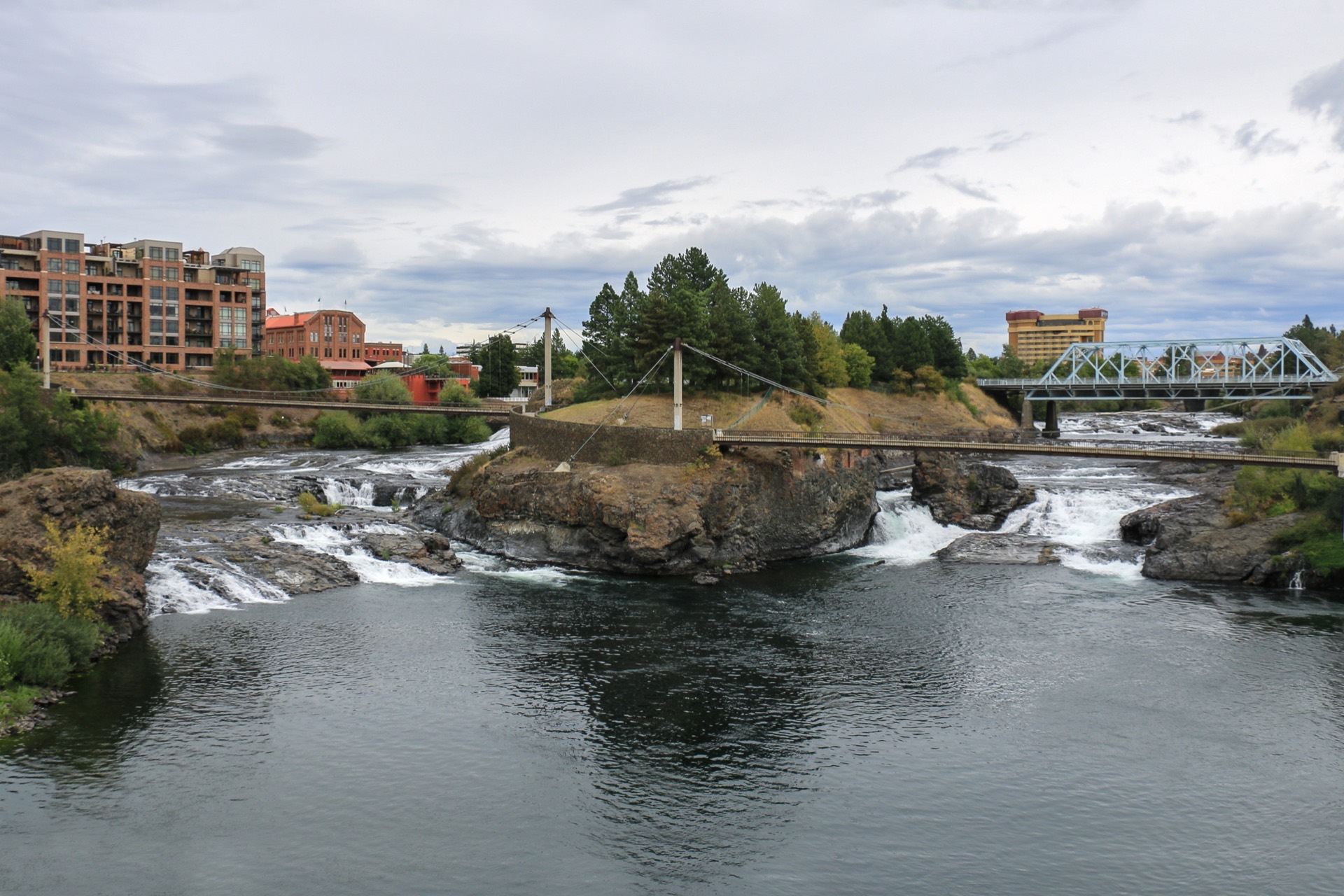
Hosting the 1974 World's Fair on reclaimed land, creating a stunning riverfront park anchored by one of the largest urban waterfalls in North America
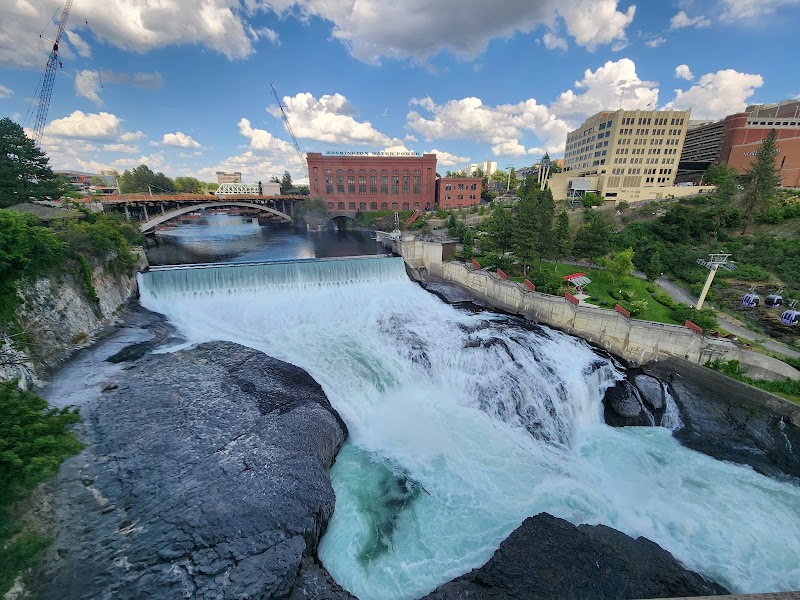
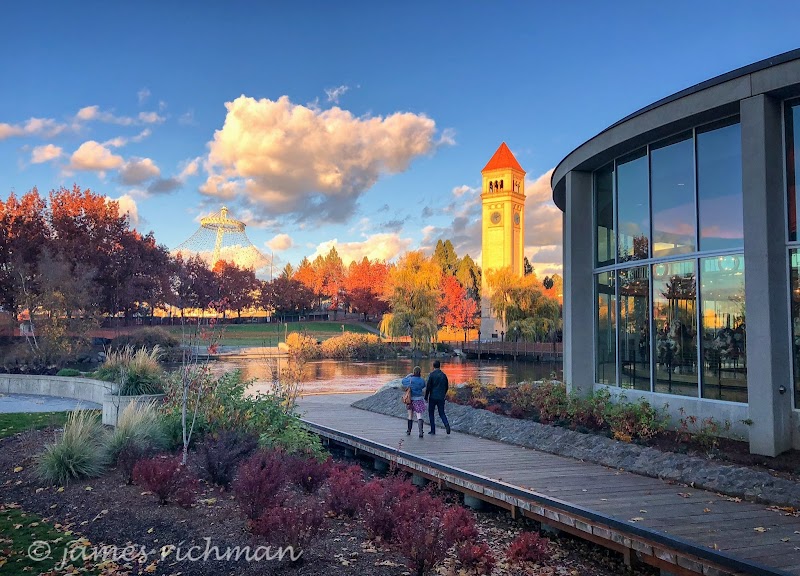
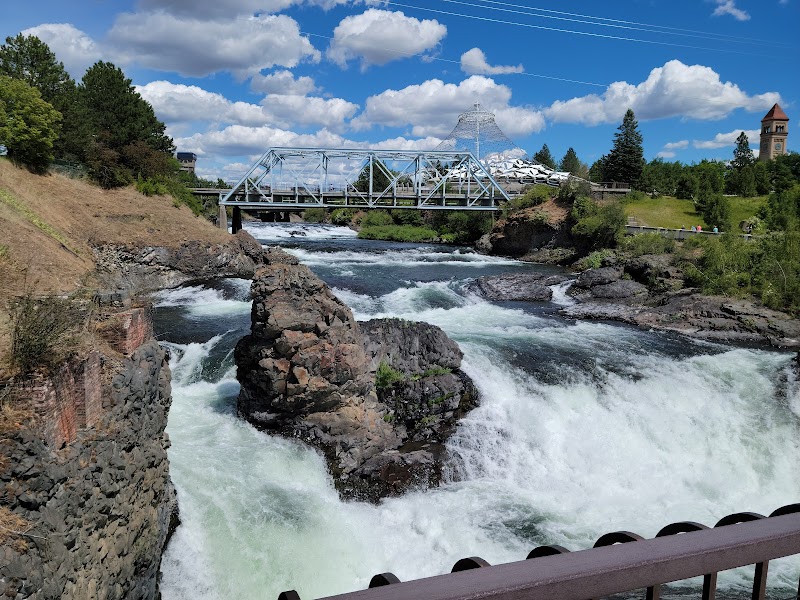
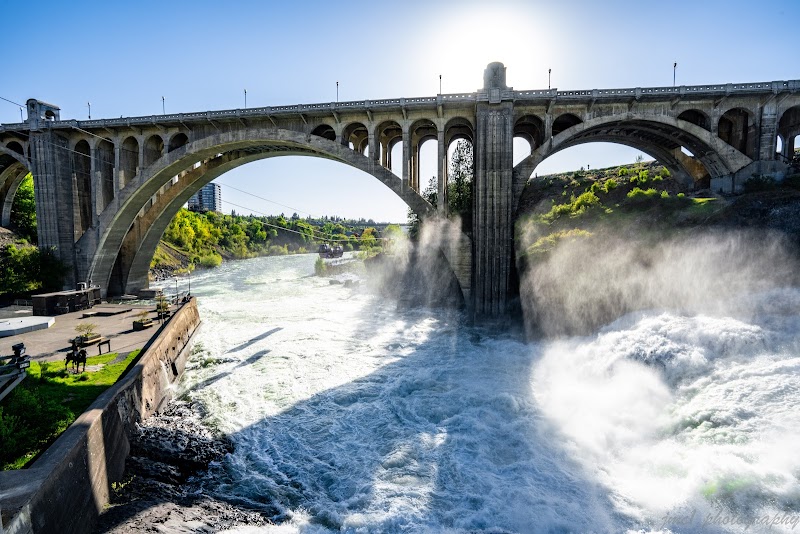
Spokane sits 280 miles east of Seattle as Eastern Washington's cultural and outdoor hub, a city that operates at a distinctly different rhythm than the Puget Sound. The Spokane River crashes through downtown over Spokane Falls — visible from the Monroe Street Bridge and surrounded by the 100-acre Riverfront Park, a reclaimed railyard that's become the city's gravitational center. This is a place where the landscape shifts from the wet green of Western Washington into the stark, beautiful scablands and pine-forested mountains, creating a unique Pacific Northwest identity.
Spokane has shed its reputation as a pass-through town and leaned into its strengths: over 40 craft breweries cluster in the metro area, independent neighborhoods like Garland and South Perry have filled with coffee roasters and restaurants punching above their weight class, and the cost of living remains refreshingly reasonable. The city earned its nickname as the smallest to host a World's Fair — a distinction that shaped downtown into something genuinely walkable and vibrant, without the congestion or price tag of Seattle.
What makes Spokane feel distinct is accessibility. You can ski Mt. Spokane before breakfast, mountain bike the Centennial Trail at lunch, and catch a Spokane Chiefs hockey game by evening — all within 30 minutes of downtown, and all without sitting in traffic. The Inland Northwest landscape has a severe beauty: basalt outcroppings, pine forests, and the dramatic scablands carved by ancient floods create a setting that demands attention rather than offering postcard comfort.
Top Things to Do in Spokane
Spokane Falls and Riverfront Park
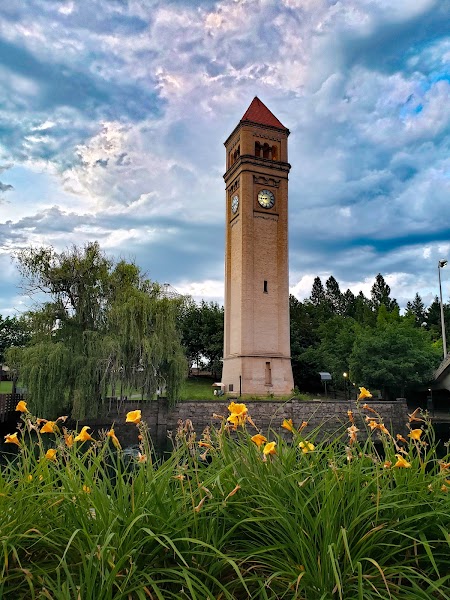
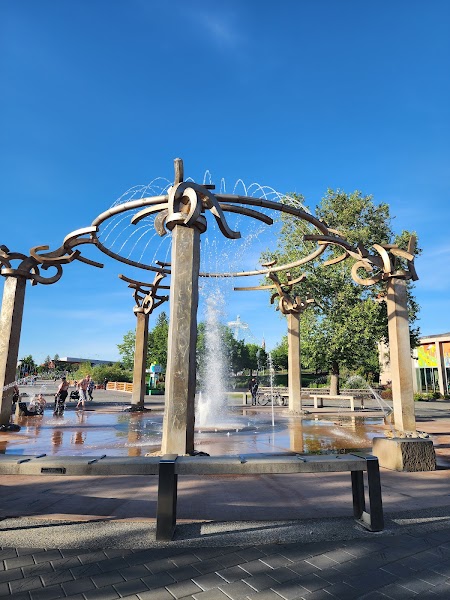
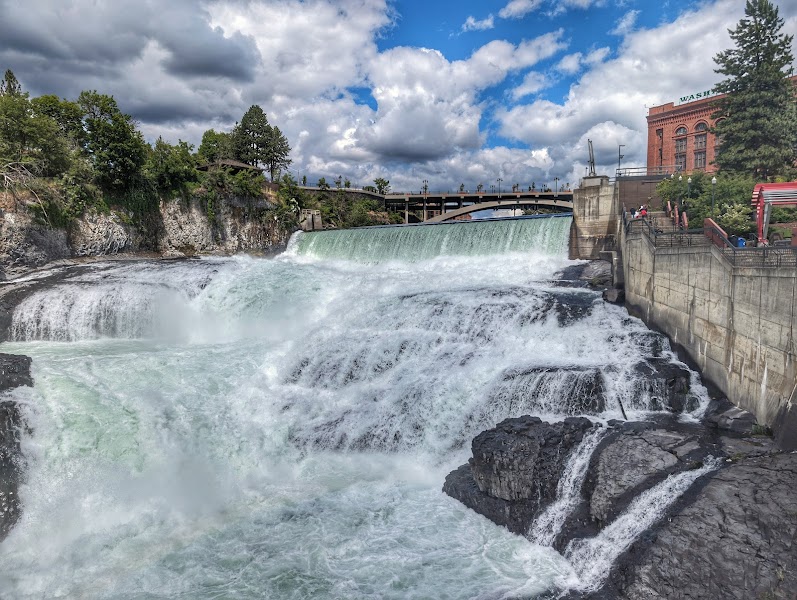
Stand on the Monroe Street Bridge and watch the Spokane River drop over basalt ledges in the middle of downtown — one of the largest urban waterfalls in the country. Ride the SkyRide gondola over the falls for a bird's-eye perspective, or try the Numerica SkyTrail, a suspended ropes course that puts you directly above the thundering water. The 100-acre park wrapping around the falls includes gardens, museums, and the restored Pavilion from the 1974 World's Fair.
Centennial Trail
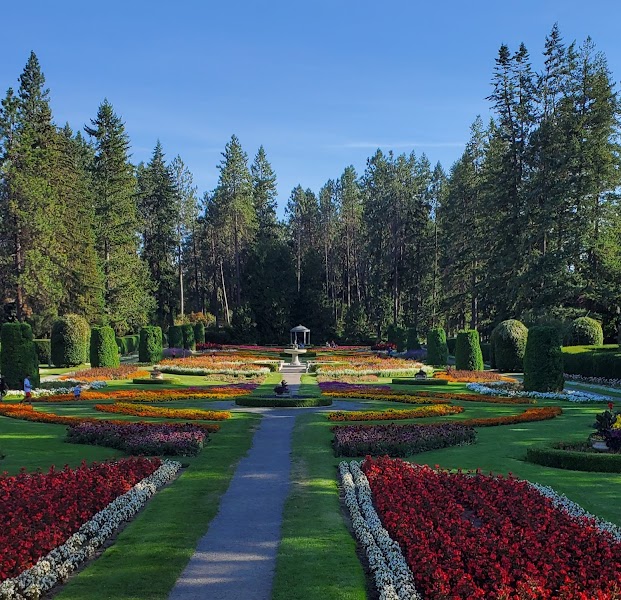
This 40-mile paved path follows the Spokane River from Nine Mile Falls through downtown and out to the Idaho border — one of the most scenic and accessible cycling routes in the region. Rent a bike downtown and tackle the 10-mile section through Riverside State Park, where basalt cliffs frame the river and the historic Bowl and Pitcher suspension bridge offers a dramatic crossing. Summer is ideal, though fall foliage and spring wildflowers make other seasons equally rewarding.
Manito Park and Japanese Garden
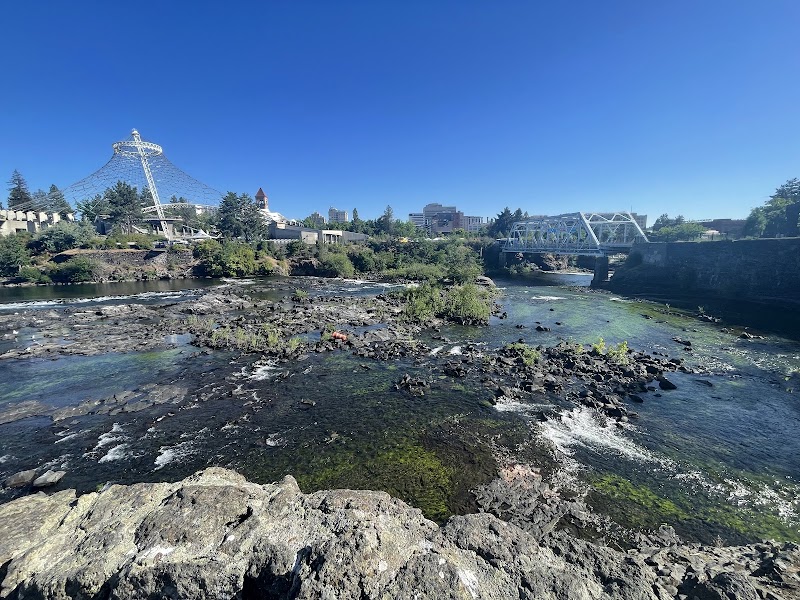
A hidden gem in the South Hill neighborhood, this 90-acre park combines formal gardens, a Japanese garden designed by Japanese landscape architects, and a conservatory full of tropical plants — all free and rarely crowded. The Duncan Garden features Italian Renaissance and Japanese design elements integrated into sweeping grounds. Visit in late spring when the cherry blossoms peak, or early fall when the gardens are at their most vibrant.
Northwest Museum of Arts and Culture
Housed in a historic mansion complex, this museum anchors Spokane's growing arts scene with rotating exhibitions focused on regional art, history, and Native American culture. The grounds include the 1898 Campbell House, a beautifully preserved estate that offers glimpses into Gilded Age Spokane. Plan 2-3 hours for a thorough visit.
Mt. Spokane Ski Resort
Just 30 miles north of downtown, this no-frills mountain offers solid terrain, fewer crowds than west-side resorts, and lift tickets at roughly half the price. The elevation reaches 5,883 feet with a vertical drop of 2,000 feet. Winter typically runs December through March, with the best conditions in January and February.
Gonzaga University Campus and College Avenue
The Jesuit university's historic campus in North Spokane anchors a revitalized commercial corridor of indie shops, coffee roasters, and restaurants. The campus itself is architecturally stunning, with Gothic revival buildings and a peaceful quad. College Avenue between the campus and downtown has become a neighborhood destination in its own right.
Craft Brewery Trail
With over 40 breweries in the metro area, Spokane rivals much larger cities for beer diversity. Start at No-Li Brewhouse, perched directly on the river with windows overlooking Spokane Falls, then explore nearby options like Laughing Dog Brewing, Pateros Creek Brewing, or Brick West Brewing. A brewery walking tour or self-guided route hits a dozen spots within downtown.
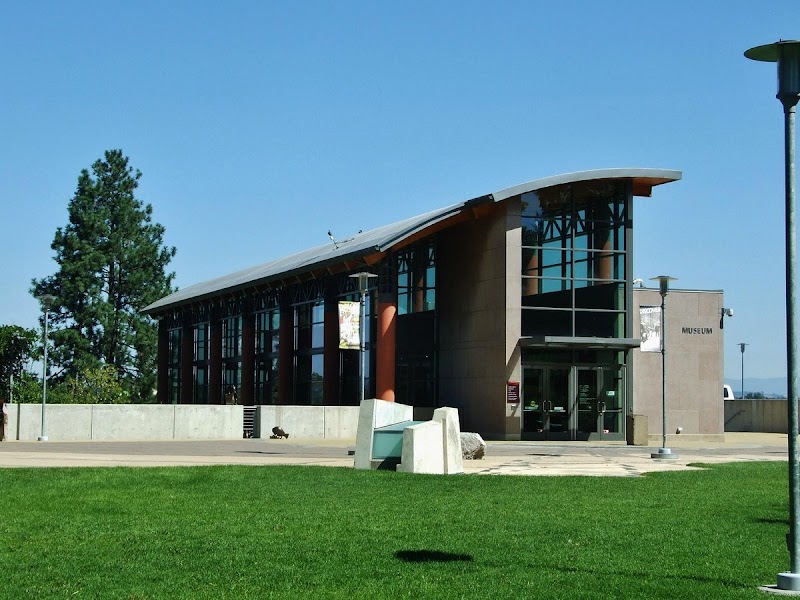
Riverside State Park and Bowl and Pitcher
Extending north from downtown, this 6,000-acre park includes hiking trails, rock climbing areas, and the iconic Bowl and Pitcher formation — a natural amphitheater carved by the Spokane River. The suspension bridge crossing offers a thrilling vantage point. Summer is peak season, but fall foliage and spring snowmelt create entirely different moods worth experiencing.
Garland District Shopping and Dining
This walkable neighborhood on Garland Avenue between Division and Grand has become Spokane's most vibrant commercial strip, filled with independent boutiques, art galleries, and ambitious restaurants and coffee shops. The vibe is distinctly Pacific Northwest — unpretentious but thoughtful. Plan an afternoon to browse, eat, and soak in the neighborhood energy.
Holmberg Orchards and Seasonal U-Pick
About 20 miles southwest in the Spokane Valley, this family-owned orchard opens for u-pick berries and stone fruit during summer months (roughly June through September). It's a genuine farm experience with minimal tourist infrastructure — exactly the kind of local activity that makes Spokane different. Call ahead for seasonal availability.
Neighborhoods & Districts
South Perry District
Eclectic, artsy, and deeply local — the most interesting neighborhood for dining, browsing, and understanding Spokane's creative side
Walk South Perry Street from 29th to 37th Avenue, hitting Clover (hyper-local farm-to-table), Ruins (cocktail bar in a converted brick building), and independent boutiques like Auntie's Bookstore. Street art and murals cover every block. Visit on a Friday evening for the weekly street vibe.
Garland District
Walkable, renovated, and rapidly evolving — a once-declining commercial corridor revitalized into Spokane's most vibrant retail and dining neighborhood
Browse independent shops along Garland Avenue, grab coffee at one of several specialty roasters, eat dinner at ambitious restaurants like Sante or Voela. The neighborhood hosts regular farmers markets and street events, especially in summer and fall.
Downtown Spokane
Compact, walkable, and centered on the river — where history (the 1914 Davenport Hotel), nature (Spokane Falls), and culture (museums, theaters) converge
Stay at the Historic Davenport Hotel and explore Riverfront Park, walk the river paths, catch a show at the Fox Theater or Bing Crosby Theater. West Main Avenue has emerged as a restaurant corridor worth exploring block by block.
College Avenue Corridor
Academic, newly vibrant, and increasingly hip — anchored by Gonzaga University but increasingly independent of it
Start at the Gonzaga campus, then walk north on College Avenue to browse shops and restaurants like Elevate Coffee or Void. The area feels like a college town reimagining itself for locals, not just students.
South Hill
Residential, manicured, and home to Spokane's most polished attractions — where the city's wealthier neighborhoods meet outdoor access
Visit Manito Park and its Japanese Garden (free and stunning), browse the upscale shops along South Grand Avenue, or rent a bike and explore the residential blocks with their historic architecture and tree-lined streets.
Food & Drink
Spokane's food scene has matured well beyond what a city its size typically offers. Farm-to-table cuisine thrives here, partly because Eastern Washington produces exceptional produce, wheat, and specialty crops. The craft beer scene is genuinely robust — 40+ breweries mean you'll find serious brewing talent, not just tourist-trap beer gardens. Wine from nearby Walla Walla (90 minutes south) is increasingly featured in restaurants. The city's food community feels personal: chefs source from specific farms they know by name, and restaurants change menus seasonally based on what's actually available rather than what's convenient. Asian cuisine has a growing presence, from Sichuan to Thai to Vietnamese, reflecting a more diverse city than outsiders expect.
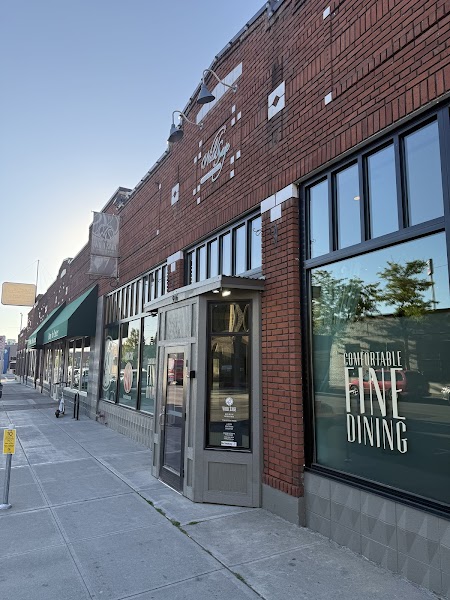
Clover (South Perry District)
A hyper-local restaurant that changes its menu based on what's available from nearby farms — expect seasonal vegetables, regional proteins, and cooking that prioritizes freshness over consistency. Dinner reservations are essential; the intimate space fills quickly.
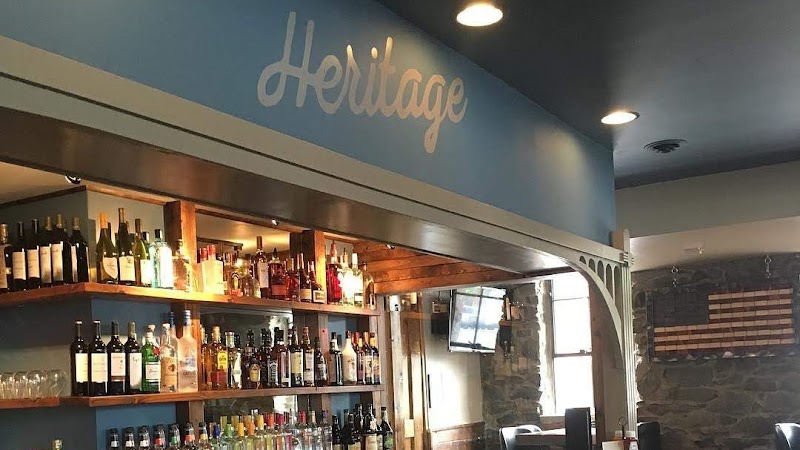
Frank's Diner
Operating out of a restored 1906 railroad dining car, Frank's serves classic breakfast and lunch from an impossibly tiny kitchen. The Saturday morning line out the door is a Spokane institution. Order the hash browns, which are thick-cut and perfectly crispy.
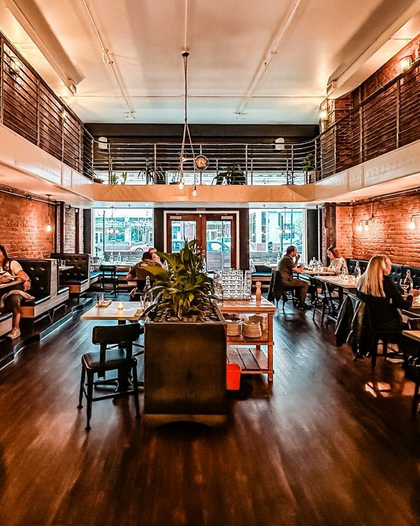
Ruins (West Main Avenue)
A cocktail bar and kitchen in a converted brick building that feels plucked from Brooklyn but with distinctly Inland Northwest flavors — think house-made syrups using local ingredients and carefully sourced spirits. The food is elevated bar fare; the cocktails are serious.
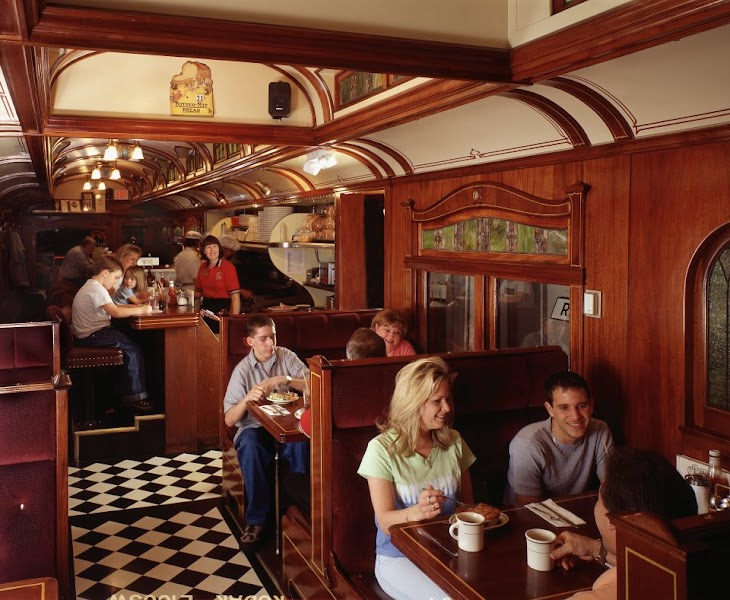
Gordy's Sichuan Cafe
An unlikely gem in Eastern Washington serving authentic Sichuan cuisine in a stripped-down dining room. The numbing spice of the mapo tofu and dan dan noodles is uncompromising — a welcome counter to Spokane's otherwise Pacific Northwest-focused dining scene.
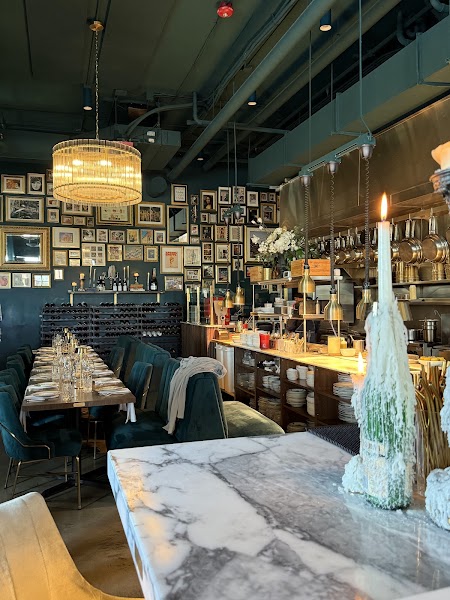
No-Li Brewhouse
Perched directly on the Spokane River with windows overlooking Spokane Falls, No-Li is simultaneously a serious brewery producing excellent IPAs and stouts, and a riverside gathering spot. Grab a beer and a burger, sit on the patio, and watch the falls.
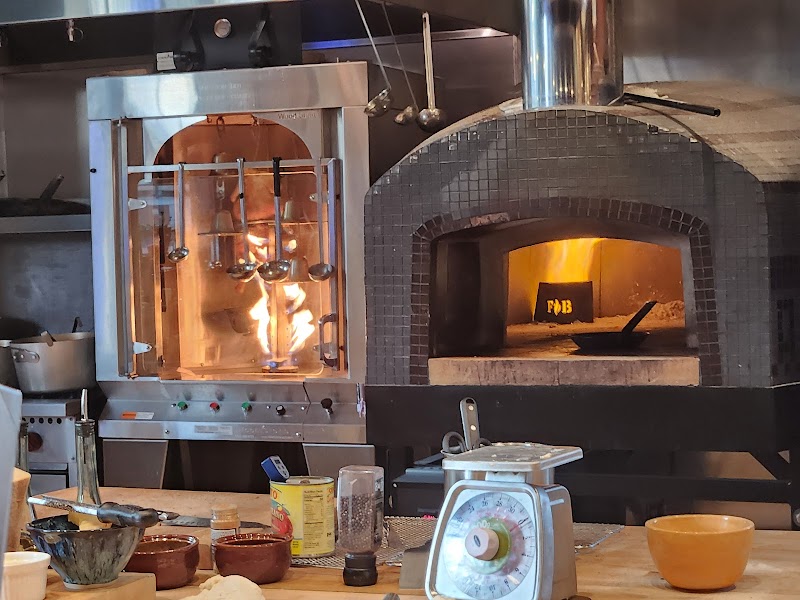
Sante (Garland District)
Mediterranean-inspired cooking with a strong emphasis on seasonal vegetables and regional proteins. The menu shifts with availability; the wine list emphasizes Washington producers. It's the kind of restaurant that feels like a neighborhood gathering place despite its ambitions.
When to Visit Spokane
spring
April and May bring wildflowers to the scablands and green-up to the surrounding forests. The Spokane River runs high with snowmelt, making it dramatic but cold for water activities. This is the sweet spot for hiking and biking before summer heat sets in — temperatures range from 50-65°F. The Northwest Flower and Garden Show typically happens in March and is worth planning around.
summer
June through August are warm and dry, with daytime temperatures in the 75-85°F range and almost no rain. The Centennial Trail is at its most crowded but most rewarding. Manito Park's gardens are in full bloom. This is peak season for outdoor activities, brewery patios, and outdoor concerts in Riverfront Park. Book accommodations well in advance.
fall
September and early October offer the most dramatic scenery — golden larch trees in the mountains, wine harvest in nearby Walla Walla, and comfortable temperatures (55-70°F). The summer crowds disappear, making trails and parks feel reclaimed. Fall colors peak in late September around Mt. Spokane and in the forests north of the city.
winter
December through February bring snow to Mt. Spokane and cold (often 20-35°F) to the city itself. The Spokane area receives moderate snow — 30-40 inches annually — but the city is well-equipped to handle it. Mt. Spokane Ski Resort operates on a 2,000-foot vertical, and the indoor food and culture scene becomes more central. Many restaurants and breweries feature cozy indoor seating; this is when the city feels most intimate.
Getting There
Spokane International Airport (GEG) is the primary gateway, served by Southwest, Alaska, United, and Delta with direct flights from Seattle (1 hour), San Francisco, Los Angeles, and other major hubs. Driving from Seattle takes roughly 4.5-5 hours heading east on I-90. From Portland (4 hours) or Boise (3.5 hours), I-84 east connects directly. Amtrak's Empire Builder stops at Spokane station downtown, with routes to Seattle (14 hours) and Chicago (36 hours) — scenic but not quick. A rental car is highly recommended for accessing trails, parks, and nearby attractions like Riverside State Park and Mt. Spokane.
Insider Tips
Skip downtown hotels during Bloomsday (second Sunday of May), when 60,000+ runners clog the streets for the famous 12-kilometer race. Stay on the South Hill or north side that weekend, or come the week before.
The Centennial Trail parking lot at the Nine Mile Dam (north end) is less crowded than downtown lots — start your ride there and head south into the city to avoid fighting for parking on weekends.
Visit Manito Park on a weekday morning before 10 AM for solitude and perfect light for photography. The Japanese Garden is especially peaceful when it's empty.
Ask locals for brewery recommendations rather than visiting the tourist-heavy ones on West Main — spots like Laughing Dog (in a converted garage in a residential neighborhood) or Whitehouse-Crawford (housed in a historic hop warehouse) feel more authentically Spokane.
The historic Davenport Hotel's lobby and ballroom are free to walk through and photograph — you don't need a room to experience the building's opulence. The afternoon light through the skylights is spectacular around 3 PM.
Drive or hike up to the Dish (a massive radio telescope on a hilltop north of the city) for sunset — the city lights below the surrounding forests create an unexpectedly dramatic vista. It's a favorite local spot that tourists rarely know about.
Where to Stay in Spokane
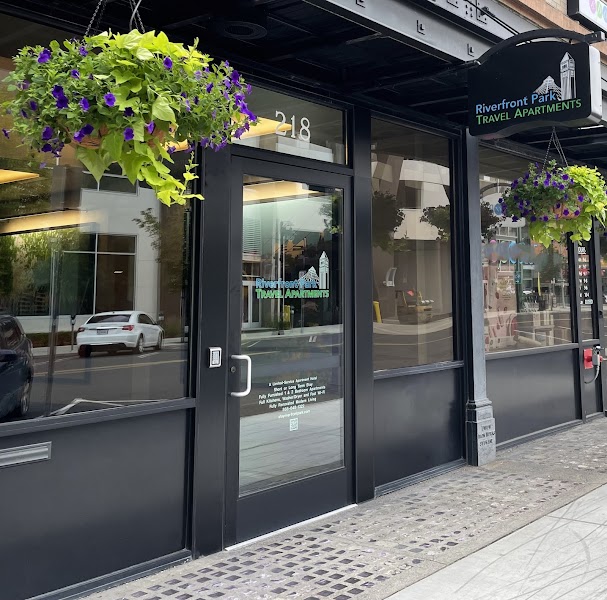
Riverfront Park Travel Apartments
218 N Bernard St, Spokane, WA 99201, USA
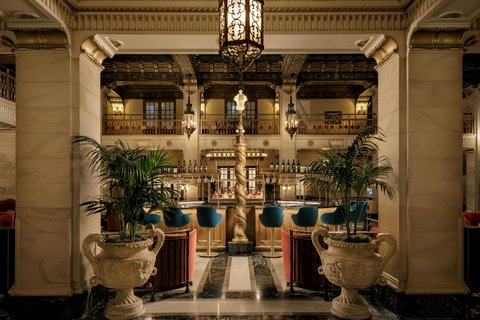
Davenport Hotel, Autograph Collection
10 S Post St, Spokane, WA 99201, USA
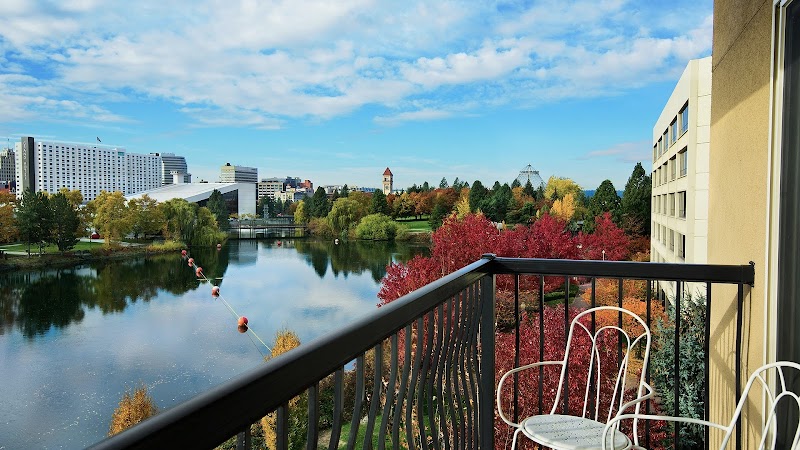
Oxford Suites Spokane
115 W North River Dr, Spokane, WA 99201, USA
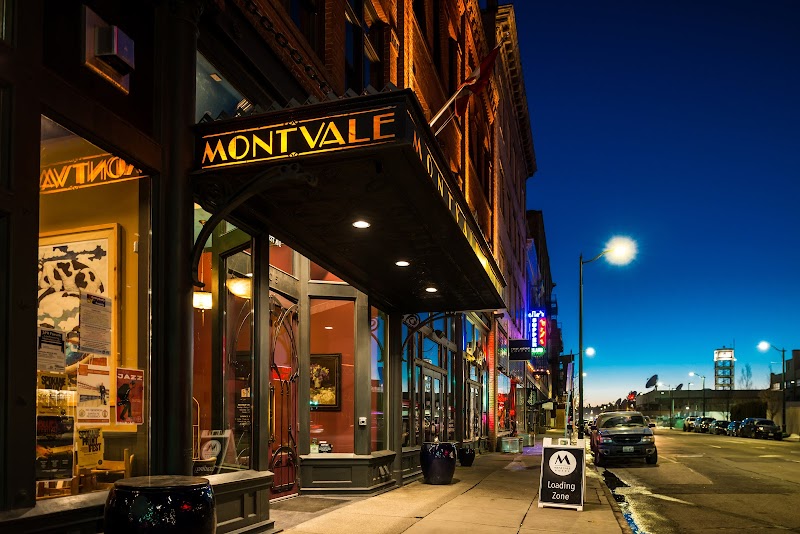
Montvale Hotel | Spokane
1005 W 1st Ave, Spokane, WA 99201, USA