The Sol Duc Falls Trail delivers one of the best waterfall-to-effort ratios in Washington State. The hike is 1.6 miles round-trip through old-growth forest, and the payoff is a 50-foot waterfall dropping through a narrow basalt gorge with a viewing bridge positioned directly above the spray. The Sol Duc River splits into three channels before the drop and crashes together at the bottom in a pool surrounded by fern-draped canyon walls. For out-of-state visitors expecting a day hike in Olympic National Park, this trail is a consistent first pick.
Here is everything you need to plan the visit.
What the Trail Is Like
The Sol Duc Falls Trail is an out-and-back route of 0.8 miles each way. The National Park Service rates it easy to moderate, with approximately 200 feet of elevation gain across the full round-trip. Most hikers finish in under two hours.
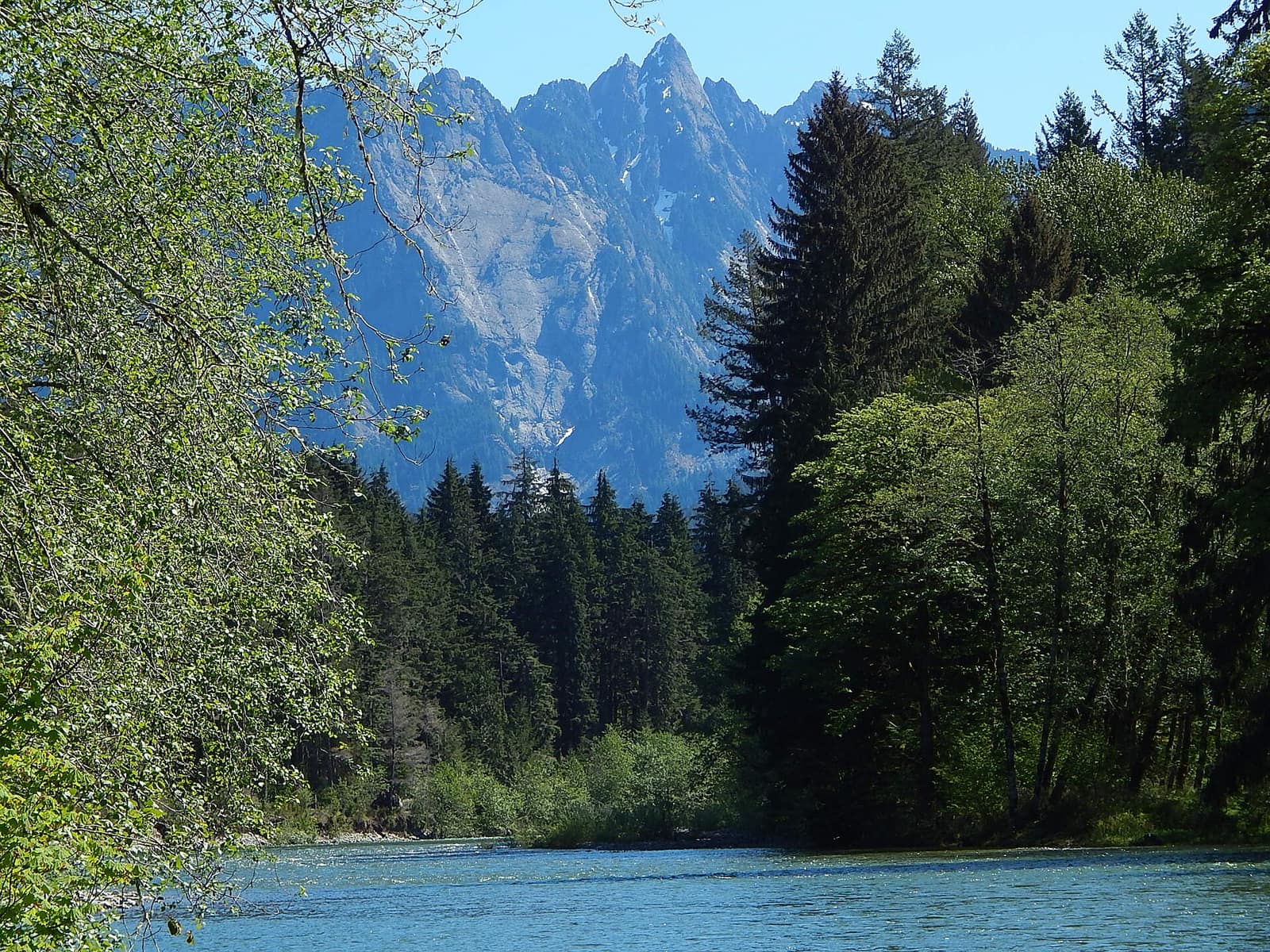
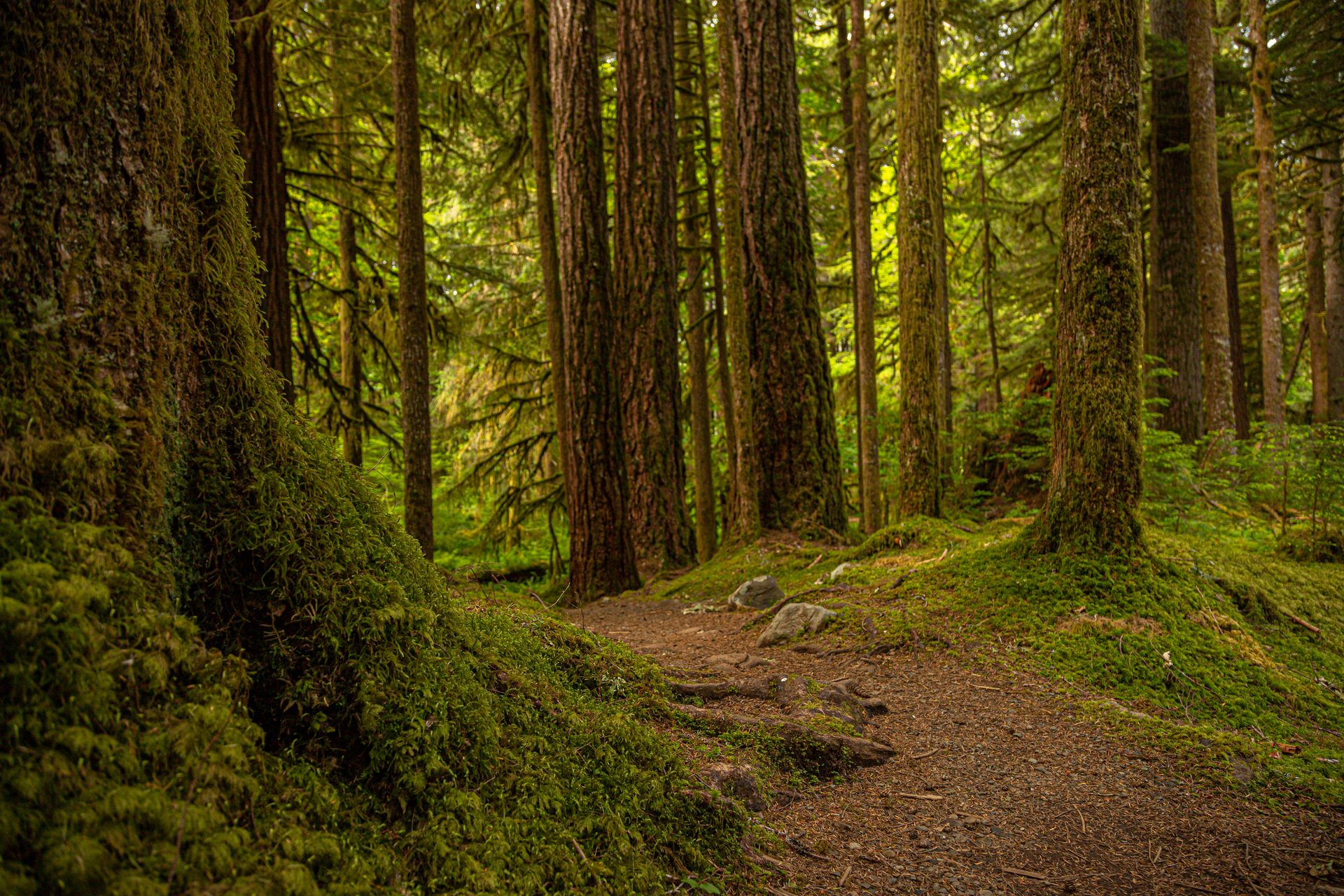
The trail follows the Sol Duc River through old-growth western hemlock, Douglas fir, and Sitka spruce. Old-growth designation means trees older than 200 years, substantial downed wood on the forest floor, and a layered canopy of shrubs and smaller trees beneath the giants. Some of the specimens along this corridor exceed 200 feet in height and are several feet across at the base. Mosses cover bark, boulders, and fallen logs throughout. The effect is total forest immersion within minutes of leaving the trailhead.
The path surface is packed earth and gravel, wide enough for two hikers to walk side by side, and well-maintained by NPS crews. There are no scrambles, stream crossings, or route-finding challenges on the main falls route. The trail is also popular with families and is considered one of the most accessible waterfall hikes in the park.
Getting There
The Sol Duc Falls Trailhead sits at the end of Sol Duc Road, about 12 miles from its junction with US-101 on the western interior of the Olympic Peninsula.
From Port Angeles: Drive west on US-101 approximately 30 miles to the Sol Duc Road turnoff. Follow Sol Duc Road 12 miles to the trailhead parking area at the road’s end. Total drive time: about 50 minutes.
From Seattle: Take the Washington State Ferry to Kingston or Bainbridge Island, then drive north and west via US-101. Total drive time from Seattle: approximately 3 to 3.5 hours without stops. The Olympic Peninsula road trip route covers this full corridor with logistics for visitors arriving from the city.
Parking: The trailhead parking area holds around 50 vehicles. It fills by 9am on summer weekends. Arriving before 8am or choosing a weekday significantly improves your chances of finding a spot. Overflow parking at Sol Duc Hot Springs Resort, located one mile back down the road, connects to the falls trail via a riverside footpath that adds about a mile each way.
An Olympic National Park entrance fee or America the Beautiful pass is required. The vehicle fee is $35 for seven days. If you plan to visit other federal lands during your trip, the $80 annual pass covers all of them.
On the Trail
The hike starts at a wooden footbridge over the Sol Duc River behind the trailhead kiosk. From the first steps, the forest is dense. The trail runs parallel to the river, which you can hear through the trees, moving from a low steady roar to something more urgent as you approach the falls.
At around the half-mile mark, a series of wooden boardwalk sections begin, built over the upper canyon rim. From these platforms, you get the first views down into the gorge before the trail curves to the final viewpoint. The sound of the falls arrives well before the sight of it.
The forest along the trail is part of the same old-growth ecosystem described in detail at the Ancient Groves Nature Trail, a short loop a mile below the trailhead on Sol Duc Road. Less than 5% of the original Pacific Northwest lowland forest survives intact. Olympic National Park protects a substantial portion of what remains.
In spring, trillium blooms along the lower sections of trail. By July, the canopy closes completely and the light through the trees turns green. In October, vine maple in the upper canyon adds bursts of orange and red.
Sol Duc Falls Up Close
The falls drop through a slot carved in basalt bedrock by ancient volcanic activity. Three channels of the Sol Duc River converge mid-fall and crash together approximately 50 feet below the viewing bridge. The gorge is narrow enough that the sound reflects off the walls and saturates the air around the viewpoint.
The bridge position puts you almost directly above the main channel. Spray reaches the railing on wet days and produces a fine mist even in dry summer months. In spring, with snowmelt feeding full flow, the falls are loud enough that you have to raise your voice to be heard at the rail. By August, flow drops but the setting remains substantial. The light in the gorge shifts throughout the day: at midday in summer, occasional shafts of sunlight cut through the mist and the pooled water turns jade green below. In shadow, the gorge goes dark and turbulent.
There is no safe route to the base of the falls. The viewing bridge is the intended viewpoint; do not attempt to scramble down the canyon walls.
Extending the Hike: Lover’s Lane and Beyond
The Sol Duc Falls viewpoint sits at a trail junction, which opens up longer options for hikers who want more time on foot.
Lover’s Lane Loop: The most popular extension adds about 4.8 miles to the falls-only out-and-back. The loop follows the Sol Duc River downstream on the opposite bank before connecting back to the resort. Starting from the resort parking lot, the full Lover’s Lane circuit through the falls and back totals approximately 6.4 miles with around 700 feet of elevation gain.
Canyon Creek Trail: From the falls junction, this route continues 1.5 miles upstream to Canyon Creek Shelter, passing through old-growth and reaching a smaller cascade at the upper end. This section sees far fewer visitors than the main falls trail and is a good choice for hikers who want solitude after the viewpoint clears out.
The Olympic Peninsula hiking guide covers several of these trail combinations with suggested itineraries for different ability levels.
Sol Duc Hot Springs: The Natural Pairing
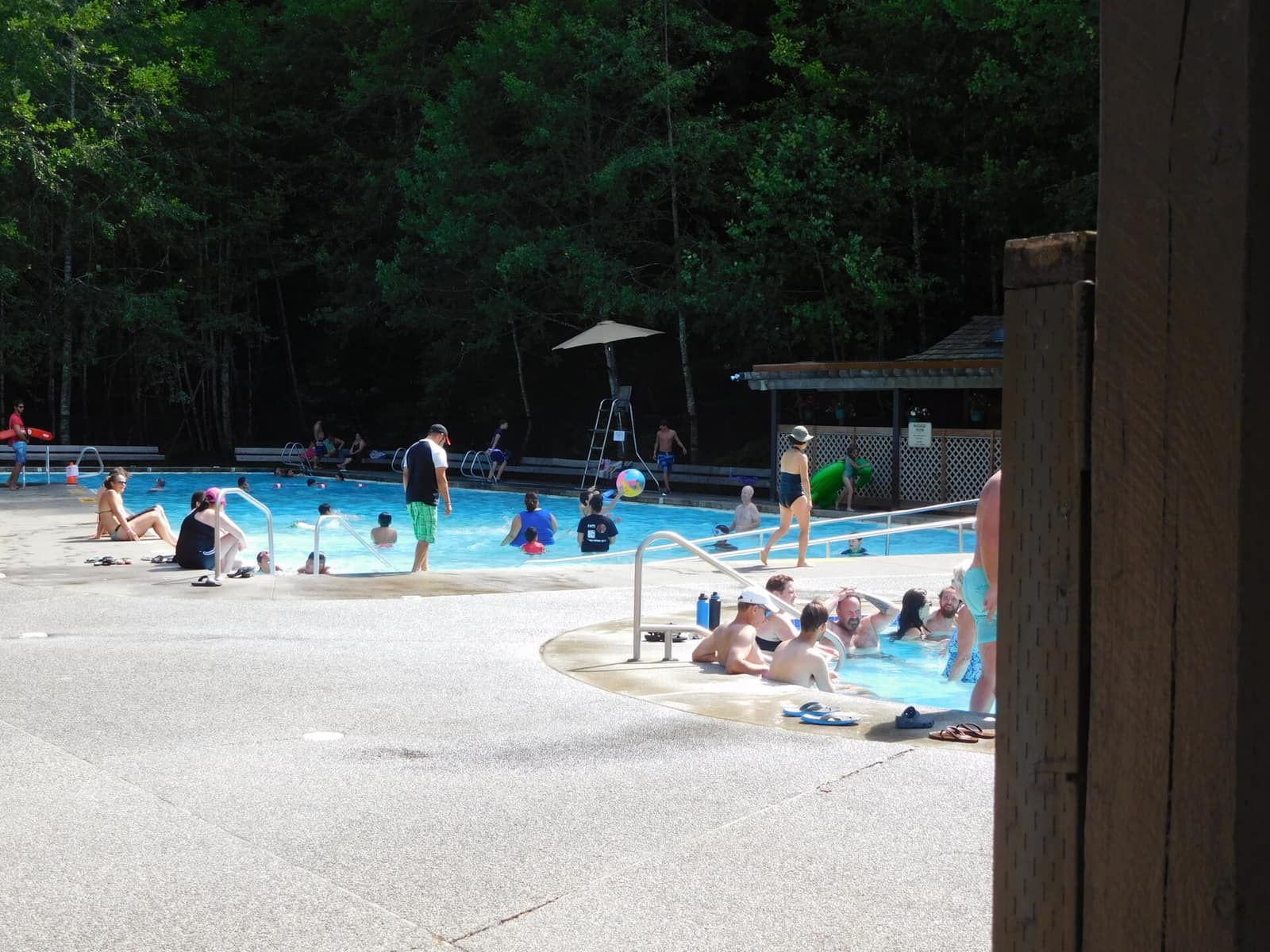
One mile down Sol Duc Road from the trailhead, Sol Duc Hot Springs Resort operates three mineral pools ranging from 99°F to 104°F, a freshwater pool for cooling off, and a restaurant. Combining the falls hike in the morning with an afternoon at the pools is one of the better half-day itineraries in this part of the park.
The resort is open from late March through early November, with exact dates varying by year. Day-use pool access costs approximately $20 for adults and $15 for children. The Springs Restaurant serves lunch and dinner during the operating season.
For full details on the pools, current hours, and what the hot springs experience is like, the Sol Duc Hot Springs guide covers it thoroughly, including what to expect from the mineral pools and how the resort compares to other Washington hot springs.
When to Go
April and May: Peak waterfall flow from snowmelt. The trail can be muddy but trillium blooms along the lower sections and the forest is fully green. Sol Duc Road typically opens in late April; verify current road status through the NPS before making the drive.
June through September: The most reliable window. Dry trail conditions, full services at the resort, and manageable temperatures under the forest canopy. Summer weekends are busy; arrive before 8am.
October: A short window of fall color along the canyon walls. The resort closes in mid-October. After that, the falls trail remains hikeable until road closure.
November through March: Sol Duc Road closes to vehicles at some point in November and reopens in late April most years. Check current road status at nps.gov/olym before planning a shoulder-season visit.
What to Bring
The trail is short but the old-growth forest stays cool and damp year-round:
- Rain jacket: the spray at the falls is real, and Pacific Northwest weather changes fast
- Layers: the forest canopy keeps temperatures 5-10°F cooler than open areas outside the park
- Water and snacks: no services at the trailhead; the resort store is one mile back
- Entrance fee payment or America the Beautiful pass
- Trekking poles if you plan the Lover’s Lane extension
Dogs are allowed on the Sol Duc Falls Trail on a leash. They are not permitted in the hot springs pool area.
Camping Near Sol Duc
Sol Duc Campground sits within the resort complex about one mile from the falls trailhead. It has 82 sites in old-growth forest directly alongside the river. Sites are first-come, first-served in shoulder seasons and reservable through Recreation.gov during peak summer months. Reservations fill quickly for July and August; book 6 months out if your dates are fixed.
For a broader overview of where to camp across the entire park, the Olympic National Park camping guide covers all major campground zones, site types, and reservation windows.
Planning the Wider Visit
Sol Duc is one corner of a park that spans three ecosystems. The Olympic National Park visitor centers guide covers the ranger station near the Sol Duc junction, where staff can give you current trail conditions, wildlife activity, and road updates. For the full picture of what the park offers beyond Sol Duc, the things to do in Olympic National Park guide organizes day trips by region, including the Hoh Rain Forest, Hurricane Ridge, and the Pacific coast.
The Sol Duc Falls Trail rewards almost any visitor to the Olympic Peninsula. The hike is short enough to fit into a half-day with the hot springs, and substantial enough to feel like a real destination on its own. If you’re anywhere near the Sol Duc Valley, it belongs on your itinerary.