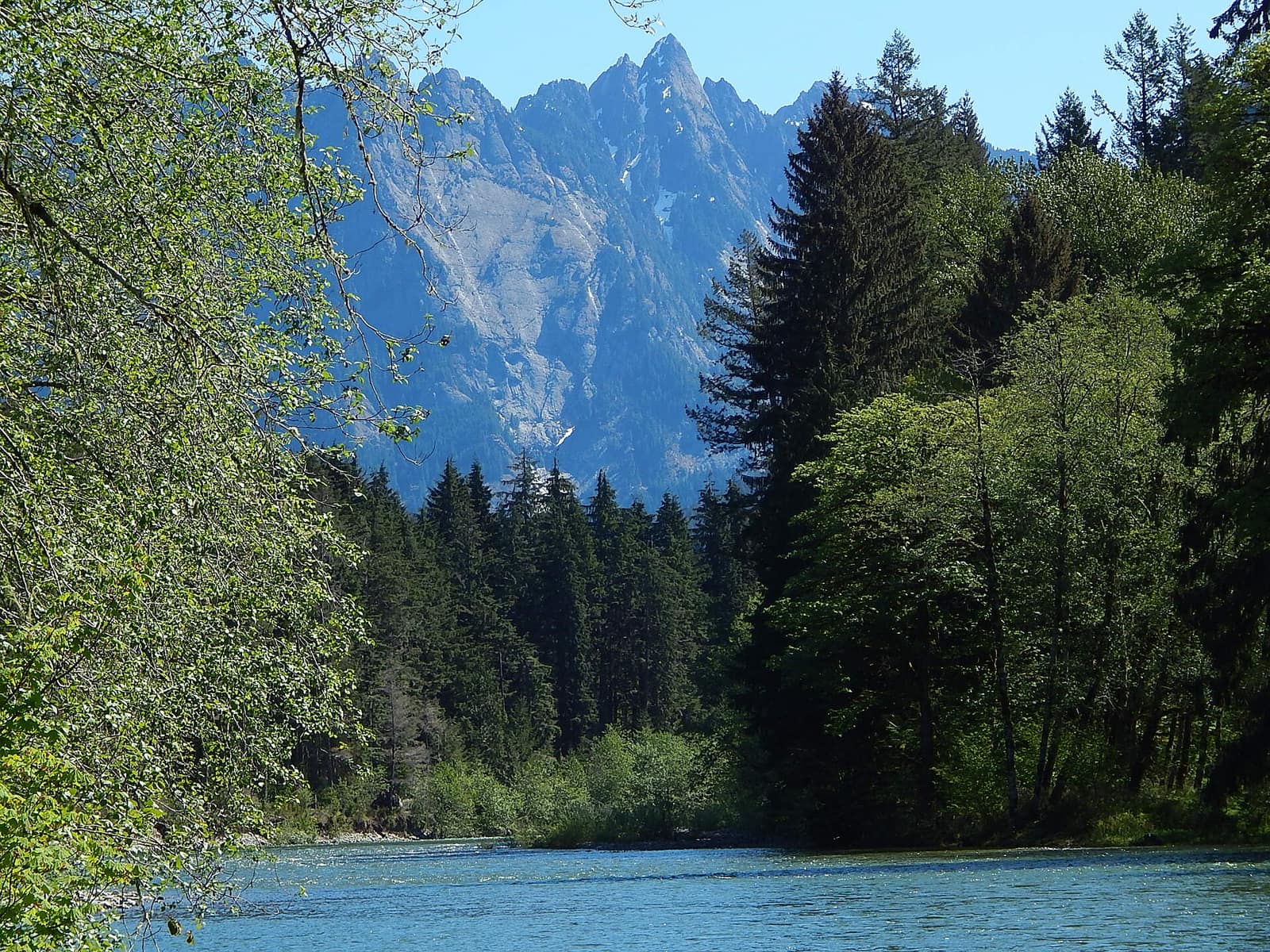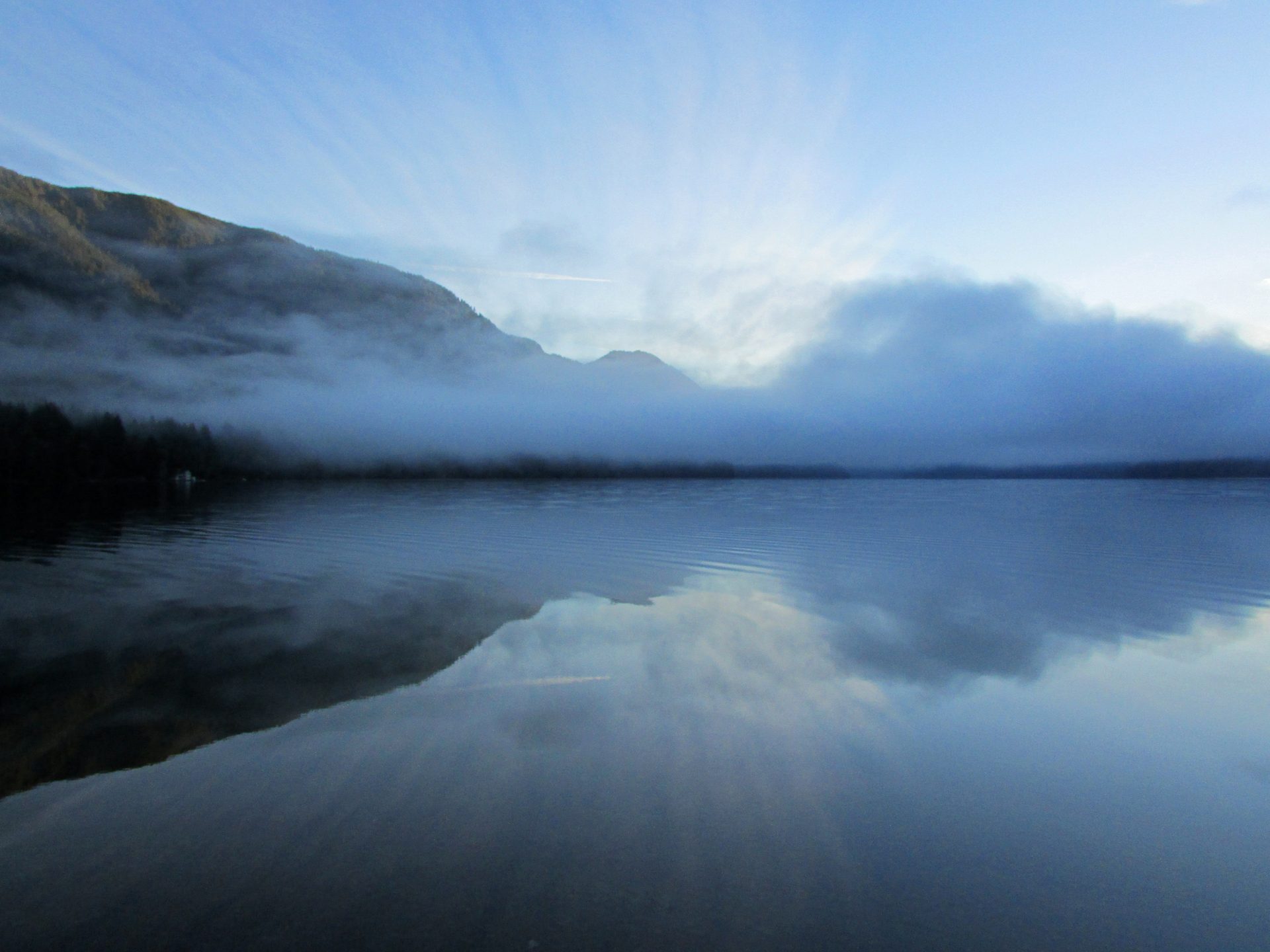
Lake Crescent sits at 580 feet above sea level, roughly 20 miles west of Port Angeles on US-101, and its color stops most first-time visitors cold. The water is a deep cobalt-blue, almost unnaturally clear, with visibility down to 60 feet in places. That clarity comes from the lake’s chemistry: Lake Crescent is naturally nitrogen-poor, which limits algae growth and keeps the water some of the clearest in Washington State. The lake is also 624 feet deep, one of the deepest in the Pacific Northwest, and old-growth Douglas fir press in from both shorelines. If you’re planning a trip to Olympic National Park and you give Lake Crescent half a day, you’ll leave wishing you’d given it two.
This guide covers the trails, the water activities, the historic Lodge, and the practical details you need before arriving.
Getting to Lake Crescent
Lake Crescent is on US-101 along the northern edge of Olympic National Park, about 20 miles west of Port Angeles. From Seattle, plan on 3 to 3.5 hours including ferry time.
The most direct route from Seattle crosses Puget Sound via the Washington State Ferries Bainbridge Island route (Seattle Colman Dock to Bainbridge Island terminal, roughly 35 minutes). From the Bainbridge terminal, take SR-305 north to Poulsbo, then SR-3 north to the Hood Canal Bridge (SR-104), and then US-101 west through Sequim and Port Angeles, continuing west along the highway to the lake. This is the most straightforward crossing if you’re coming from central Seattle.
Alternatively, the Edmonds-Kingston ferry (25-minute crossing from Edmonds, north of Seattle) connects to SR-104 and follows the same Hood Canal Bridge corridor. The Port Townsend-Coupeville ferry adds visual variety but extends drive time if you’re coming from east of Puget Sound.
From Portland, the drive runs roughly 4 to 4.5 hours via I-5 north to Olympia, then US-101 north along Hood Canal and around the base of the Olympic Peninsula. No ferry required for this approach.
US-101 runs directly along the southern shore of Lake Crescent. The Lake Crescent Lodge, Storm King Ranger Station, and main day-use areas are all signed from the highway. Parking at the lodge and trailheads can fill completely on summer weekend mornings. Arrive before 8:30am on weekends in July or August if you want a spot at the Storm King trailhead.
Hiking Trails Around Lake Crescent
Lake Crescent has four main hiking options, covering a wide range from a gentle waterfall walk to a strenuous summit route. The Storm King Ranger Station, near the east end of the lake off US-101, serves as the trailhead for two of the most popular routes.
Marymere Falls Trail
Distance: 1.8 miles round trip
Difficulty: Easy
Elevation gain: 200 feet
The Marymere Falls Trail is the easiest hike at Lake Crescent and one of the most rewarding for the distance. The route passes through old-growth forest, crossing Barnes Creek twice on wooden bridges before climbing a short staircase to the base of Marymere Falls, a 90-foot two-stage waterfall fed by the Olympic high country. The falls run strongest in spring when snowmelt pushes the flow, but they run year-round. This trail works for families, for hikers with limited time, or as a warm-up before a longer route. The trailhead is at the Storm King Ranger Station parking area.
Mount Storm King Trail
Distance: 4 miles round trip to the viewpoint below the summit
Difficulty: Strenuous
Elevation gain: 2,000 feet
The Mount Storm King Trail branches off the Marymere Falls path after the Barnes Creek bridge and climbs aggressively through old-growth fir. Near the top, a rope-assisted rocky scramble section leads to a summit knob. Most hikers stop at the viewpoint just below the rope section, where the full length of Lake Crescent comes into view below, with the Strait of Juan de Fuca visible to the north on clear days. This is a genuinely steep trail. Trekking poles help, and the scramble section demands careful footing on loose rock. Allow 3 to 4 hours round trip. The upper section may hold snow into May.
Spruce Railroad Trail
Distance: 8 miles round trip (or 4 miles one way)
Difficulty: Easy to moderate
Elevation gain: Minimal
The Spruce Railroad Trail runs along the north shore of Lake Crescent on a converted railroad grade, offering consistent lake views at a gentle grade. The paved surface makes it accessible for cyclists and hikers with limited mobility, a rarity in Olympic National Park. Two tunnel sections pass through rock outcroppings along the route, and a pair of swimming access points sit mid-trail. This is the better choice for visitors who want extended lake access without significant climbing. The east trailhead is at East Beach Road off US-101; the west end connects near Fairholme.
Pyramid Mountain Trail
Distance: 7 miles round trip
Difficulty: Moderate to strenuous
Elevation gain: 2,400 feet
Pyramid Mountain sees far fewer hikers than Storm King, partly because the trailhead sits on the less-traveled north side of the highway. The route climbs through second-growth and old-growth forest to a summit with views of Lake Crescent, the Sol Duc Valley, and the Strait of Juan de Fuca. The trailhead is off Pyramid Peak Road, accessible from US-101 just west of the lake’s west end. Allow 4 to 5 hours round trip.
For a broader look at Olympic Peninsula hiking, including the Hoh Rain Forest trails, Rialto Beach, and the Enchanted Valley, the Olympic Peninsula hiking guide covers the full range of trail options across the park. The Olympic National Park trails overview has current trail conditions and permit information.
Kayaking, Boating, and Swimming
Lake Crescent’s depth and clarity make it one of the better water destinations in Washington, though its temperature keeps casual swimmers brief. Even in August, surface water temperatures rarely exceed 60 degrees Fahrenheit. The lake’s depth (624 feet at maximum) means it doesn’t warm the way shallower lakes do, even in peak summer.
The Lake Crescent Lodge rents rowboats and kayaks seasonally, typically from mid-May through September. Current rental rates and hours are available at the lodge front desk. The Fairholme area on the west end of the lake has a boat launch for trailered boats. Motorized boats are permitted on Lake Crescent; jet skis are not.
Swimming access is best at the La Poel picnic area (signed on US-101 east of the lodge) and at the Fairholme area. Both have gravel lake access, parking, and picnic tables. Neither has a lifeguard.
Fishing for Lake Crescent’s two endemic trout species, the Beardslee cutthroat and the Crescenti cutthroat, requires both a Washington State fishing license and a federal recreational lands permit. These are wild, self-sustaining populations that evolved in isolation as the lake formed after the last ice age and became disconnected from its river systems. Both subspecies are catch-and-release only. Baitfish are prohibited in the lake.
Lake Crescent Lodge
Built in 1916 as the Singer Tavern, Lake Crescent Lodge is one of the oldest lodges in the Olympic National Park system and one of the most compelling places to stay on the northern Olympic Peninsula. Franklin D. Roosevelt stayed here in 1937 during a trip across the Pacific Northwest, and the park concessionaire named the lakeside cottages after his visit. The Roosevelt Cottages sit directly on the water and are among the most sought-after rooms in any Washington State national park lodge.
The lodge operates from mid-May through late October. The property includes the historic main building (with a dining room, lobby fireplace, and lake views), the Roosevelt Cottages, the Storm King Inn, and additional cabin units, totaling around 52 rooms across the property.
The dining room accepts reservations from non-guests and serves breakfast, lunch, and dinner with a menu focused on Pacific Northwest ingredients: Dungeness crab, local seafood, and seasonal produce. Dinner reservations are strongly recommended in July and August. The dining room fills consistently on summer weekends, and walk-ins are not guaranteed a table.
Booking: Lake Crescent Lodge books through Olympic National Park Lodges, the park concessionaire. Summer reservations, particularly for the Roosevelt Cottages, sell out 6 to 12 months in advance. If you want a summer weekend stay, check for availability in October or November of the prior year.
Wildlife at Lake Crescent
The lake and surrounding forest support several species that reward patience and early-morning visits.
Beardslee and Crescenti cutthroat trout: Found nowhere else on earth. The two subspecies diverged from steelhead populations after the lake became landlocked at the end of the Pleistocene, roughly 10,000 years ago. They’re larger than typical cutthroats, with Beardslee specimens sometimes reaching 20 inches. The fish can be seen from the surface in calm conditions, cruising the shallower areas near the lake’s edges.
Bald eagles: Resident year-round at Lake Crescent. They perch commonly in the large-diameter firs along the shoreline and soar over the water, particularly in mornings before day-use traffic picks up. The stretch of shoreline near the Storm King Ranger Station is a reliable viewing area.
Roosevelt elk: Olympic National Park supports the largest unmanaged herd of Roosevelt elk in the world. The animals range throughout the forests around Lake Crescent, particularly in the Sol Duc and Elwha drainages to the south and east. Roadside sightings on US-101 near the lake occur regularly in early morning and evening.
Black bears: Present throughout the Olympic backcountry. Bear encounters near the main lake day-use areas are less common than in the Hoh Rain Forest or at backcountry campsites, but standard precautions apply: store food in your vehicle, don’t leave anything scented accessible, and carry bear spray on longer hikes.
When to Visit Lake Crescent
July and August bring the most reliable weather and the fullest slate of services. The lodge operates fully, boat rentals are available, and the lake reaches its maximum surface temperature for swimming. The tradeoff: Storm King and Marymere trailhead parking fills by 9am on summer weekends. Arrive before 8am or plan a weekday visit. Check whether Olympic National Park requires timed entry permits for this area in the current season, as permit requirements have shifted in recent years.
September is the local preference. Crowds drop sharply after Labor Day, the lodge operates through late October, the fall light on the water is exceptional, and the Beardslee trout are active. Water temperatures in early September are still tolerable for a swim. Weekday visits in September can feel nearly private compared to July.
June is shoulder season. The parking lots are quieter, Marymere Falls runs full from spring snowmelt, and most lodge facilities are operational by mid-June. Snow may linger on the upper Mount Storm King Trail through early June.
April and May: Storm King Ranger Station is typically unstaffed and boat rentals are unavailable, but the trails are open and the lake is genuinely uncrowded. Marymere Falls in April, with peak snowmelt flow, is worth the trip on its own.
Winter: The lodge closes in late October. The Spruce Railroad Trail and Marymere Falls Trail remain open through winter. Check Olympic National Park road and trail conditions before visiting, as wet conditions on the Mount Storm King Trail can make the upper section treacherous.
Where to Stay Near Lake Crescent
Lake Crescent Lodge: The first choice for visitors who want to wake up on the water. Book well in advance for summer stays.
Log Cabin Resort: On the north shore of Lake Crescent, accessible from the Spruce Railroad Trail’s east end. Operated by the same concessionaire as the lodge, it offers cabins, RV sites, and tent camping with direct lake access. The atmosphere is more relaxed than the main lodge.
Fairholme Campground: The NPS campground on the west end of the lake, with 88 sites on a first-come, first-served basis. No reservations. During peak season, sites fill on Friday and Saturday afternoons. Arrive by midday if you want a spot on a summer weekend.
Port Angeles: Twenty miles east on US-101, Port Angeles has the widest range of hotels on the northern Olympic Peninsula. It’s also home to the Olympic National Park Visitor Center (on Race Street), the right place to stop for current conditions, maps, and ranger advice before heading west to the lake.
For a week-long itinerary that includes Lake Crescent alongside Hurricane Ridge, the Hoh Rain Forest, and Rialto Beach, the 7-day Olympic Peninsula road trip guide lays out the full loop. If you’re planning to camp, the camping guide for Olympic National Park covers the reservation system and which campgrounds fill fastest. For everything else the park offers, the complete Olympic National Park guide covers all the major destinations.