Climbing Mount Rainier draws somewhere between 10,000 and 13,000 attempts every year, more than any other glaciated peak in the contiguous United States. Some of those attempts succeed. Many do not. The summit sits at 14,411 feet, buried under 35 square miles of glaciers and subject to weather that can shut down the mountain for days with no warning. This is not a hike with extra gear. Understanding what climbing Mount Rainier involves, before you commit to guide fees, permits, or a six-month training block, is where the planning needs to start.
What Climbing Mount Rainier Means
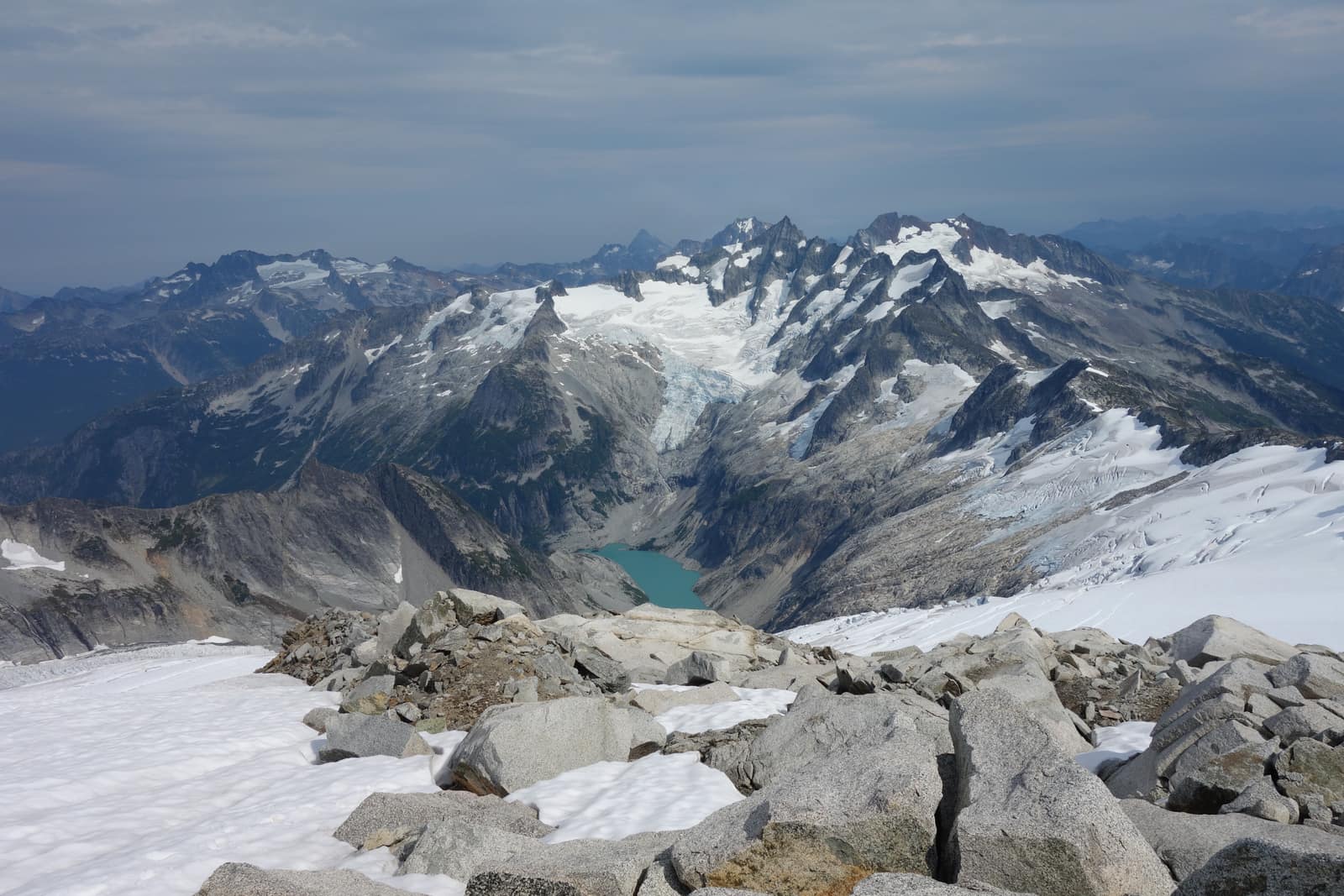
The term “climbing” means something specific here. Every route that reaches the summit requires travel on glaciers: roped travel in teams, crampon use on hard snow and ice, and the ability to execute crevasse rescue if a teammate falls in. The standard approaches gain roughly 9,000 feet of elevation over two or three days and involve camping overnight at high, exposed camps above 10,000 feet. Altitude sickness is common above that threshold and turns back a significant percentage of teams every season.
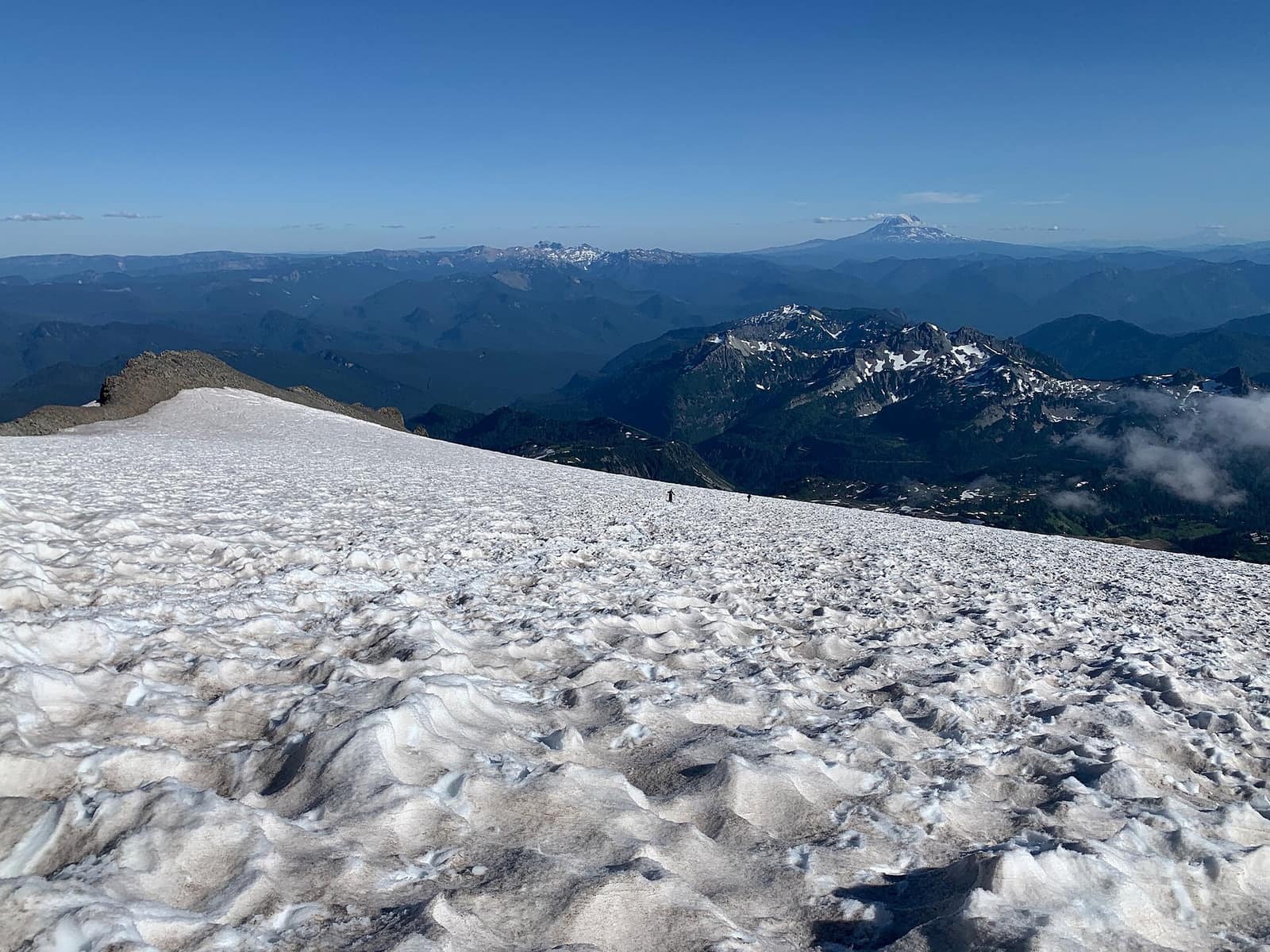
This is the key distinction from a challenging day hike. Paradise at Mount Rainier is a genuine alpine environment you can access by car. The Camp Muir route via the Muir Snowfield takes you to 10,180 feet and is the toughest day hike on the mountain. But the moment you leave Camp Muir and head toward the summit on glacier, you enter technical mountaineering terrain that requires different gear, different skills, and a different level of preparation than anything below.
If you’re exploring the park for hiking, camping, or day trips rather than a summit attempt, the Mount Rainier National Park visitor guide covers the full range of options. The climbing routes are a distinct subset of what the mountain offers.
Guided Climbs vs. Climbing Independently
Most people who summit Rainier for the first time do it with a guide service. Three companies hold National Park Service concession agreements to operate guided climbs on the mountain:
Rainier Mountaineering Inc. (RMI) is the oldest and highest-volume operation, running guided climbs from Paradise via the Disappointment Cleaver route. RMI offers one-day mountaineering seminars that serve as the technical skills training before the climb attempt, and they have decades of on-mountain operational experience.
International Mountain Guides (IMG) runs smaller group sizes and offers both standard and custom route options. IMG is well regarded for its guide-to-client ratios and has a long history on Rainier and other major peaks in the range.
Alpine Ascents International focuses on expeditionary mountaineering and runs Rainier as both a standalone program and as part of broader Cascades climbing curricula.
Guide programs typically bundle a one-day training seminar (crampon use, self-arrest, roped team travel) with a two or three-day climb attempt. All-in costs range from roughly $1,200 to $2,000 per person depending on the operator and route length. Permits are handled by the guide service as part of the program fee.
Independent climbing is legal and common among people with prior glacier travel experience. The NPS does not gate permits by experience level, but the expectations are clear: anyone heading onto the glaciers above Camp Muir or Emmons Flats needs to know how to self-arrest, travel effectively in a rope team, and participate in crevasse rescue. If you haven’t done those things before, a guided climb is the right call.
The Main Routes for Climbing Mount Rainier
Disappointment Cleaver (DC Route) is the most frequently climbed path on the mountain, accounting for the majority of summit attempts. The route starts at Paradise (5,400 ft), gains the Cowlitz Glacier, crosses to the Ingraham Glacier, and ascends a rocky ridge called the Disappointment Cleaver before reaching the upper mountain. High camp is Camp Muir at 10,180 feet. From the Cleaver, teams gain the summit crater and the crater rim at 14,411 feet. Total elevation gain from the Paradise trailhead is roughly 9,000 feet over 8 to 9 miles one way.
Emmons/Winthrop Glacier Route approaches from the northeast via the White River trailhead, on the opposite side of the park from Paradise. High camp is Camp Schurman at 9,440 feet. The Emmons Glacier, which this route traverses, is the largest glacier in the contiguous United States by area. The route sees less traffic than the DC route and offers a dramatically different view of the mountain. Navigation on the Emmons requires reading the glacier carefully, as crevasse patterns shift each season.
Both routes are appropriate for guided clients and experienced independent climbers. There are significantly harder technical routes on the mountain (Liberty Ridge, the Nisqually Ice Cliff, the Curtis Ridge), but those are the domain of experienced alpinists and outside the scope of a first summit attempt.
Permits, Fees, and Registration
Anyone climbing above Camp Muir on the DC route or above Emmons Flats on the Emmons/Winthrop route is required to purchase a climbing permit. The permit is $64 per person and is valid for the calendar year, so a single permit covers multiple attempts in the same year if your first trip turns back.
Permits are purchased at recreation.gov, where you can also reserve overnight spots at the high camps. Camp Muir reservations fill quickly once they open for summer booking, often months in advance for peak season (mid-June through July). Check the current permit and reservation policies directly on the NPS Mount Rainier climbing information page before finalizing your dates.
The park’s standard vehicle entry fee ($35 per vehicle, valid for 7 days) is separate from the climbing permit. America the Beautiful annual passes cover the entry fee. Guide services handle climbing permits for their clients as part of the program cost.
Training and Fitness Requirements
Climbing Mount Rainier via the DC route means gaining 9,000 feet in roughly 24 hours of moving time, starting the summit push from Camp Muir around midnight and pushing to 14,411 feet before turning around and descending the same day. At elevation, cardiovascular output drops, recovery slows, and decisions become harder. Fitness is not optional here; it’s the difference between a summit and a turn-back at 12,000 feet.
Training should start 4 to 6 months before the climb attempt. The elements that matter most:
Cardiovascular endurance: sustained aerobic output for 8 to 10 hours. Long hikes with a 30 to 40-pound pack replicate the actual load better than gym cardio. Build to at least one hike per week of 5 or more hours with elevation gain.
Vertical training: consistent elevation gain in a single session, working up to 3,000 feet or more of gain in a training day. Snowshoe or ski touring trips in winter are effective if you have access to snowy terrain.
Altitude acclimatization: one or two pre-climb trips to elevations above 8,000 feet, ideally higher. Washington State’s Cascades have plenty of options. Altitude sickness is not a fitness problem you can train away: some people acclimatize quickly and some don’t, and discovering this for the first time on Rainier’s summit push is a problem.
Technical skills: if climbing without a guide, practice with crampons and ice axe on actual steep snow before the attempt. Self-arrest technique must be automatic.
The best time to visit Washington State covers seasonal conditions across the Cascades, which is useful context for planning training hikes in the months leading up to a Rainier attempt.
What to Expect on the Mountain
The typical DC route schedule: arrive at Paradise by mid-morning, hike to Camp Muir with all overnight gear (3.5 to 4 hours for most teams), set up camp, rest, eat a light dinner, and sleep if possible. Summit teams typically leave Camp Muir between midnight and 2am. The push to the summit takes 6 to 8 hours depending on conditions and team pace. Descent to Paradise takes another 3 to 5 hours.
Wind and temperature are the primary variables. Rainier sits at the western edge of the Cascades and collects Pacific systems that don’t show up clearly on lowland weather forecasts. Guide services use specialized mountain weather products and have access to on-mountain ranger station reports. Independent climbers should use Mountain Forecast or similar alpine weather tools, not standard weather apps.
At Camp Muir during peak season, expect a crowded high camp with dozens of tents in close proximity. Portable restrooms are maintained there by the park. Reserve your tent platform spot when you purchase your climbing permit on recreation.gov. Arrive with enough time to set up before dark.
Rope teams on Rainier typically consist of three to four people. Everyone must be connected at all times when traveling on glacier. Traveling unroped between Camp Muir and the summit is not permitted by the NPS and is a serious safety risk regardless. Every team member must be able to execute a crevasse rescue from both the fallen and rescuer positions.
Summit Success Rates
The NPS collects and publishes climbing data. Roughly half of permitted climbers reach the summit in a typical year. The remaining half turn back, most commonly due to weather, altitude sickness, team pacing problems, or physical exhaustion. This is a realistic benchmark, not a pessimistic one.
Guide services tend to post higher completion rates than independent parties, partly from experienced judgment on weather windows and turnaround discipline. The most consistent factor in successful summits is early departure and conservative turnaround times: most teams that summit leave Camp Muir before 1am and turn around by noon regardless of summit proximity.
Don’t underestimate the descent. A disproportionate number of mountaineering accidents on Rainier happen on the way down, when teams are tired, moving less carefully, and sometimes rushing to beat afternoon weather.
Getting There and Where to Stage
The Disappointment Cleaver route begins at Paradise, reached via the Nisqually entrance on Highway 706. From Seattle, the drive is roughly 90 miles and takes about 2 hours. From Tacoma it’s under 90 minutes.
Most climbers spend the night before a Paradise-start climb in Ashford, a small community about 5 miles from the Nisqually entrance. Ashford has a cluster of lodges, cabin rentals, and vacation homes well suited to pre-climb staging. There’s a gear shop in town for last-minute supplies, and a small selection of restaurants.
The Emmons/Winthrop route departs from the White River Campground trailhead on the park’s northeast side, accessed via Highway 410 from either the Seattle side (via Enumclaw) or from the Yakima direction through Chinook Pass.
If you’re new to the park’s layout, the Paradise at Mount Rainier guide covers parking, permits, and the visitor center at the trailhead where most guided climbs begin.
Rainier is one of the most serious mountains accessible to non-professional climbers in North America, and its summit record reflects that. The preparation it demands is real. So is the reward for people who put in the training, pick the right team or guide service, and approach the mountain with patience. Start the planning early, book permits when they open, and give yourself more time on the mountain than you think you need.
Hero photo: Camp Muir Snowfield by Natecation, licensed CC BY-SA 4.0, via Wikimedia Commons. Resized.