National Park
Mount Rainier National Park
Where glaciers meet wildflowers at 14,410 feet
Established
1899
Size
236,381 acres — a vertical wilderness that compresses 2,000 miles of latitude into one mountain
Elevation
1,600 feet at Nisqually Entrance to 14,410 feet at the summit
Annual Visitors
Approximately 2 million
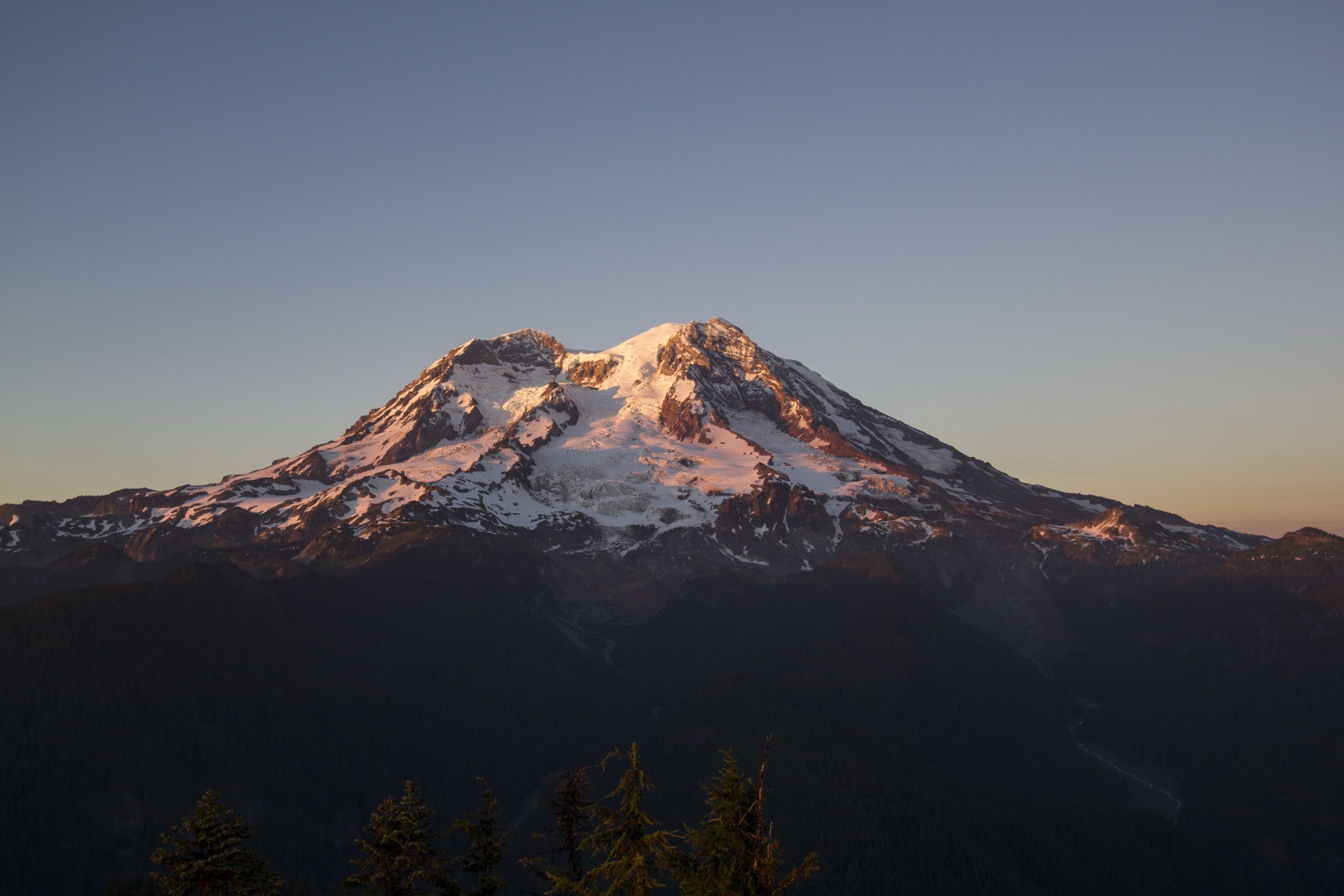
Mount Rainier announces itself from a hundred miles away — a stratovolcano so massive it dominates the skyline from Seattle to the Pacific coast. But dominance from a distance doesn't prepare you for the intimacy of standing within the park itself. Here, you move through elevation zones so compressed that a single day's drive takes you from old-growth Douglas fir forests dripping with moss to subalpine meadows ablaze with wildflowers to glacier-carved alpine terrain where the mountain reveals its raw volcanic bones. The park protects 236,381 acres of these overlapping ecosystems, each one distinct, each one home to creatures and plants adapted to radical changes in temperature, precipitation, and growing season.
Rainier is an active volcano, which shapes everything about this place — from the five major rivers that drain from its glaciers to the lahar-warning systems in towns 50 miles downstream to the sheer geological drama visible from every major viewpoint. Its last major eruption was roughly 1,000 years ago, but the mountain's youth (geologically speaking) means the landscape here is still being carved and shaped by water, ice, and fire. In summer, Paradise receives more annual precipitation than any other place in the continental U.S. except parts of the Olympic Mountains — over 680 inches at the highest elevations. That moisture feeds an explosion of life.
What makes Rainier special isn't just the mountain itself, but the way the park's elevation and climate create distinct ecological rings. Lower slopes harbor 1,000-year-old Sitka spruce and western red cedar in groves so old they feel primordial. Mid-elevation subalpine meadows transform between seasons — austere and snow-locked in winter, then suddenly transformed in late July when lupine, Indian paintbrush, and avalanche lilies surge into bloom almost overnight. Higher up, the landscape becomes sparse and harsh, dominated by permanent ice and volcanic stone. Wildlife responds to these zones too: elk winter in lower forests, marmots whistle from rocky alpine slopes, and black bears follow berry crops through different elevations as seasons change.
The most heavily glaciated peak in the contiguous U.S., carrying 25 named glaciers and over 35 square miles of permanent snow and ice that feed five major rivers
Quick Info
Must-See Highlights
Paradise
At 5,400 feet on the mountain's south side, Paradise is ringed by subalpine meadows that explode with wildflowers (lupine, Indian paintbrush, avalanche lilies) in late July and August. The Henry M. Jackson Visitor Center offers geology exhibits and interpretive programs. Be prepared: Paradise sits in a rain shadow's opposite — it receives extreme precipitation, and weather changes rapidly. Visit in summer for wildflowers, but go early; parking fills by mid-morning on weekends.
Sunrise
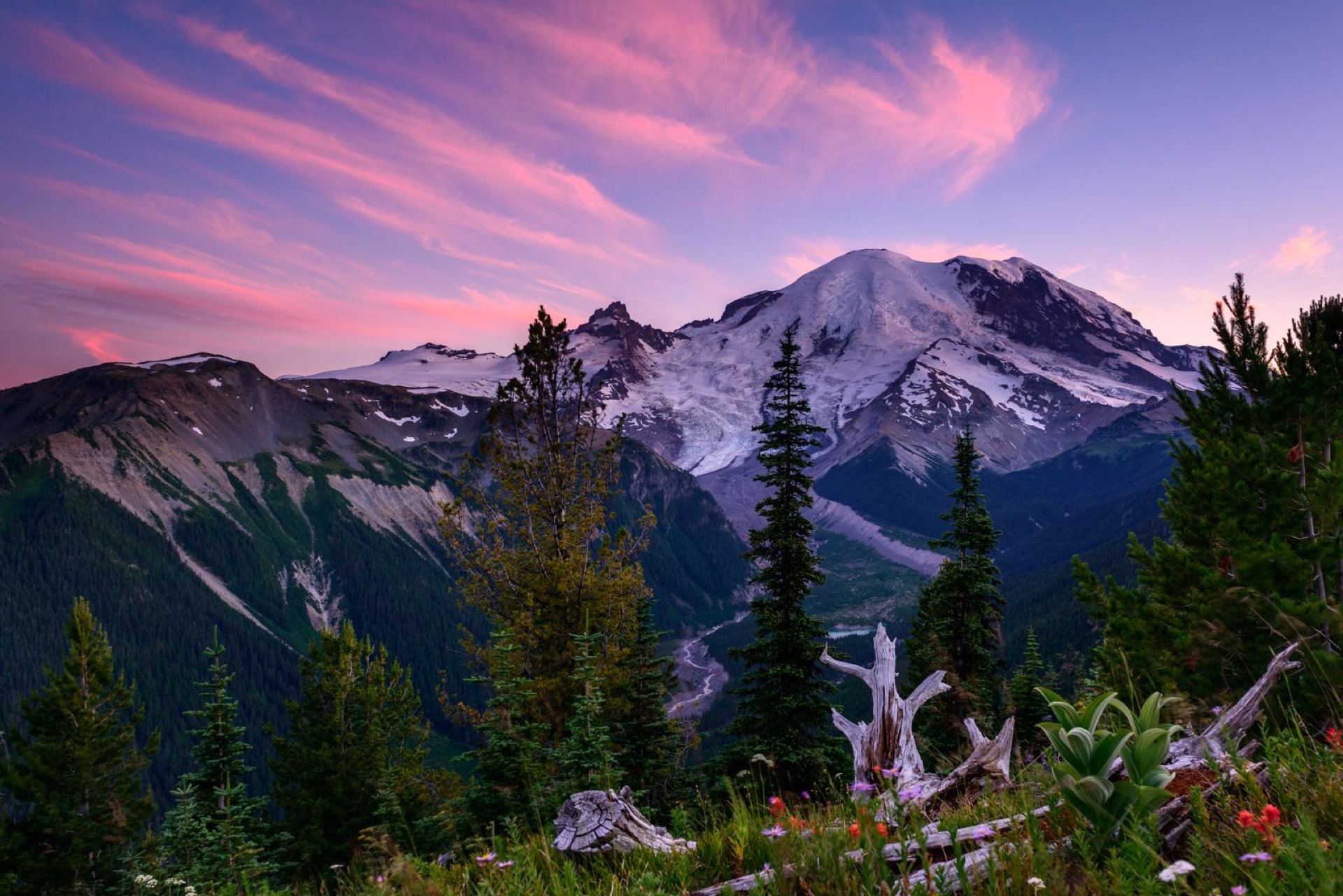
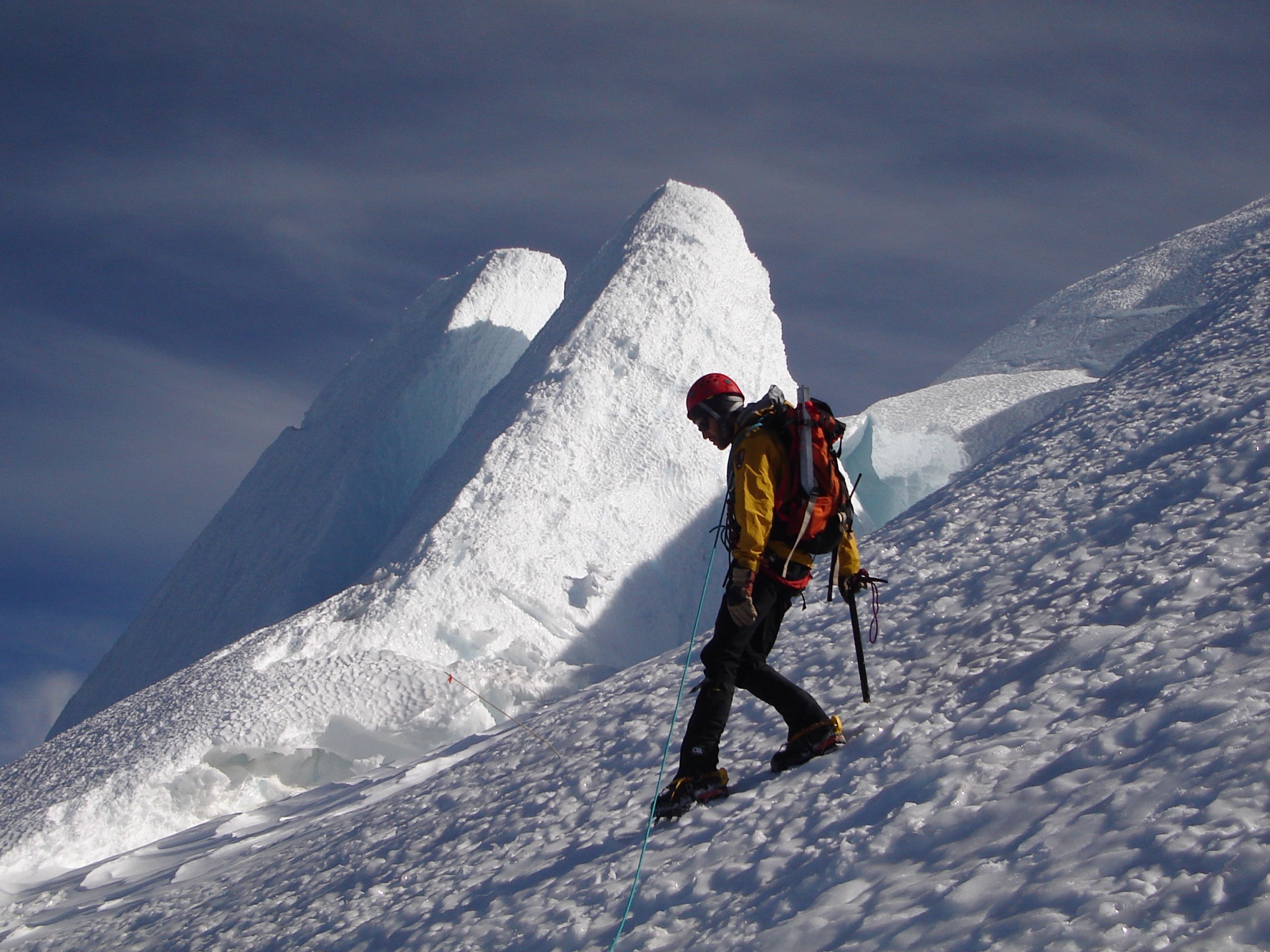
The park's highest road-accessible point at 6,400 feet on the northeast slope, Sunrise offers sweeping views of Emmons Glacier (the largest glacier by surface area in the lower 48 states) and the distant North Cascades. It's drier and more open than Paradise, with a windswept, alpine feel. The area draws fewer crowds and offers excellent early-morning light for photography — arrive by 7 AM in summer to secure parking.
Grove of the Patriarchs
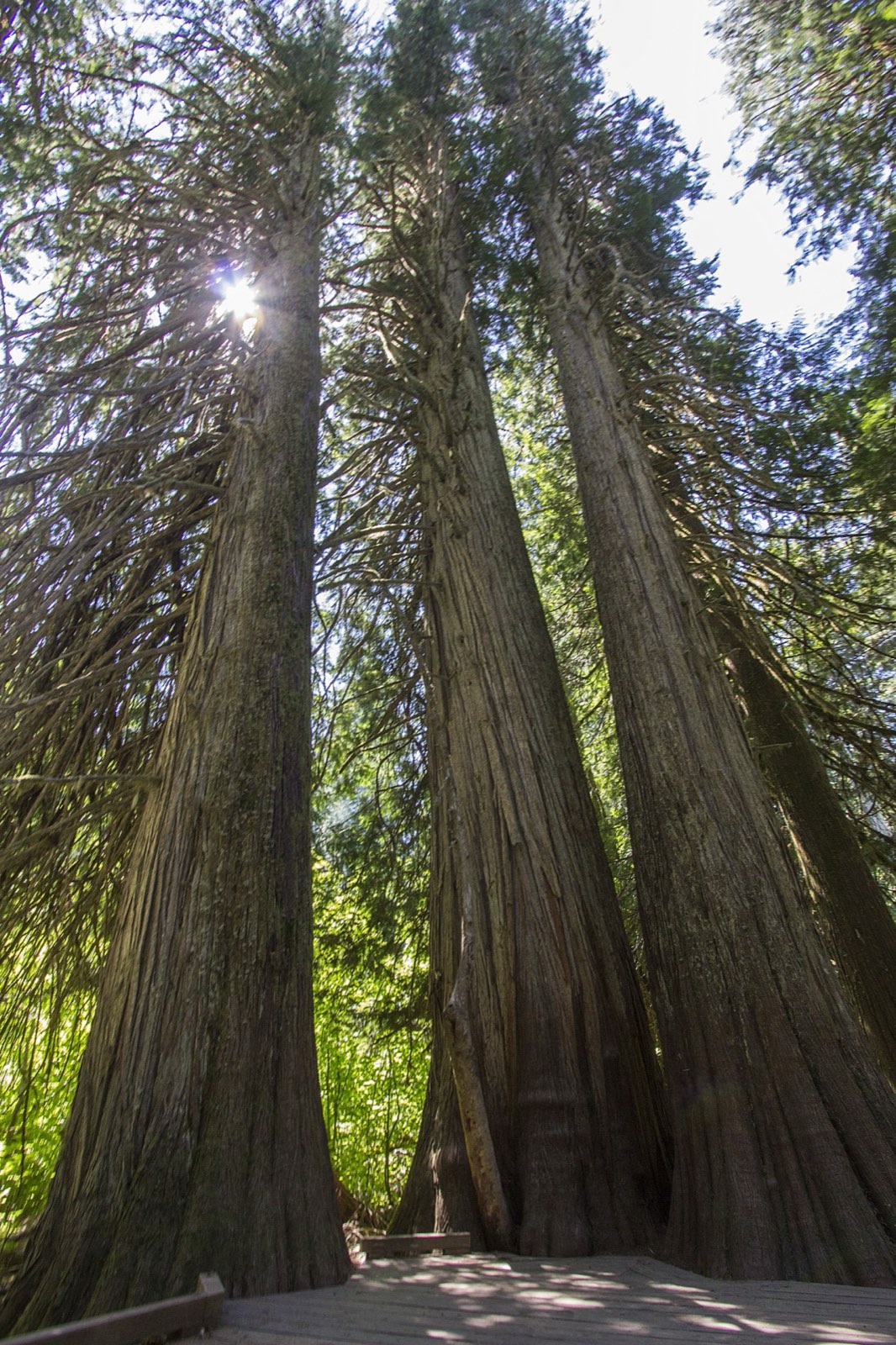
A 1.5-mile loop trail on the southeast side that crosses a suspension bridge to an island of ancient Douglas fir, western red cedar, and Sitka spruce — many over 1,000 years old and up to 25 feet in circumference. The forest floor is soft with moss and ferns. It's flat, accessible to most fitness levels, and deeply atmospheric. Go in late afternoon when sunlight filters through the canopy; it's magical and usually quieter than midday.
Narada Falls
A 168-foot waterfall visible from a roadside pullout on the way to Paradise, Narada is most dramatic in early summer when snowmelt roars down the slope. A steep 1.3-mile round-trip trail descends to the base if you want a closer look. The mist creates rainbows in afternoon sunlight, and the roar is visceral — this is what happens when a glacier melts.
Wonderland Trail
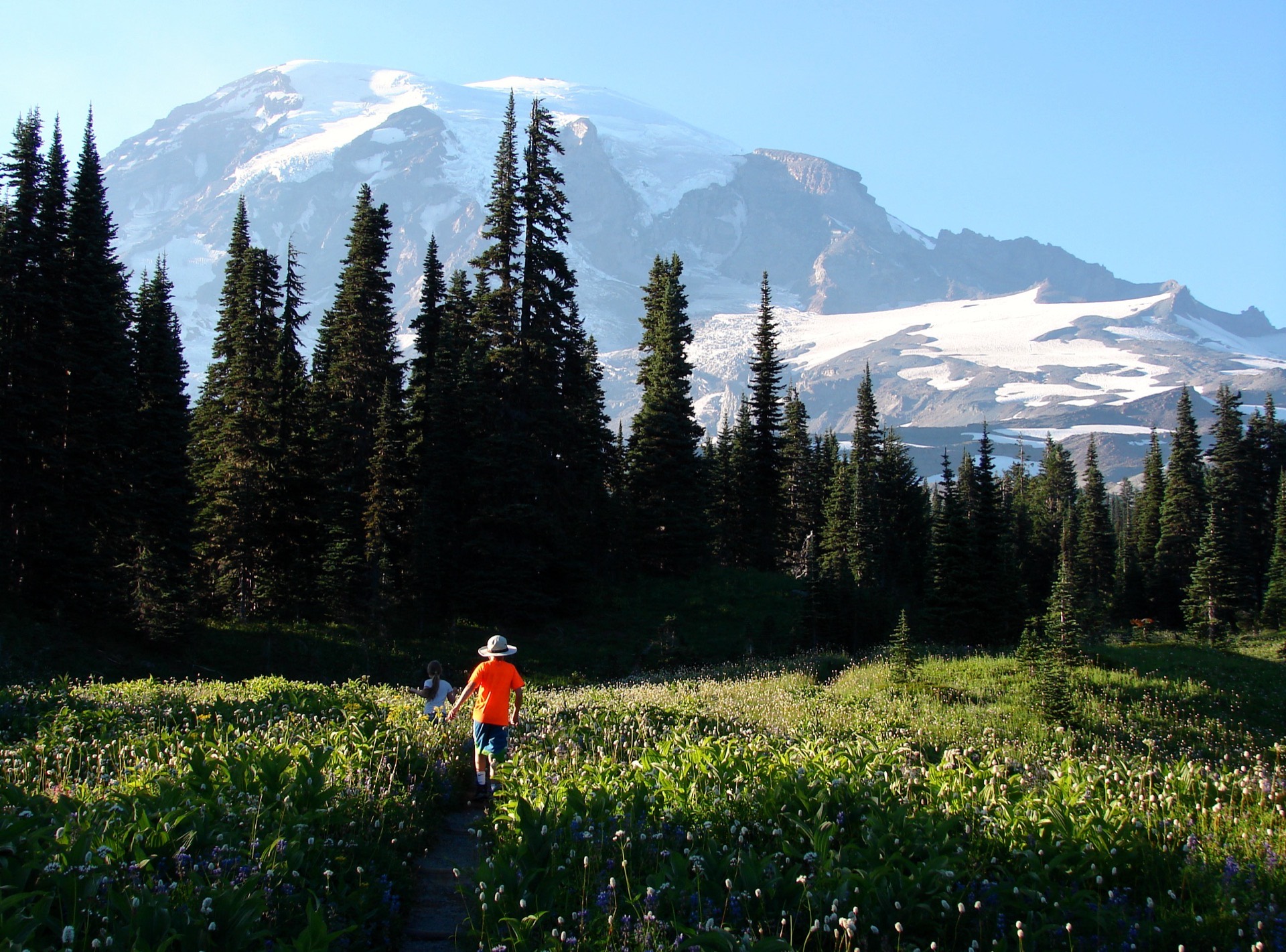
The legendary 93-mile loop circumnavigates the entire mountain, passing through all the park's major ecosystems and crossing streams fed by glacial melt. It's a multi-day backpacking trek (5-10 days depending on fitness and pace) that requires reservations and backcountry permits. Even day-hikers can tackle sections: the 4.6-mile round trip from Sunrise to Shadow Lake offers alpine meadows and glacier views without committing to the full loop.
Reflection Lakes
A scenic 1.8-mile round-trip walk on the Paradise road that ends at a mirror-still alpine lake perfectly reflecting Mount Rainier on clear days. The trail is easy, wildflower-lined in summer, and offers some of the most photographed views in the park. Early morning light creates the sharpest reflections; arrive by 8 AM in July and August to beat crowds.
Emmons Glacier
Visible from Sunrise at 6,400 feet, Emmons is the largest glacier by surface area in the contiguous U.S., covering 4.3 square miles. From the White River Campground area, you can see the glacier's terminus and the meltwater streams that feed the White River below. On clear days, the contrast between the bright white ice and dark volcanic rock is stunning.
When to Visit
spring
March - May
Spring at Rainier is wet, muddy, and magical. Snow lingers at higher elevations while lower slopes awaken — ferns unfurl, streams surge with snowmelt, and the forest canopy begins to green. Most of the park's main roads (like the road to Paradise) remain closed until late May due to snow, though the Nisqually entrance and lower-elevation trails are accessible. Expect rain, fog, and occasional snow flurries even in late May. This is the quietest season, which means solitude but also unpredictable weather.
summer
June - September
Summer is peak season for good reason: all main roads are open, the weather is relatively stable (though not guaranteed), and the wildflower meadows are at their absolute height from late July through August. Daytime highs in the 60s and 70s feel mild at elevation. July and August are the sunniest months, but afternoon thunderstorms are common, especially in late summer. Crowds peak mid-July through Labor Day; consider visiting in early June or late September for fewer people and still-accessible conditions.
fall
October - November
Fall brings rain, lingering wildflowers at higher elevations, and wildlife visible as animals move to lower elevations to prepare for winter. The light is golden and low, creating dramatic shadows across meadows and glaciers. Roads typically remain open through late October, though snow can arrive suddenly in November. Wildlife viewing improves as elk descend from the heights. Fall is underrated — the park feels emptier and the light is exceptional for photography.
winter
December - February
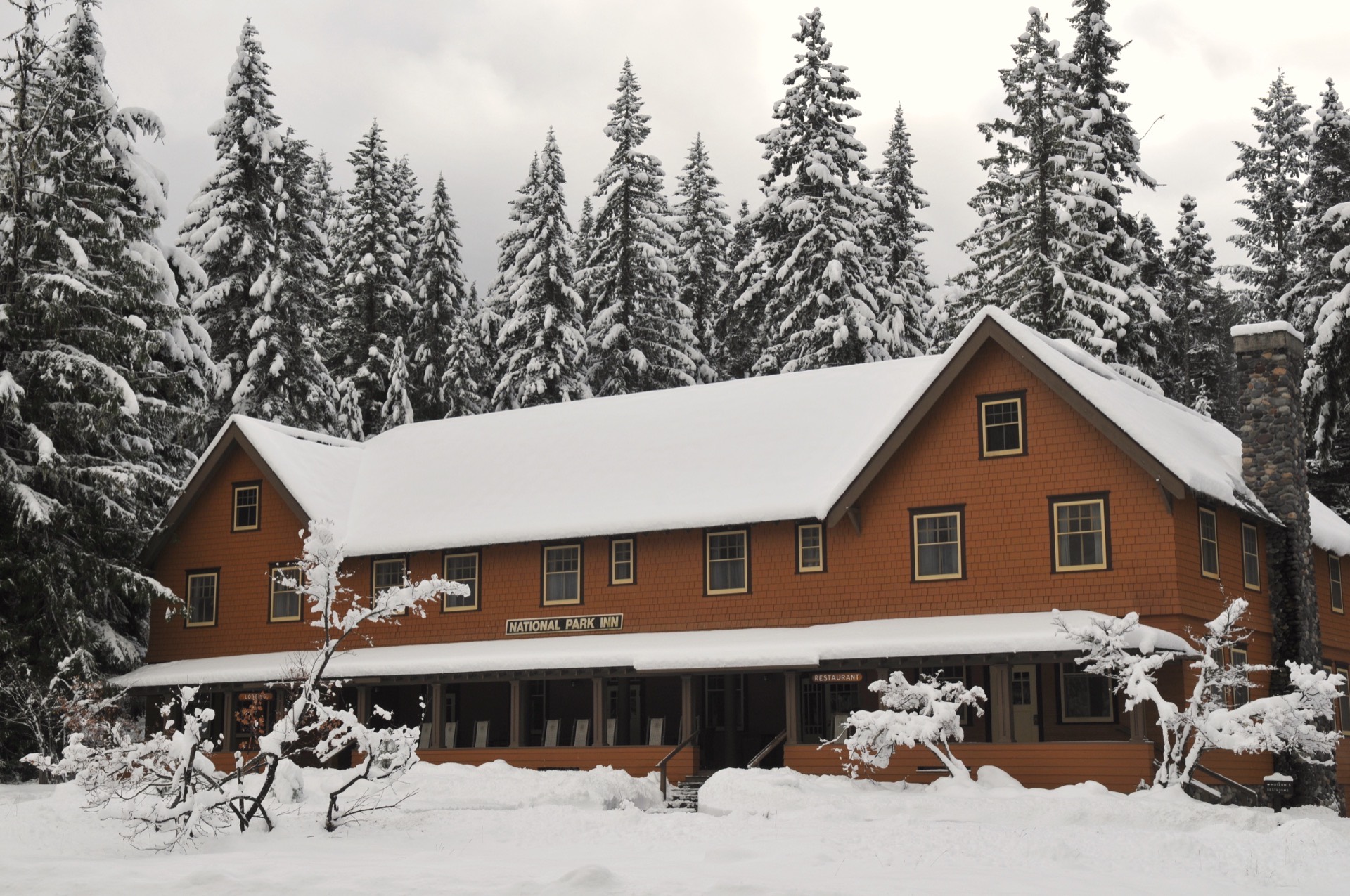
Winter at Rainier is serious. Paradise receives many feet of snow (it's one of the snowiest places in North America), and the main park roads close except for the Nisqually entrance area and short sections to Sunrise and Ohanapecosh. Winter can last from November through May at higher elevations. The park is beautiful under snow, but only for experienced winter travelers with proper gear. Cross-country skiing and snowshoeing replace hiking. Most facilities close. Come prepared or consider visiting in shoulder seasons instead.
Wildlife & Nature
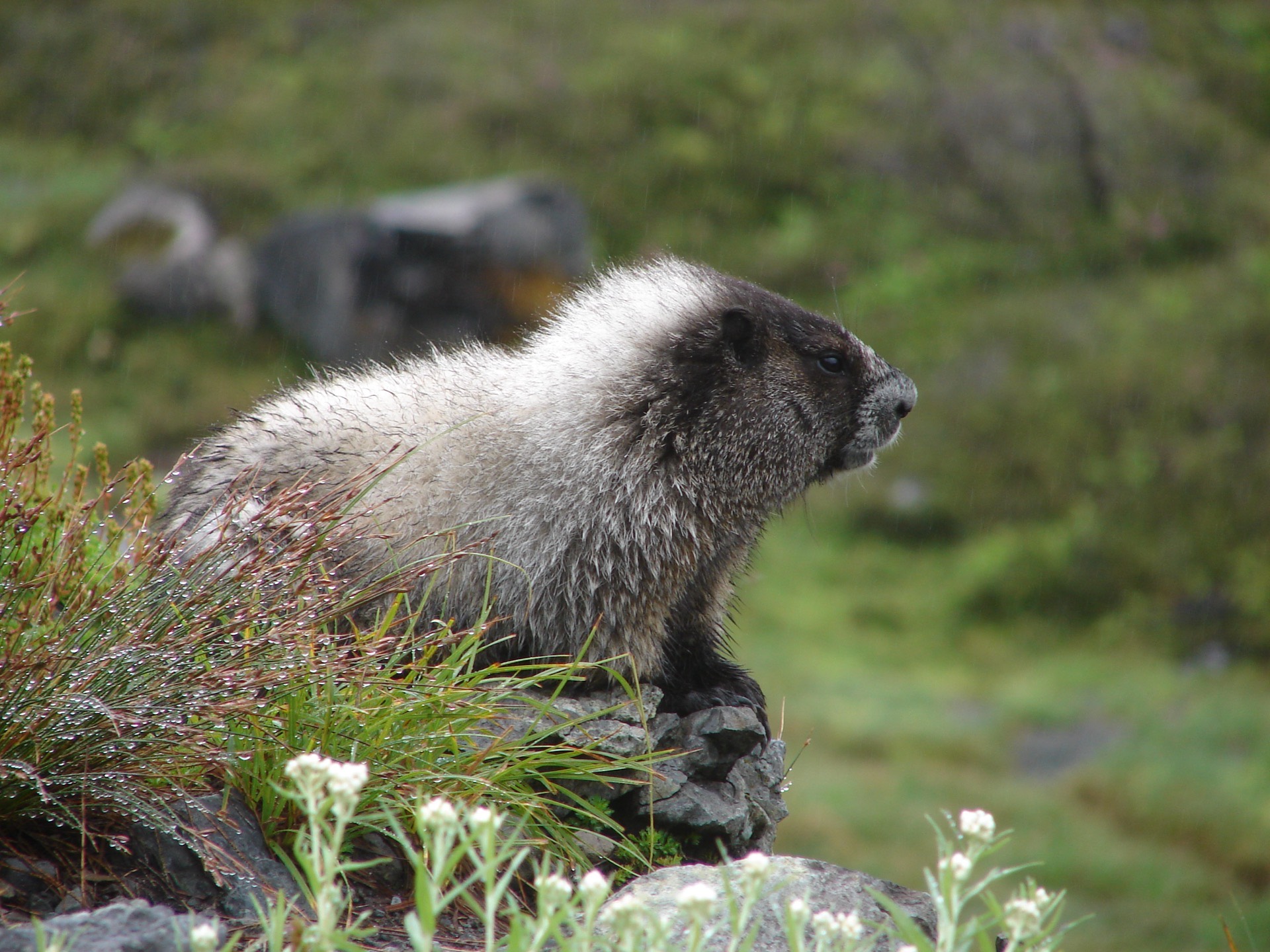
Mount Rainier's wildlife follows the mountain's elevation zones with precision. In lower forests, Roosevelt elk move through old-growth Douglas fir and cedar, especially visible in autumn when they descend to prepare for winter — early morning drives near Ohanapecosh and White River areas offer your best chance. Black bears forage through berry crops in mid-elevation subalpine zones in late summer (August especially), following the ripening of huckleberries and salal berries. Stay alert and keep a safe distance. Higher up, Olympic marmots whistle from alpine meadows (they're endemic to the Cascades), and mountain goats navigate vertical terrain on high ridges, visible through binoculars from Sunrise and Panhandle Gap. Smaller mammals include Douglas squirrels, river otters in park streams, and pika in rocky alpine areas. Birdwatchers should watch for Steller's jays, gray jays, spotted owls (old-growth forests at lower elevations), and white-crowned sparrows in subalpine meadows. The park's rivers support spawning runs of Chinook and coho salmon, though these are increasingly rare. Early morning and dusk offer the best wildlife viewing, and fall (September-October) is peak season when animals move between elevations.
Gallery
Photos courtesy of the National Park Service and Wikimedia Commons
Insider Tips
Arrive at Paradise before 9 AM on weekends in July-August, or the parking lot will be full. Overflow parking fills by late morning, forcing some visitors to be turned away. Sunrise area fills later (usually by 10-11 AM), making it a better choice if you sleep in. Alternatively, visit on weekdays or in shoulder seasons (June, September, early October) for significantly fewer crowds.
Check the National Park Service road status the night before you visit — Paradise Road and other main roads can close suddenly due to snow, rockfall, or maintenance. This is especially critical in spring and fall. Call ahead rather than driving three hours to find the road closed.
Bring a rain jacket even if the forecast looks clear. Mountain weather at Rainier changes radically and quickly. An afternoon thunderstorm can develop in 30 minutes. Waterproof layers are essential year-round.
The wildflower peak at Paradise shifts year to year based on snowmelt timing. Generally, late July and August are reliable, but some years the peak hits mid-July; other years flowers bloom into early September. Contact the Visitor Center before you go if wildflower timing is critical to your visit.
For the best solitude, hike the Wonderland Trail in early June when the high country is just becoming accessible but most people are still thinking summer vacation is distant. Snow will be melting, creating roaring streams and cascades that are dramatic and beautiful.
Emmons Glacier is retreating noticeably — if you have photos from previous visits, the change is visible. Visit Sunrise and White River areas to witness the active geological process of glacial retreat. Bring binoculars to see the glacier's terminus clearly and the medial moraines (dark lines of rock running down the ice).
If you're visiting Paradise in summer and want a less-crowded experience, walk the Skyline Trail loop (3 miles) instead of just walking near the visitor center. It gains elevation, loops around Panorama Point, and offers 360-degree views of the surrounding peaks and valleys with far fewer people.
Winter snowshoe access to Paradise and Sunrise areas is possible in some years, but conditions are extreme. Check with the park about which areas are safely accessible and get current conditions. A guide service from local towns (like Ashford) knows current snow conditions better than the NPS website can convey.
The road to Ohanapecosh Campground on the southeast side is one of the last to close for winter and first to open in spring, making it accessible in shoulder seasons when other areas are snowed in. The campground area has excellent hiking and fewer crowds than Paradise.
Gas up before you enter the park — there are no services (fuel, food, lodging) inside park boundaries. The nearest towns (Ashford, Ellensburg, Longmire) are 30-45 minutes away. Stock snacks and water for day hikes.