Washington Region
Southwest Coast
28 miles of unbroken sand, legendary oysters, and the quietest stretch of Pacific coast
Cities
Long Beach
Best Time to Visit
July–September
The Southwest Coast is Washington's quiet answer to the Oregon Coast — 28 miles of unbroken sandy beach on the Long Beach Peninsula, oyster beds in Willapa Bay, and a pace of life that runs on tides rather than clocks. This is not a glamorous destination. There are no boutique hotels or farm-to-table restaurants with wine pairings. What there is: the longest continuous beach in the United States, some of the best oysters in the world, cranberry bogs glowing red in autumn, and the kind of small-town coastal atmosphere that most of the West Coast lost decades ago.
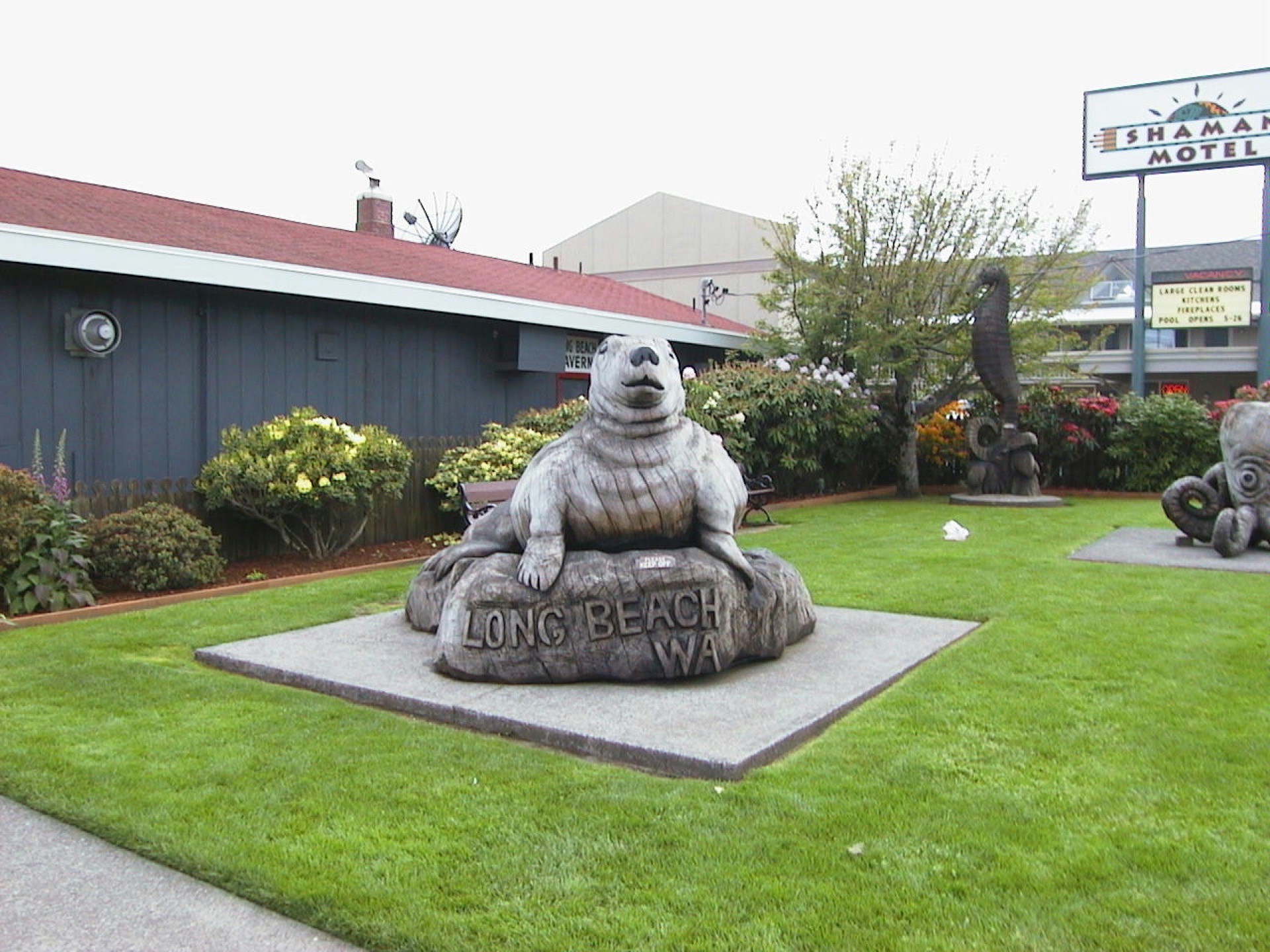
The Long Beach Peninsula is a narrow sand spit separating Willapa Bay from the Pacific Ocean. The town of Long Beach sits near the southern end, with a small boardwalk, a kite museum, taffy shops, and a collection of mom-and-pop motels that haven't changed much since the 1960s. It's wonderfully unpretentious. The beach itself is the main attraction — wide enough that you can drive on it in places, with firm packed sand that stretches to the horizon in both directions. In summer, families fly kites (Long Beach calls itself the Kite Capital of the World and hosts an international kite festival each August). In winter, storms send 20-foot waves crashing onto the beach, and storm-watching from a warm window becomes the activity.
Willapa Bay, on the inland side of the peninsula, is one of the cleanest estuaries in the country and produces roughly 10% of all oysters consumed in the United States. The bay's clean water and nutrient-rich tidal flats create ideal growing conditions for Pacific oysters. Several oyster farms offer tours and tastings, and you can buy fresh oysters directly from the growers. The Willapa National Wildlife Refuge protects large sections of the bay's shoreline, providing habitat for migratory birds, Roosevelt elk, and black bears.
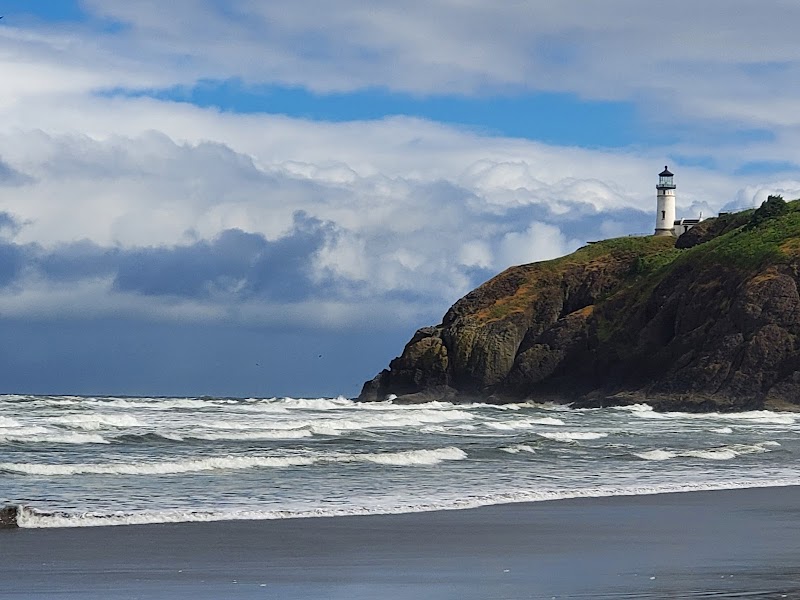
Cape Disappointment State Park, at the southern tip of the peninsula where the Columbia River meets the Pacific, is one of the most dramatically located state parks in Washington. Two lighthouses — the North Head Lighthouse and the Cape Disappointment Lighthouse — stand on headlands above the Columbia River bar, one of the most dangerous river entrances in the world. The Lewis and Clark Interpretive Center here tells the story of the expedition's arrival at the Pacific in November 1805, when William Clark wrote "Ocean in view! O! the joy!" (He was actually looking at the Columbia River estuary, but the sentiment was correct.)
North of Long Beach, the coast becomes wilder and less developed. Leadbetter Point State Park at the tip of the peninsula offers dune hiking and world-class birdwatching, especially during spring and fall migration. The Willapa Hills and the coastal forests inland provide a moody, atmospheric backdrop of Sitka spruce, western red cedar, and perpetual mist.
The Southwest Coast is a destination for people who want to slow down — genuinely slow down, not the curated version of slowing down that involves $400 spa treatments. Bring a book, a rain jacket, and an appetite for oysters. The coast will handle the rest.
What Makes It Unique
The Southwest Coast is the antidote to curated travel. Twenty-eight miles of beach with no condos, some of the best oysters in the world pulled from the bay next door, and a pace of life that hasn't been optimized for Instagram. It's Washington's quietest, most honest coastal destination.
Top Experiences in Southwest Coast
The must-do activities and attractions that define this region — with insider tips to make the most of each one.
Long Beach
At 28 miles, the Long Beach Peninsula claims the longest continuous beach in the United States. The sand is wide, flat, and firm — drivable in many sections, walkable for hours, and perfect for kite flying. The Discovery Trail runs 8 miles along the coast, connecting Long Beach to Cape Disappointment with interpretive signs about Lewis and Clark's journey. On summer days, the beach is lively but never crowded the way Oregon beaches can be. In winter, it's dramatic and deserted — just you, the gulls, and the storm surf.
Insider Tip
Sunset on the beach is the daily event here. Walk north from the boardwalk for fewer people and wider views.
Cape Disappointment State Park
Two historic lighthouses perched on headlands above the most dangerous river bar in North America — where the Columbia River collides with the Pacific Ocean. The park includes hiking trails to both lighthouses, the Lewis and Clark Interpretive Center (one of the best Lewis & Clark museums on the trail), old-growth coastal forest, and sheltered cove beaches. North Head Lighthouse is the more photogenic and less crowded of the two. The park also has excellent camping — including yurts with ocean views.
Insider Tip
The lighthouse trails are short and easy. Do both — North Head for drama and photos, Cape Disappointment for history and the river bar viewpoint.
Willapa Bay Oyster Tasting
Willapa Bay is one of the most productive oyster-growing estuaries in the world, responsible for roughly 10% of all oysters consumed in the United States. Several growers offer tours and direct sales — you can buy fresh oysters by the dozen, watch the harvesting process, and shuck them on the spot with views of the tidal flats. Oysterville Sea Farms in the historic village of Oysterville is the most accessible option, set in a beautifully preserved 19th-century oystering village.
Insider Tip
Buy a bag of fresh oysters from Oysterville Sea Farms and shuck them on the beach — it's the freshest oyster experience you'll ever have.
Washington State International Kite Festival
Held the third week of August on the Long Beach Peninsula, this festival draws kite flyers from around the world for a week of competitions, demonstrations, and mass ascensions. Stunt kites, fighter kites, enormous inflatable kites shaped like animals — the sky becomes a canvas. The beach is wide enough to accommodate hundreds of flyers and thousands of spectators without feeling crowded. It's free to attend and surreal to watch.
Insider Tip
The mass ascension events (when hundreds of kites go up simultaneously) are the most spectacular. Check the festival schedule for times.
Lewis and Clark Interpretive Center
Built into the headland at Cape Disappointment, this museum traces the entire journey of the Lewis and Clark Expedition, with a focus on the final push to the Pacific. The exhibits are well-designed and immersive, covering the expedition's encounters with Native peoples, the Corps of Discovery's scientific observations, and the emotional climax of reaching the ocean. The center's location — overlooking the exact spot where the expedition saw the Pacific — makes the history tangible in a way no inland museum could.
Insider Tip
Allow at least an hour. The trail from the center to the Cape Disappointment Lighthouse takes 15 minutes and completes the experience.
Leadbetter Point Birdwatching
The tip of the Long Beach Peninsula is a convergence of habitats — ocean beach, dune grass, salt marsh, and estuary — that creates one of the best birdwatching sites on the Pacific Flyway. During spring and fall migration, the point hosts tens of thousands of shorebirds, including western sandpipers, dunlins, and the occasional snowy plover. The 3-mile loop trail through the dunes is flat and easy, with interpretive signs. Even non-birders will appreciate the wild, end-of-the-world feeling of standing at the tip of the spit.
Insider Tip
Late April through May for spring migration, September through October for fall. Bring binoculars and check high tide times — shorebirds concentrate as the tide pushes them closer to shore.
Best Time to Visit Southwest Coast
Peak Season
July–September
Best weather, most activities open, highest crowds.
Shoulder Season
May–June, October
Fewer crowds, good value, variable weather.
Off Season
None — winter storm-watching is its own draw
Limited access or activities, but fewer visitors.
The Southwest Coast has a mild, maritime climate — it never gets very cold (winters average in the 40s) and never gets very hot (summer highs in the 60s–low 70s). Summer is the most popular season, with the driest weather, warmest temperatures, and the kite festival in August. But this coast has genuine year-round appeal. Spring brings migrating birds and green landscapes. Fall is quiet and moody, with excellent storm-watching beginning in October. Winter storms are dramatic — 20-foot waves, howling wind, and the kind of raw Pacific weather that makes a warm cabin and hot soup feel like paradise. Many locals argue that winter is the best season on the peninsula.
Where to Stay
Long Beach is the hub, with the most motels, vacation rentals, and restaurants. The Adrift Hotel is the most stylish option — a renovated mid-century motel with live music on weekends. Seaview, just south of Long Beach, is quieter and has the Shelburne Inn — one of the oldest continuously operating hotels in Washington (since 1896). For camping, Cape Disappointment State Park has excellent sites including yurts with heat — book well ahead for summer. Oysterville, at the north end of the peninsula, is a tiny historic village with a few vacation rentals and zero commercial activity — perfect for complete disconnection.
Food & Drink
The Southwest Coast food scene is simple, fresh, and built around what comes out of the water. Willapa Bay oysters are the star — raw, grilled, fried, or in a stew. Dungeness crab is abundant and cheap compared to Seattle prices. Cranberries are a local crop (the bogs glow red in October), and cranberry-infused everything shows up in local shops. Don't expect culinary innovation — expect honest, fresh seafood prepared well, served in unpretentious settings with views of the ocean or the bay.
Willapa Bay oysters — buy them fresh from Oysterville Sea Farms or eat them at any local restaurant
Dungeness crab from the docks — seasonal but abundant and dramatically cheaper than city prices
The Depot Restaurant in Seaview — the best dining on the peninsula, housed in a former rail depot
Cranberry products everywhere in autumn — cranberry wine, cranberry sauce, cranberry everything
Clam chowder from any of the Long Beach seafood shacks — each claims theirs is the best
Getting There
From
Seattle or Portland
Drive Time
3–3.5 hours from Seattle, 2.5 hours from Portland
From Seattle, drive south on I-5 to Olympia, then west on US-101 to the coast and south on Highway 103 to Long Beach — about 3 hours depending on traffic. From Portland, drive west on US-30 to Astoria, cross the Astoria-Megler Bridge (the longest continuous truss bridge in North America — 4.1 miles over the Columbia River), and you're on the peninsula. The Astoria route is shorter and more scenic. The peninsula has no public transit — you'll need a car. Gas stations are sparse, so fill up before heading to Leadbetter Point or the northern reaches.
Cities & Towns in Southwest Coast
Explore our detailed guides to the cities and towns that make up this region.
Insider Tips
Oysterville is a hidden gem — a perfectly preserved 1870s oystering village at the north end of the peninsula. The tiny Oysterville Church, the historic homes, and the sea farm make it worth the 15-minute drive from Long Beach.
The Astoria-Megler Bridge connecting Oregon to the peninsula is 4.1 miles long and has no center divider — driving it in a winter storm is genuinely white-knuckled and thrilling.
The World Kite Museum in Long Beach is a surprisingly excellent small museum, even if you have zero interest in kites. It's also one of the only rainy-day activities on the peninsula.
For the best storm-watching in winter, book a cabin or yurt at Cape Disappointment with a view of the river bar. Watching waves crash over the jetty from a warm, dry shelter is peak Southwest Coast.
The cranberry harvest in October is visually spectacular — the bogs are flooded and the berries float on the surface, turning entire fields bright red. Drive the back roads south of Long Beach to see them.
Don't skip the drive through Oysterville to Leadbetter Point even if you're not a birder. The dune trail at the tip of the peninsula gives you a feeling of being at the end of the earth.
More to Explore in Southwest Coast
Ready to Explore Southwest Coast?
Start planning your trip to Southwest Coast — from where to stay to what to see, we've got you covered.