Southwest Washington Coast
Long Beach
Where the wild Pacific meets small-town charm and sand
Population
1,350
Region
Southwest Washington Coast
Known For
Long Beach is America's longest continuous sandy beach and a quirky, laid-back coastal village that feels frozen in nostalgic Americana with kitschy charm and genuine outdoor recreation.
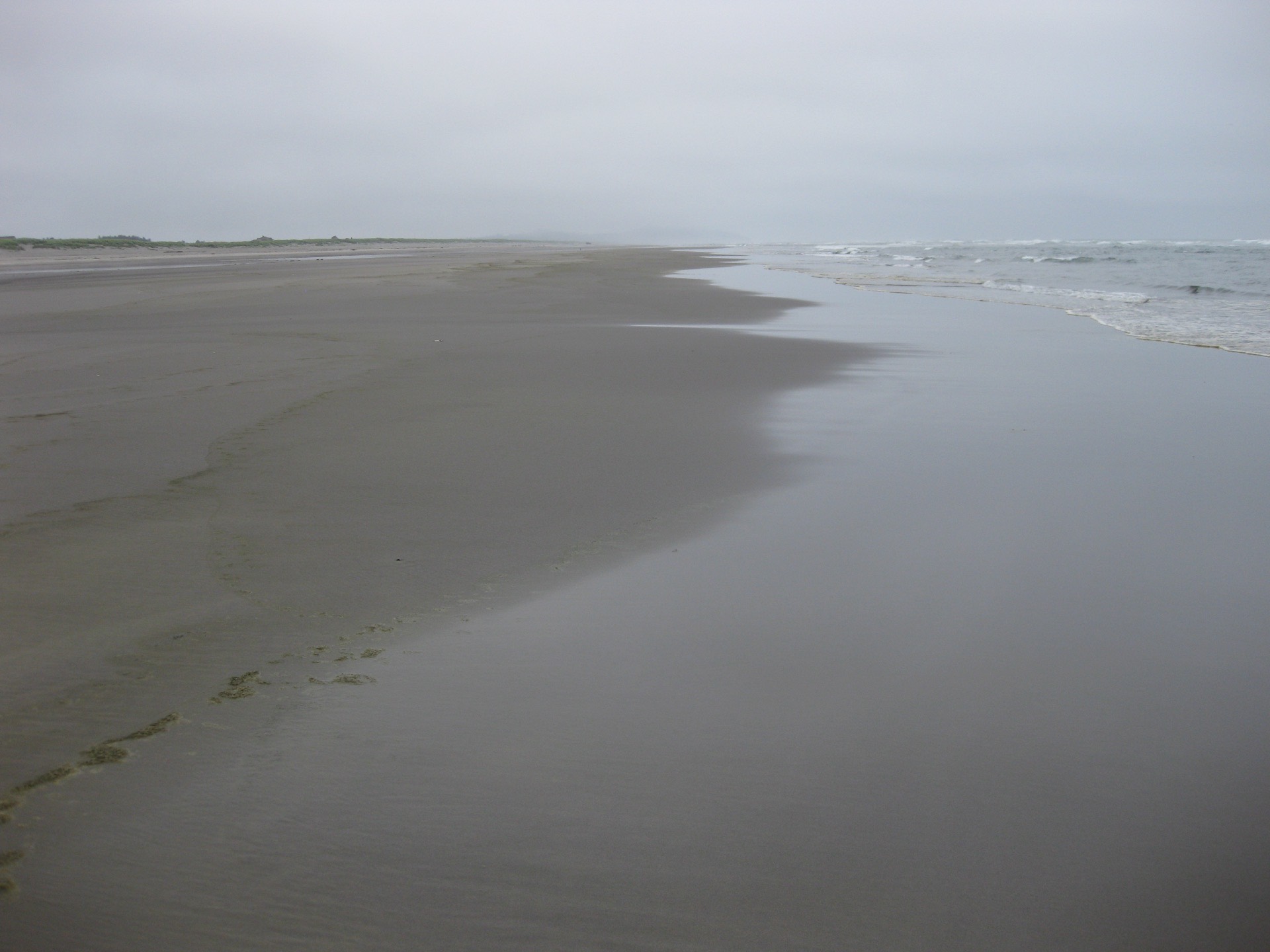
Long Beach stretches 28 miles of unobstructed sand along the Washington coast, a rarity in the Pacific Northwest that draws families, surfers, and anyone seeking pure beach space without the crowds of Oregon's coast. The town itself—population barely over 1,000—sits at the northern tip of the Long Beach Peninsula, a narrow strip of land that creates a unique geography: bay waters to the east, open ocean to the west, and small communities scattered down its spine. There's an intentional retro quality here, from the vintage Marsh's Free Museum (home to the famous Jake the Alligator Man) to the old-school boardwalk atmosphere, but it's not affected—it's genuinely how Long Beach has always been. The vibe is unpretentious, family-oriented, and refreshingly free from Portland or Seattle's urban polish; you'll see RVs parked on the beach, smell fish and chips from casual shacks, and encounter locals who actually live here year-round because they love the solitude and salt air.
Top Things to Do in Long Beach
Beach Driving and Exploration
Drive directly onto the hard-packed sand in designated areas—a peculiarly Pacific Northwest experience that feels like an extension of the highway. Park near the Discovery Trail or south toward Oysterville and walk for miles with the ocean as your only companion. Best during low tide, especially June through August when weather is most reliable.
Marsh's Free Museum
This wonderfully weird roadside museum showcases oddities collected over decades, including the mummified remains of Jake the Alligator Man, a two-headed calf, and vintage carnival attractions. It's kitschy, quirky, and completely authentic—the kind of place that shouldn't exist anymore but thrives because of Long Beach's resistance to homogenization.
Discovery Trail
This 8.5-mile paved path parallels the beach and bay, perfect for walking, cycling, or jogging with views of sand dunes, wildlife, and the occasional bald eagle. Start at the trailhead near the Visitors Center and head south toward Oysterville for the quietest stretch.
Oysterville and Willapa Bay
Drive down the peninsula to this historic oyster town (20 minutes south) where weathered Victorian homes and working oyster beds create a living museum of 19th-century commerce. Stop at Oysterville Sea Farms for fresh oysters you can eat right there, or explore the preserved churches and graveyards.
Cape Disappointment State Park
At the peninsula's southern tip (30 minutes from Long Beach), two lighthouses stand guard over a dramatic rocky coastline where the Columbia River meets the Pacific. Hike the 1.5-mile trail to North Head Lighthouse through coastal forest, or scramble down to tide pools during low tide. The park includes a USCG station and interpretive center about shipwrecks.
Surfing at Benson Beach
This pocket beach near the north end of Long Beach offers consistent summer swells and has become a local favorite for intermediate surfers. Water temps require a wetsuit year-round, and conditions are most reliable July through September. Local shops like Corral Bends Surf School offer rentals and lessons.
Boardwalk and Vintage Amusements
Stroll the old-school wooden boardwalk with arcades, mini golf, and carnival games that haven't changed much since the 1970s. The Funland arcade near the pier has actual vintage machines alongside newer games, and the whole scene feels authentically non-corporate.
Cranberry Museum and Farms
Central Long Beach Peninsula is cranberry country—visit the Cranberry Museum in Long Beach or drive to working farms around Grayland (10 minutes east) to understand this unique agricultural heritage. Fall (September-October) is harvest season, when you can sometimes see the flooded bog harvesting process.
Wildlife and Birding
The bay side hosts excellent birdwatching opportunities year-round—bald eagles are common in winter, and migrating waterfowl pack the shallow waters each spring and fall. The sand spits near the bay are particularly productive, especially early morning.
Horseback Riding on Beach
Multiple local outfitters offer guided beach rides on the sand—a uniquely Pacific Northwest experience. Sun Valley Stables and other operations run hourly rides year-round, with the calmest conditions in summer and the most solitude in shoulder seasons.
Neighborhoods & Districts
Downtown Long Beach (Along Pacific Ave)
The heart of town where tourist infrastructure, local businesses, and beach access converge with retro Americana charm.
Marsh's Free Museum, the historic boardwalk, arcades, fish and chips stands, and direct beach access via Bolstad Avenue. This is where you'll find most commercial activity and it's deliberately walkable.
The North End (Near Benson Beach)
Quieter, more residential area with fewer tourists and a focus on actual beach recreation rather than entertainment.
Benson Beach for surfing, the quieter northern stretches of sand for driving and exploring, and access to the Discovery Trail's northern terminus.
Oysterville (20 minutes south)
A time-capsule village of Victorian homes, working oyster beds, and genuine local heritage without commercial tourism infrastructure.
Oysterville Sea Farms for fresh oysters, historic church ruins, preserved 1800s architecture, and a genuine sense of stepping back in time.
Food & Drink
Long Beach's food scene is refreshingly unpretentious, built around seafood (especially oysters from local beds), casual beach town favorites, and family-oriented establishments. This isn't a culinary destination, but rather a place where you eat what the region actually produces—fresh oysters, fish and chips, clam chowder—prepared without fuss. You'll find more RV dinners and fish shacks than fine dining, which is exactly the point. The cranberry farms inland have inspired some creative uses of local berries in desserts and sauces.
Oysterville Sea Farms
Drive down to Oysterville and eat fresh oysters directly from working beds—you pick your own from the cold cases and crack them open at picnic tables overlooking the bay. It's the most direct connection to local food possible.
The Ark Restaurant
Long Beach's most established sit-down restaurant serves elevated comfort food with a local seafood focus—think pan-seared halibut and housemade pasta. It's where locals eat when they want a proper meal without leaving town.
Fish and Chips Shacks (Various)
Multiple casual stands around downtown serve thick-cut fish and chips, crab melts, and clam chowder from plastic windows. These are your 3pm snack between beach walks—nothing fancy, everything authentic.
The Depot Hotel Restaurant
Housed in a 1912 railroad depot building, this place serves hearty coastal fare with some surprising sophistication—crab cakes, steamed clams, and local craft beers in an atmospheric historic space.
Local Breweries and Cafes
Places like Hanthorn Brewery and local coffee shops provide casual hangout spaces for locals and visitors. The scene is casual and welcoming rather than trendy.
When to Visit Long Beach
spring
April through May brings milder temperatures (50-55°F), occasional rain, but fewer crowds and active wildlife viewing—migrating birds pack the bay. Spring tides create dramatic low-tide opportunities for tide pooling and beach exploration. The town comes alive as locals emerge from winter.
summer
June through August is peak season with warm, relatively dry weather (65-70°F), longest daylight hours, and the most reliable beach conditions for surfing and water activities. The beach fills with families and RVs on weekends, but weekday mornings remain peaceful. This is optimal weather for driving the beach and exploring Cape Disappointment.
fall
September through November brings cranberry harvest season, cooler temps (55-60°F), and dramatic Pacific storms that drive bigger waves for experienced surfers. Crowds thin significantly after Labor Day, making it ideal for those seeking solitude. The fall light is extraordinary for photography.
winter
December through February is cold (40-45°F) and wet with frequent storms, but also the most dramatic—huge waves, moody skies, and genuine isolation. Bald eagle numbers peak, and the local population includes those who genuinely prefer this weather. Best visited for photography, wildlife, and escaping everyone else.
Getting There
Long Beach is a 3.5-hour drive southwest from Seattle via I-5 to Olympia, then US-101 through Corvallis to the coast—it's the most direct beach access from the Puget Sound region. From Portland, it's 2 hours northwest via I-5 to Longview, then heading toward the coast. The nearest major airport is Portland International (PDX), 2.5 hours away. There's no public transit to reach Long Beach; a car is essential. Expect fog on the approach roads, especially in summer and fall.
Insider Tips
Visit Marsh's Free Museum in the early morning (it opens at 9am) before tourists arrive—you'll have the oddities almost to yourself and can read all the plaques without crowds.
Time your beach driving for low tide (check tide tables beforehand) and drive slowly near the water's edge where sand is hardest and most stable. Avoid driving on damp sand above the tide line.
Stop at Oysterville on a weekday morning when local farmers are opening oyster beds—you'll see actual harvest work rather than just the tourist version, and oysters are cheapest then.
The Discovery Trail's southern sections near Oysterville are far quieter than the northern stretch near downtown—bike or walk this for genuine solitude and better wildlife viewing.
Bring a wetsuit even in summer—water temperatures rarely exceed 55°F, and locals who swim year-round never go without one. Rental shops have them available.
Avoid summer weekends (especially July 4th and Labor Day) when RV traffic and families make downtown parking impossible. Come Friday afternoon through Tuesday morning for the same beach access without gridlock.