Washington Region
Mount Rainier Corridor
The mountain that defines the state — wildflowers, glaciers, and 14,411 feet of volcanic power
Activities & Attractions
2
Best Time to Visit
Mid-July through mid-September
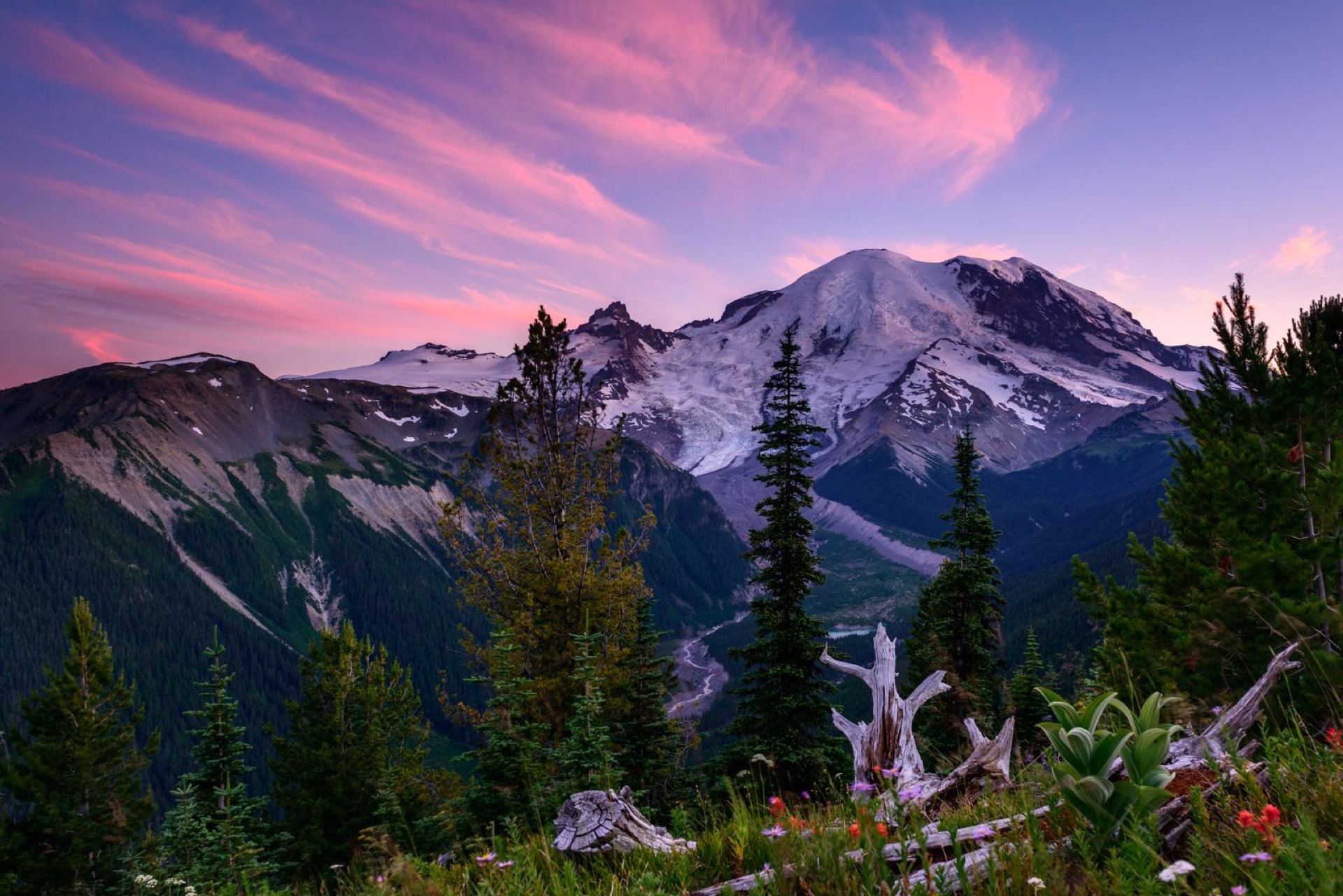
Mount Rainier is the single most iconic feature of Washington State — a 14,411-foot active volcano so massive that it creates its own weather, generates its own river systems, and dominates the skyline from Seattle 60 miles away. On clear days, Seattleites say "the mountain is out" — because when Rainier appears above the clouds, it stops you mid-sentence.
Mount Rainier National Park protects the mountain and 236,000 acres of old-growth forest, subalpine meadows, and glacial rivers surrounding it. The park has more glaciers than any other peak in the lower 48 — 26 named glaciers covering 35 square miles of ice. The Wonderland Trail, a 93-mile circumnavigation of the mountain, is considered one of the premier backpacking routes in America. But you don't need to be a mountaineer to experience Rainier. The park's road system provides access to some of the most spectacular alpine scenery in the country with nothing more than a pair of comfortable shoes.
Paradise, on the mountain's south side, is the most visited area and lives up to its name. At 5,400 feet, the Paradise visitor area sits at the edge of the subalpine zone where wildflower meadows explode each July and August — lupine, paintbrush, avalanche lilies, and dozens of other species carpeting the slopes beneath the glaciated summit. The Skyline Trail from Paradise climbs through these meadows to viewpoints where you're eye-level with the Nisqually Glacier. Paradise also receives an average of 640 inches of snow per year, making it one of the snowiest inhabited places on earth.
Sunrise, on the northeast side, is the highest point reachable by car (6,400 feet) and offers the closest drive-up views of the summit. The meadows here bloom later than Paradise (typically late July through August) and the terrain feels more exposed and alpine. The White River Glacier and Emmons Glacier — the largest glacier in the lower 48 — are visible from several short trails.
The corridor surrounding the park includes small gateway communities that cater to park visitors. Ashford, on the southwest entrance road, has lodges, cabins, and outfitters. The town of Eatonville, further west, and Packwood, to the southeast, offer additional bases. Crystal Mountain Resort, on the park's northeast boundary, is Washington's largest ski area in winter and offers a gondola ride to a summit restaurant with face-to-face Rainier views in summer.
What makes Rainier different from other national parks is its proximity to a major metro area combined with its genuine scale. This is not a gentle mountain. Rainier has killed more climbers than any peak in the Cascades, and its lahars (volcanic mudflows) are the primary natural hazard for the communities in the valleys below. The mountain demands respect, but rewards every visitor who comes — whether you're photographing wildflowers from a paved path or roping up for a summit attempt.
What Makes It Unique
Mount Rainier is the most glaciated peak in the lower 48 and the mountain that defines the Washington State skyline. The combination of accessible wildflower meadows, world-class mountaineering, and genuine volcanic power makes it Washington's single most awe-inspiring destination.
Top Experiences in Mount Rainier Corridor
The must-do activities and attractions that define this region — with insider tips to make the most of each one.
Paradise Wildflower Meadows
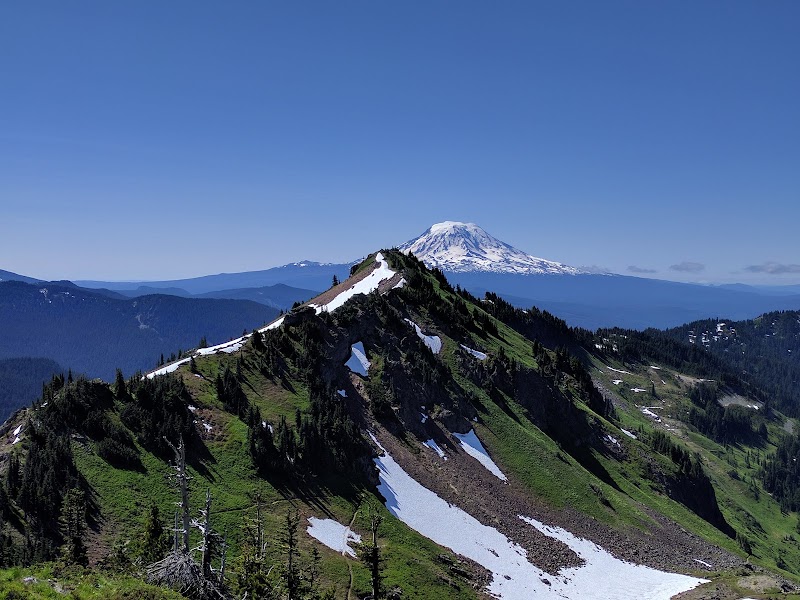
The subalpine meadows at Paradise are Mount Rainier's signature experience — acres of wildflowers blooming at the base of a glaciated volcano. The peak bloom varies by year (typically late July through mid-August), but when it hits, the meadows are carpeted in lupine, paintbrush, asters, and avalanche lilies. Paved and gravel trails of varying lengths loop through the meadows, making this accessible to all fitness levels. The Skyline Trail (5.5 miles, 1,700 feet gain) is the classic route for the best views.
Insider Tip
Check the NPS wildflower reports before visiting. Peak bloom lasts only 2-3 weeks. Weekday visits avoid the worst parking problems — the Paradise lot fills by 10 AM on summer weekends.
Sunrise
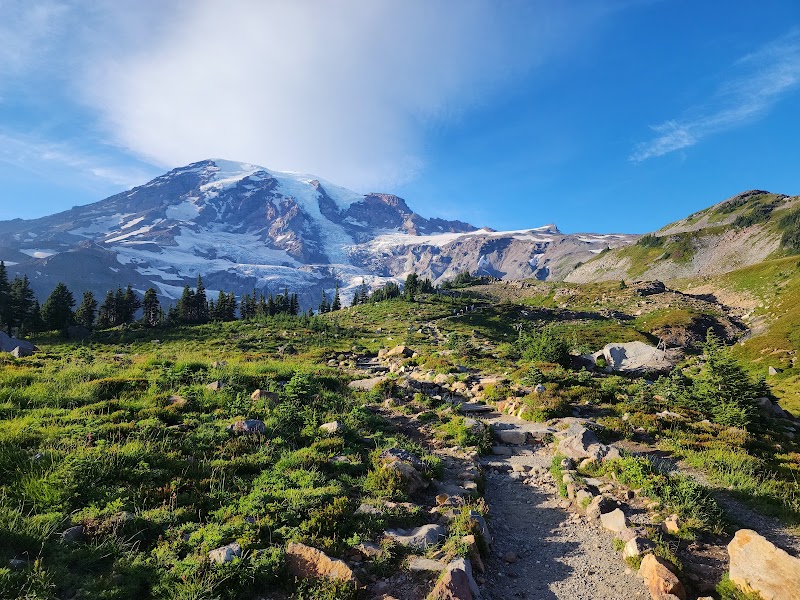
The highest paved road in the park tops out at 6,400 feet with the closest drive-up views of Rainier's summit. Sunrise is less developed than Paradise — no lodge, just a visitor center and trailheads — which gives it a wilder, more remote feel. The Burroughs Mountain Trail climbs above treeline into tundra-like terrain with views of the Emmons Glacier (the largest glacier in the lower 48) filling the valley below. Mountain goats frequent the area.
Insider Tip
Sunrise Road typically opens in late June or July and closes in September. The road is narrow and winding — allow 90 minutes from the White River entrance.
Wonderland Trail
A 93-mile trail circumnavigating Mount Rainier through old-growth forest, river crossings, alpine passes, and wildflower meadows. Most hikers take 10-14 days to complete the full loop. Backcountry permits are required and issued by lottery (apply in March). The trail gains and loses over 22,000 feet of elevation — more vertical than an Everest base camp trek. For a taste without the full commitment, day-hike sections from Paradise, Sunrise, or Mowich Lake.
Insider Tip
If you can't get a Wonderland permit, day-hike the Spray Park section from Mowich Lake — one of the most spectacular segments and often overlooked.
Crystal Mountain Gondola
Washington's largest ski area sits on the northeast boundary of Mount Rainier National Park. In summer, the Mt. Rainier Gondola carries visitors to the 6,872-foot summit where the Summit House restaurant offers lunch with a jaw-dropping, face-to-face view of Rainier across the valley. It's the closest most people will ever be to the mountain's glaciated upper slopes without crampons. On clear days, you can also see Mount Adams, Mount St. Helens, and the Goat Rocks Wilderness.
Insider Tip
Go on a clear day — clouds frequently obscure the view. Check the Crystal Mountain webcam before making the drive.
Grove of the Patriarchs
A 1.5-mile loop trail through one of the finest old-growth forests in the Cascades, featuring Douglas firs, western red cedars, and Sitka spruces over 1,000 years old and up to 40 feet in circumference. The trail crosses the Ohanapecosh River on a suspension bridge to reach a gravel island where the largest trees grow. It's flat, easy, and accessible to all ages — one of the best short walks in any national park.
Insider Tip
The trail is near the Stevens Canyon entrance on the park's southeast side. Combine it with a drive through Stevens Canyon for waterfalls and canyon views.
Summit Climb
Climbing to the 14,411-foot summit of Mount Rainier is a serious mountaineering objective — not a hike. The standard route via the Disappointment Cleaver involves glacier travel, crevasse navigation, and high-altitude conditions. Guided climbs through Rainier Mountaineering, Inc. (RMI) and Alpine Ascents International typically run 3-4 days including a training day and cost $1,200-2,500. Success rates vary (roughly 50-60%) depending on weather and conditions. It's the premier summit climb in the lower 48.
Insider Tip
Book guided climbs 6-12 months ahead for peak season (June-September). No prior mountaineering experience is required for guided trips, but excellent fitness is essential.
Best Time to Visit Mount Rainier Corridor
Peak Season
Mid-July through mid-September
Best weather, most activities open, highest crowds.
Shoulder Season
Late June, late September–early October
Fewer crowds, good value, variable weather.
Off Season
November–May for most visitors (roads closed, heavy snow, limited access)
Limited access or activities, but fewer visitors.
Mount Rainier's season is short and intense. The park is technically open year-round, but the only road kept open in winter is the route from the Nisqually entrance to Paradise (and even that closes during heavy storms). Sunrise Road, Stevens Canyon, and the northern accesses are typically closed November through June. The wildflower season at Paradise peaks in late July through mid-August — this is the park's magic window. By September the flowers have faded but the crowds thin, the air is clearer (better summit views), and fall color begins in the valleys. Snowshoeing at Paradise is a popular winter activity on weekends when the road is open.
Where to Stay
Ashford, just outside the Nisqually entrance, has the most lodging options — from rustic cabins to the Whittaker Mountaineering-affiliated bunkhouse to comfortable lodges. The Paradise Inn inside the park is a historic 1916 lodge with a massive stone fireplace and unbeatable location (book months ahead for summer). Crystal Mountain Resort on the northeast side works for Sunrise-focused visits. For camping, Cougar Rock (near Paradise) and White River (near Sunrise) are the best in-park campgrounds — reserve at recreation.gov as soon as they open. Packwood to the south offers a quieter alternative to the Ashford corridor.
Food & Drink
The Mount Rainier corridor is not a food destination — this is a national park area where most dining options are functional rather than destination-worthy. That said, Ashford has a few good options for fueling up before or after park time, and the Paradise Inn dining room offers a sit-down restaurant with the best view of any dining room in Washington. Bring a picnic for the park itself — eating lunch at a viewpoint beats any restaurant meal here.
Paradise Inn dining room — solid comfort food with a view of the Nisqually Glacier
Summit House at Crystal Mountain — the highest restaurant in Washington with face-to-face Rainier views
Wildberry Restaurant in Ashford — a favorite fuel stop for climbers and hikers
Pack a picnic from a Seattle or Tacoma deli — the best meals at Rainier happen at trailside viewpoints
Copper Creek Inn in Ashford — known for blackberry pie and classic American breakfasts since 1946
Getting There
From
Seattle
Drive Time
2–2.5 hours to Paradise, 2 hours to Sunrise via White River entrance
The most popular route is from Seattle south on I-5 to Highway 7, then east on Highway 706 through Ashford to the Nisqually entrance and Paradise — about 2 hours. For Sunrise, take I-5 south to Highway 167/410 through Enumclaw to the White River entrance — also about 2 hours. The roads inside the park are scenic but slow (25-35 mph). There is no gas station inside the park, so fill up in Ashford, Enumclaw, or Packwood. The park entrance fee is $30 per vehicle (or free with an America the Beautiful pass).
Insider Tips
The Paradise parking lot fills by 10 AM on summer weekends and holidays. Arrive before 9 AM or after 4 PM, or visit midweek.
Spray Park (accessed from Mowich Lake on the northwest side) is one of the most stunning wildflower meadows in the park and sees a fraction of Paradise's visitors. The road is gravel but passable for most cars.
The Stevens Canyon Road between Paradise and Sunrise (open in summer) is one of the most scenic drives in any national park — waterfalls, canyon views, and old-growth forest.
For fall color, visit the Grove of the Patriarchs and Ohanapecosh area in October. The vine maples along the river turn brilliant red and orange.
The park's weather can change rapidly. Bring layers even on sunny days — Paradise is 5,400 feet and temperatures drop fast.
If the Paradise lot is full, don't circle endlessly. Drive to Reflection Lakes (2 miles before Paradise) where parking is usually available and the trail to Pinnacle Peak offers a different perspective of the mountain.
More to Explore in Mount Rainier Corridor
Ready to Explore Mount Rainier Corridor?
Start planning your trip to Mount Rainier Corridor — from where to stay to what to see, we've got you covered.